
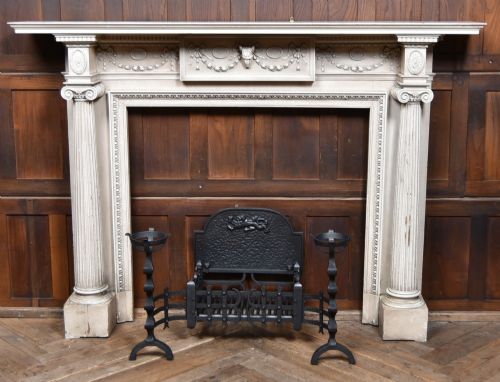
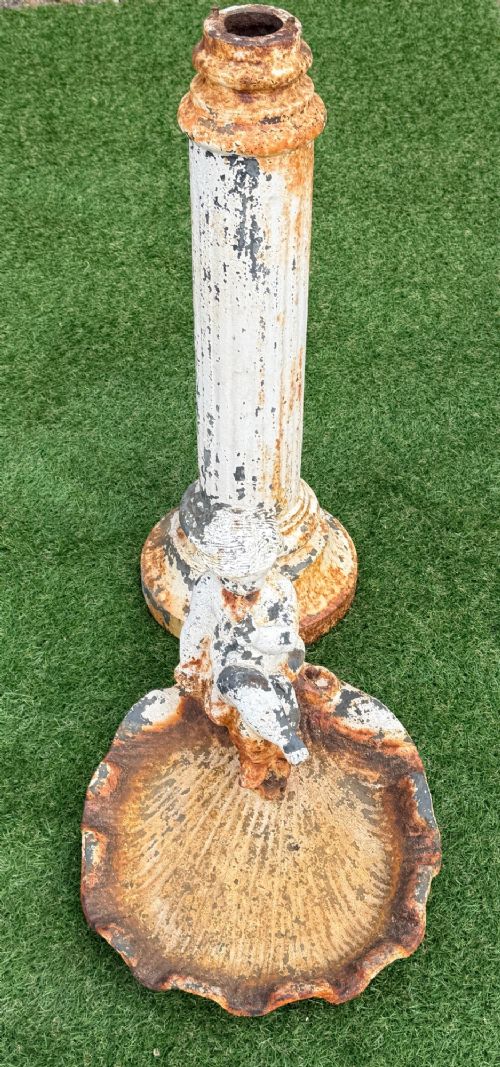
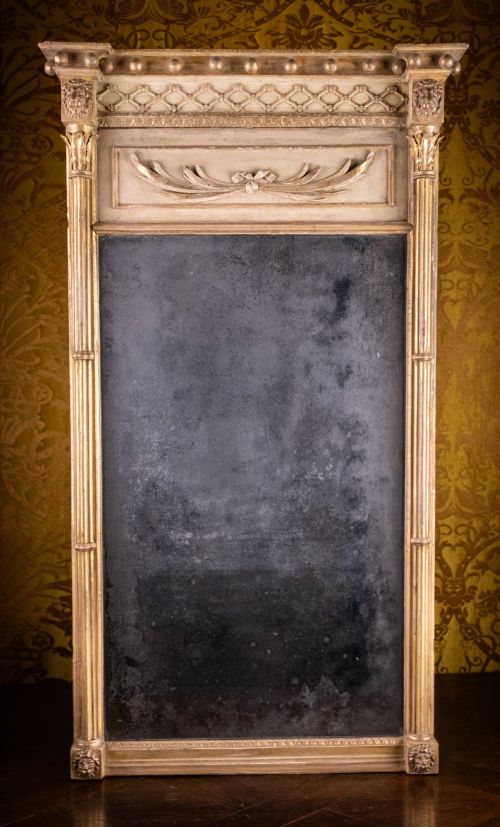
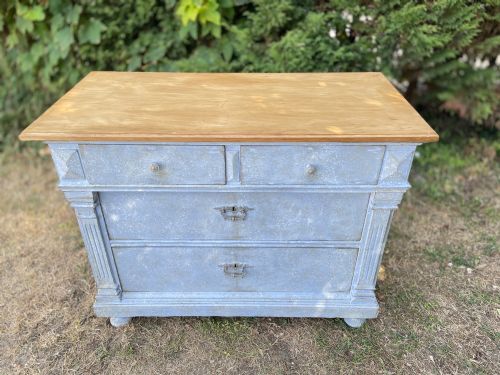


Painted Fluted Column
A painted fluted column offers architectural weight and painted surface charm, bringing classical proportions directly into domestic rooms.
Painted Fluted Column
A painted fluted column brings classical order and vertical rhythm into interior spaces, serving as a display support or a standalone architectural element. When searching for a painted fluted column, buyers typically encounter pieces fashioned from pine, wood, and stone, spanning periods from the nineteenth century into the twentieth.
The selections on this page draw from Victorian, Regency, and Neoclassical traditions, often appearing as pedestals, torcheres, or structural supports. These works originate from English, French, and Italian workshops, reflecting diverse regional interpretations of classical design.
Most examples rely on painted wood surfaces, sometimes enhanced with parcel gilt or gesso, aligning closely with French Country and Gustavian aesthetics. Buyers select these forms to elevate sculptures, urns, or lamps within period and eclectic interiors alike.
Materials and construction
Craftsmen typically shaped these supports from pine, oak, or other domestic timbers, turning the shafts on lathes to achieve precise vertical fluting. Stone and terracotta alternatives also appear in the record, formed through carving and moulding techniques suited to heavier structural or garden use.
Surface preparation involved applying gesso layers over timber before finishing with paint, often complemented by gold leaf highlights on capitals and plinths. This layered application protected the underlying wood while providing a smooth canvas for decorative paint effects.
Some nineteenth-century columns spent decades disguised under heavy twentieth-century gloss paint before conservators uncovered the original gilded details beneath.
Assessing craftsmanship and finish
Quality rests in the precision of the timber turning and the depth of the fluting, where sharp, clean channels distinguish superior examples from softer, worn work. The handling of the capital and base details reveals the carver's skill in translating stone classical architecture into wood.
The integrity and character of the painted surface dictate the visual success of the piece, with period-appropriate layering holding greater aesthetic weight than flat, modern repainting. Proportional harmony between the shaft, base, and capital ultimately separates standard utilitarian supports from exceptional decorative works.
The Painted Fluted Column Glossary
- Fluting
- The shallow, vertical parallel grooves carved into the shaft of a column. This decorative feature enhances the impression of height and classical proportion.
- Plinth
- The heavy square or rectangular slab forming the base of a column. It provides stability and visual grounding to the vertical structure.
- Gesso
- A plaster-like mixture applied to wood surfaces as a base for paint or gold leaf. It creates a smooth ground that accepts fine decorative detailing.
- Parcel Gilt
- A finishing technique where specific carved areas or details are selectively highlighted with gold leaf. This creates contrast against a painted or natural wood background.
Painted Fluted Column: Frequently Asked Questions
How were columns used historically?
These architectural elements served both structural roles in grand interiors and decorative functions as display stands for sculpture or lighting.
In domestic settings, smaller versions elevated ornaments or functioned as torcheres to illuminate dark corners.
Where should I place a column?
Columns work well in hallways, living rooms, or entrance spaces where their vertical form can break up large wall expanses.
They provide an ideal platform for displaying urns, plants, or art objects at eye level.
How do I identify the period?
Dating relies on observing tool marks, the composition of the underlying gesso, and the specific style of the carved capital.
Nineteenth-century examples often display hand-turned pine construction beneath layered historic paint finishes.
Are painted finishes original?
Many pieces retain historic or secondary paint layers that have aged with the timber beneath over decades of use.
Examining the wear patterns and the interaction between the paint and gesso helps determine the age of the surface.