



Fluted Wood Columns
Fluted wood columns bring classical proportion and rich timber grain to interiors, appearing across architectural salvage, torchers, and bookcases.
Fluted Wood Columns
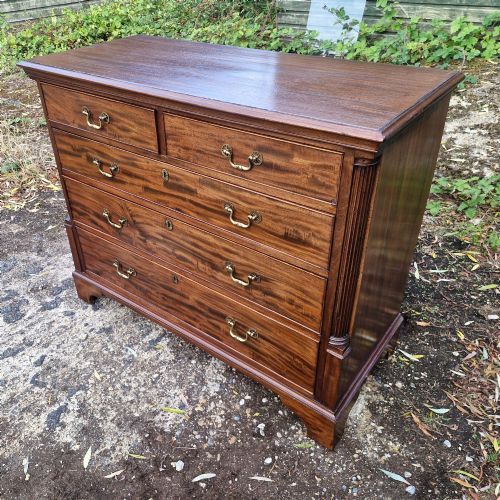
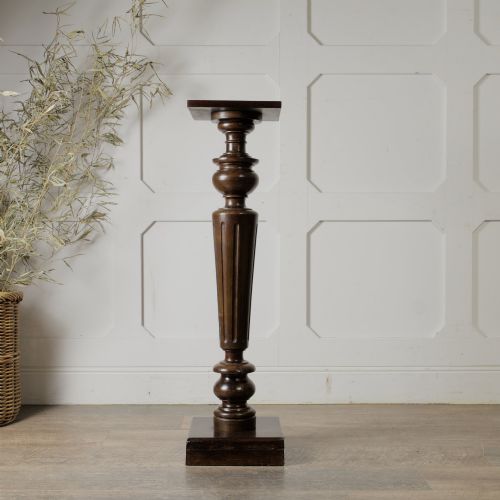
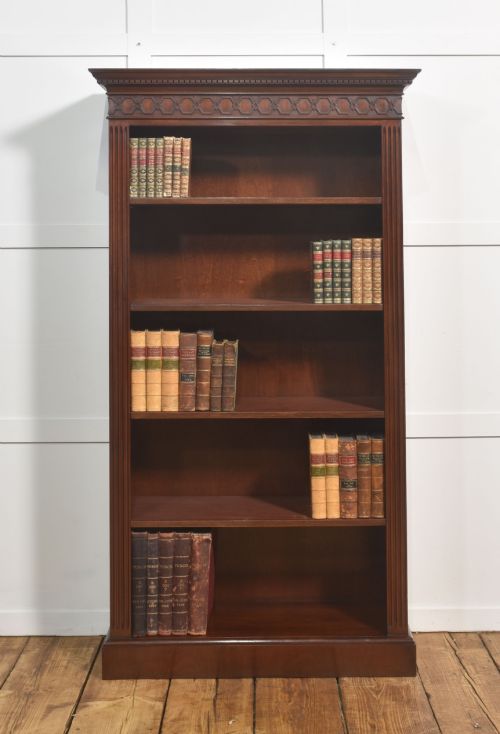
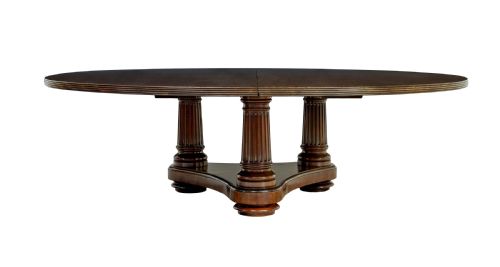
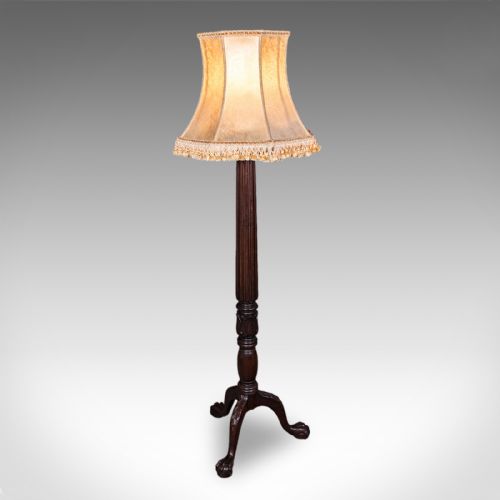
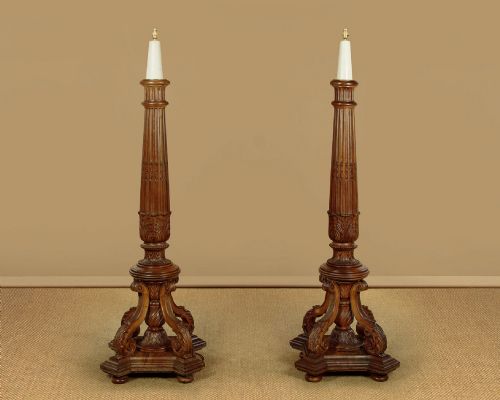
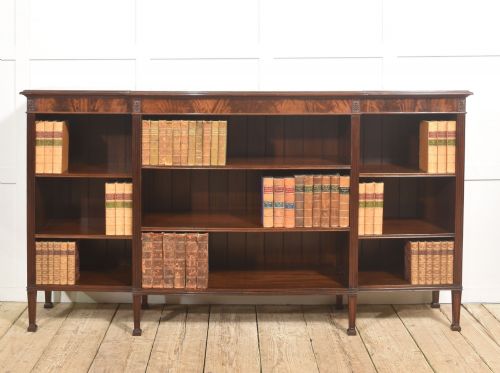
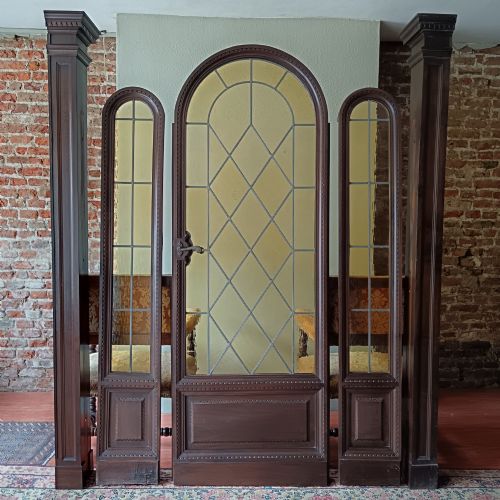
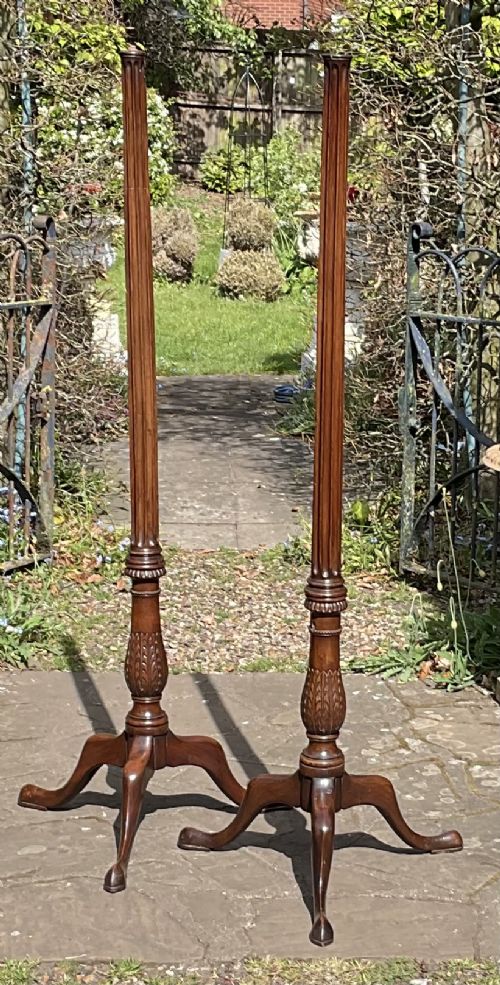
Fluted wood columns emerge within this selection as integral elements of architectural salvage, freestanding torchres, and grand bookcases. Buyers encounter these architectural supports integrated into antique furniture or presented as standalone decorative woodwork from various centuries.
The objects span Georgian, Regency, and Victorian periods, alongside later revival pieces. Mahogany and walnut dominate the timber selections, frequently accompanied by giltwood, gesso, and paint finishes that highlight the vertical channels.
Formats range from tall floor lamps and plant stands to monumental overmantel mirrors framed by fluted detailing. Each piece adapts classical orders to domestic settings, whether through solid timber construction or carved decorative elements.
What varies in quality
The distinction between standard items and exceptional examples lies in the crispness of the hand-carved flutes and the quality of the timber selection. Flame mahogany or figured walnut with strong grain patterns elevates an object far beyond plain painted or secondary woods.
Execution of the capitals and bases determines the overall refinement of the piece. Sharp, deeply undercut carving on Corinthian or neoclassical capitals reflects superior workshop standards compared to softer, more mechanically produced mouldings.
Listings demonstrate that mahogany remains the most common timber for fluted columns, supplemented by walnut, oak, and painted finishes across the nineteenth century.
The Fluted Wood Columns Glossary
- Flute
- A shallow vertical groove carved into the shaft of a column or pilaster. Multiple flutes run parallel down the length to create shadow and visual rhythm.
- Torchere
- A tall stand or floor lamp designed to hold a light source or decorative object. These slender wooden supports frequently incorporate fluted columns.
- Gesso
- A plaster-like mixture applied to wood surfaces as a base for gilding or painting. It provides a smooth ground that accepts gold leaf and intricate detail work.
- Neoclassical
- A style spanning the eighteenth and nineteenth centuries that revives classical Greek and Roman motifs. Architectural columns form a central component of this design vocabulary.
- Capital
- The uppermost member of a column that serves to mediate between the shaft and the load. Carved details like acanthus leaves often decorate this section.
Fluted Wood Columns: Frequently Asked Questions
What are fluted wood columns?
Fluted wood columns are vertical structural or decorative supports featuring parallel carved hollows running down their shafts. They appear in antique inventories as parts of bookcases, overmantel mirrors, and freestanding torchres.
These items draw from classical architectural traditions, translating stone building techniques into domestic timber furnishings across the Georgian, Victorian, and Edwardian eras.
How were these columns used?
Historic interiors utilised these elements both to support architectural loads in doorways and to elevate decorative objects like urns and busts. Freestanding versions served as plant stands or standard lamps.
In furniture design, smaller fluted columns functioned as framing devices for side cabinets, bookcases, and pier mirrors, adding depth and structural rhythm to the piece.
How do I live with antique columns?
Integrating these pieces into modern rooms works best by placing them as focal points in corners or using them to frame entryways and fireplaces. Their vertical lines draw the eye upward and add architectural weight to plain walls.
Maintenance requires simple dusting with a dry cloth and occasional application of appropriate wood wax to preserve the finish of timbers like mahogany and walnut.
How do I tell periods apart?
Differentiating periods relies on observing wood choices, carving depth, and stylistic markers such as neoclassical restraint versus Victorian exuberance. Georgian pieces tend to show dense, dark mahogany with precise, sharp hand-carving.
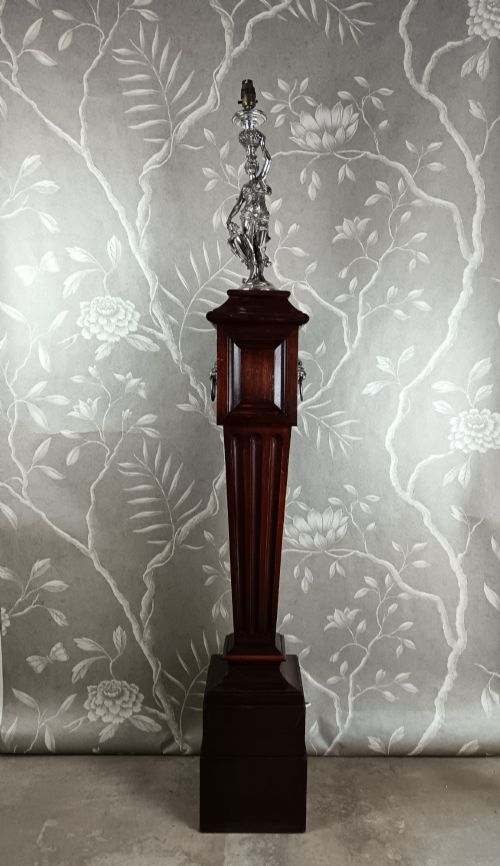
Later Victorian and Edwardian examples often introduce mixed materials like brass and silver-plated mounts, or employ revival styles that reinterpreted earlier eighteenth-century designs with heavier proportions.