
Mahogany Column Pedestals
Mahogany column pedestals are architectural supports and display stands designed to elevate sculpture, lighting and plants within a traditional interior.
Mahogany Column Pedestals
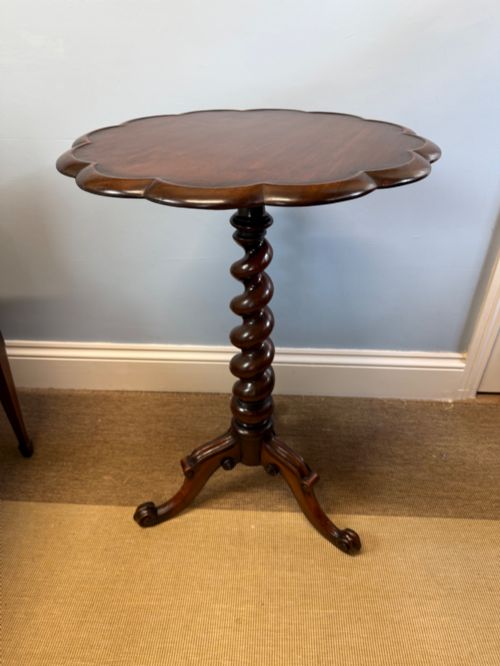
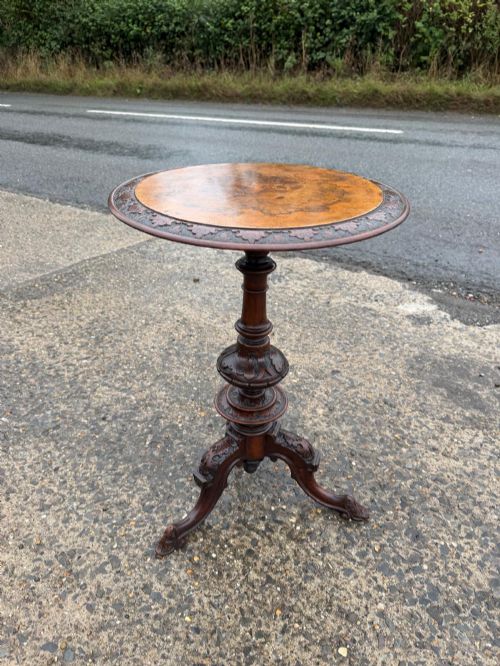
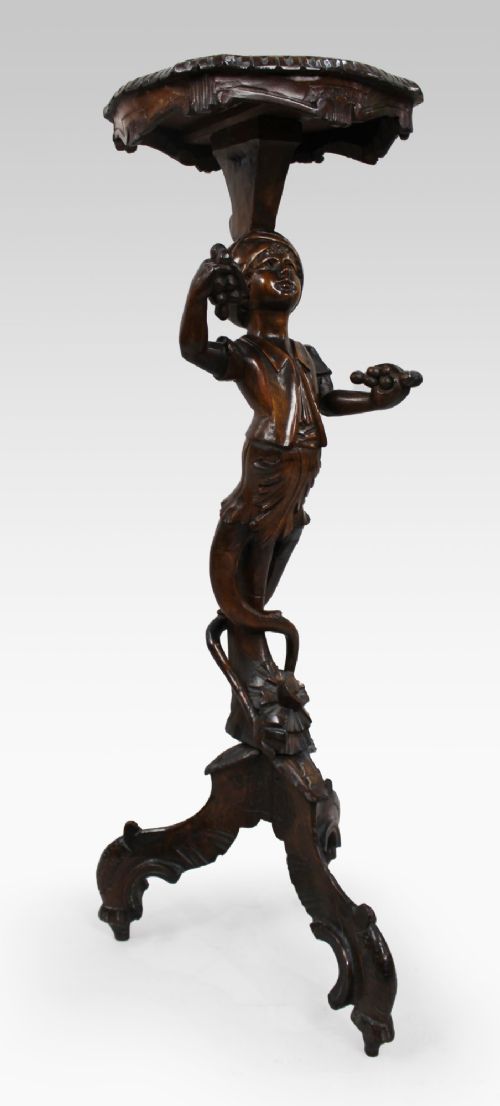
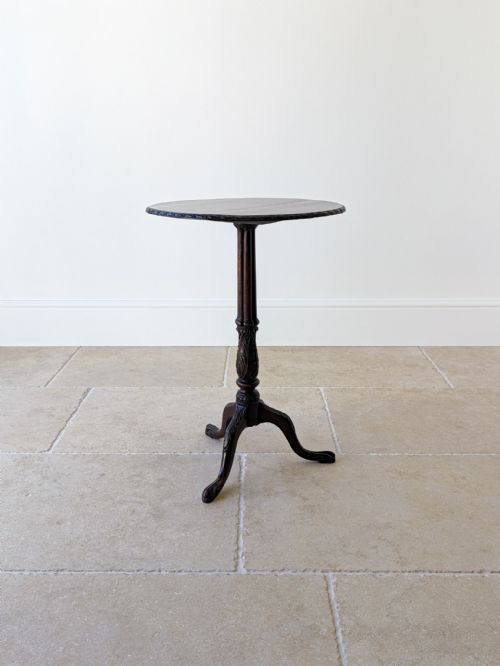
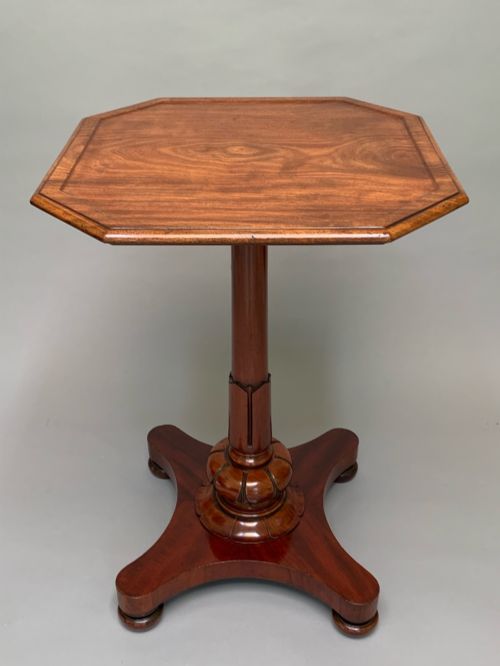
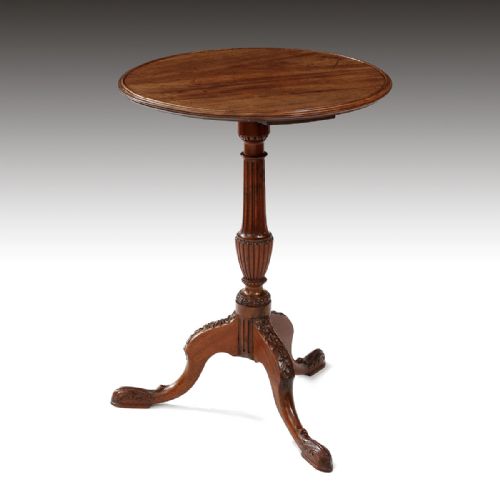
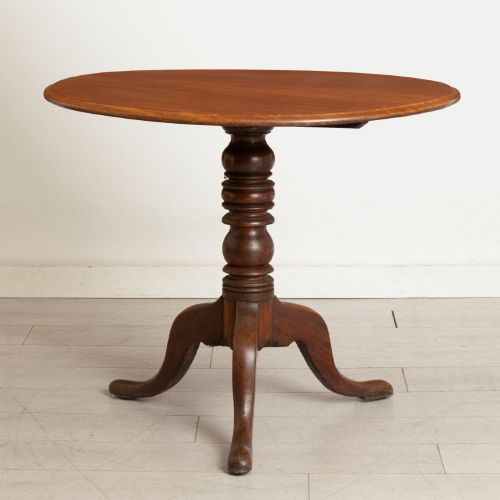
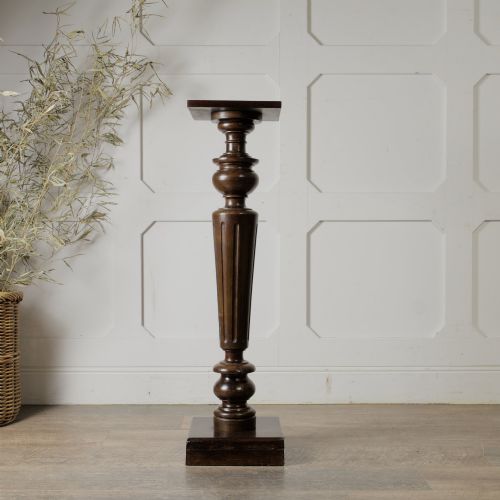
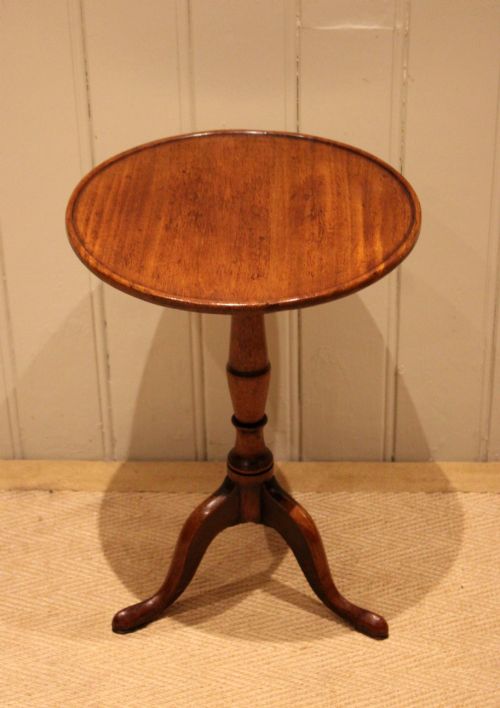
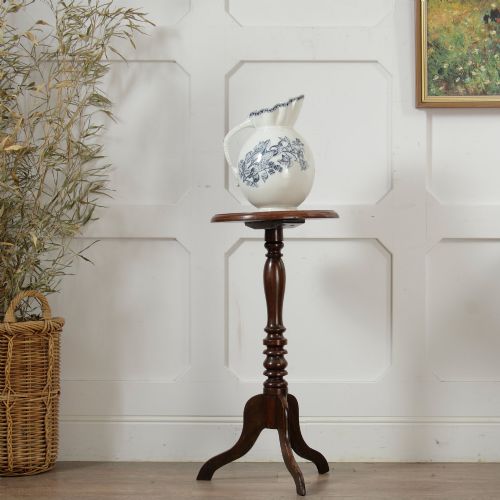
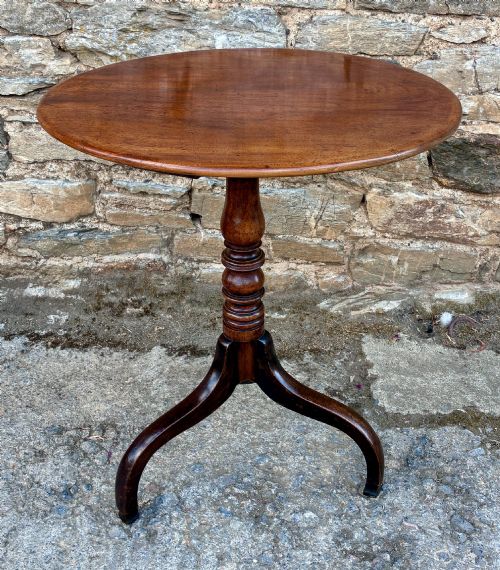
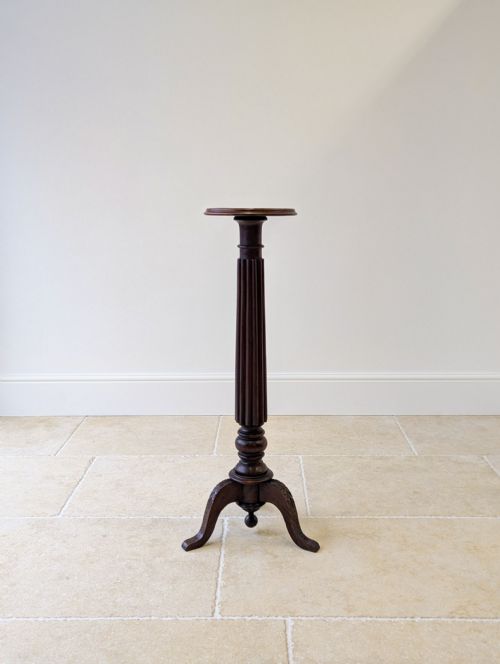
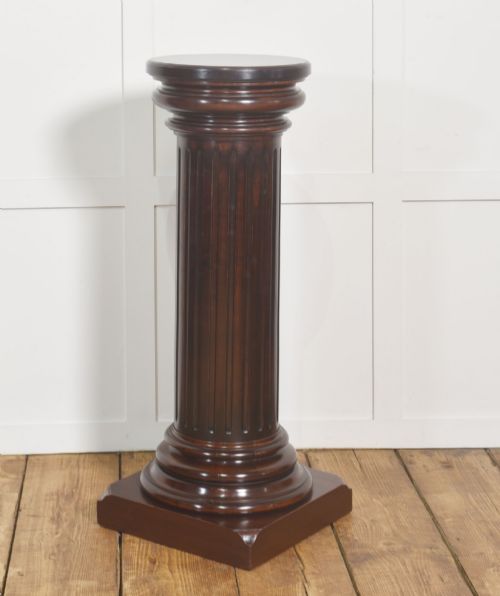
Mahogany column pedestals appear primarily as tall plant stands, torcheres, and classical plinths designed to display ornaments or support lighting within a room. You will most frequently encounter Victorian, Edwardian, and nineteenth-century examples fashioned as slender vertical columns or tripod-based stands.
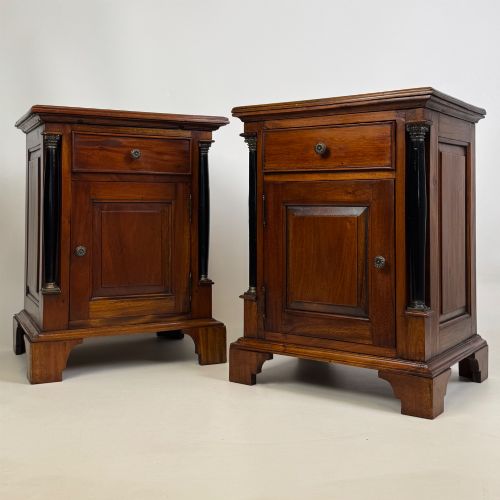
The form adapts to various domestic functions, serving variously as torchere lamp stands, display columns, and occasional plant pedestals. Pieces range from plain turned wooden shafts to carved architectural pillars augmented with brass, marble, or boxwood inlay.
Origins span Georgian, Regency, and later revival periods, bringing distinct proportions and decorative vocabulary to the market. The listings demonstrate a heavy concentration of nineteenth-century manufacture alongside early twentieth-century interpretations.
How they were made
Cabinetmakers constructed these supports using solid mahogany and figured veneers such as flame mahogany or burr wood over a secondary timber. Turning on a lathe formed the central columns and spiral twists, while hand-carving shaped the capitals, bases, and tripod legs.
Makers integrated contrasting materials to elevate the visual weight, incorporating inset grey marble tops, brass mounts, and delicate boxwood stringing. French polishing finished the surfaces to highlight the rich natural grain and deep reddish-brown tone of the wood.
Material combinations on this site include brass mounts, inset grey marble tops, and contrasting boxwood stringing set into rosewood and burr wood.
What varies in quality
Quality rests in the architectural proportion of the column and the crispness of any hand-carved detailing on the capital and feet. Superior examples display carefully selected timber with active grain patterns rather than flat, uniform stock.
Construction integrity dictates long-term stability, particularly where slender shafts meet heavy bases or tripod feet. Higher-grade pieces maintain rigid joints and balanced weight distribution without relying on heavy modern reinforcement.
Gillow·George Smith·Thomas Hope·WMF
The Mahogany Column Pedestals Glossary
- Torchere
- A tall, slender stand designed specifically to support a candle, lamp, or small decorative object. These pieces frequently feature elevated platforms supported by tripod legs or weighted classical columns.
- Gueridon
- A small French-style table or stand, often featuring a circular marble top supported by a central column. Originating in the seventeenth century, the form remained popular through the Victorian era for display purposes.
- Tilt-top table
- A table equipped with a mechanism allowing the horizontal surface to pivot vertically when not in use. This clever design saved floor space in smaller domestic rooms.
- Boxwood inlay
- Narrow strips of pale yellowish boxwood inserted into grooves within the darker mahogany surface. Artisans utilised this technique to create geometric lines and delicate contrasting borders.
- Tripod base
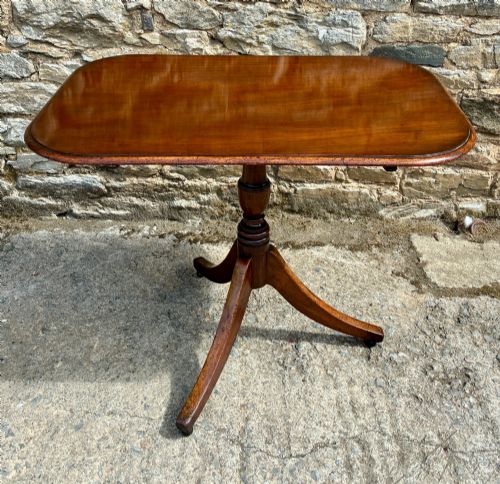
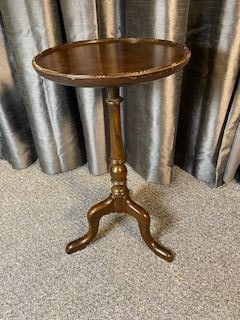
- A three-legged support structure commonly found on nineteenth-century tables and stands. The triple configuration ensures stability on uneven historical floors.
Mahogany Column Pedestals: Frequently Asked Questions
How do I tell a Regency pedestal from a Victorian one?
Regency pieces generally exhibit cleaner classical lines influenced by Greek and Roman antiquities, often incorporating bronze mounts, reeded columns, and austere geometric forms. Timber selection leaned heavily toward figured flame mahogany with minimal surface carving.
Victorian examples tend to display heavier proportions, more elaborate foliage carving, and darker finishes. You will frequently find spiral twist columns, heavily moulded bases, and decorative inlays emerging in pieces dated after the mid-nineteenth century.
Are these pedestals stable enough for modern lamps?
Most antique columns and tripod stands provide adequate stability for standard table lamps and decorative objects. The heavy mahogany construction and wide bases are engineered to support vertical weight safely.
Heavier marble-topped variants offer extra security due to their low centre of gravity. However, tall tripod stands require careful placement away from active walkways to prevent accidental tipping.
How should I care for mahogany surfaces?
Protect the timber by keeping pedestals away from direct sunlight, central heating vents, and rapid humidity changes that cause wood to shrink or split. Dust regularly with a dry, soft cloth to prevent abrasive particle buildup.
Apply a traditional beeswax polish sparingly once or twice a year to maintain the lustre of the French polished finish. Avoid using modern silicone sprays, which can penetrate historic wood finishes and create sticky residue.