


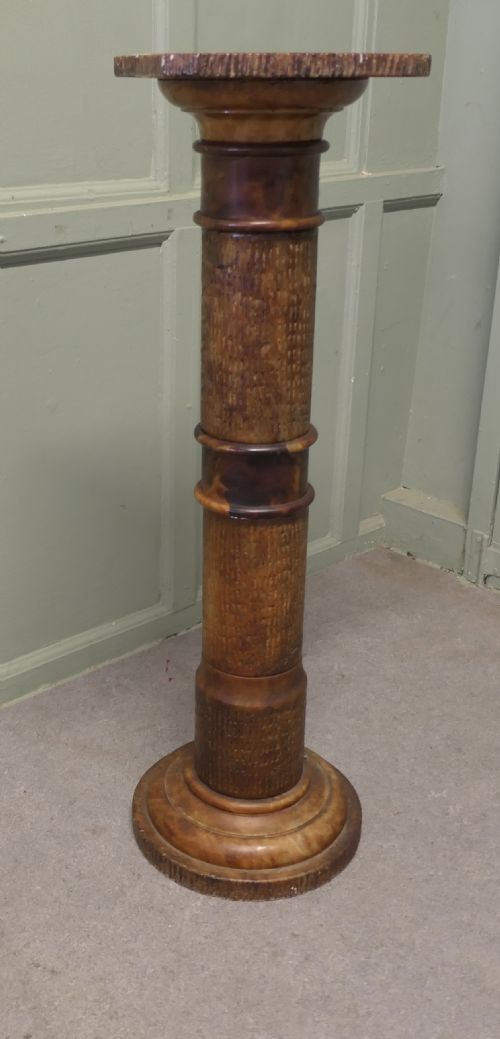
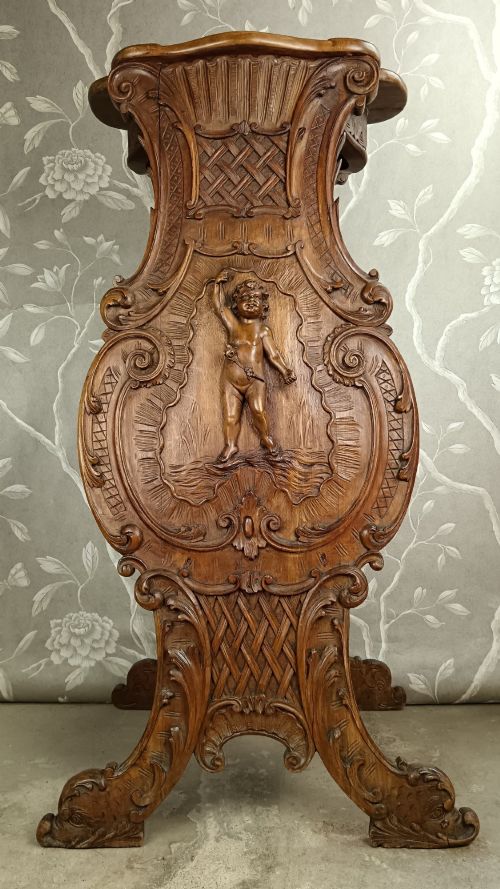
Antique Plinth Stand
An antique plinth stand elevates sculpture, ceramics and urns, bringing height and architectural presence to interiors and gardens.
Antique Plinth Stand
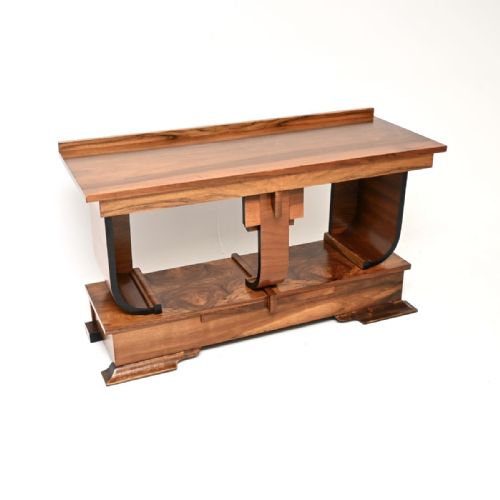
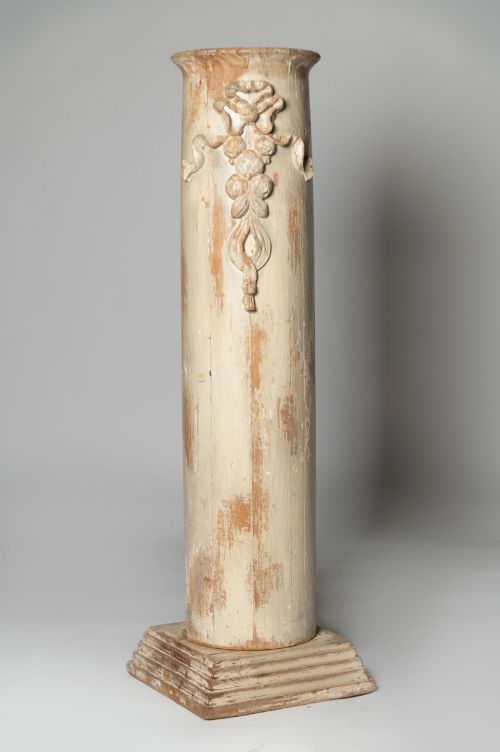
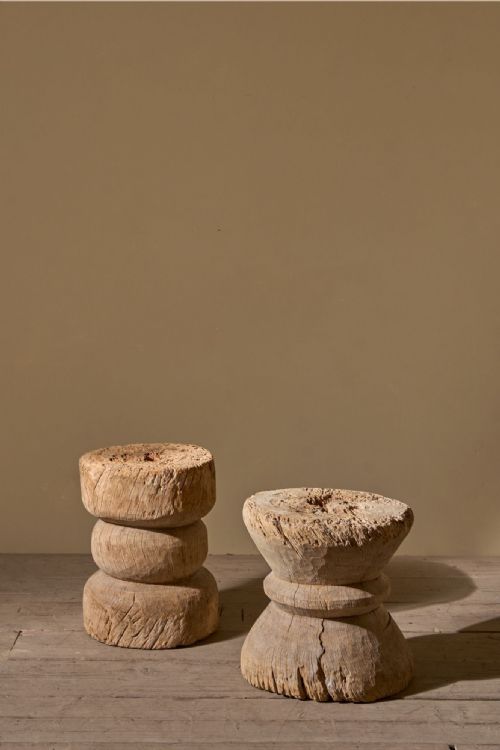
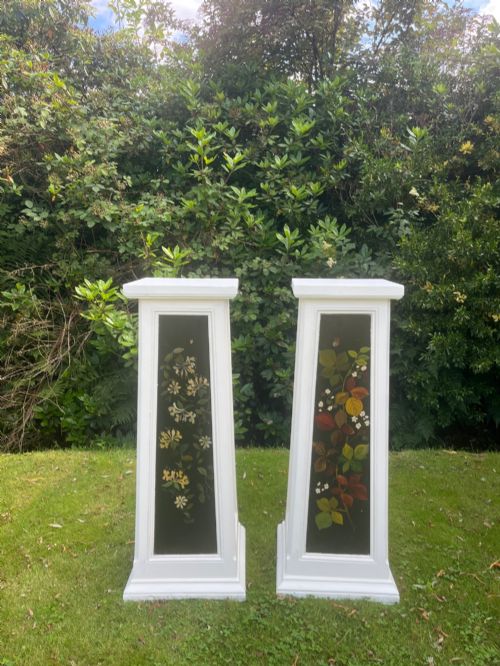
The search for an antique plinth stand uncovers columns, pedestals and display bases drawn from the eighteenth, nineteenth and early twentieth centuries. These pieces emerge in styles ranging from Neoclassical and Victorian to Edwardian and Art Deco, reflecting varied historical revivals.
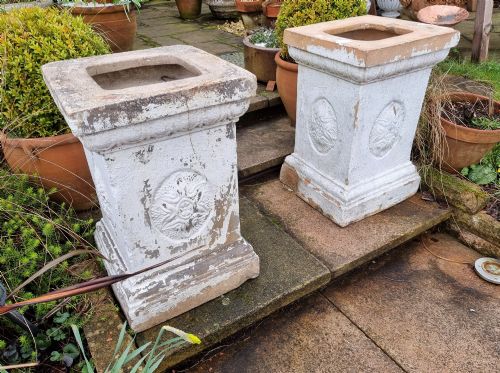
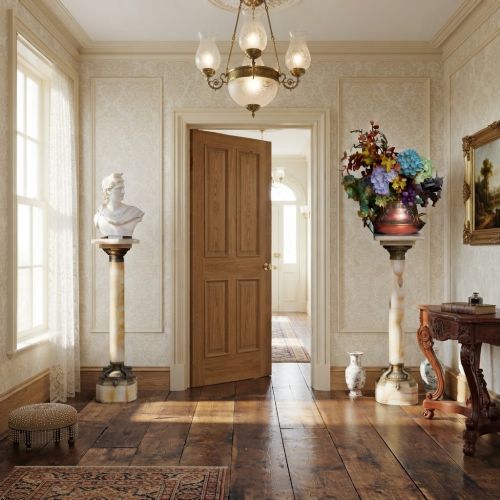
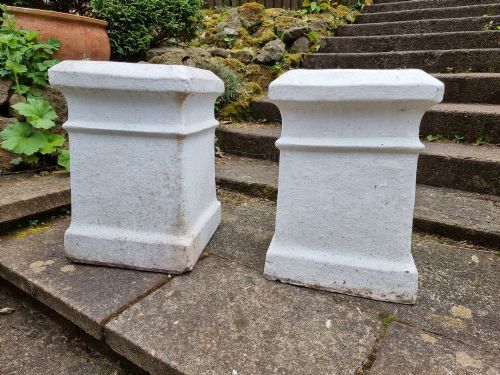
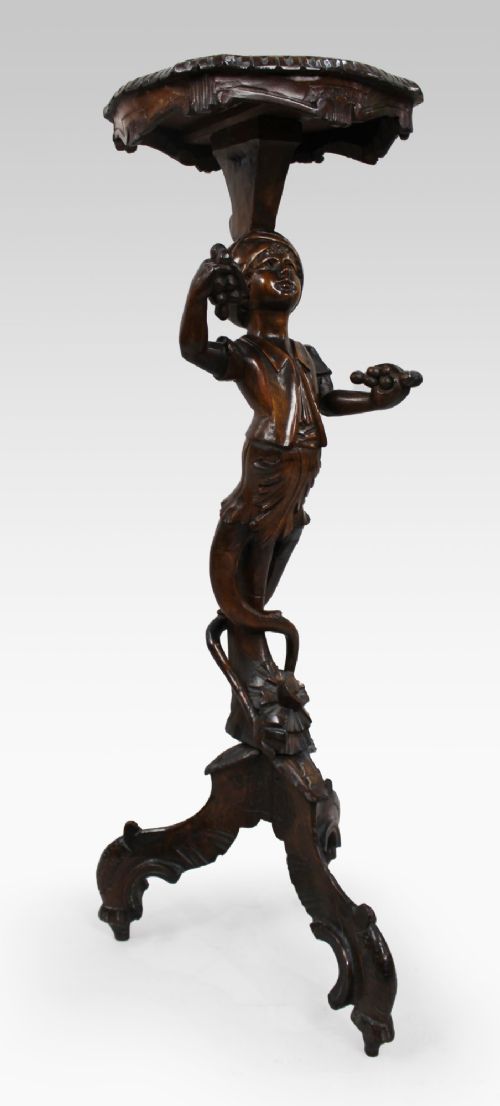
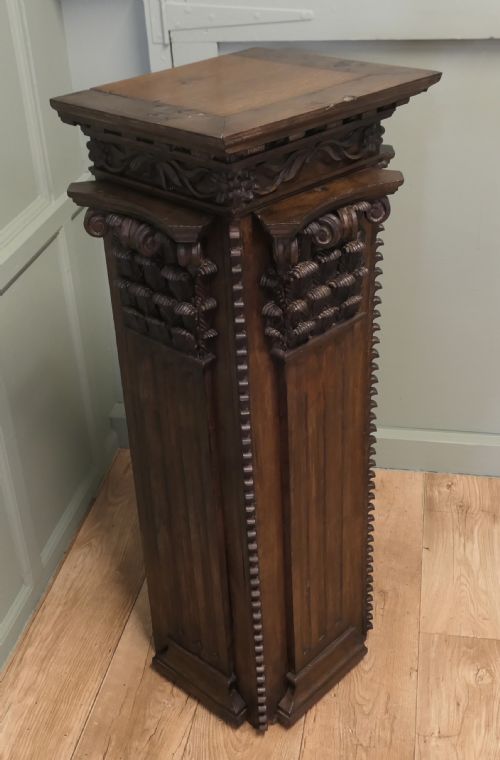
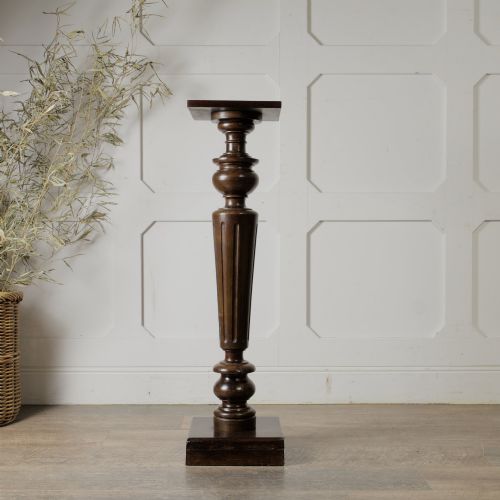
Buyers most frequently encounter tall column pedestals and display stands designed to support busts, bronzes and decorative plants. Materials span carved hardwoods, natural stone and painted terracotta, originating from British, French, Italian and Swedish workshops.
Domestic interiors rely on timber columns and marble shafts, whilst sturdier cast iron and composite stone versions serve gardens and porticos. Domestic display surfaces range from compact walnut stands to elaborate architectural fragments.
Build and Material Selection
Quality rests upon the selection of materials, separating solid marbles and finely grained hardwoods from painted substitutes and composite stones. The choice of rich stones like Verde Antico, Bardiglio and Carrara indicates ambitious workshops.
The execution of carved detail defines the standard of a column or plinth, distinguishing crisp acanthus leaves and precise fluting from softer, less defined moulding. Structural integrity in heavier stone and iron assemblies ensures stable support for sculptures.
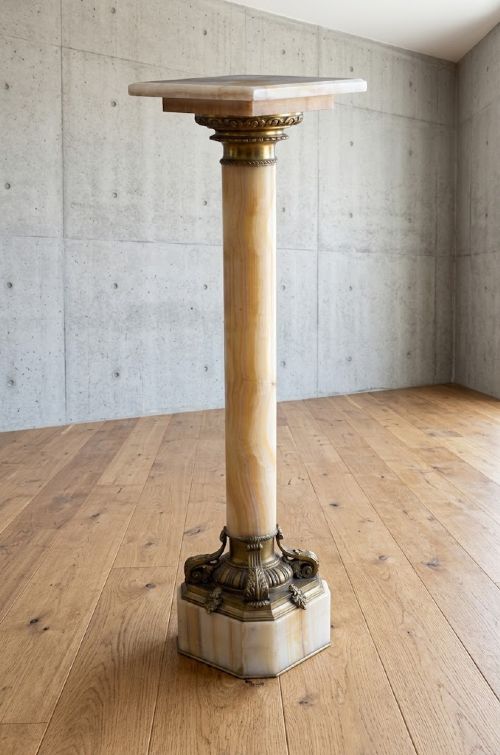
Materials include onyx, scagliola, silver plate, birch and ebonised wood across Victorian and Georgian periods.
Dunfermline Clay Company·Gillow & Co.
The Antique Plinth Stand Glossary
- Plinth
- A heavy base supporting a statue, column or vase. It provides a stable foundation and visually grounds elevated objects.
- Ormolu
- Gilt bronze mounts applied to furniture and stone columns. This decorative brass alloy adds metallic contrast to marble and timber.
- Scagliola
- A composite material made from selenite, glue and pigments, mimicking natural marble. Craftsmen embedded and polished this mixture to create decorative columns.
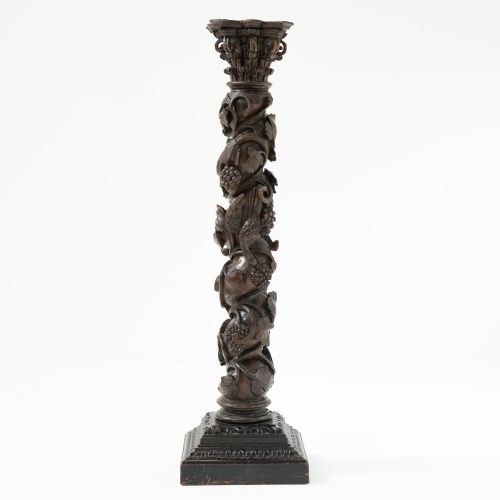
- Solomonic
- A column shaft twisted into a helical spiral. This dynamic form appears in carved timber furniture and architectural supports.
- Campana
- A bell-shaped garden urn or vessel. These classical forms frequently sit atop matching stone or iron plinths.
Antique Plinth Stand: Frequently Asked Questions
How do I choose the right height for a display stand?
Consider the scale of the room and the height of the object intended for the top. Taller columns suit larger sculptures, whilst lower stands work best for heavy bronzes or urns.
Ensure the top surface dimensions comfortably accommodate the base of the item you plan to display without overhang.
Are these stands suitable for outdoor use?
Cast iron, terracotta, limestone and composite stone versions withstand garden environments and patio settings. These materials weather naturally when exposed to the elements.
Timber, onyx and polished marble stands require indoor placement to protect sensitive finishes and natural stones from moisture.
How do I identify a Neoclassical style stand?
Neoclassical pieces draw inspiration from ancient Greek and Roman architecture, featuring clean lines, fluted columns and restrained ornamentation. You will often see motifs such as acanthus leaves and architectural capitals.
These designs gained popularity during the eighteenth and nineteenth centuries, often utilising white or variegated marble.