
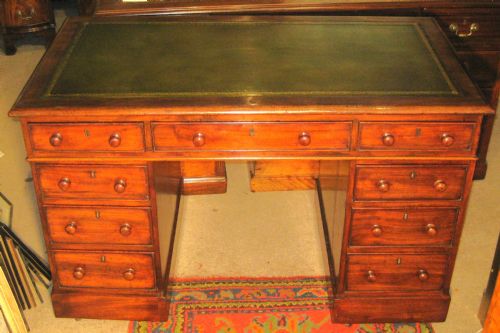
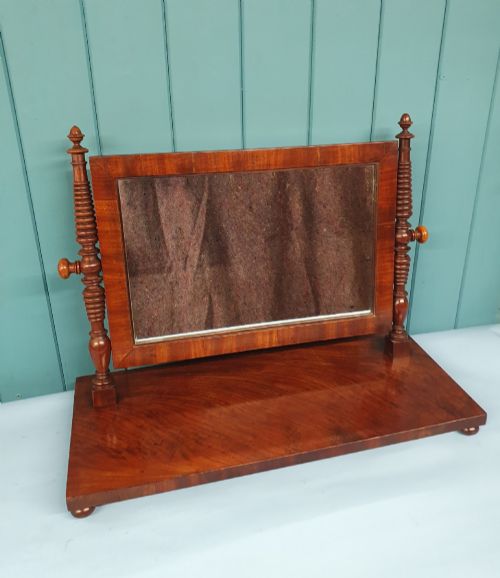
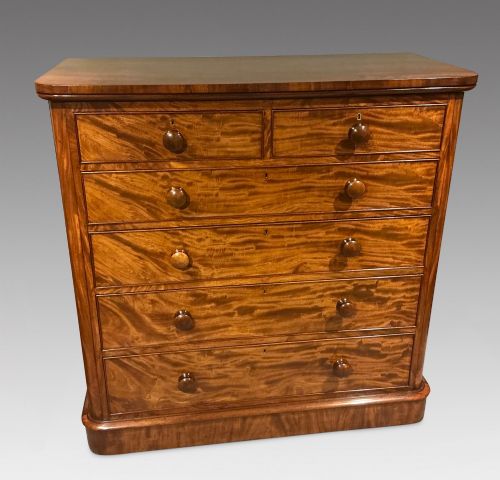
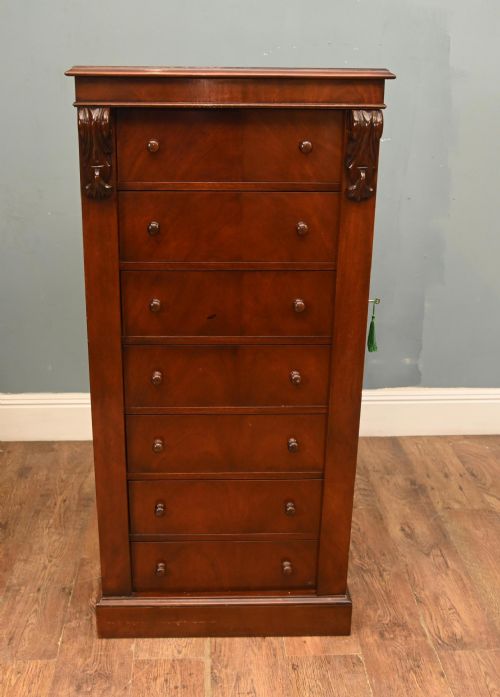
Mahogany Plinth Base
These mahogany plinth base pieces bring solid grounding and rich timber tones to rooms through chests, bookcases and desks.
Mahogany Plinth Base
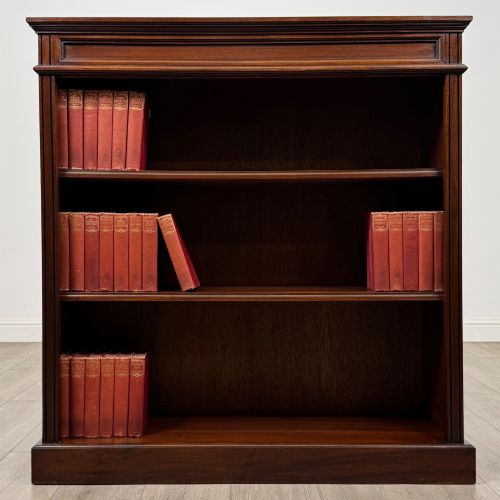
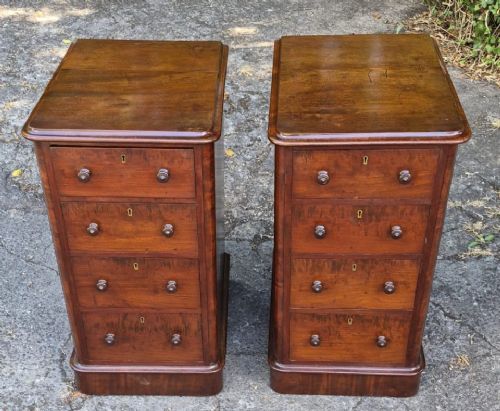
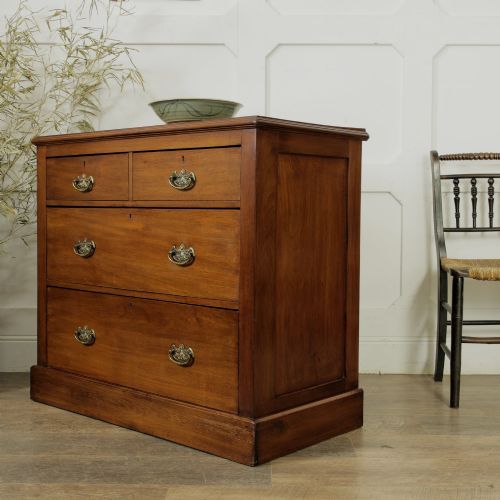
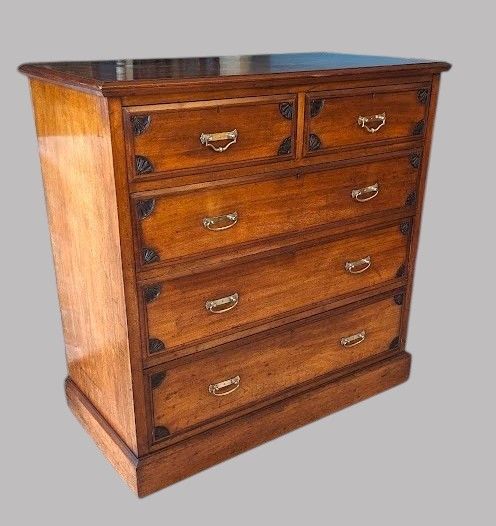
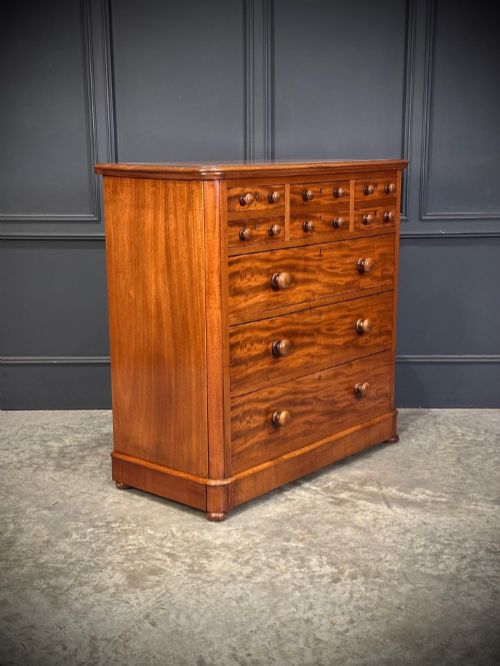
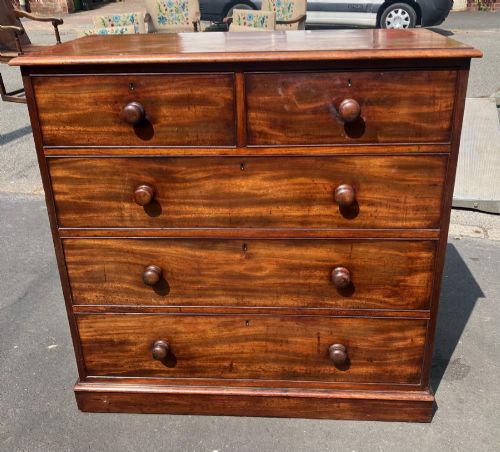
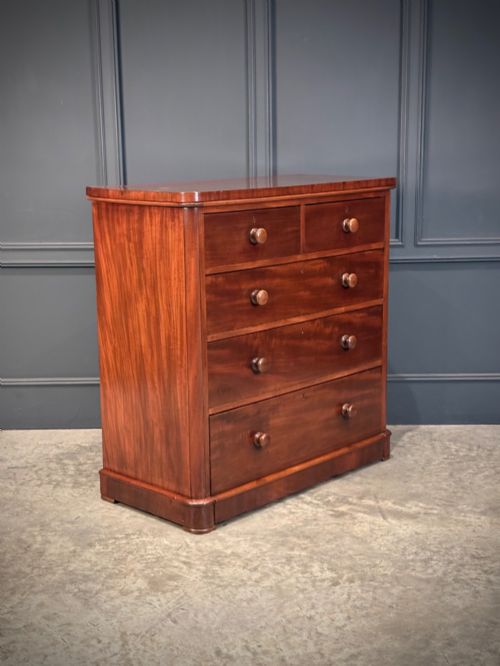
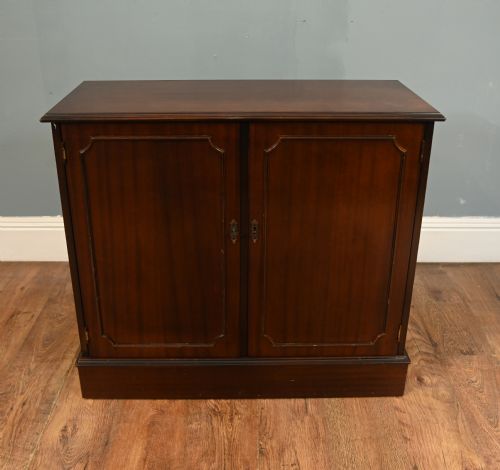
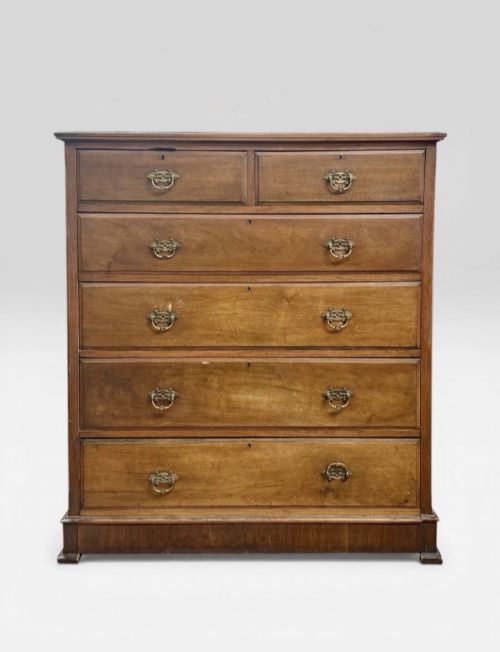
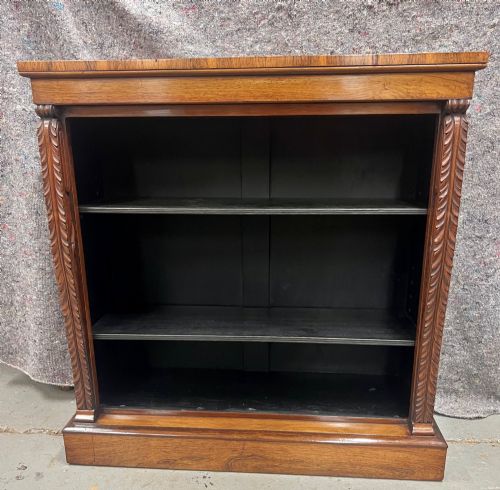
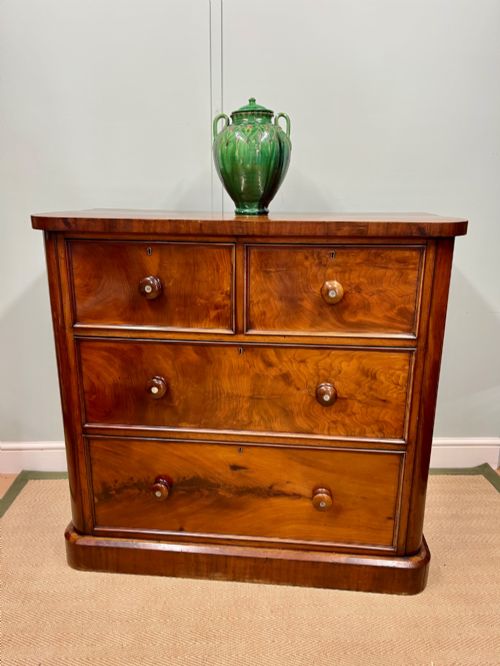
A mahogany plinth base typically anchors substantial furniture such as chests of drawers, bookcases, desks and cabinets. You will most frequently encounter Victorian and nineteenth-century examples resting firmly on these low, solid wooden footings.
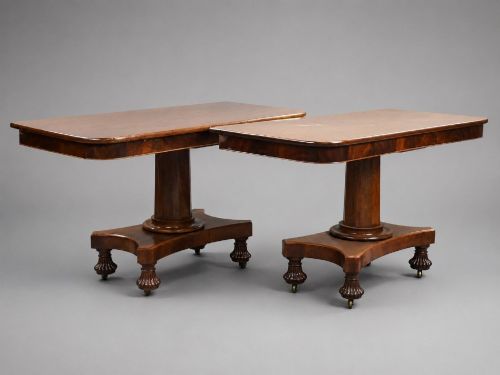
The form spans functional storage items like Wellington chests and sideboards alongside display pieces including open bookcases and console tables. These items utilise the flat, continuous foundation of a plinth to distribute weight and create a grounded silhouette.
Originating largely from Victorian, William IV, Regency and Edwardian periods, the selection demonstrates how cabinet makers favoured this sturdy base style for heavy timber furniture. The solid foundation complements the deep reddish-brown grain characteristic of the timber.
What varies in quality
Quality rests in the selection of timber, particularly where figured flame mahogany veneer or rich solid boards display natural depth and movement. Superior construction shows in the seamless integration of the plinth base to the main body of the furniture.
A Victorian shoe box cabinet shows that even footwear storage received the serious architectural dignity of a solid timber carcase.
Mawer & Stephenson·Holland & Sons·Freeman
The Mahogany Plinth Base Glossary
- Plinth base
- A solid, flat architectural foundation supporting the lower section of a piece of furniture. It replaces traditional feet with a continuous block that grounds the design.
- Flame mahogany veneer
- A decorative wood slicing showing a fiery, flame-like grain pattern. Craftsmen applied this thin layer over stable base woods to create striking visual movement.
- Wellington chest
- A tall, slender chest of drawers secured by a hinged locking stile on one side. This form frequently terminates in a sturdy plinth base at floor level.
- Pedestal desk
- A large writing table supported by two banks of drawers forming pedestals. These often incorporate a plinth base beneath each column for added stability.
- Breakfront
- A piece of furniture where the central section projects forward from the flanking wings. This architectural layout adds depth to sideboards and bookcases.
Mahogany Plinth Base: Frequently Asked Questions
What is a plinth base?
A plinth base is a flat, solid wooden foundation that sits directly on the floor at the bottom of a piece of furniture. It provides a heavy, grounded look and replaces individual legs.
This form of construction is common on nineteenth-century chests of drawers and bookcases where stability is essential for heavy timber.
How do I clean mahogany furniture?
Maintenance requires only a soft, dry cloth to remove dust from the polished surfaces. Avoid modern silicone sprays which can damage the aged timber.
Applying a traditional beeswax periodically helps nourish the grain and maintain the natural lustre of the wood.
Are these pieces strictly Victorian?
While the majority date from the Victorian era, the selection includes Georgian, William IV, Regency and Edwardian pieces. Cabinet makers used the plinth base across multiple design movements through the nineteenth and early twentieth centuries.
Stylistic details like brass handles and secondary woods help distinguish between these overlapping periods.
Where should I place a plinth base cabinet?
These solid units suit rooms with enough space to accommodate their substantial weight and grounded visual presence. Bookcases and chests work well against main walls where the flat base meets the floor evenly.
Ensure the floor surface is level so the heavy carcase rests squarely on the timber plinth.