

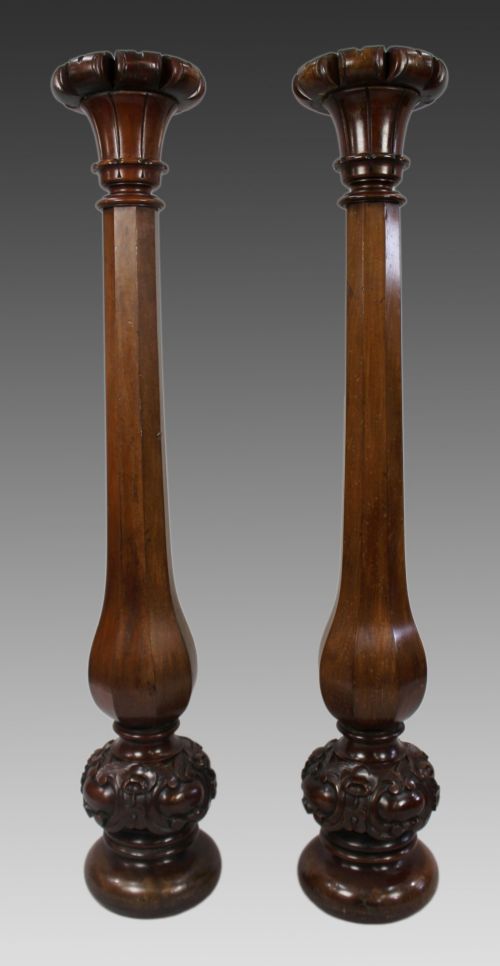

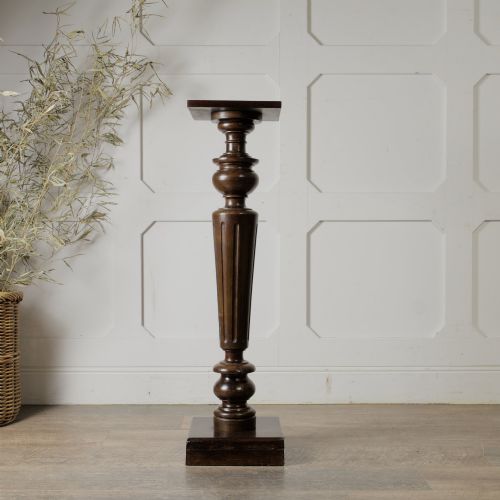


Mahogany Sculpture Plinth
A mahogany sculpture plinth elevates your collection with classical presence, offering solid timber construction and refined proportions suited for display.
Mahogany Sculpture Plinth
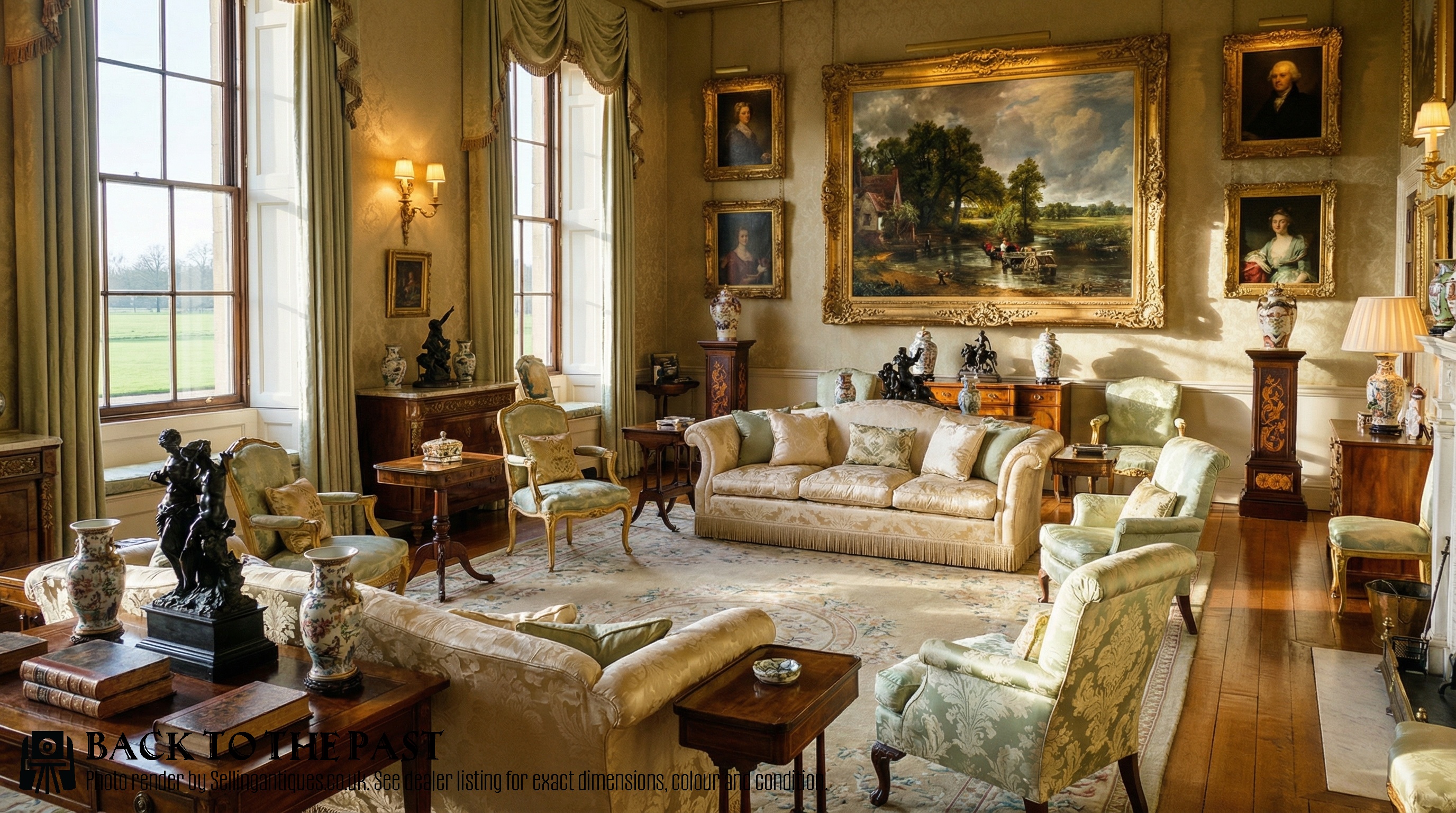
A mahogany sculpture plinth serves to elevate decorative objects, figures, and lamps within a room. When you examine a mahogany sculpture plinth on this page, you encounter pieces originating from the nineteenth and early twentieth centuries, spanning Victorian, Georgian, and Edwardian periods.
The forms vary between turned columns, cylindrical stands, and square pedestal cabinets. Many examples incorporate contrasting materials like marble tops or brass details alongside the primary timber.
Makers designed these supports in classical revival, neoclassical, and Chippendale revival styles. These historic furnishings function as stable platforms for heavy sculptures and display items.
Construction and materials
Cabinet makers utilised solid mahogany, mahogany veneer, and grain-painted pine to build these robust stands. Selected pieces combine timber with cast iron and statuary marble surfaces.
Joinery methods include turned wood construction, carved wooden sections, and integrated secret compartments found within specific nineteenth-century cabinets.
Mahogany Sculpture Plinth Retail Price Guide 2026
Typical asking prices for mahogany sculpture plinth among the pieces listed under this phrase on Sellingantiques today, from the lower quarter to the upper quarter. They describe what is for sale here now, not the wider market.
One nineteenth-century pedestal hides a secret compartment, offering a discreet place to store valuables beneath your sculpture.
Judging quality in pedestals
Superior quality rests in the density of the hardwood, the precision of the turning, and the integration of secondary materials such as statuary marble tops. Weight distribution remains essential for supporting heavy sculptures safely.
Finer examples display crisp neoclassical carving and well-figured mahogany grain rather than plain painted surfaces. The structural integrity of the central column determines the overall calibre of the stand.
The Mahogany Sculpture Plinth Glossary
- Plinth
- A heavy base supporting a statue, vase, or column. These supports elevate display items to eye level.
- Pedestal
- An upright architectural support or stand used to exhibit sculpture or decorative lamps. They appear in cylindrical, square, and column forms.
- Neoclassical
- A style drawing inspiration from classical antiquity, characterised by formal symmetry and restrained ornamentation. It appears frequently in nineteenth-century furniture design.
- Turned
- Shaped on a lathe to create symmetrical circular profiles along a column or base. This technique defines many nineteenth-century stands.
- Veneer
- A thin layer of superior timber applied over a secondary wood base. This method created decorative surfaces on period display furniture.
Mahogany Sculpture Plinth: Frequently Asked Questions
How do I choose the right height?
Consider the height of the sculpture or lamp you intend to place on top. Taller columns suit larger rooms, while compact cylinders fit smaller display areas.
Ensure the top surface matches the base dimensions of your object for stability.
Can these stands support heavy bronze figures?
Many nineteenth-century examples were built specifically to hold heavy metal sculptures and marble busts. Solid mahogany and hardwood constructions provide the necessary weight capacity.
Check the base width and overall balance before placing heavy items.
How do I care for antique mahogany timber?
Dust the surface regularly with a soft, dry cloth to protect the polished wood finish. Avoid placing timber stands near direct heat sources or strong sunlight.
Apply quality beeswax sparingly when the wood requires nourishment.