
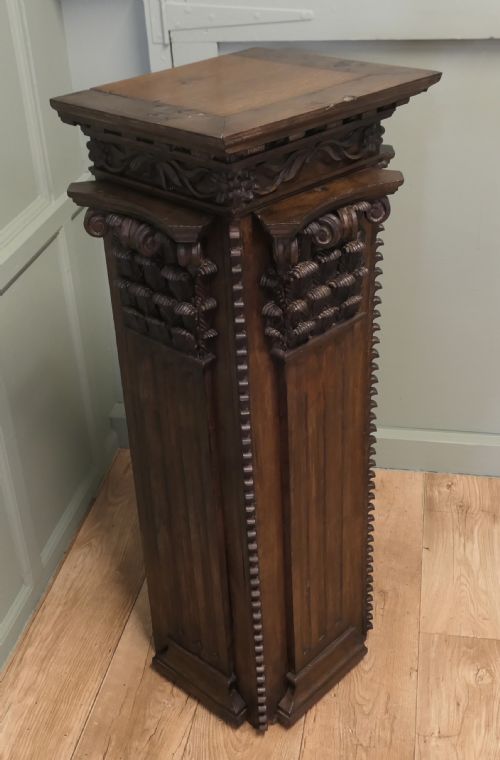
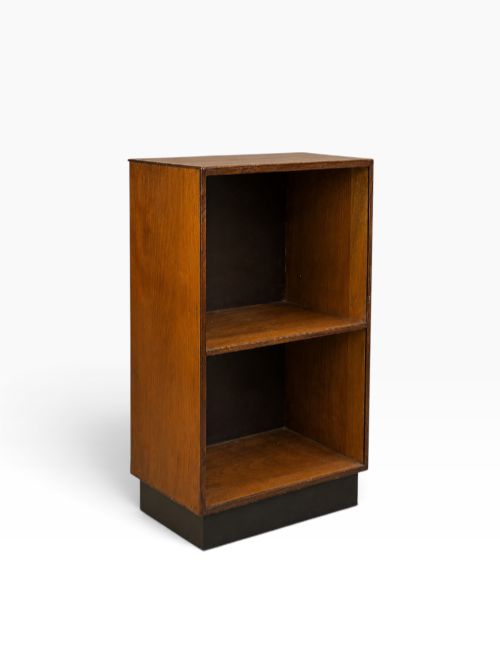
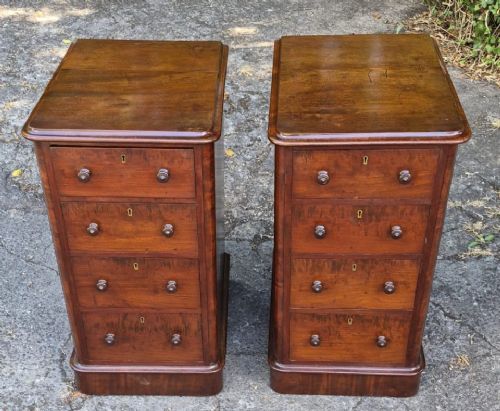
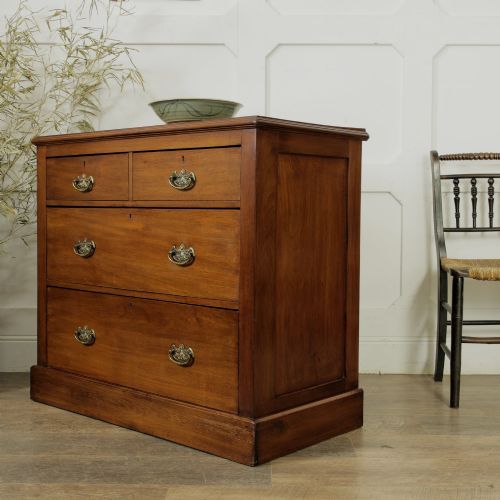


Brown Wood Plinths
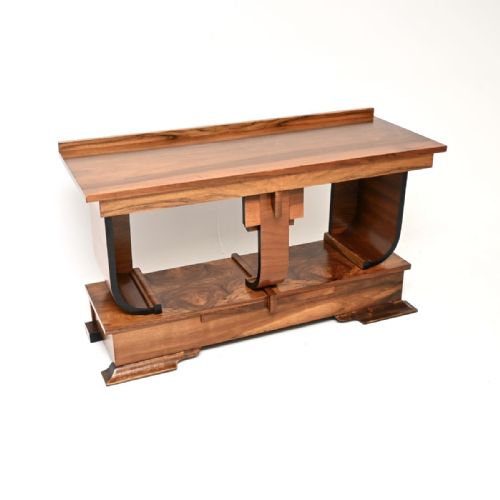
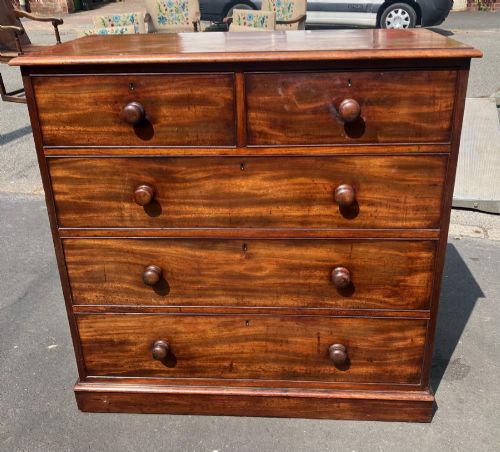
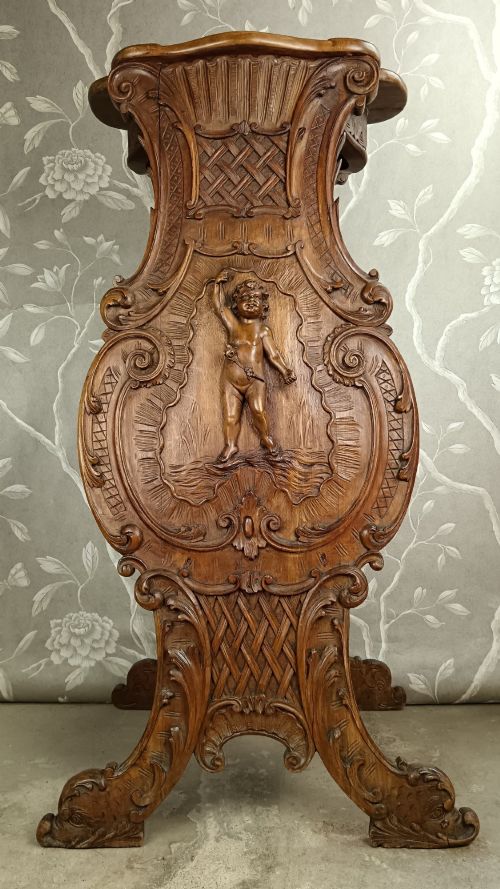
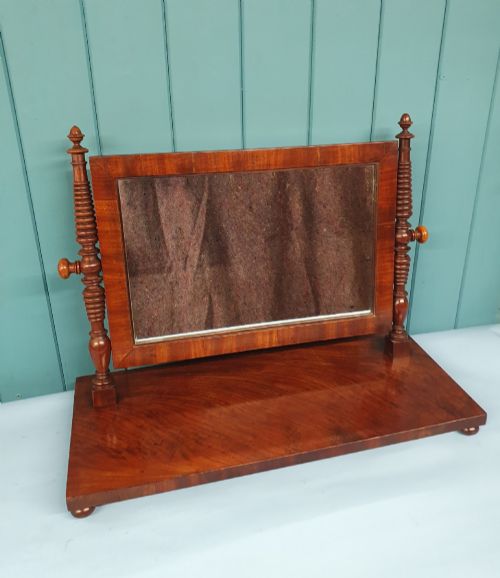
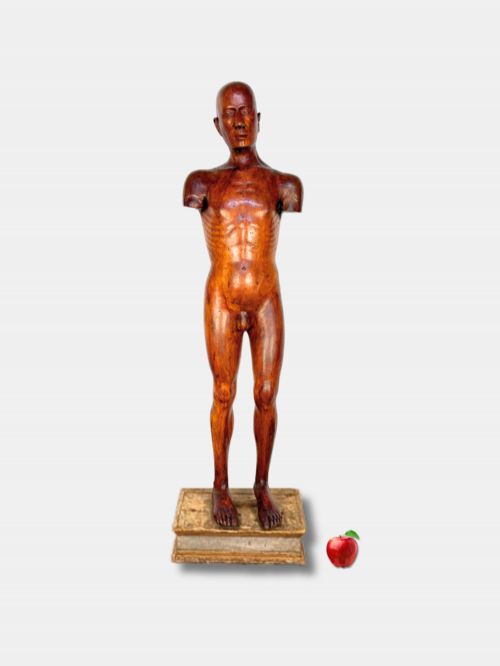
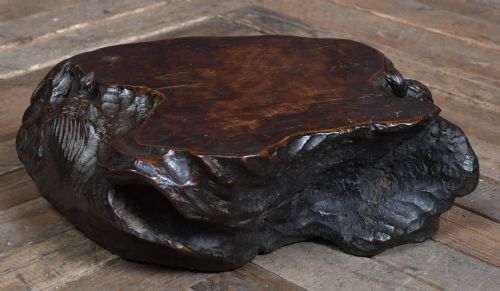
Brown wood plinths provide solid architectural elevation for display, ranging from simple columnar columns to carved wooden pedestals.
Brown Wood Plinths
When you search for brown wood plinths, you encounter a selection of pedestals, display stands, and architectural columns intended to elevate objects or sculptures. These items serve primarily to showcase decorative figures, urns, or botanical displays within a room.
The versions most likely to meet you on this page date predominantly from the nineteenth century, encompassing Victorian interpretations alongside earlier examples. Formats vary from plain fluted wooden columns to heavily carved oak and walnut display stands.
Materials and Construction
Carpenters and cabinetmakers utilised dense hardwoods such as mahogany, oak, walnut, and beech to ensure sufficient structural integrity for heavy display items. Timber selection dictated the weight and grain definition of each finished column or pedestal.
Construction techniques involved precision turning on lathes for spiral and fluted column sections, combined with hand carving for decorative capitals and bases. Joinery techniques united solid timber components to bear substantial vertical loads without warping.
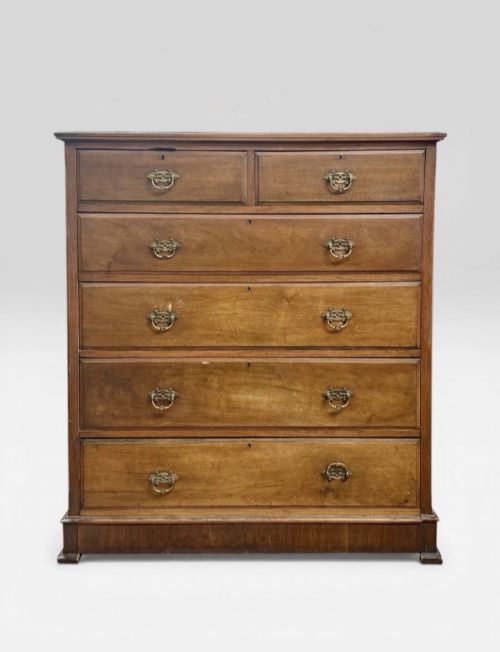
One exceptional nineteenth-century pedestal contains a secret compartment, offering a hidden recess for safeguarding small valuables beneath a towering display surface.
Distinctions in Quality
The upper tier of these supports is distinguished by depth of hand carving, crispness of architectural moulding details, and the selection of figured timber veneers. Superior examples display balanced proportions and substantial weight that ensure stability.
Lesser items rely on simpler machine turning or softer woods with minimal decorative enrichment. The distinction lies in whether the maker invested artisan hours into detailed surface ornament and solid timber construction.
The Brown Wood Plinths Glossary
- Plinth
- A heavy base or rectangular block serving as the foundation for a statue, vase, or column. It provides visual stability to elevated objects.
- Pedestal
- An upright architectural support used to raise a sculpture or decorative vessel above floor level. They often feature classical column designs.
- Column
- A vertical structural element with a cylindrical shaft, capital, and base. Turned timber versions frequently function as display stands.
- Capital
- The uppermost member of a column, situated above the shaft. Carved details here often indicate the revival style of the period.
- Walnut
- A rich brown hardwood valued for its varied grain patterns and stability. Cabinetmakers utilised it extensively for high-status display furniture.
Brown Wood Plinths: Frequently Asked Questions
How were antique plinths used?
These supports functioned primarily to elevate sculptures, bronze figures, or large floral urns in grand interiors. They lifted artworks to optimal eye level for appreciation.
In domestic settings, they served as focal display furniture in hallways, drawing rooms, and libraries to showcase decorative arts.
What woods do these pedestals use?
Carpenters constructed these display columns using durable hardwoods including mahogany, oak, walnut, beech, and chestnut. Solid timber provided the necessary weight distribution.
Finer examples frequently incorporated figured veneers or decorative carving over sturdy structural cores to enhance their visual presence.
Are these columns sold in pairs?
Many listings comprise matched pairs designed to balance room aesthetics or frame architectural openings and doorways symmetrically.
Single columns also appear frequently, often intended to stand alone as a primary display surface for a specific sculpture.
How do I date a wooden plinth?
Dating relies upon examining the timber species, construction joinery, and the stylistic vocabulary of the carved ornament. Nineteenth-century pieces often reflect Gothic, Renaissance, or Neoclassical revivals.
Tool marks and surface patination further indicate the manufacturing period and subsequent handling history.