
Antique Style Plant Pedestals
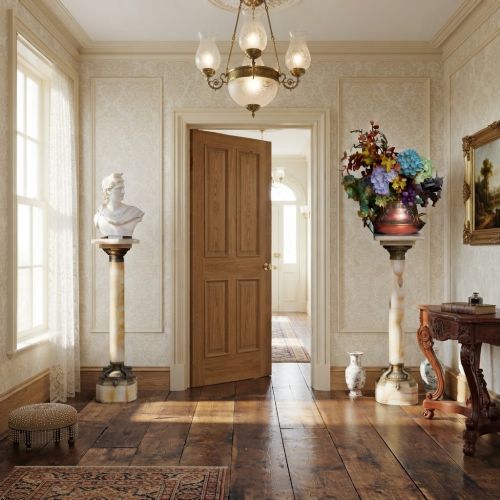
Antique style plant pedestals elevate flora and display sculpture, combining structural height with decorative presence across various historic periods.
Antique Style Plant Pedestals
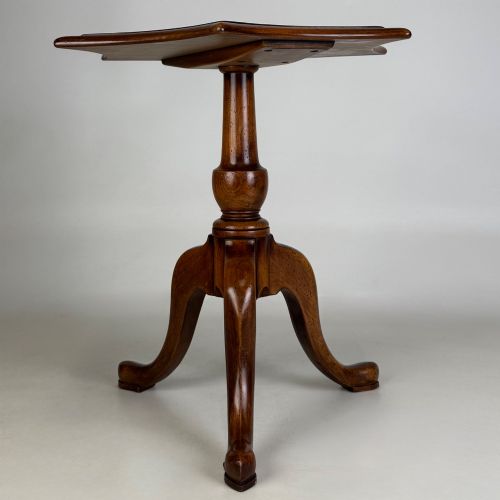
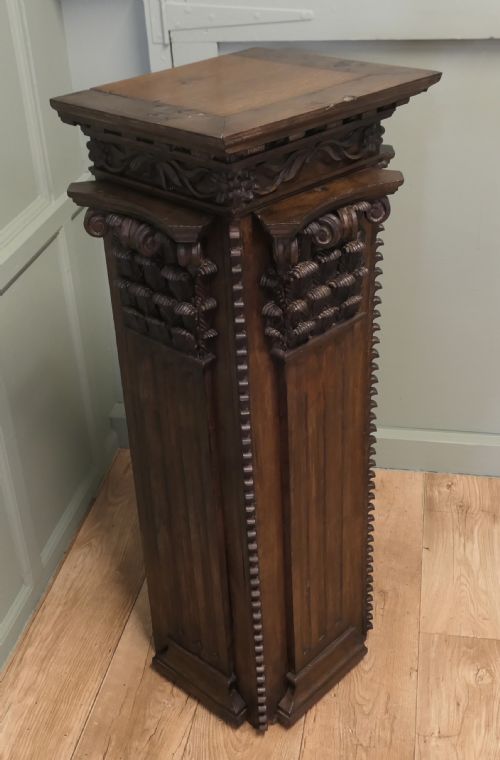
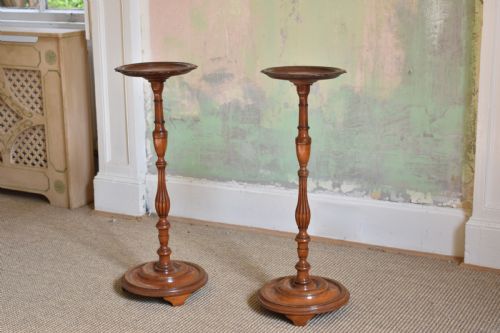
Antique style plant pedestals serve to elevate flora, urns, and decorative objects within interior spaces, bringing height and structural interest to a room. When exploring antique style plant pedestals, buyers encounter forms ranging from slender torcheres and multi-tiered tripod tables to robust column displays and jardiniere stands.
The selection encompasses pieces originating from the nineteenth century, the Edwardian era, and the early twentieth century. Makers of these periods utilised diverse regional traditions, resulting in items that function equally well as lamp tables, occasional tables, and dedicated plant stands.
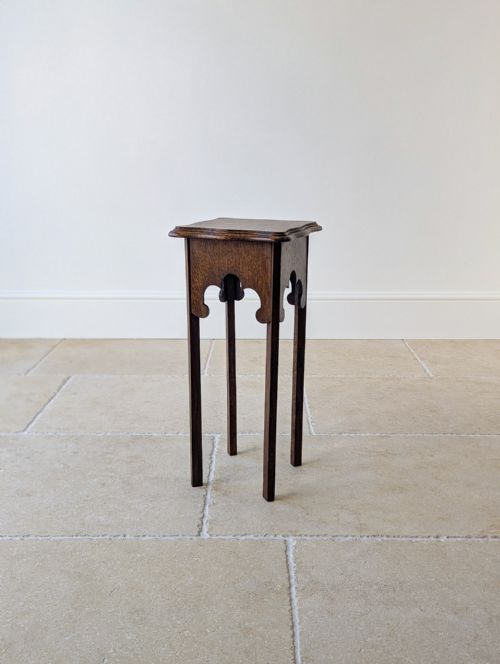
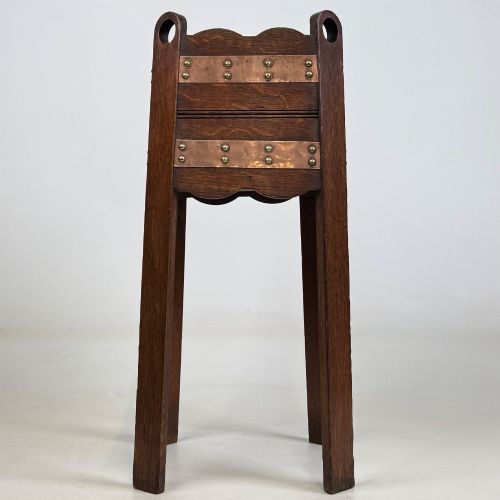
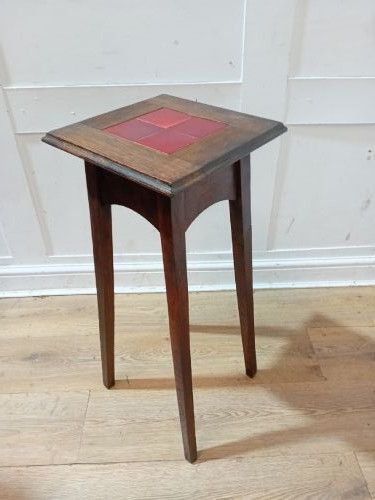
Material variety shapes the visual impact of these stands, pairing timber frames with stone or metal tops. Buyers frequently discover examples displaying specific stylistic revivals, including French Chateau, Georgian Revival, and Arts and Crafts influences.
How they were made
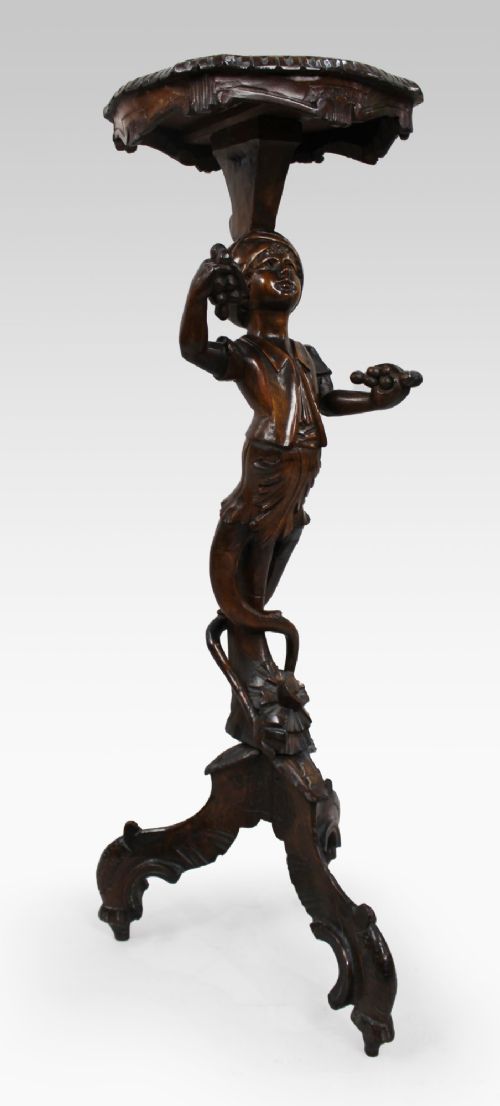
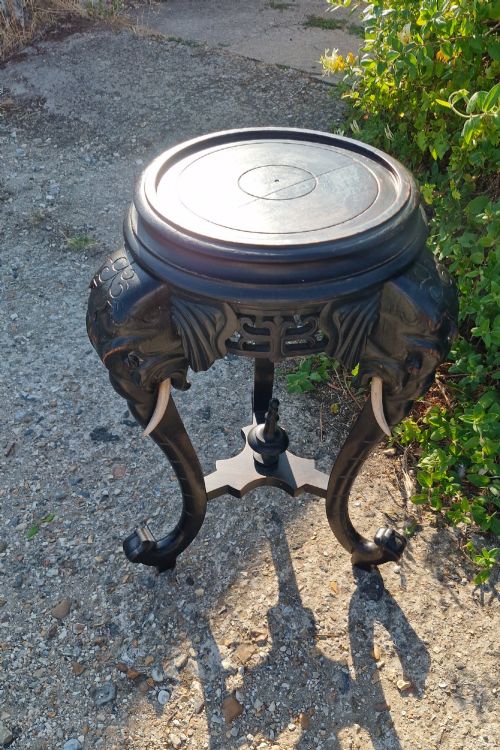
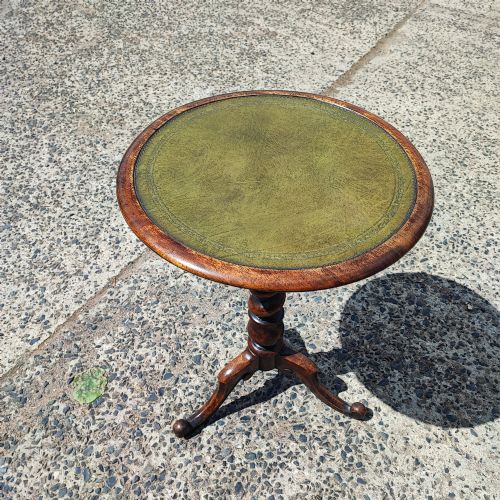
Craftsmen built these stands using a foundation of dense timbers such as mahogany, oak, walnut, and hardwood, often incorporating secondary woods for internal framing. Structural stability relied on traditional joinery techniques, reinforced by turned columns, carved figural elements, and tripod bases.
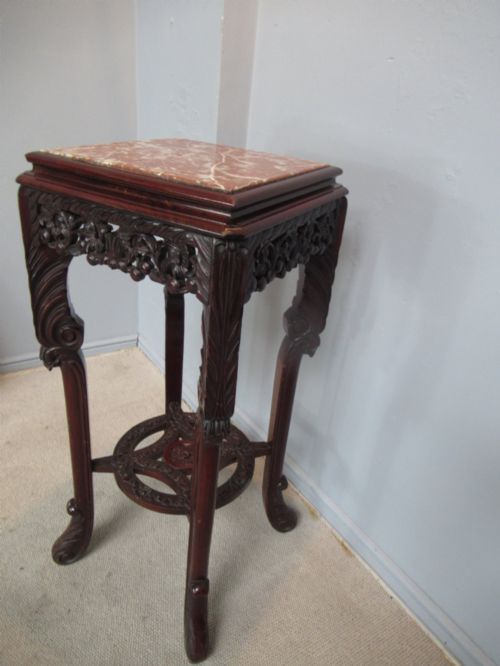
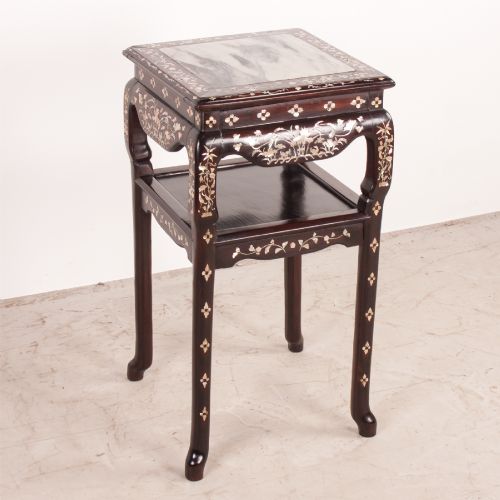
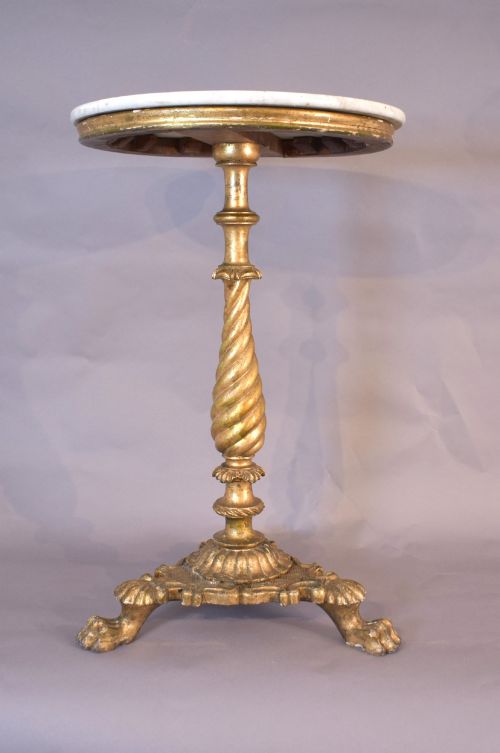
Surface enrichment frequently involved contrasting materials, pairing timber with inset marble, onyx, or mother of pearl. Metal embellishments, including ormolu collars, bronze mounts, and cast iron components, added both structural accent and decorative weight to French and English designs.
Finishing methods highlighted the natural grain of the wood through polishing or gilding applied to carved surfaces. Inlaid satinwood and specialised carving further distinguished pieces intended for formal reception rooms and parlours.
Listings feature mahogany, oak, walnut, and hardwood, frequently paired with marble, onyx, or ormolu mounts.
What varies in quality
The distinction between standard utility items and superior examples lies in the depth of hand-carving and the precision of assembly. Finer pieces display crisp botanical or figural carving, tight joinery, and well-proportioned turned columns that distribute weight evenly.
Material selection dictates the upper tier of the range, visible in heavily figured mahogany, substantial walnut, and genuine marble or onyx inset tops. Integrated cast or gilt bronze mounts and detailed mother of pearl inlay signal workshops employing skilled artisans.
Provenance and stylistic consistency elevate certain pieces, particularly those reflecting specific cabinet-making traditions or French design influences. Structural integrity and the harmonious balance between support bases and display surfaces remain central to overall execution.
The Antique Style Plant Pedestals Glossary
- Torchere
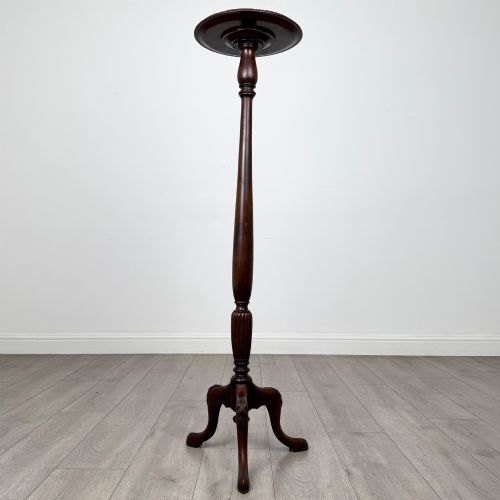
- A tall, slender stand designed to hold a light source, candle, or small decorative object. These pieces typically feature a small top supported by a single central column and a tripod base.
- Jardiniere stand
- A specialised piece of furniture built to support a plant container or floral arrangement. These stands often incorporate waterproof liners or sturdy platforms to manage moisture.
- Ormolu
- Gilded bronze ornamentation applied to furniture, popular in French decorative arts. This technique adds metallic highlights and formal detail to timber columns and table rims.
- Guéridon
- A small French occasional table supported by one or more columns or figures. These versatile tables frequently feature marble tops and decorative mounts.
- Urn stand
- A compact, elevated table historically created to hold a tea urn or decorative vase. They often exhibit tapering legs or octagonal tops associated with Georgian and revival designs.
Antique Style Plant Pedestals: Frequently Asked Questions
What is an antique plant pedestal?
An antique plant pedestal is a raised support structure designed to display indoor plants, urns, or decorative sculptures at eye level.
These pieces combine utilitarian function with architectural ornament, serving as focal points in domestic interiors.
How were torcheres used historically?
Torcheres originally functioned as lighting stands to hold candles or oil lamps in dark rooms and hallways.
Over time, their slender proportions made them ideal for displaying floral arrangements and decorative objects without occupying significant floor space.
Where should I place a pedestal stand?
Pedestal stands suit corners, empty wall spaces, and window areas where natural light benefits displayed plants.
Their elevated profile allows them to introduce vertical lines into rooms furnished with low seating and standard tables.
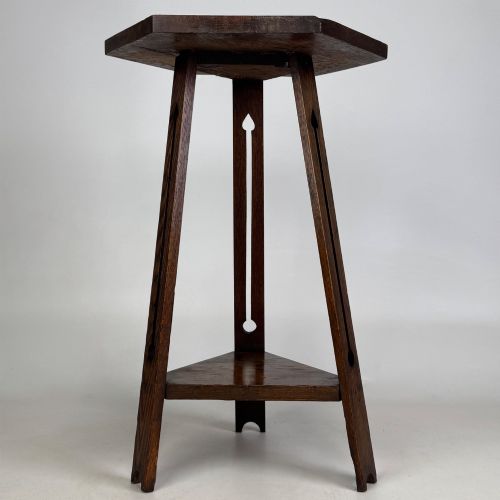
How do I identify Arts and Crafts stands?
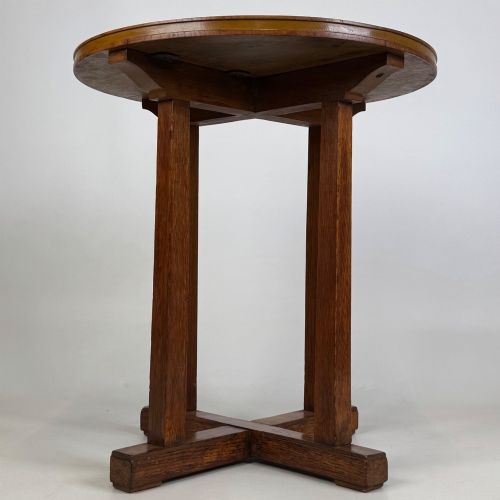
Arts and Crafts plant stands typically feature solid oak construction, exposed joinery, and an emphasis on honest, unpretentious craftsmanship.
They avoid excessive surface ornamentation in favour of clean geometric lines and structural integrity.
What maintenance do marble top stands need?
Marble top stands require gentle cleaning with mild soap and water to protect the polished stone surface from acid etching and stains.
Wooden bases benefit from periodic waxing to nourish the grain and preserve the original finish without heavy scrubbing.