




Neoclassical Wooden Pedestal
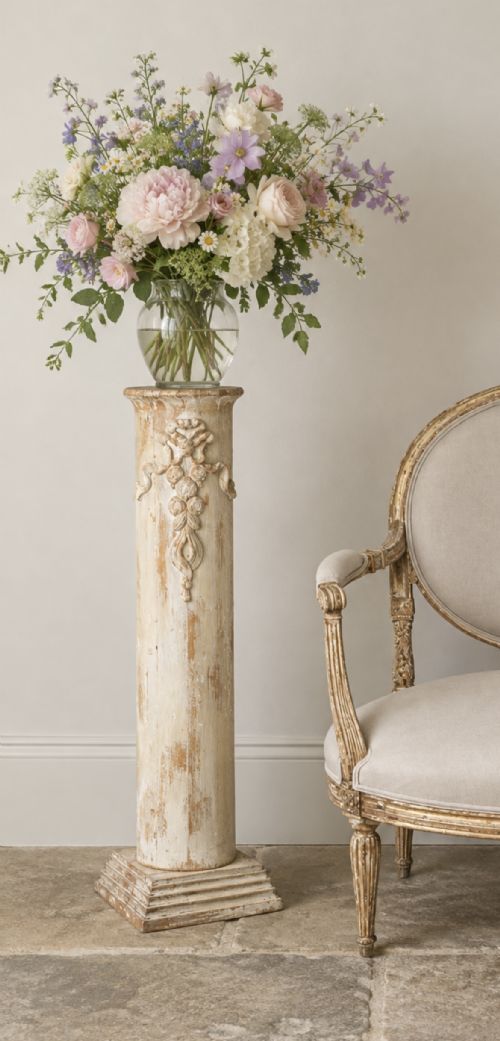
These neoclassical wooden pedestal pieces are architectural supports and display columns that elevate sculpture or urns, sought after for bringing classical proportion into a room.
Neoclassical Wooden Pedestal
A neoclassical wooden pedestal serves primarily to elevate decorative objects, urns, or sculpture within an interior space, drawing on classical architectural motifs. When exploring this selection, buyers encounter forms spanning columnar shafts, square plinths, and tapered stands.
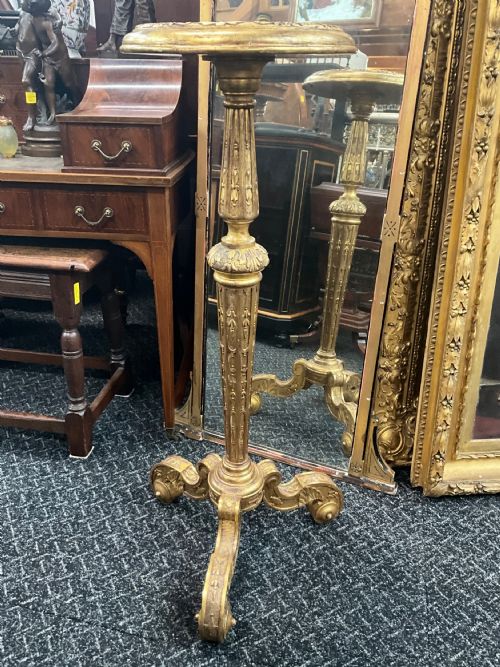
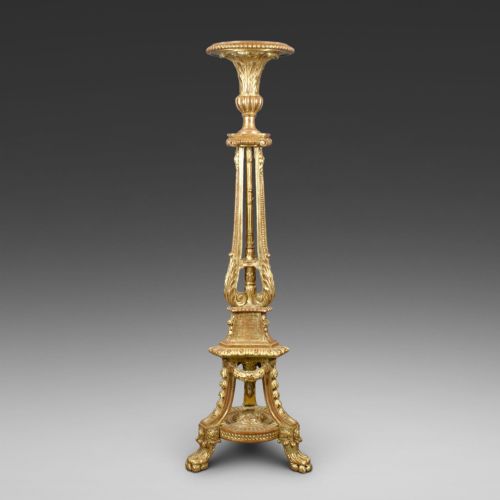
The variants appearing on this page range from nineteenth-century mahogany examples to painted and parcel-gilt columns from Swedish and continental workshops. Alongside dedicated pedestals, related supports such as torcheres, architectural columns, and carved stands emerge frequently across the periods.
Originating predominantly from eighteenth-century design vocabulary, the pieces here extend through Victorian revivals and twentieth-century interpretations. These items reflect enduring interest in symmetry, fluted profiles, and classical restraint.
Materials and Construction Methods
Makers utilised native and exotic timbers including mahogany, satinwood, and birch, often shaping them into substantial columns and pedestals. Surface finishes frequently incorporate painted ground layers, gesso preparation, and parcel-gilt detailing to emulate ancient stone or bronze prototypes.
Joinery techniques combined traditional cabinet-making practices with structural support for heavy display items, occasionally incorporating internal compartments or inlaid veneers. Gilding and carved wooden ornament were applied to accentuate capitals, fluting, and plinth bases.
Certain nineteenth-century pedestals feature concealed secret compartments designed to guard valuables while supporting ordinary household ornaments.
Assessing Craftsmanship and Proportion
Quality within these supports rests upon the crispness of carved detail, the balance of architectural proportions, and the integrity of the timber substrate. Superior examples display finely executed fluting, stable joints, and harmonious scaling between base, shaft, and capital.
Surface treatment further distinguishes the range, where hand-applied gesso, original paint layers, or well-preserved mahogany patination elevate the visual weight of the piece. Lesser items may show simplified turning or later, unsympathetic surface alterations.
The Neoclassical Wooden Pedestal Glossary
- Neoclassical
- A style reviving classical Roman and Greek motifs, characterised by symmetry, straight lines, and architectural orders. It dominates the decorative arts of the late eighteenth and nineteenth centuries.
- Torchere
- A tall stand or candlestick designed to support a light source or decorative object. In wooden forms, it often takes the shape of a slender column.
- Gesso
- A plaster-like mixture applied to wood surfaces as a base for painting and gilding. It allows for sharp, moulded relief decoration.
- Parcel-gilt
- Partially gilded, where gold leaf is applied only to specific carved details or highlights against a painted or wood ground. This technique creates contrast on architectural columns.
- Plinth
- The heavy base supporting a column, pedestal, or statue. It provides stability and visual grounding for the structure above.
Neoclassical Wooden Pedestal: Frequently Asked Questions
What were wooden pedestals originally used for?
These supports were designed to elevate busts, urns, or candelabra within grand interiors, aligning with classical architectural display traditions.
They allowed homeowners to showcase important decorative items at eye level.
How do I distinguish eighteenth-century pieces from later revivals?
Dating relies on timber species, construction methods, and the specific characteristics of the carved ornament.
Revival pieces from the nineteenth and twentieth centuries often employ distinct secondary woods or heavier gesso applications compared to earlier work.
Can these pedestals support heavy stone or marble sculptures?
Most solid wood columns and pedestals possess sufficient structural capacity for substantial decorative objects.
However, buyers should inspect the internal construction and base stability before placing exceptionally heavy items.
How do I care for gilt-wood and painted surfaces?
Surfaces finished with gesso, paint, or gold leaf require gentle dusting with a soft, dry cloth without chemical polishes.
Keeping them away from direct sunlight and moisture protects the fragile historic layers.