


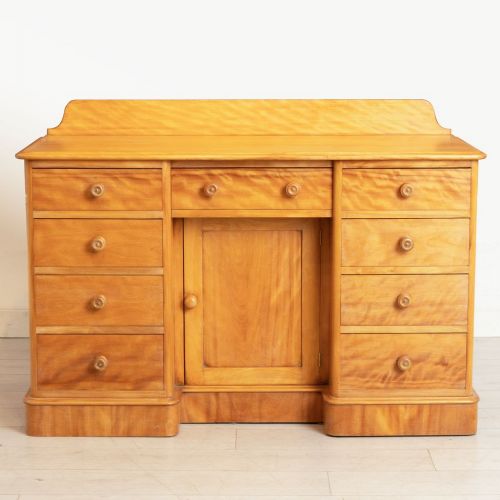

Blond Wood Pedestal
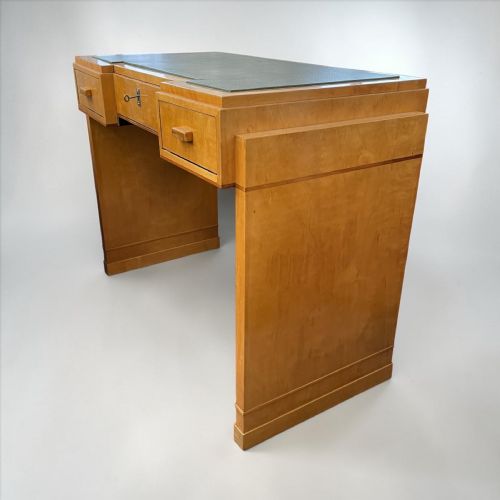
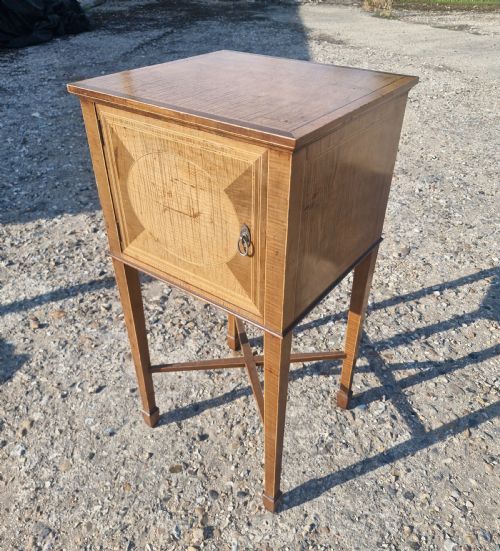
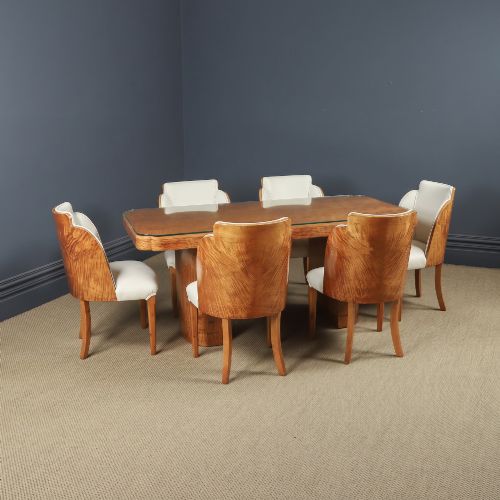
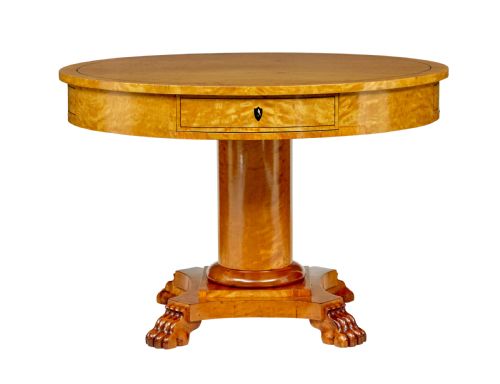
A blond wood pedestal brings pale, figured grain and clean architectural form to a room, offering both practical surface space and a distinct decorative anchor.
Blond Wood Pedestal
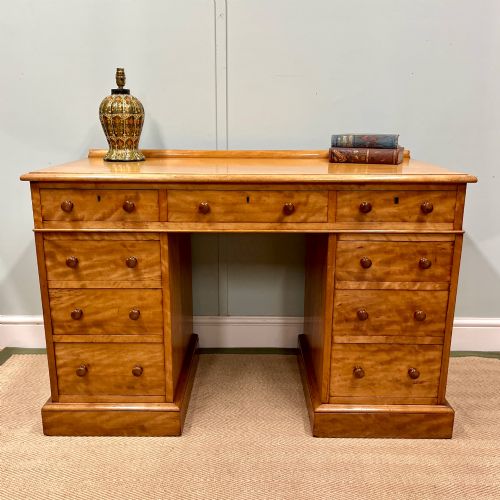
A blond wood pedestal encompasses various forms finished in light timbers, frequently appearing alongside desks, tables, and cabinets from the nineteenth century into the Art Deco era. Buyers seeking this aesthetic encounter light finishes across diverse styles, from Victorian kneehole desks to Scandinavian neoclassical tables.
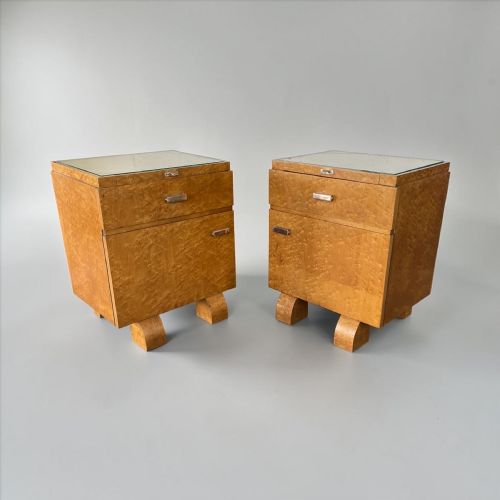
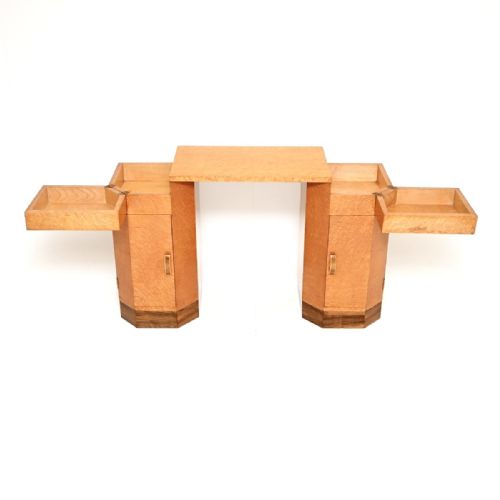
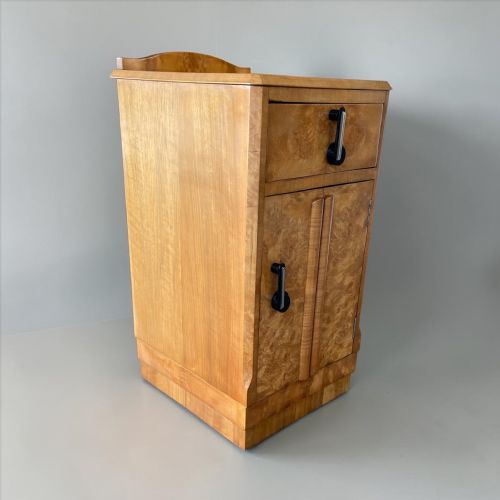
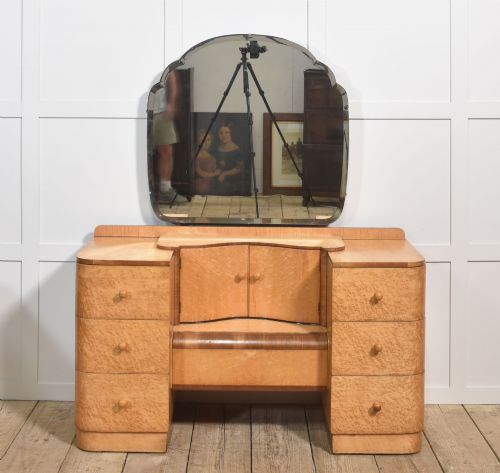
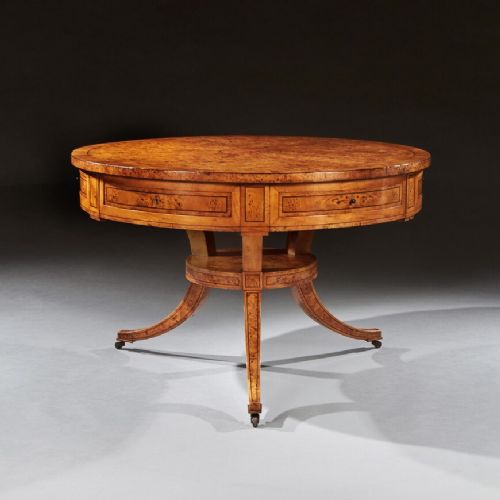
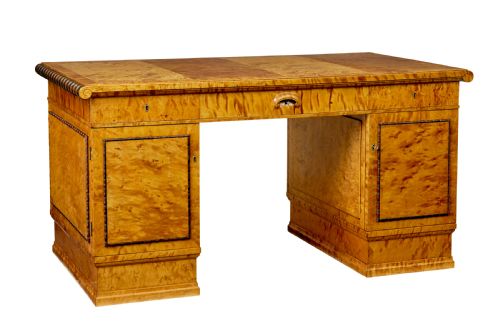
The selection ranges from nineteenth-century Swedish birch and nineteenth-century occasional tables to twentieth-century bird's-eye maple dressing tables and bedside cabinets. Art Deco pieces dominate the twentieth-century offerings, while nineteenth-century items highlight regional European cabinetmaking.
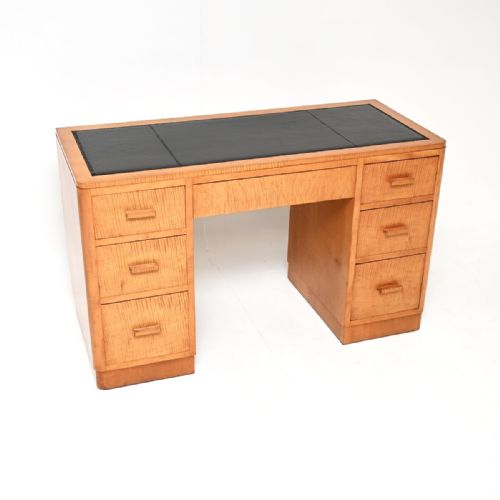
Forms extend beyond standalone columns to encompass desks and tables resting on pedestal bases, uniting pale timber with functional architecture. These items draw attention through grain pattern and tone rather than heavy ornamentation.
Materials and construction
Cabinetmakers utilised pale hardwoods and figured veneers, selecting satin birch, bird's-eye maple, satinwood, and burr birch for their distinctive grain configurations. These timbers were applied over solid wood carcases, often arranged radially or matched symmetrically across tabletops and drawer fronts.
Complementary materials such as brass fittings, glass tops, and leather inserts appeared alongside the timber to define specific periods like the Art Deco movement and the Victorian era. Joinery relied on traditional housing and framing methods to stabilise the responsive blond veneers.
Listings feature blond wood pieces spanning from the early nineteenth century through the Art Deco period, highlighting satin birch, bird's-eye maple, and burr birch.
Distinctions in quality
Quality rests upon the selection and matching of the veneer, where continuous figure alignment separates standard production from exceptional workshops. Makers who planned grain orientation across multiple drawers or table leaves achieved a cohesive visual rhythm.
Construction integrity reveals itself in the stability of the timber carcase and the precision of the joints. Finer examples maintain crisp edges around veneered surfaces and retain original hardware without excessive timber shrinkage or replacement components.
Morant And Co London·Heal And Son·Harry And Lou Epstein
The Blond Wood Pedestal Glossary
- Bird's-eye maple
- A decorative figure in maple timber resembling small, swirling eyes caused by local disruptions in grain growth. This figuring is prized for polished surfaces on twentieth-century tables and cabinets.
- Satin birch
- A pale, lustrous timber native to northern Europe, widely utilised in nineteenth-century Swedish and British furniture. It takes a high polish that accentuates its golden undertones.
- Biedermeier
- A central European style spanning the nineteenth century, characterised by utilitarian comfort and clean lines that showcase natural wood grain without heavy carving. Pieces from this tradition often feature rich birch and maple veneers.
- Kneehole desk
- A desk or pedestal table featuring a central recess for the sitter's legs, flanked by banks of drawers. This form frequently incorporates pedestals to support the writing surface.
- Veneer
- A thin slice of figured wood applied over a secondary timber base to create decorative patterns. Careful matching of veneers defines the surface character of many twentieth-century pieces.
Blond Wood Pedestal: Frequently Asked Questions
How do I clean blond wood surfaces?
Dust regularly with a dry, soft cloth to prevent particulate accumulation on polished timber. Avoid silicone sprays and excessive moisture, which can degrade antique finishes.
Apply a micro-thin layer of quality beeswax periodically to nourish the grain and protect the surface from everyday wear. Buff gently with a clean cloth after application to restore the soft sheen.
What rooms suit a pedestal desk?
A pedestal desk works effectively in home studies, libraries, or spacious living areas where it can sit away from walls. Freestanding placement showcases the finished backs and pedestal sides typical of these designs.
Pair the desk with lighting that illuminates the grain without creating harsh glare on the polished surface. Ensure adequate surrounding space for chair movement and drawer access.
Are nineteenth-century Swedish tables durable?
Nineteenth-century Swedish tables utilise dense northern birch and robust construction methods designed for longevity. The timber handles daily use well when maintained in stable indoor humidity conditions.
Protect the surface from direct heat sources and standing liquids to preserve the historical finish. Regular conditioning helps the original birch retain its pale tone and structural integrity.