

Vintage Wooden Plinth Bases
These vintage wooden plinth bases and associated support pieces provide sturdy, functional foundations for displaying larger furniture and decorative objects.
Vintage Wooden Plinth Bases
When you search for vintage wooden plinth bases, you encounter supportive pedestals and structural platforms originating primarily from the nineteenth and twentieth centuries.
The selection ranges from Victorian and Edwardian examples through to Regency and Art Deco iterations, reflecting diverse stylistic traditions.
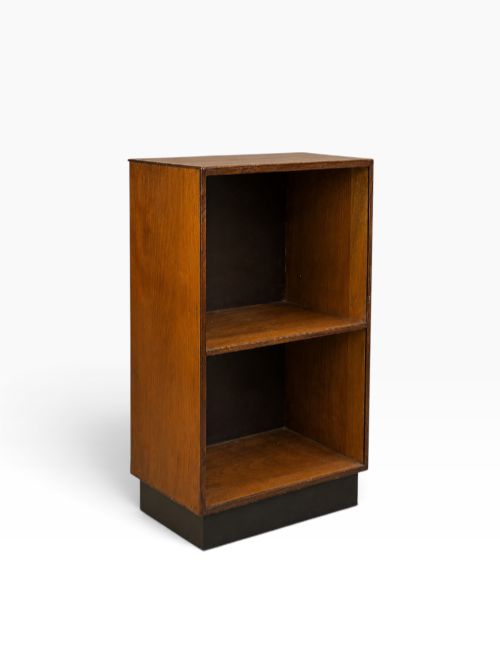
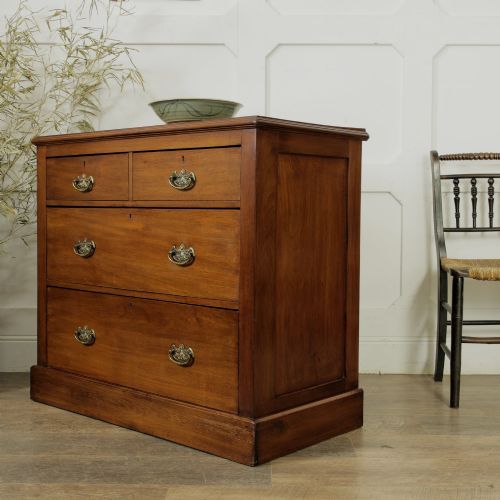
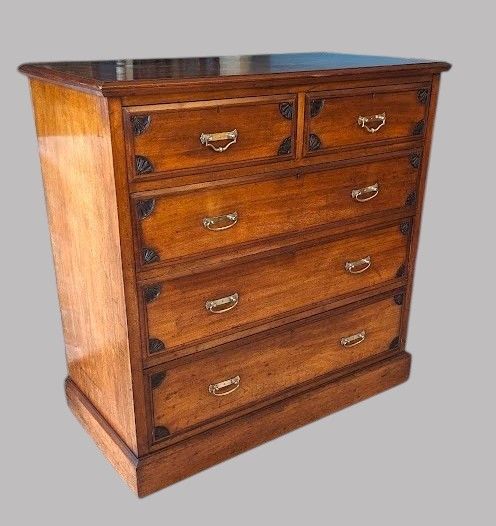
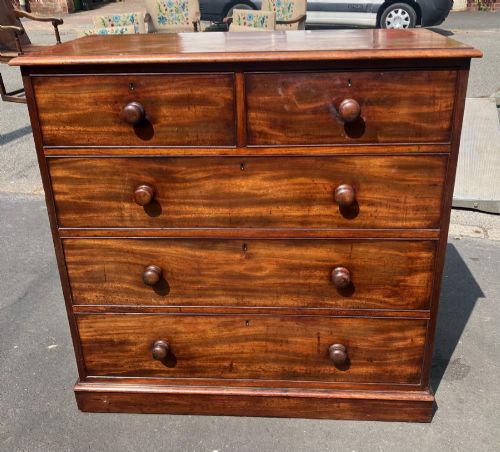
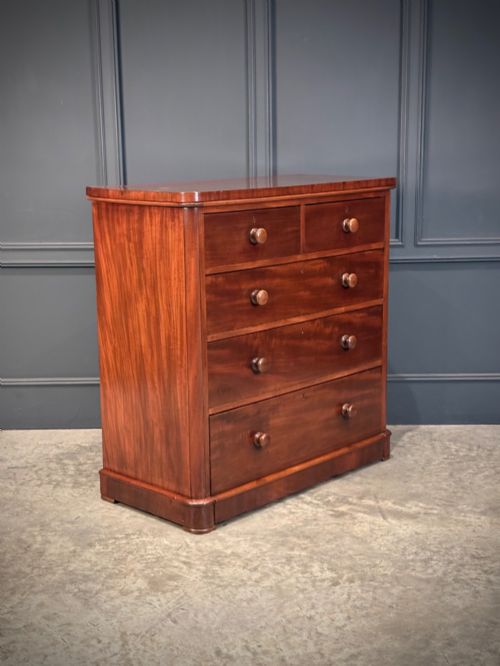
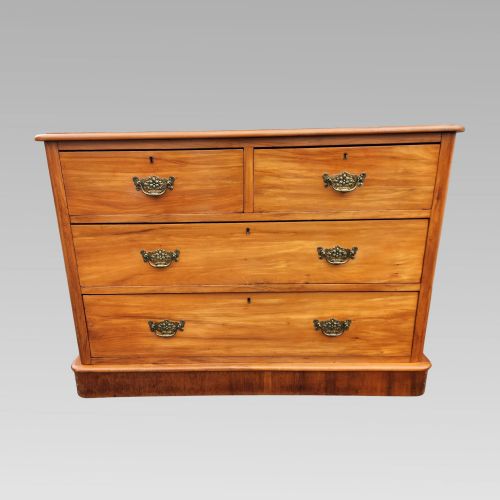
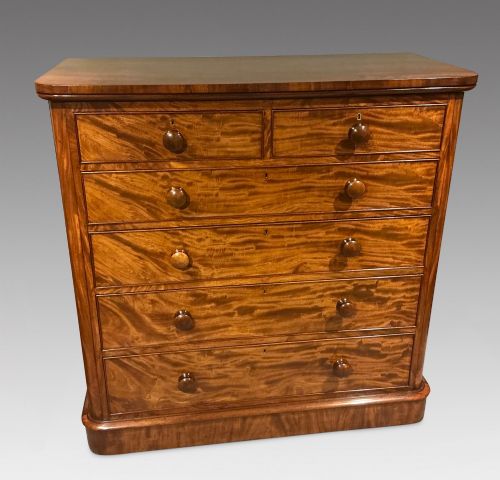
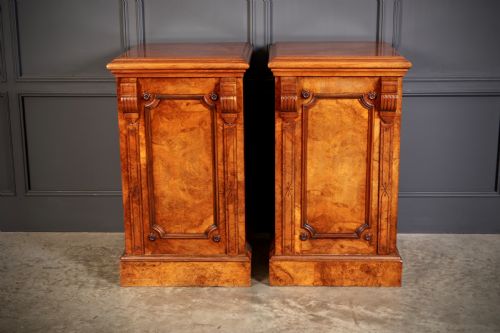
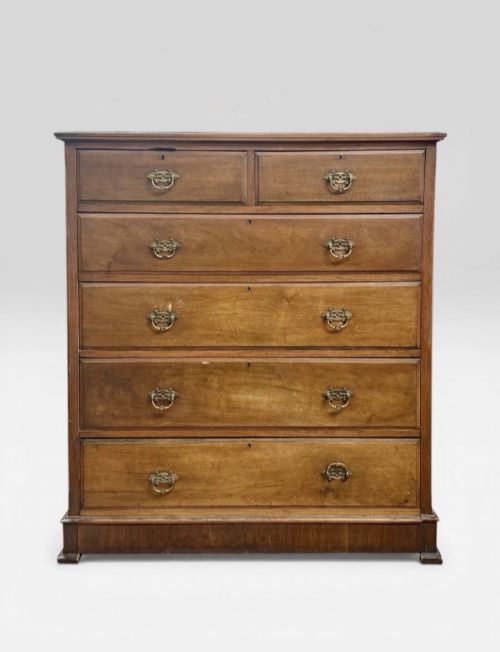
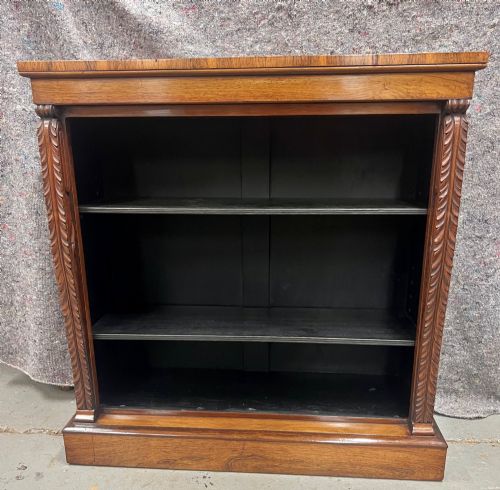
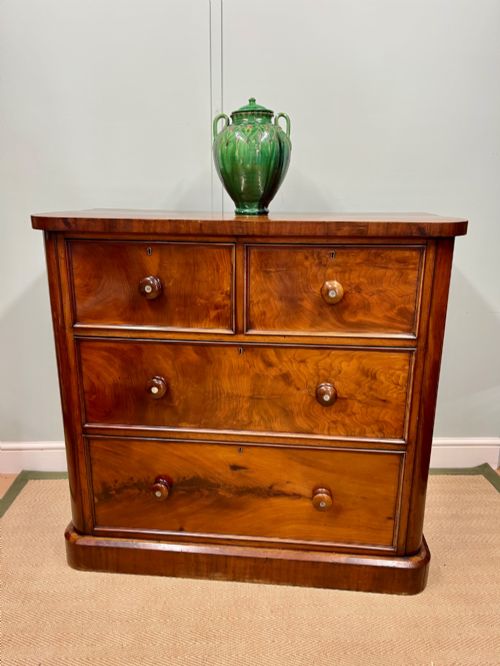
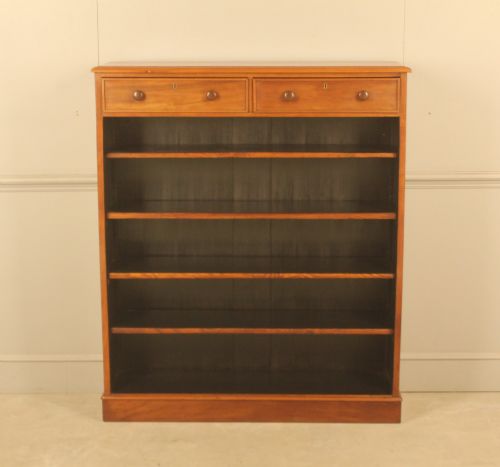
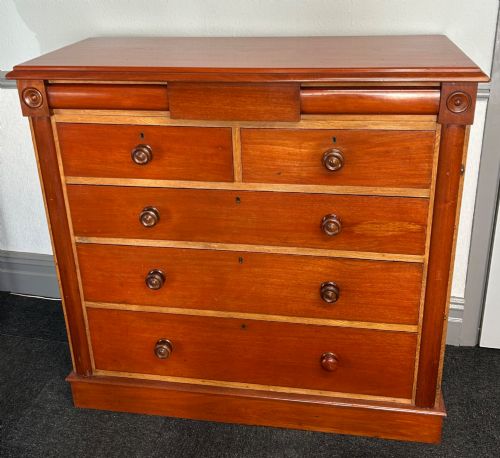
Most entries align with substantial furniture forms such as chests of drawers, bookcases, and pedestal cabinets rather than isolated architectural supports.
Materials and construction
Craftsmen utilised traditional hardwoods including mahogany, oak, walnut, pine, ash, and satinwood, frequently applying flame mahogany veneers for decorative effect.
Construction techniques incorporate secondary timbers such as cedar alongside brass fittings and glass elements to complete structural forms.
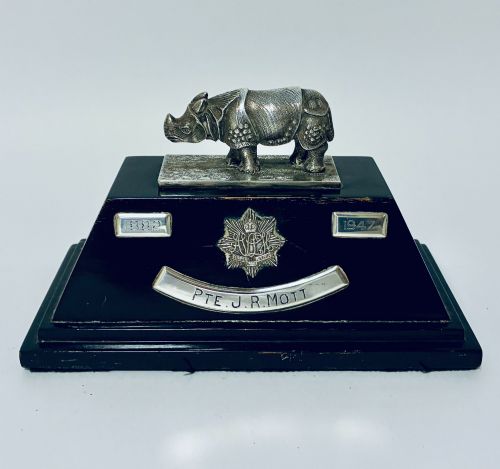
A nineteenth-century child's pull-along horse shares space with heavy mahogany sideboards and presentation trophies.
Assessing quality
Quality depends upon the selection of timber veneers and the precision of the joinery employed across the structure.
The sophistication of the period styling and the integrity of original surface finishes dictate the standing of each piece.
Mawer & Stephenson·Deighton & Dunthorne·Guido Cacciapuoti·Freeman
The Vintage Wooden Plinth Bases Glossary
- Flame mahogany
- A decorative timber veneer displaying distinctive fire-like grain patterns. Cabinet makers selected these figured sections for prominent display surfaces.
- Satinwood
- A pale, hard wood prized for its lustrous finish. It appears predominantly in Edwardian pieces.
- Pedestal cabinet
- A freestanding supportive cabinet designed to carry objects or books. These units utilise sturdy wooden bases.
- Regency
- A stylistic period spanning the early nineteenth century. Pieces from this era display classical influences and restrained proportions.
Vintage Wooden Plinth Bases: Frequently Asked Questions
What periods do these pieces date from?
The listings span the Georgian, Victorian, Edwardian, and Art Deco eras, encompassing the nineteenth and twentieth centuries.
Specific dates within the titles range from the early eighteen-hundreds through to the nineteen-forties.
Which woods appear most frequently?
Mahogany forms the primary material across the majority of the structural pieces and display items.
Additional timbers include oak, walnut, pine, ash, satinwood, and chestnut, sometimes accented with flame mahogany veneer.
How were these wooden items utilised?
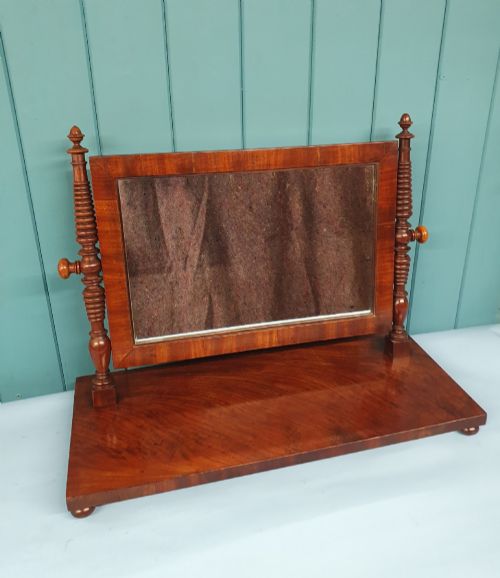
They served functional roles as chests of drawers, bookcases, sideboards, writing desks, and dressing mirrors.
Several items function as pedestal cabinets and presentation supports for display purposes.
How do I identify a Victorian piece?
Victorian items often employ solid mahogany or oak construction paired with traditional drawer configurations and substantial proportions.
Stylistic cues draw upon nineteenth-century cabinet-making traditions recorded across multiple cabinet and desk formats.