


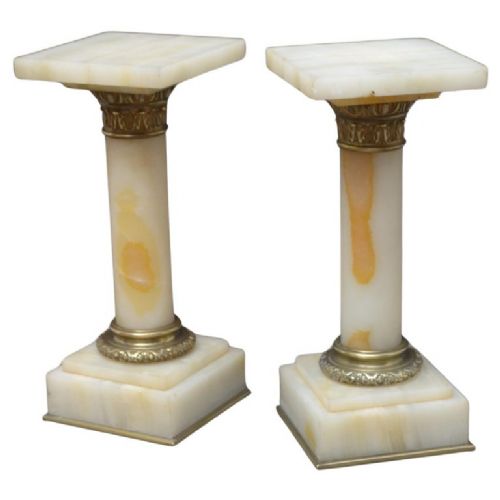

Pair Classical Pedestals
These pair classical pedestals provide architectural elevation and sculptural presence for display, drawing on centuries of neoclassical design.
Pair Classical Pedestals
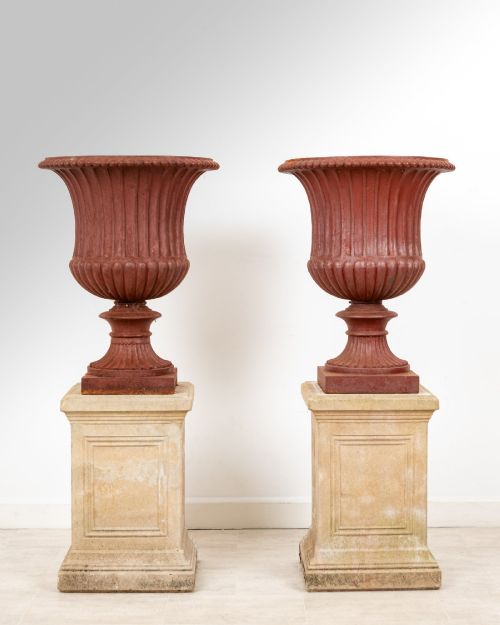
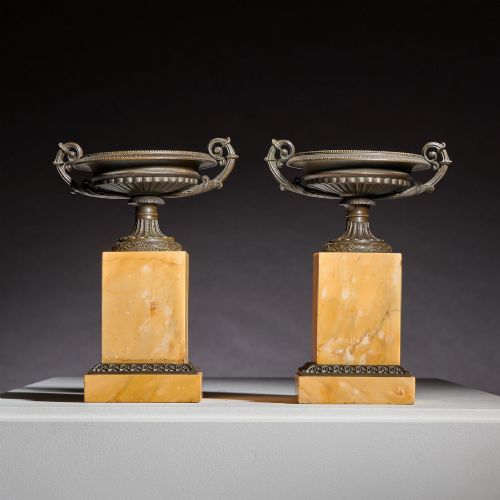
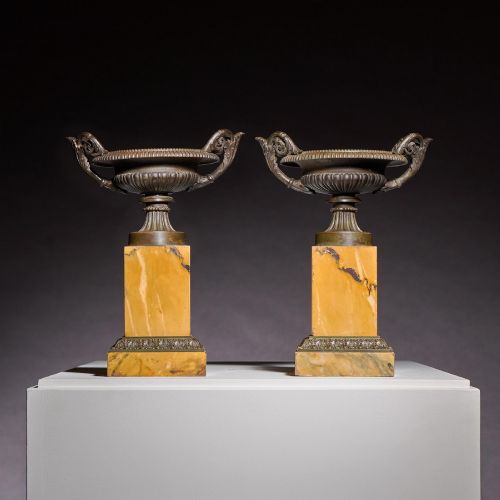
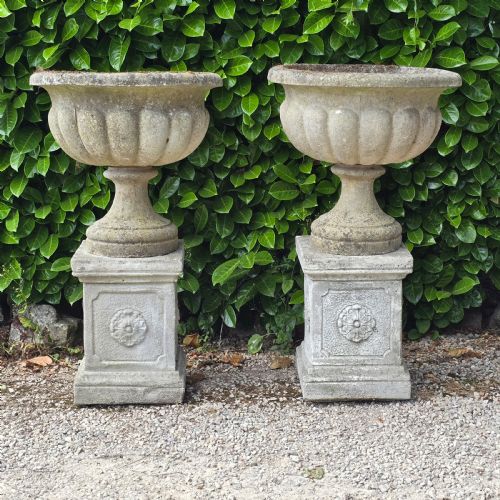
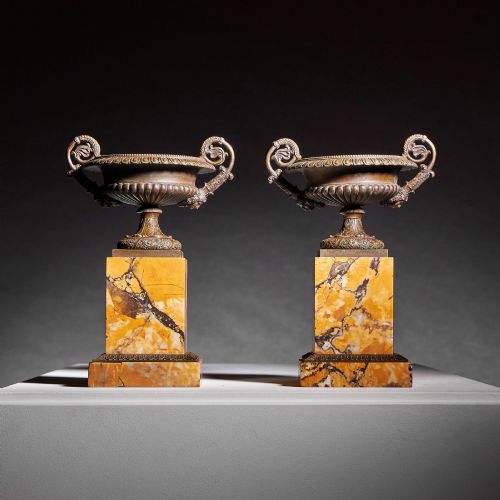
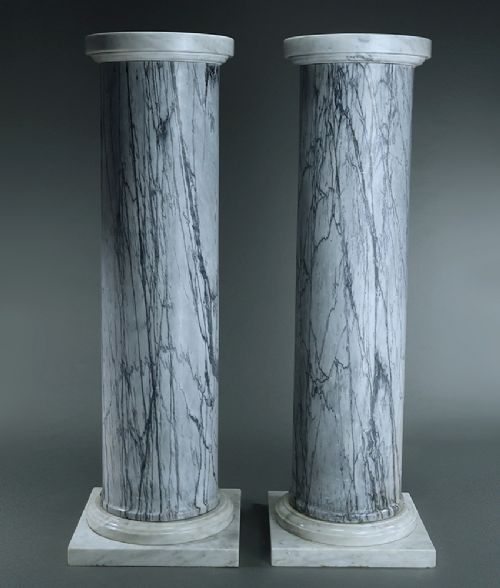
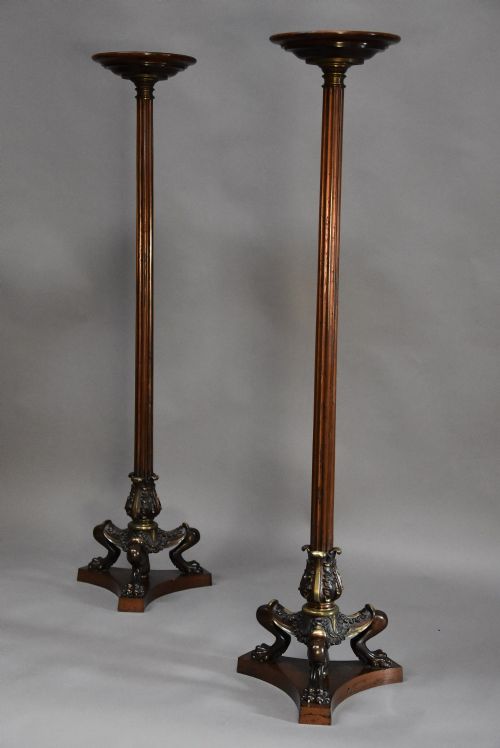
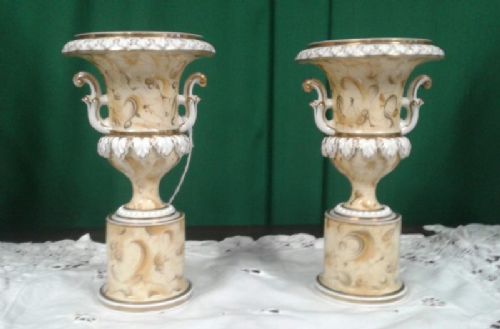
When you search for pair classical pedestals, you encounter architectural columns, urns on stands, and torcheres designed to elevate sculpture, lamps, or decorative objects. The forms frequently draw on Neoclassical, Regency, and French Empire styles, spanning the nineteenth century through the early twentieth century.
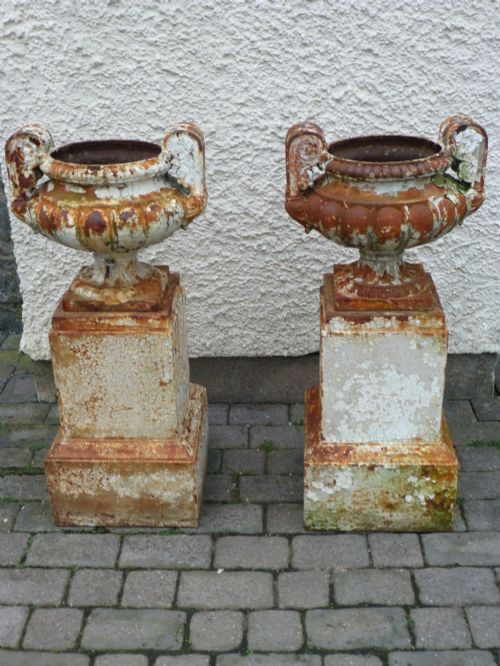
You are most likely to meet marble columns and cast iron garden urns on plinths on this page, alongside mahogany and bronze torcheres. These pieces range from substantial garden ornaments to refined interior display columns in marble and bronze.
How they were made
Makers utilised heavy materials such as cast iron, bronze, and various marbles including Bardiglio, Carrara, and Siena. Metal components were frequently cast and chased, then combined with finely turned wood elements like mahogany or satinwood.
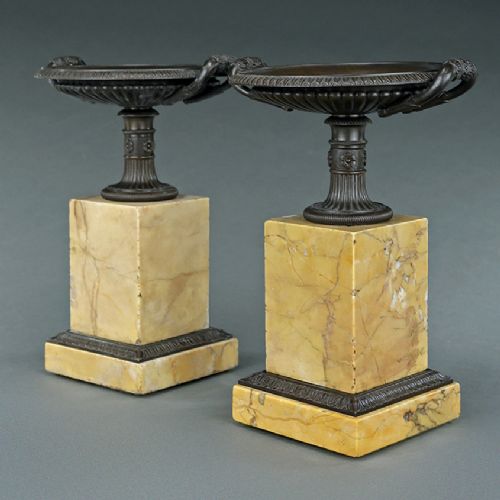
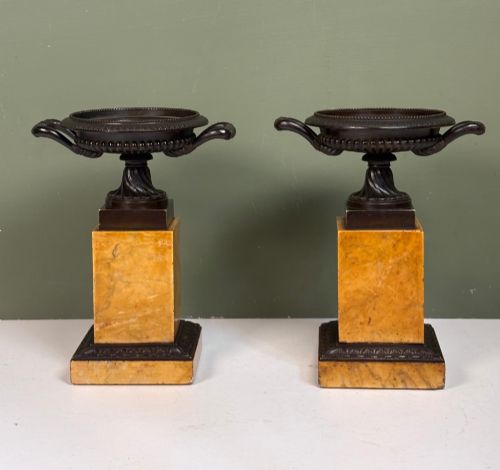
Ormolu mounts and brass collars were applied to marble columns and bronze tazzas to articulate the classical motifs. Stone and terracotta elements were shaped for garden use, while interior pedestals received polished wood veneers and marquetry.
Grand Tour travellers packed bronze tazzas and marble columns into their luggage to prove they had successfully reached Rome.
What varies in quality
The distinction between tiers rests on the crispness of the casting in metals and the selection of the stone. Superior bronze tazzas and cast iron urns display sharply defined relief work without softness in the classical ornament.
The choice and figuring of the marble or mahogany dictate the refinement of the piece. Selected marbles with rich natural veining and finely matched wood veneers signal superior workshop production.
Falkirk Carron foundry·Coalbrookdale·F De Luca·Ridgeways·Wedgwood
The Pair Classical Pedestals Glossary
- Campana urn
- A bell-shaped vessel with a flaring rim and a footed base, frequently cast in iron, bronze, or terracotta. These pieces echo ancient Roman garden ornaments.
- Tazza
- A shallow cup or vase set upon a stem and foot, often fashioned from bronze and marble for display on a table or pedestal. They are characteristic of Grand Tour souvenirs.
- Torchere
- A tall ornamental stand designed to support a light or a decorative object. They appear in carved mahogany, bronze, and gilt finishes.
- Ormolu
- Gilt bronze mounted onto furniture, urns, or columns. The technique involves applying a gold amalgam to bronze through heat.
- Plinth
- The heavy base supporting a column, urn, or pedestal. It provides structural stability and proportion to classical forms.
Pair Classical Pedestals: Frequently Asked Questions
Where should I place these pedestals?
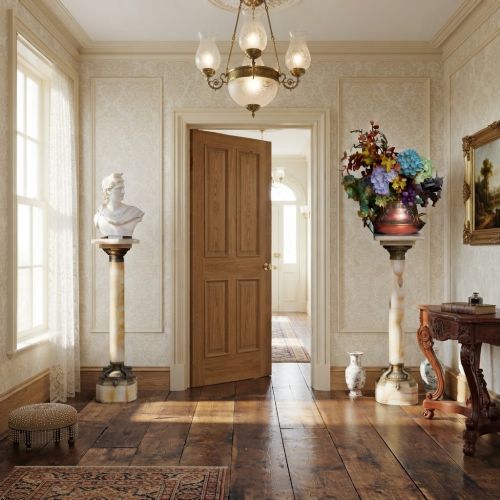
These pieces suit flanking positions in hallways, living rooms, or classical garden settings where symmetry matters. They provide a stable platform for lighting, bronze figures, or large decorative urns.
Larger stone or cast iron examples anchor outdoor garden vistas, while marble and mahogany versions elevate interior displays.
How do I clean marble columns?
Dust the stone regularly with a soft, dry cloth to prevent dirt accumulation in the natural grain and carved details. Avoid acidic cleaning agents that etch the polished surface.
For deeper cleaning, use a damp cloth with mild soap, drying the marble immediately to preserve the original polish.
Are these pedestals weatherproof?
Suitability for outdoor display depends entirely on the material composition of the specific pair. Cast iron, stone, and terracotta versions tolerate garden conditions, especially when weathered.
Wooden, ormolu, and fine marble pieces require interior placement to protect delicate veneers and gilded surfaces from moisture.
How can I date a pedestal?
Dating relies on identifying the prevailing style, such as Regency or Neoclassical Revival, alongside the manufacturing materials. Nineteenth-century examples often feature heavier bronze casting and distinct patination.
Twentieth-century pieces introduce satinwood cabinetry and alternative mounting techniques while retaining classical proportions.