



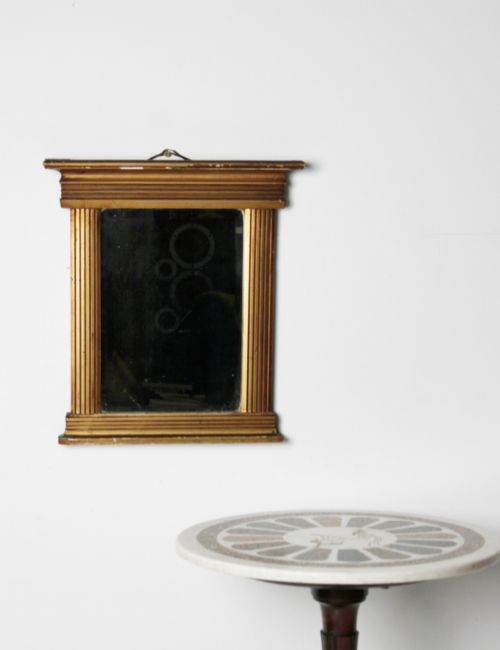


Architectural Gilt Mirror
An architectural gilt mirror brings classical proportion and reflective light into a room, drawing the eye with gilded surfaces and structured frames.
Architectural Gilt Mirror
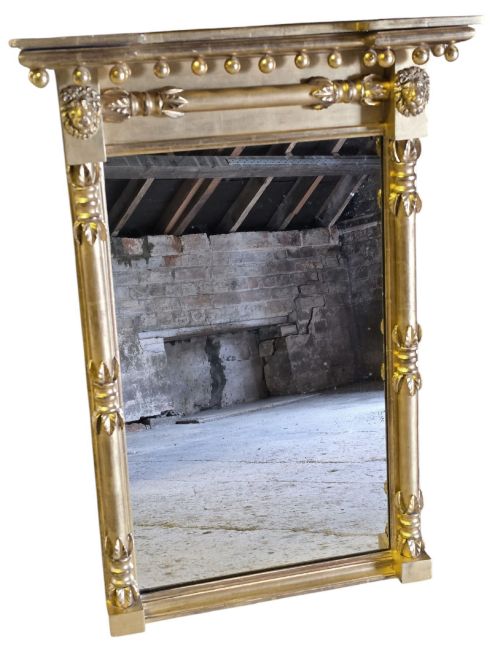
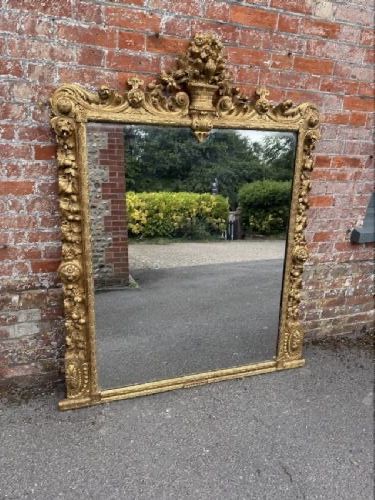
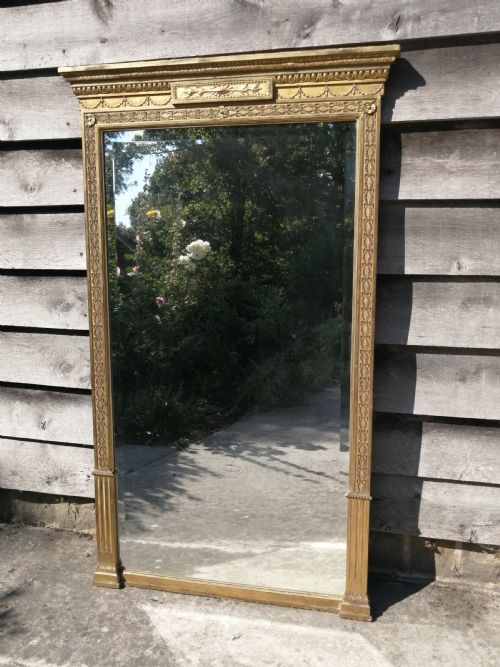
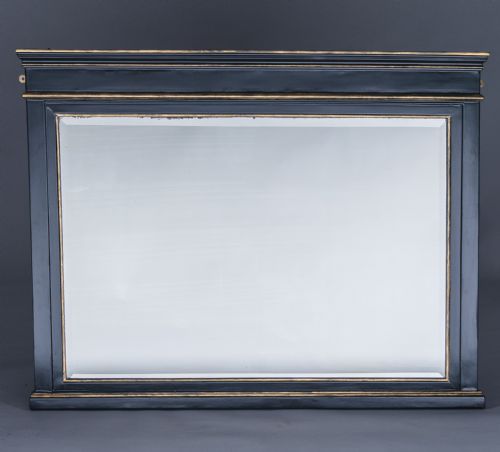
An architectural gilt mirror takes its structural inspiration from classical buildings, incorporating architectural motifs such as columns, pediments, and friezes into wall hangings. These pieces appear frequently as overmantels designed to sit above a fireplace, or as vertical pier mirrors intended for the wall space between windows.
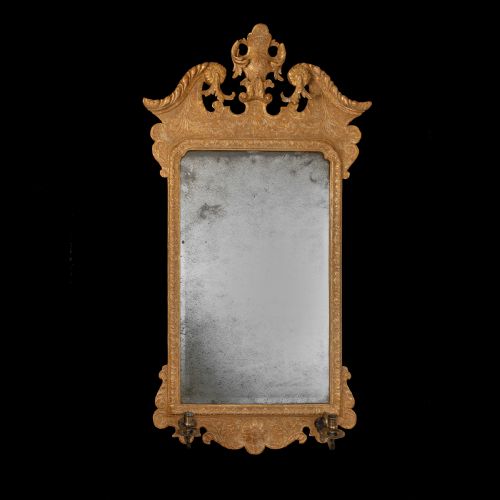
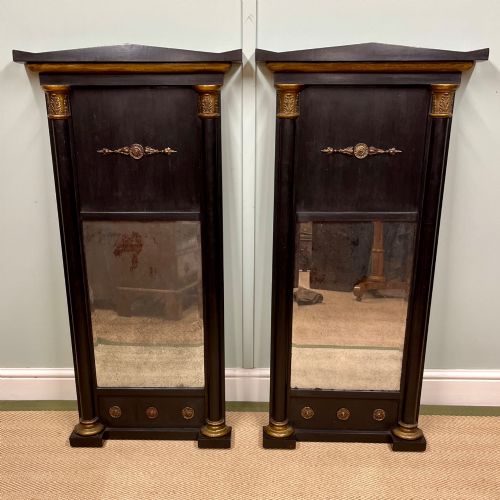
The selections span from the 18th century into the Victorian era, showing influences ranging from George II Palladian designs to Regency and French Empire styles. Walnut, mahogany, and ebonised timbers frequently form the base materials beneath the surface gilding.
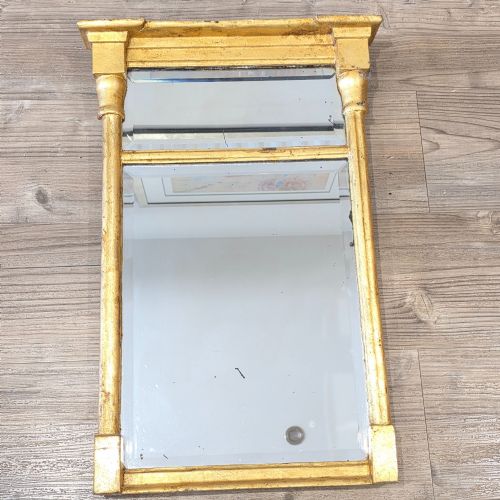
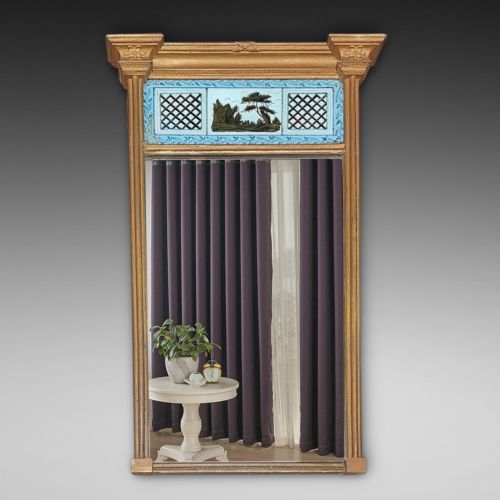
Overmantel mirrors dominate the larger formats, often stretching to considerable lengths to anchor a chimney breast. Pier mirrors offer narrower proportions, occasionally incorporating decorative glass panels known as verre églomisé within their frames.
Materials and Construction
Carved wood provides the primary structural framework for these mirrors, with artisans working in pine, oak, walnut, or mahogany depending on the period and regional workshop. Gesso is then applied over the timber base to create a smooth, responsive ground layer for subsequent decoration.
Makers applied gold leaf or surface gilding over the prepared gesso and carved wooden ornaments to achieve a luminous metallic finish. Composition ornament, a mouldable paste pressed into shape and applied to the wood, frequently supplements hand-carved details on 19th-century examples.
Architectural Gilt Mirror Retail Price Guide 2026
Typical asking prices for architectural gilt mirror among the pieces listed under this phrase on Sellingantiques today, from the lower quarter to the upper quarter. They describe what is for sale here now, not the wider market.
Listings feature walnut, mahogany, and composition materials across 18th-century, Regency, and Victorian periods.
Judging Quality and Craftsmanship
The crispness of the carved wooden details and the depth of the gesso moulding distinguish finer pieces from mass-produced later copies. Sharp, well-defined architectural elements demonstrate the hand of a skilled artisan rather than a hurried workshop.
The integration of the frame and the retention of original mirror plates influence the character of an antique mirror. Original glass often shows gentle foxing and distortion that reveals its age, whereas replacement plates present a more uniform reflection.
The Architectural Gilt Mirror Glossary
- Giltwood
- Wood that has been coated with gold leaf or metallic powder. This finish gives the frame its characteristic metallic sheen and warm colour.
- Gesso
- A plaster-like mixture applied to wood frames to create a smooth surface for carving and gilding. It allows for intricate relief ornamentation.
- Overmantel mirror
- A large horizontal mirror designed specifically to hang above a fireplace mantelpiece. These pieces often anchor the decorative scheme of a principal room.
- Pier mirror
- A tall, narrow mirror made to hang on the wall space between two windows. They reflect additional light into darker architectural corners.
- Verre églomisé
- A process of applying cold painting and gold leaf to the rear of glass. It appears in decorative panels above the main mirror plate on certain Regency pieces.
Architectural Gilt Mirror: Frequently Asked Questions
Where should an overmantel mirror hang?
These mirrors traditionally anchor the wall directly above a fireplace mantelpiece, reflecting light across the room. Their horizontal proportions balance the width of the hearth below.
Alternatively, they can serve as a primary focal point on any large, uninterrupted wall space within a principal reception room.
How do I identify a Regency pier mirror?
Regency pier mirrors typically feature upright, narrow proportions designed to fit the wall space between windows. They often display classical motifs such as reeded frames, giltwood columns, and top panels containing verre églomisé.
Fabrication dates generally centre around the early 19th century, reflecting the neoclassical taste of the era.
Are the mirror plates original?
Many antique mirrors retain their original glass plates, which often display subtle imperfections, slight darkening, and foxing marks. These characteristics confirm the age of the piece.
Mirrors with completely uniform, unblemished reflections usually indicate that the plate has been replaced at a later date.