




Antique Wooden Planter Table
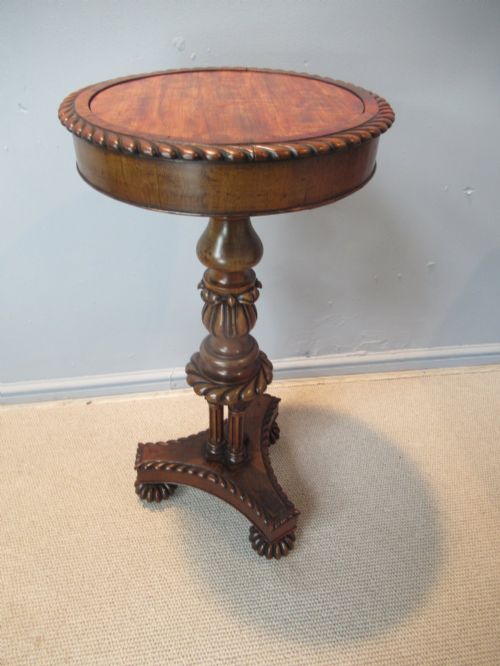
An antique wooden planter table brings living greenery indoors on timber furniture designed specifically to hold potted displays.
Antique Wooden Planter Table
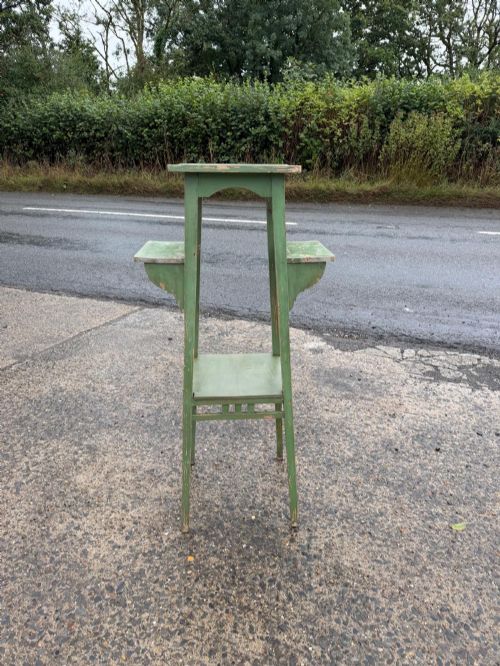
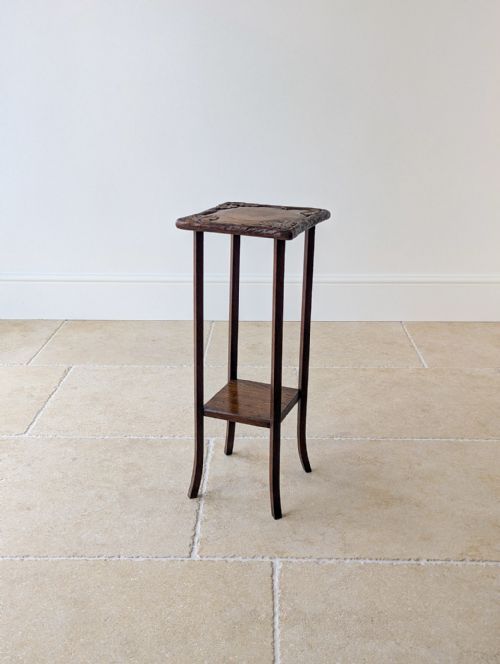
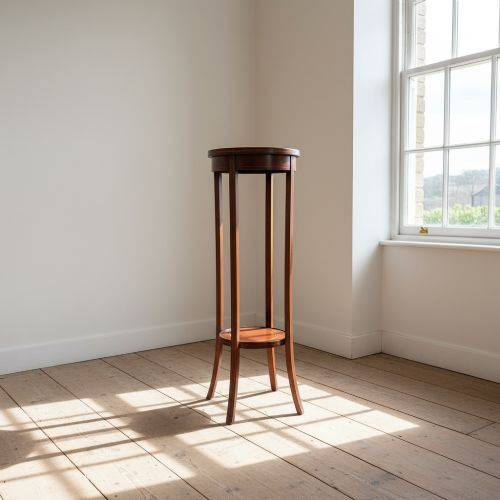
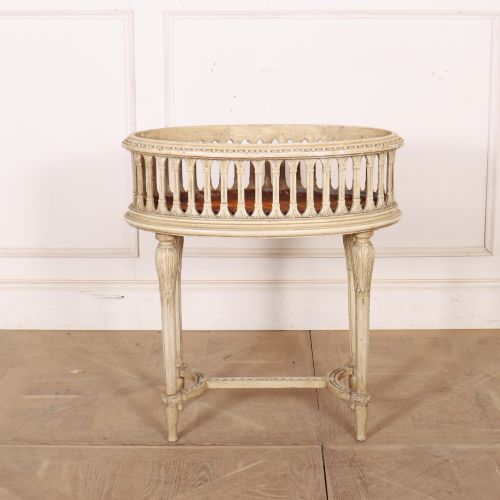
When you search for an antique wooden planter table, you encounter plant stands, jardinieres, and jardiniere tables originating from the nineteenth century up to the Edwardian period. These pieces function as decorative display surfaces for indoor flora, combining table frames with recessed plant wells.
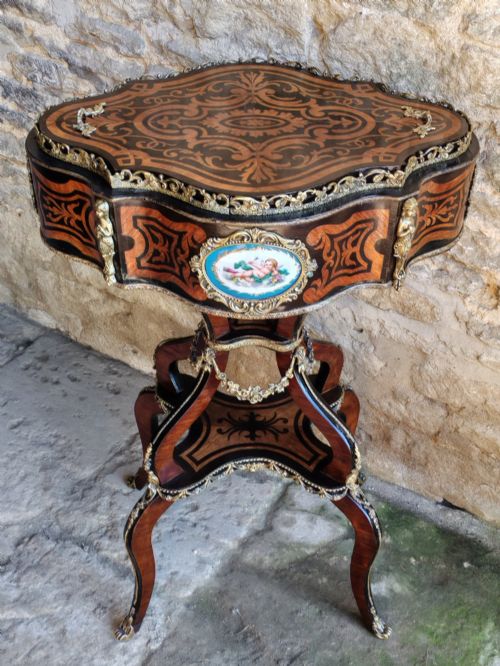
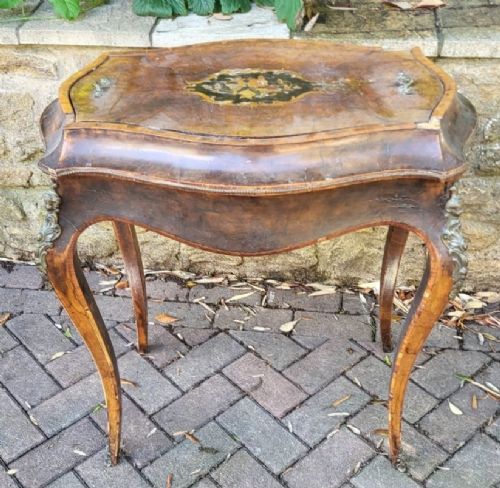
The versions you meet most frequently on this page span Victorian burr walnut, Edwardian mahogany, and French kingwood styles. Many feature inlaid marquetry, lift-off lids, or tiered wooden shelves designed to hold heavy ceramic or metal plant containers safely.
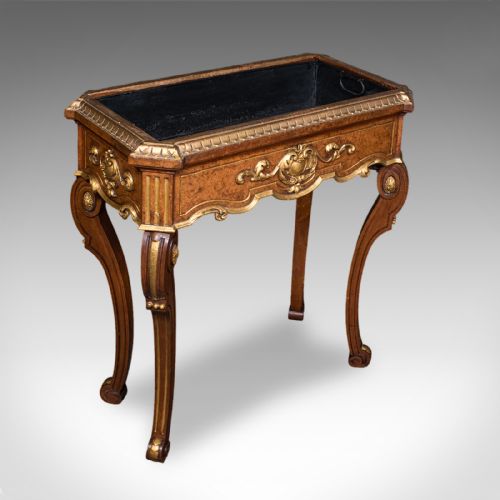
Origin variations include English William IV rosewood stands alongside French Louis XV revival pieces mounted in ormolu and brass. Alongside standard plant stands, you will find occasional wine coolers and cellarettes adapted for similar botanical display uses.
Materials and construction methods
Cabinet makers utilised dense hardwoods such as mahogany, walnut, kingwood, satinwood, and oak as the structural basis for these planter tables. Surfaces often incorporate intricate marquetry inlay, original painted finishes, or carved details including barley twist stems.
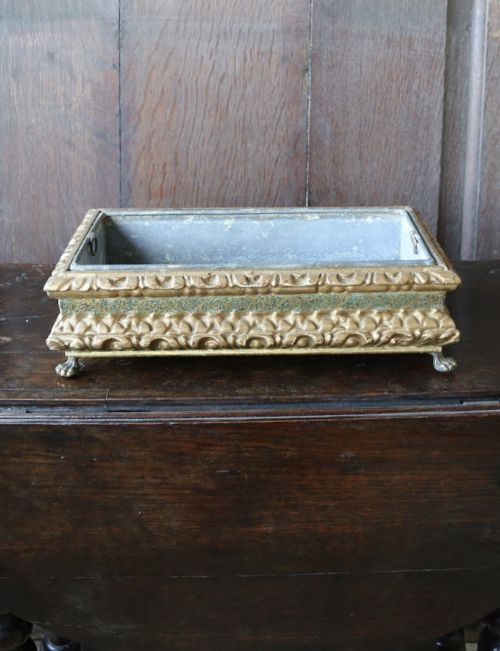
Metal components play a structural and decorative role, with brass, zinc, or ormolu mounts lining the interior planter wells to contain moisture and soil. Ormolu mounts and gilt metal fittings also decorate the exterior aprons and legs of French revival pieces.
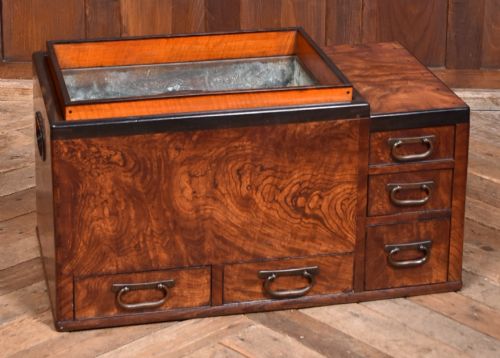
Some nineteenth-century tables served a double life holding ferns by day and iced wine by evening.
Factors determining quality
The standard of timber selection and marquetry detail separates standard items from finer examples in the range. Dense burr walnut, figured mahogany, and intricate satinwood veneers indicate higher workshop production levels.
The integration of metal liners and quality mounts dictates the durability and finish of the piece. Heavy ormolu mounts and intact original zinc or brass liners demonstrate superior original specification.
The Antique Wooden Planter Table Glossary
- Jardiniere
- An ornamental stand or pot designed to hold plants or flowers indoors. These items form the core of the planter table category.
- Ormolu
- Gilded bronze or brass mounts applied to furniture edges and legs. This technique appears frequently on French nineteenth-century pieces.
- Marquetry
- Decorative veneer patterns assembled from various coloured woods to form geometric or floral designs. Cabinet makers applied this to tabletop surfaces and aprons.
- Cellarette
- A fitted cabinet or box originally intended for holding bottles, frequently identified alongside wine coolers and jardiniere tables in period listings.
- Barley Twist
- A turned wooden column carved into a helical screw shape. This style appears on oak and mahogany support stems.
Antique Wooden Planter Table: Frequently Asked Questions
What is an antique wooden planter table?
An antique wooden planter table is a piece of furniture built to hold plants, featuring a recessed top or insert to contain pots and soil. They appeared in various timber forms throughout the nineteenth and early twentieth centuries.
These tables served drawing rooms and garden rooms as decorative display pieces for indoor flora. Many double as occasional tables or wine coolers through the inclusion of lift-off lids and waterproof liners.
How do you date an antique planter table?
Dating relies on identifying timber choices, stylistic revival periods, and construction methods recorded in nineteenth and early twentieth-century examples. Victorian pieces often use burr walnut and marquetry, while Edwardian versions favour inlaid mahogany.
Matching the turned leg styles, metal mount types, and hardware to documented periods helps narrow the manufacturing era. French influences like Louis XV revival also provide clear chronological markers.
Were these tables used for plants or wine?
Many examples served a dual purpose, functioning interchangeably as plant stands, jardiniere tables, and wine coolers or cellarettes. The waterproof metal liners accommodated both potted plants packed with moss and ice-chilled bottles.
Period makers designed the recessed wells and lift-off lids to manage moisture regardless of whether the contents were botanical or liquid.