


Inlaid Marquetry Planter
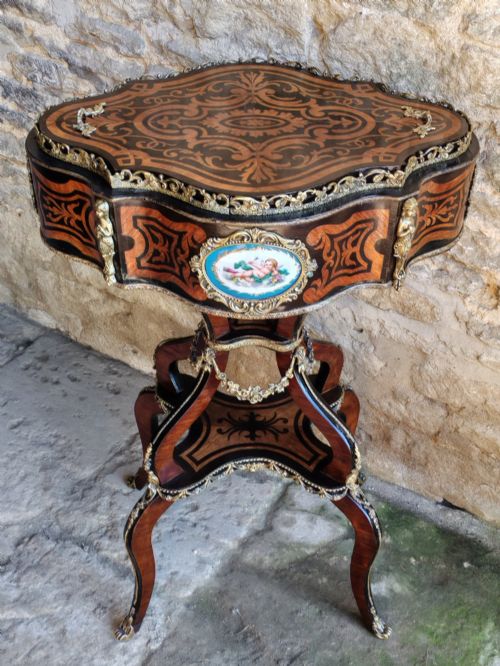
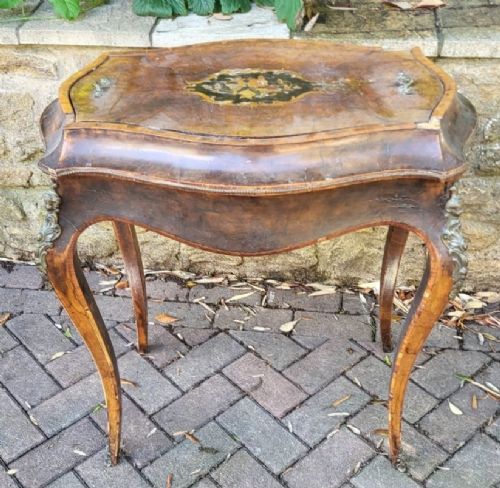
These inlaid marquetry planter examples are timber vessels designed for greenery or cooling wine, combining floral woods with metal mounts to furnish period rooms.
Inlaid Marquetry Planter
The inlaid marquetry planter category encompasses jardinieres, jardiniere tables, and occasional side tables that double as plant stands or wine coolers. Buyers seeking this phrase encounter pieces primarily from the nineteenth century, including Victorian and Belle Epoque eras.
Most items reflect French Napoleon III, Louis XV, Louis XVI, and Dutch Neoclassical styles, merging utility with decorative floral patterns. These dual-purpose vessels functioned as display pieces for flora or as cellarettes during dining.
Materials and technique
Craftsmen built these bodies from walnut, burr walnut, kingwood, rosewood, satinwood, mahogany, aboyna, and ebonised wood, applying contrasting veneers to create detailed marquetry compositions. The woodwork often incorporates lift-off lids and interior metal liners to hold water safely.
Makers finished the timber framework with cast brass, ormolu, and gilt metal mounts, framing the marquetry panels and protecting the edges. This combination of figured timbers and cast metal defines the construction across nineteenth-century workshops.
Many a Victorian dinner guest unknowingly rested a glass near a fern.
Assessing quality
Quality rests in the precision of the marquetry cutting and the depth of the timber grain, particularly in burr walnut and satinwood surfaces. Finer examples display harmonious tonal variations within the floral inlay rather than flat stained veneers.
The crispness of the gilt metal and ormolu mounts separates standard production from superior output, alongside the integration of the interior liner and the stability of the side table structure.
The Inlaid Marquetry Planter Glossary
- Marquetry
- The art of applying pieces of veneer to a structure to form decorative patterns and pictorial designs. Craftsmen use various coloured timbers to achieve naturalistic floral motifs.
- Jardiniere
- A decorative receptacle or stand for holding flowering plants or ferns. These vessels frequently feature waterproof metal liners.
- Ormolu
- Gilded bronze mounts applied to the angles and feet of furniture. This decorative technique adds metallic contrast to polished timber surfaces.
- Burr Walnut
- Timber featuring intricate swirling grain patterns caused by tree growths. This material provides rich visual texture for tabletop and panel inlays.
- Cellarette
- A chest or container originally used for holding bottles of wine near the dining table. Many period jardinieres served this dual function.
Inlaid Marquetry Planter: Frequently Asked Questions
What is an inlaid marquetry planter?
An inlaid marquetry planter is a decorative nineteenth-century wooden vessel designed to hold live plants or serve as a wine cooler.
These pieces often double as occasional side tables with lift-off lids and metal liners.
How were they used historically?
Owners placed them in reception rooms to display potted palms and ferns during the Victorian and Belle Epoque periods.
They also functioned as wine coolers or cellarettes during formal dining occasions.
What woods are typically found?
Construction relies on figured hardwoods including walnut, burr walnut, kingwood, rosewood, mahogany, and satinwood.
Marquetry panels utilise contrasting veneers to picture floral and geometric designs.
Are they waterproof?
Most examples feature removable interior metal liners designed to contain moisture and protect the wooden structure underneath.
Liners vary in material from brass to zinc depending on the maker and period.
How do I date these pieces?
Dating relies on stylistic markers such as French Napoleon III, Victorian Rococo Revival, or Dutch Neoclassical design traits.
Construction methods, timber choices, and mount styles help narrow the origin to the nineteenth century.