


Antique Wooden Corner Furniture
Antique wooden corner furniture brings architectural intelligence to awkward rooms, turning empty angles into display space with Georgian and Victorian craftsmanship.
Antique Wooden Corner Furniture
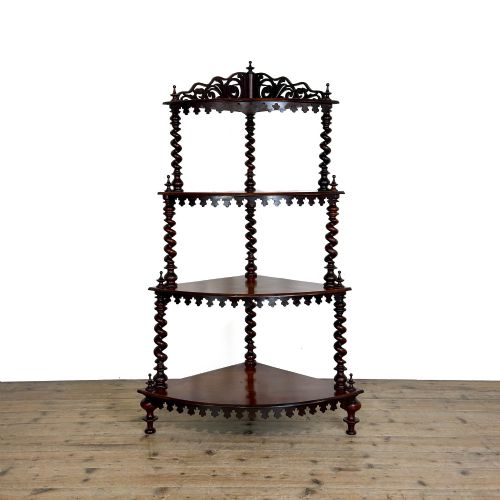
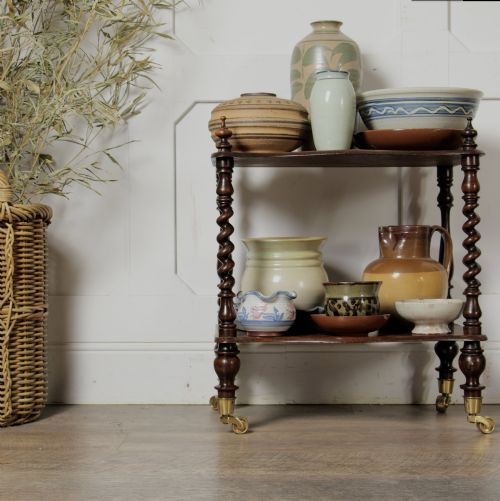
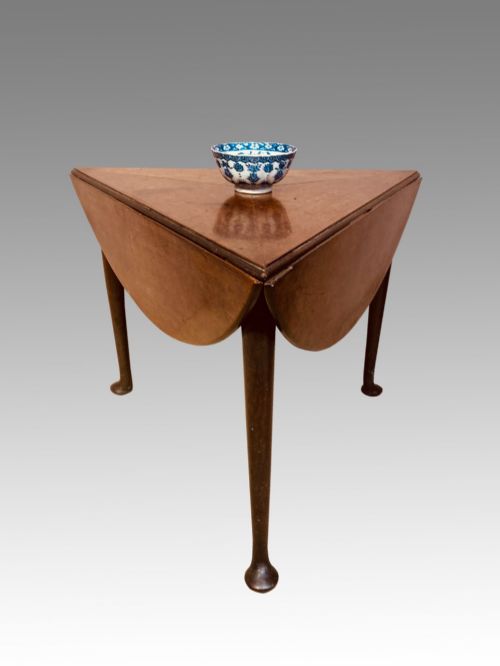
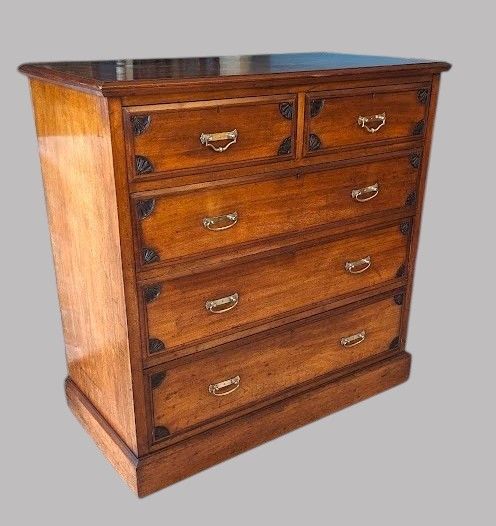
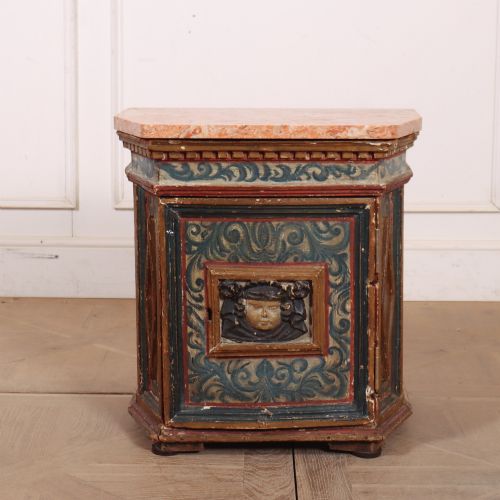
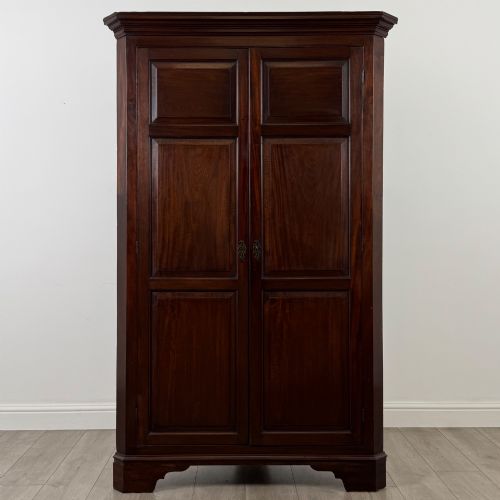
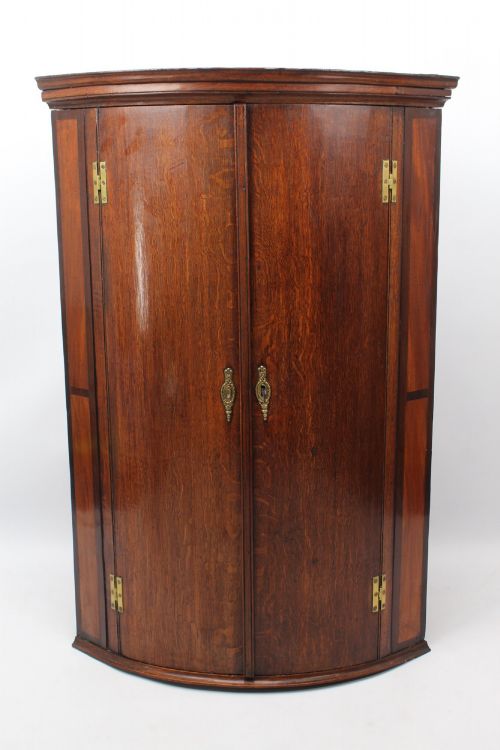
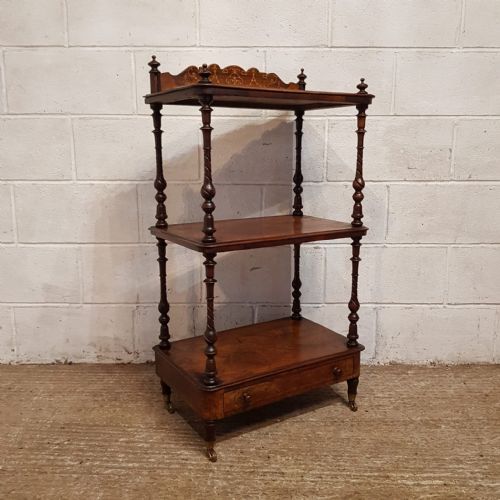
Antique wooden corner furniture encompasses freestanding and hanging pieces designed specifically to utilise room angles. Cabinets, cupboards, washstands and whatnots form the core of what you encounter when exploring this search phrase.
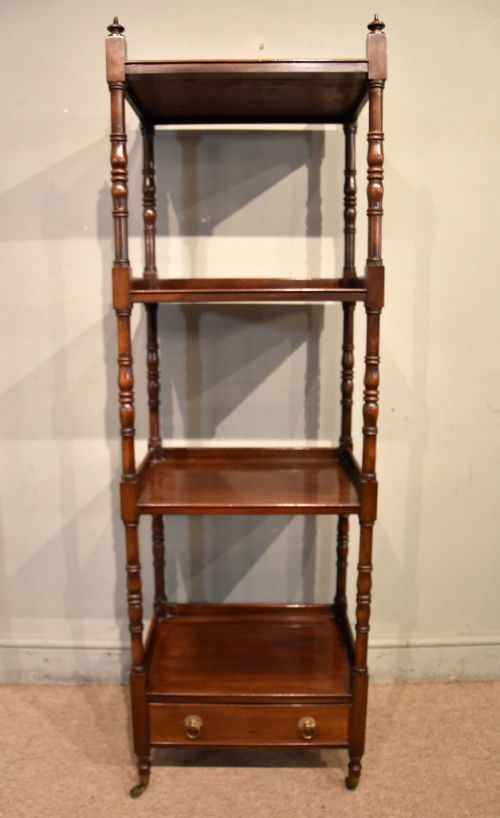
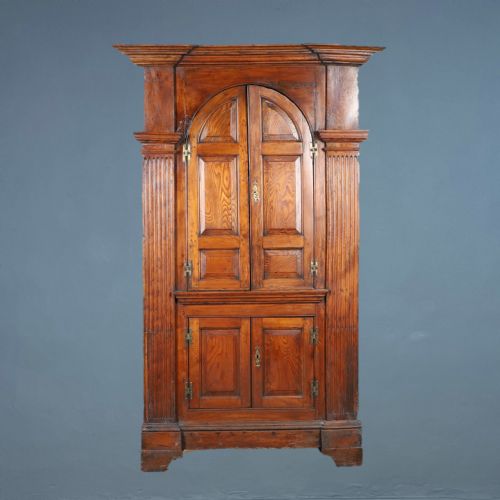
The selection ranges from Georgian mahogany standing cupboards with architectural cornices to Victorian burr walnut multi-tiered whatnots and oak wall-hung units. Regional vernacular pieces in elm, fruitwood and pine also appear frequently among the listings.
Materials and construction methods
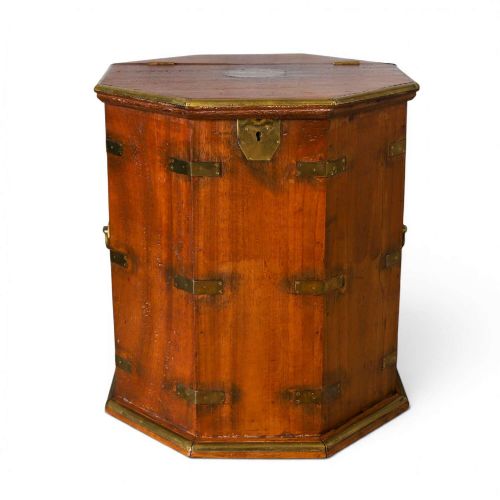
Makers relied on solid timber and choice veneers, shaping mahogany, oak, walnut and elm into sturdy carcasses built to withstand the stresses of room corners. Brass hardware frequently reinforces campaign trunks and cabinets, adding structural durability alongside decorative contrast.
Joinery methods reflect the period, utilising dovetailed drawer construction and panelled doors designed to accommodate seasonal wood movement. Surfaces receive traditional finishes such as polish or wax, highlighting the natural grain of burr walnut, fruitwood and mahogany.
The listings on this site feature corner furniture spanning the Georgian, Victorian, Regency and Edwardian periods, constructed in mahogany, oak, walnut, teak and elm.
Distinguishing quality in corner pieces
Quality rests upon the selection of timber figure, such as richly patterned burr walnut or dense, well-figured mahogany, matched across visible surfaces. Finer examples display meticulous attention to proportion, subtle mouldings and well-executed marquetry inlay rather than relying solely on standard construction.
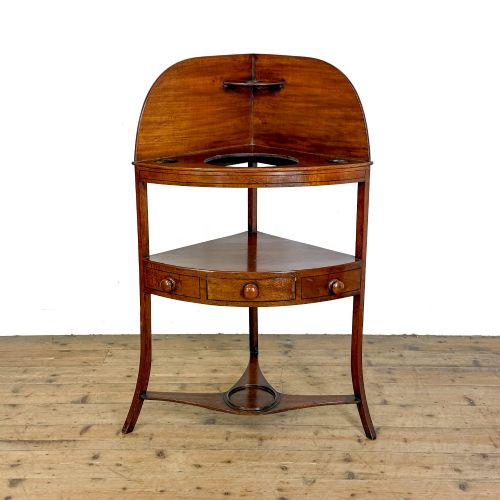
Original hardware, sound structural integrity and untouched surface patination separate superior items from heavily restored or later altered pieces. The integration of functional elements, from clever drop leaves to intact ceramic basins in washstands, dictates the standing of each piece.
Liberty & Co
The Antique Wooden Corner Furniture Glossary
- Whatnot
- A set of open shelves used for displaying ornaments or books, typically featuring three or four tiers supported by slender uprights.
- Campaign furniture
- Portable pieces designed for military officers, characterised by brass corners, inset handles, and folding or dismantling structures.
- Marquetry
- Decorative veneer work forming pictorial or geometric patterns using various coloured woods laid onto a carcass.
- Bow front
- A convex curved front contour found on cabinets, chests and cupboards, popular during the Georgian period.
- Architectural cornice
- A decorative moulded projection topping a cabinet or cupboard, referencing classical building design.
Antique Wooden Corner Furniture: Frequently Asked Questions
What is an antique corner cupboard?
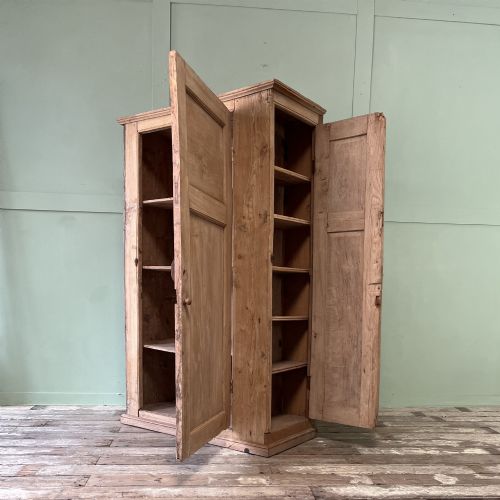
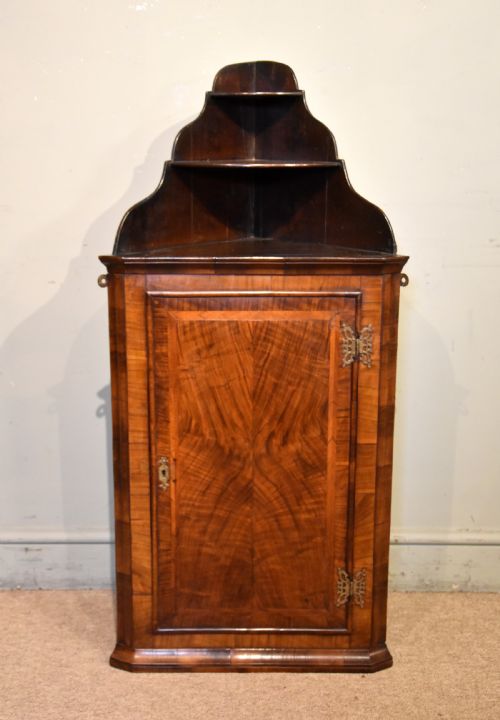
An antique corner cupboard is a specialised storage piece built with a triangular or wedge-shaped footprint designed to fit directly into the corner of a room. These units make efficient use of space that standard rectangular furniture cannot occupy.
They appear as hanging wall cabinets or tall floor-standing cupboards with panelled or glazed doors. Inside, shaped shelves typically display porcelain, glassware or provisions.
How do I date a wooden corner cabinet?
Dating relies on examining construction techniques, timber choices and stylistic details like cornices and feet. Georgian pieces often feature solid mahogany or oak with fielded panels and bracket feet.
Victorian examples introduce richer veneers like burr walnut alongside more eclectic decorative carving. Hardware, drawer dovetailing and secondary woods inside the carcass further clarify the manufacturing period.
Where should I place corner furniture?
Corner furniture belongs in neglected angles of reception rooms, hallways, dining rooms or bedrooms where standard cabinets obstruct walkways. Floor-standing cupboards anchor a room by drawing the eye upwards, while wall-hung units free up valuable floor space.
Pairing a corner washstand or cabinet with balanced lighting allows the timber grain and architectural mouldings to stand out.
What woods were used in these pieces?
Cabinet makers utilised a variety of native and exotic timbers depending on the period and regional origin. Mahogany and oak dominate Georgian and Victorian formal pieces, while regional items often employ elm, fruitwood, beech or pine.
Decorative surfaces frequently showcase figured veneers such as burr walnut, birch and exotic grain patterns.