
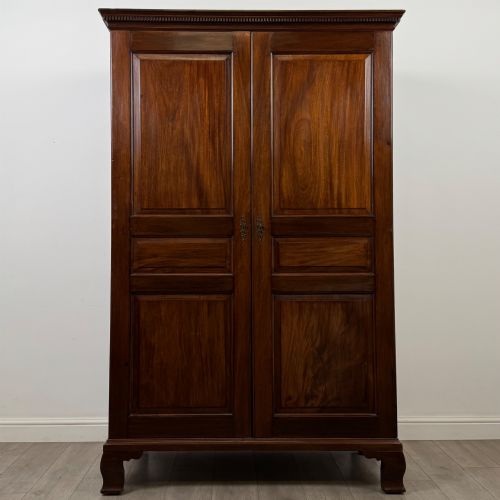
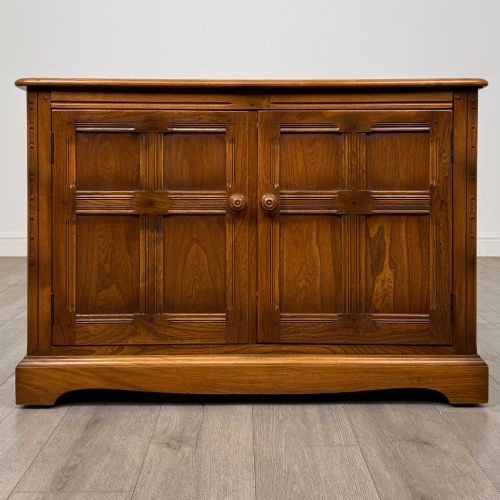
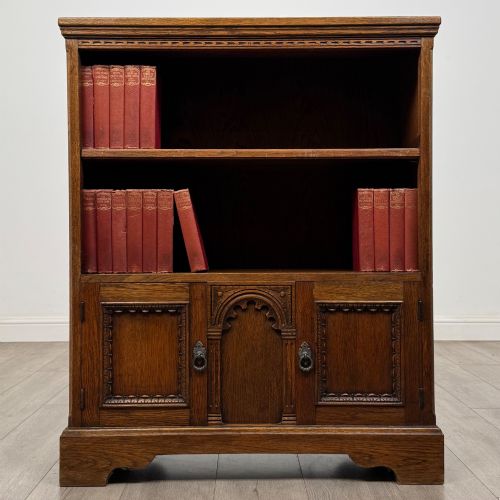

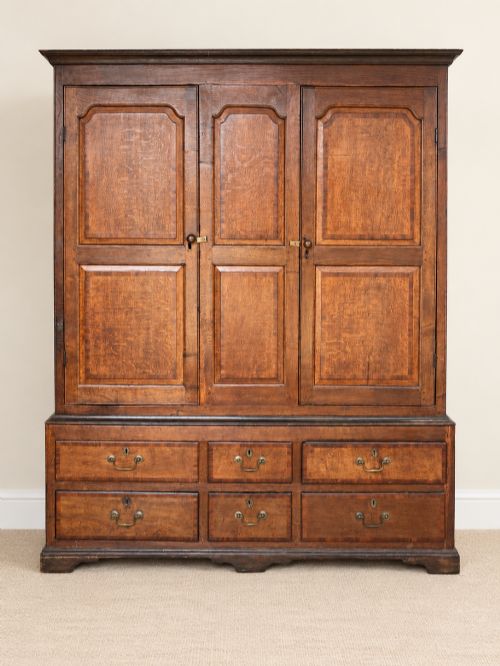
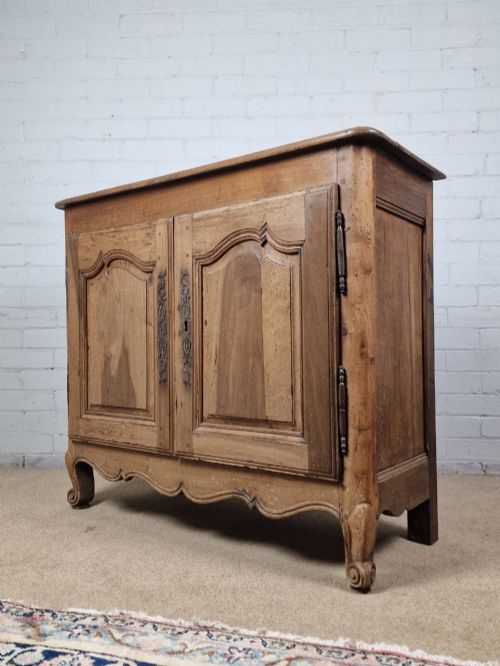
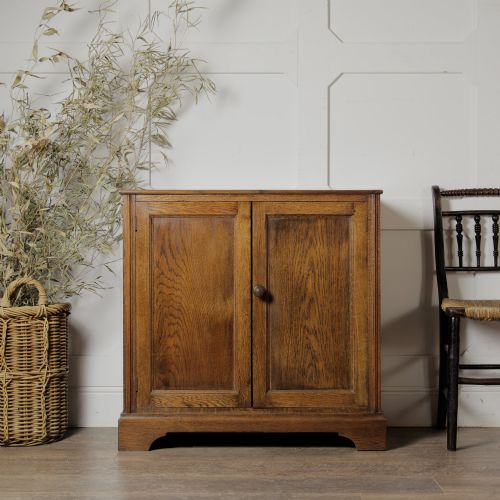
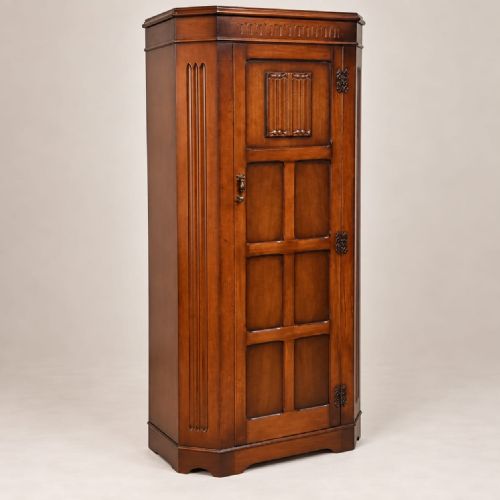
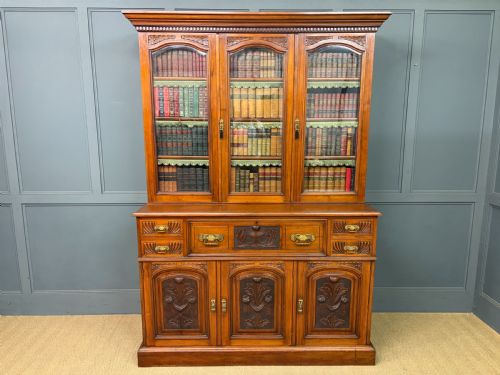

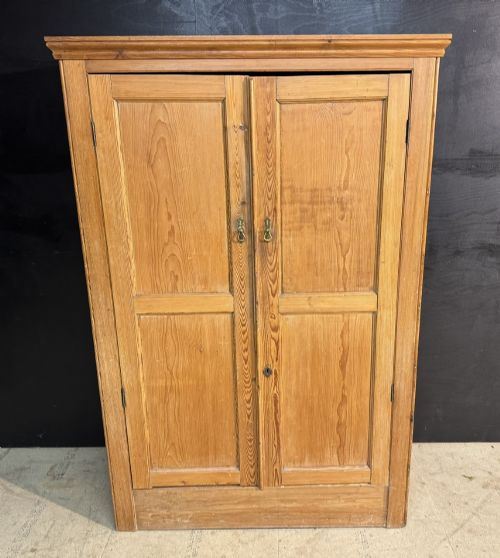
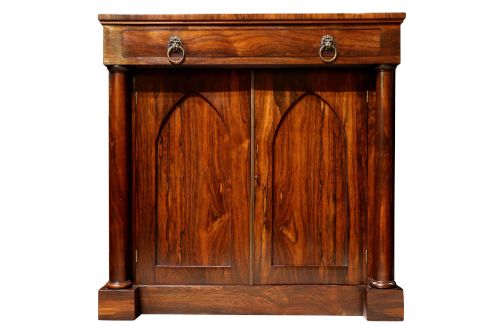
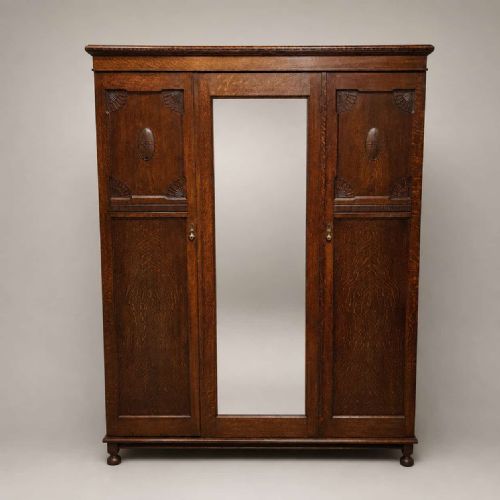
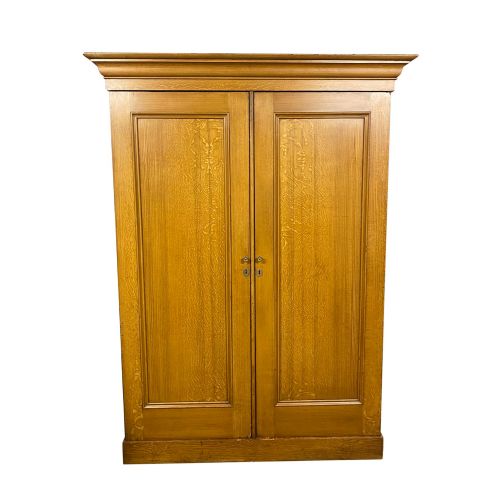
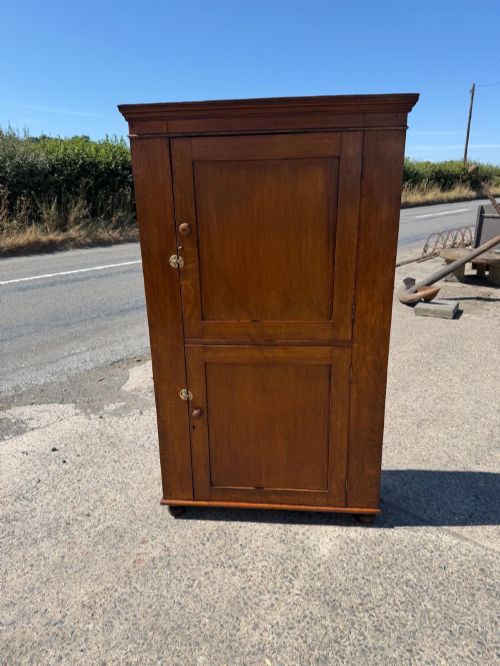
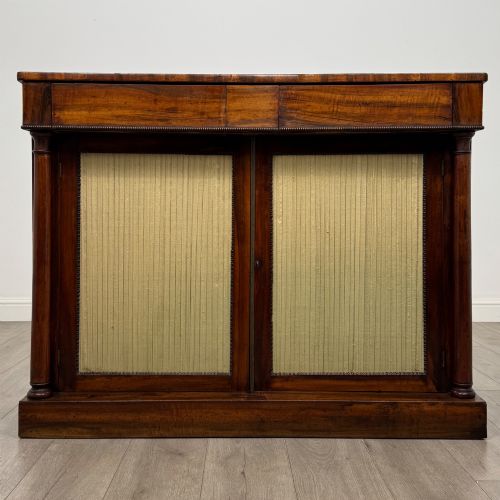
Panelled Door Cupboard
A panelled door cupboard brings solid construction and rich timber texture to daily storage, offering robust utility built to last.
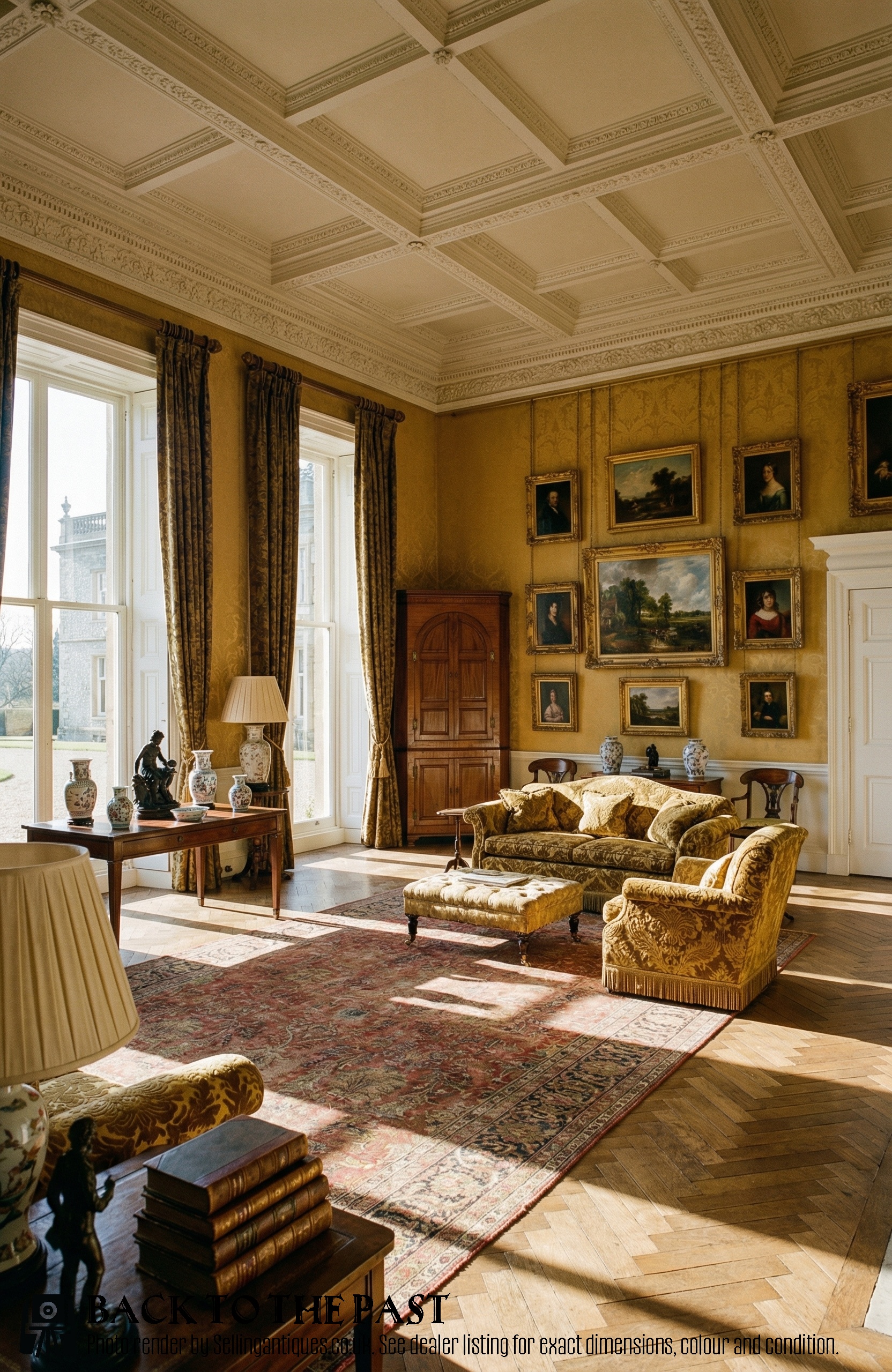
Panelled Door Cupboard
A panelled door cupboard provides substantial storage across diverse interior spaces, taking the form of wardrobes, side cabinets, and corner units. These functional pieces appear in utilitarian pine, rich mahogany, and sturdy oak.
The pieces on this page span several centuries, with robust examples originating from the eighteenth, nineteenth, and early twentieth periods. Buyers encounter traditional housekeepers variants, compact hall units, and corner cabinets designed for domestic rooms.
Originating from British workshops and continental sources like France and Italy, these storage items reflect regional woodworking traditions. Oak and pine predominate in domestic utility forms, while mahogany and rosewood define formal Georgian and Regency pieces.
How They Were Made
Cabinet makers utilised solid timbers such as oak, mahogany, pine, and walnut, frequently mounting doors with fielded or geometric panels to prevent warping. Brass hinges, iron latches, and wooden bun feet complete the primary construction.
Surface finishes range from natural wax and polished grain to original painted treatments and scumble faux oak effects. Joinery techniques rely on traditional mortise and tenon joints to secure the heavy timber frames.
Listings feature oak, mahogany, pine, and rosewood timbers spanning the eighteenth, nineteenth, and early twentieth centuries.
What Varies in Quality
The grade of timber and the precision of the panel assembly dictate the overall standard of the cabinet. Superior examples feature dense, well-figured grain in woods like oak and mahogany, paired with clean interior joinery.
Original hardware, untouched surface patination, and intact period finishes distinguish finer examples from altered pieces. The subtlety of carved detailing and the accuracy of the door alignment separate standard utility items from higher workshop output.
The Panelled Door Cupboard Glossary
- Fielded panel
- A wooden panel with bevelled edges that fits into a grooved frame. This traditional method allows the timber to expand and contract with humidity changes.
- Housekeepers cupboard
- A large storage piece traditionally used for linens and provisions in domestic service. These capacious units typically feature multiple panelled doors and internal shelving.
- Compactum
- A fitted wardrobe designed to maximise interior storage with hanging space and drawers. These multi-functional pieces emerged during the nineteenth period.
- Scumble paintwork
- A decorative surface technique simulating natural wood grain through layered translucent glazes. Artisans applied this finish to utilitarian pine to mimic expensive hardwoods.
- Corner cupboard
- A triangular storage unit designed to fit neatly into room angles. These space-saving cabinets appear in both wall-hanging and floor-standing formats.
Panelled Door Cupboard: Frequently Asked Questions
Where should I place a panelled door cupboard?
These cabinets suit hallways, living rooms, and bedrooms needing practical storage. Their substantial timber presence anchors a room while keeping contents concealed behind solid doors.
Ensure adequate floor space for door clearance, particularly with double-door variants or models positioned in tight corners.
How do I care for antique pine and oak?
Maintain timber surfaces by applying natural beeswax periodically to nourish the grain and protect the finish. Avoid placing cabinets near direct heat sources to prevent wood splitting.
Dust regularly with a soft dry cloth and address minor scuffs gently without stripping the historic patina.
What is the difference between oak and mahogany cupboards?
Oak cupboards typically reflect earlier domestic traditions, featuring prominent grain patterns and robust utility construction. They suit rustic or traditional country interiors.
Mahogany examples lean toward formal Georgian and Victorian aesthetics, offering smoother reddish-brown surfaces and finer decorative detailing.
Are these cupboards suitable for modern clothing?
Many larger variants function well as wardrobes or general storage units for modern homes. Internal configurations vary from open shelving to hanging space depending on the original purpose.
Buyers should check internal dimensions carefully to ensure the depth accommodates modern hangers and folded items.