

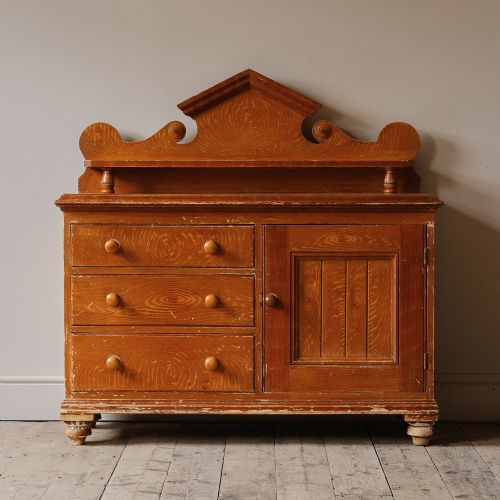
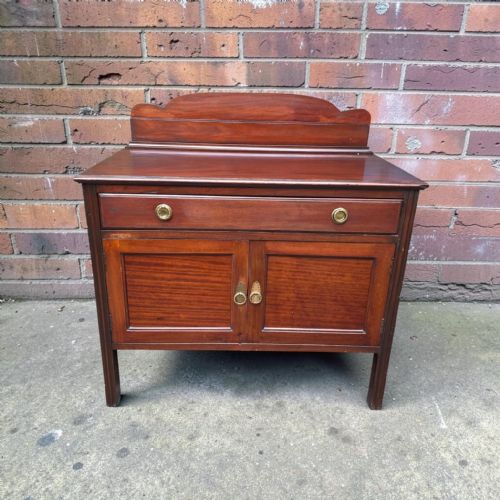
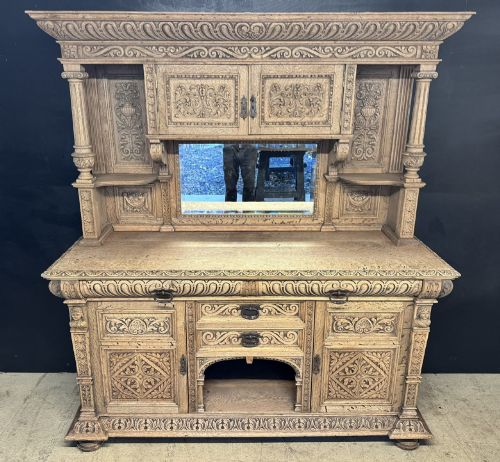
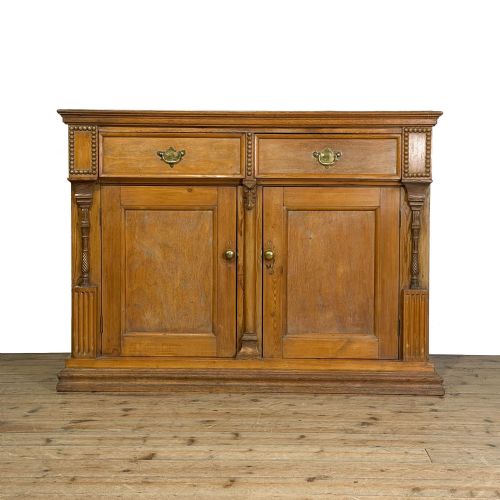


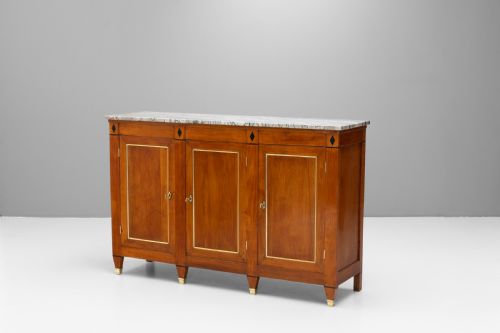
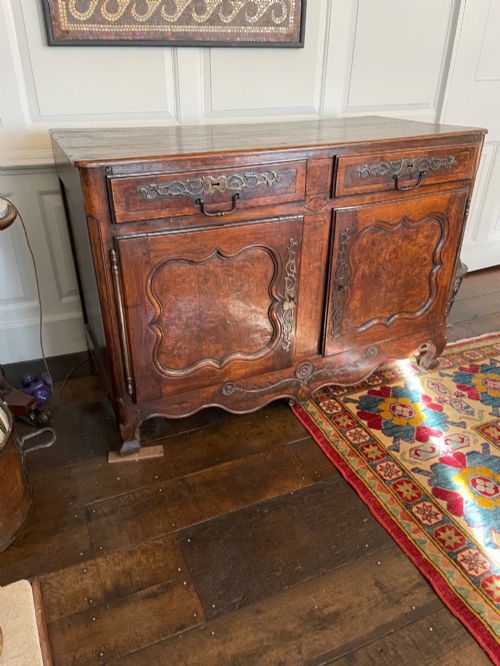
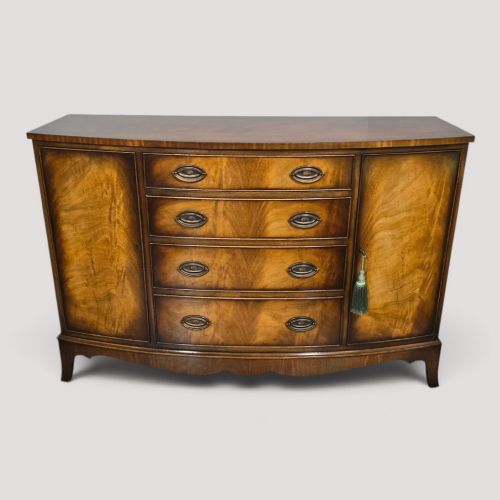
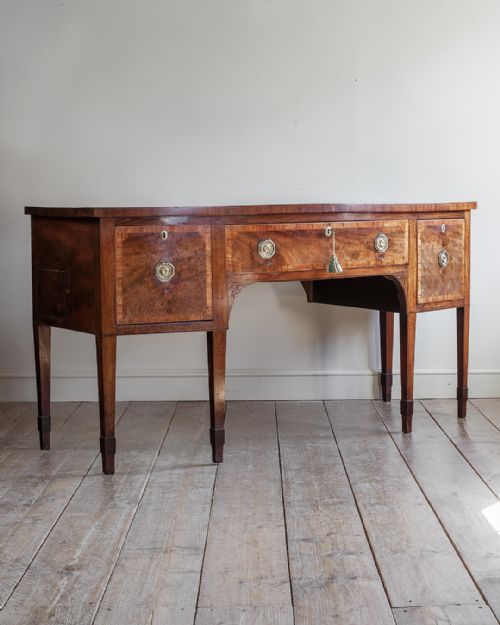
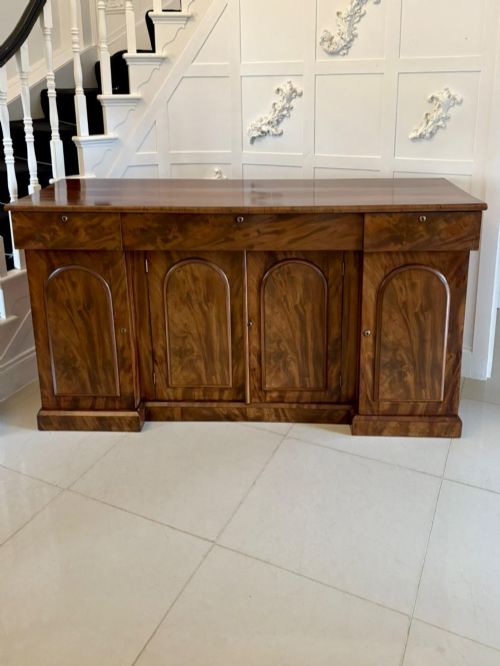
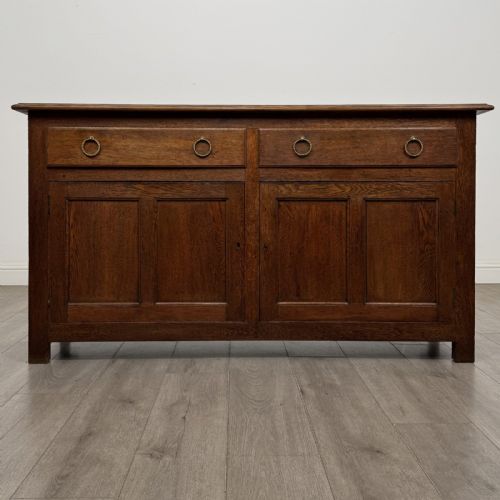
Antique Wooden Buffet Cabinet
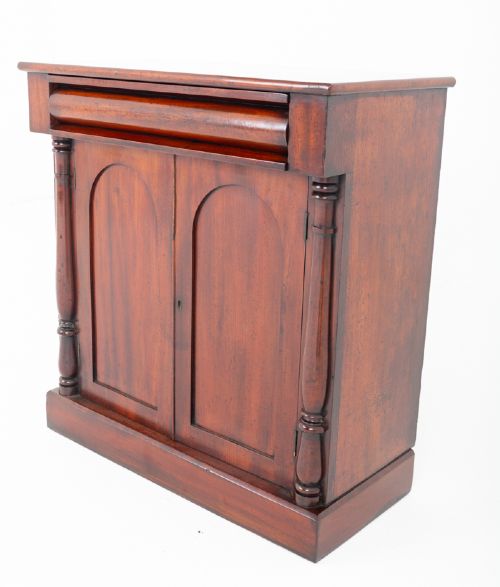
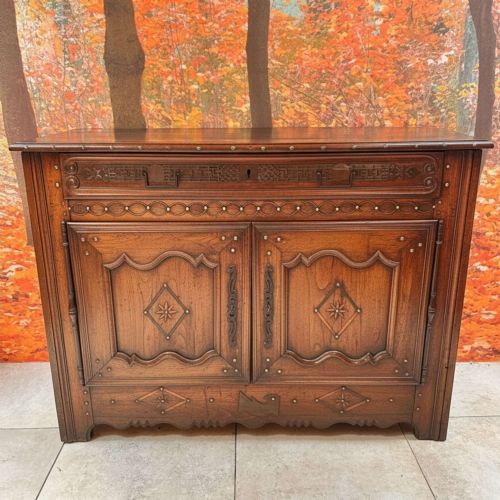
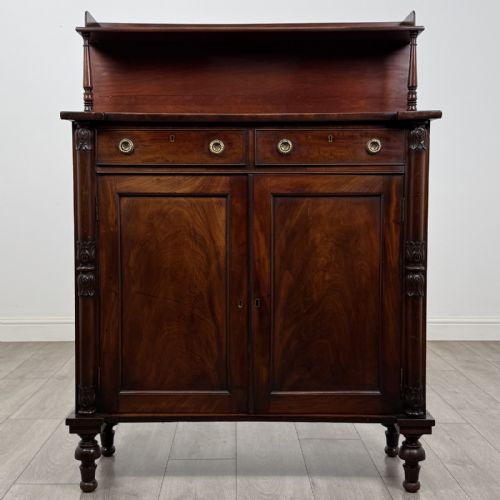
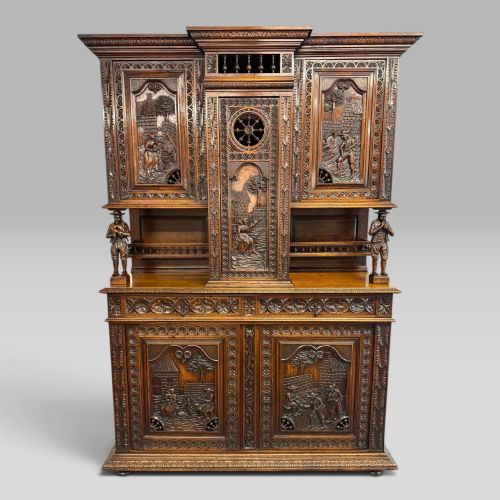
These substantial antique wooden buffet cabinet pieces anchor a dining room or hall, bringing period warmth and practical storage.
Antique Wooden Buffet Cabinet
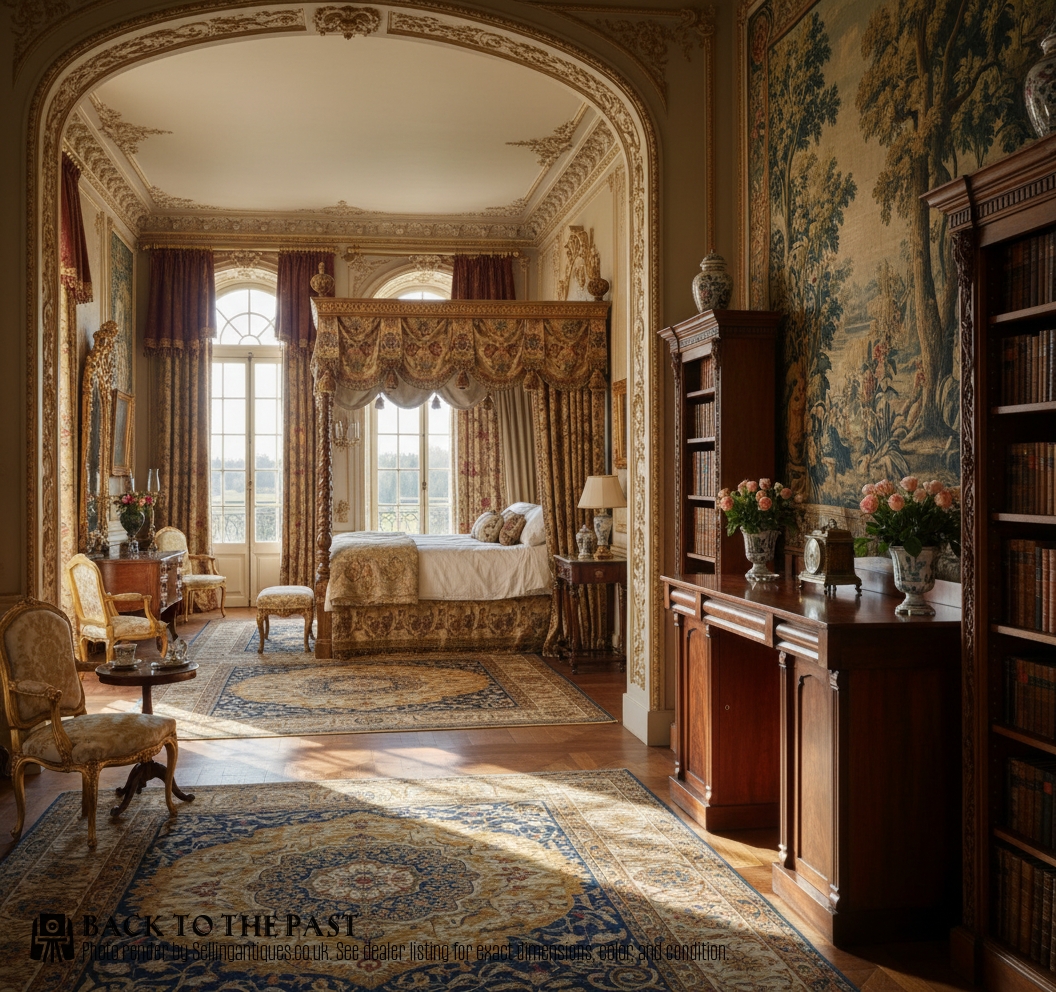
When searching for an antique wooden buffet cabinet, buyers encounter a broad selection of forms spanning the Georgian, Victorian, and Edwardian eras. These storage items appear under names such as sideboards, chiffoniers, dressers, and credenzas, built to serve dining rooms and living spaces.
The version most commonly met on this page is the mahogany sideboard from the nineteenth century, often featuring bow-front designs or carved details. Oak and walnut examples also appear frequently, alongside French and continental side cabinets.
How they were made
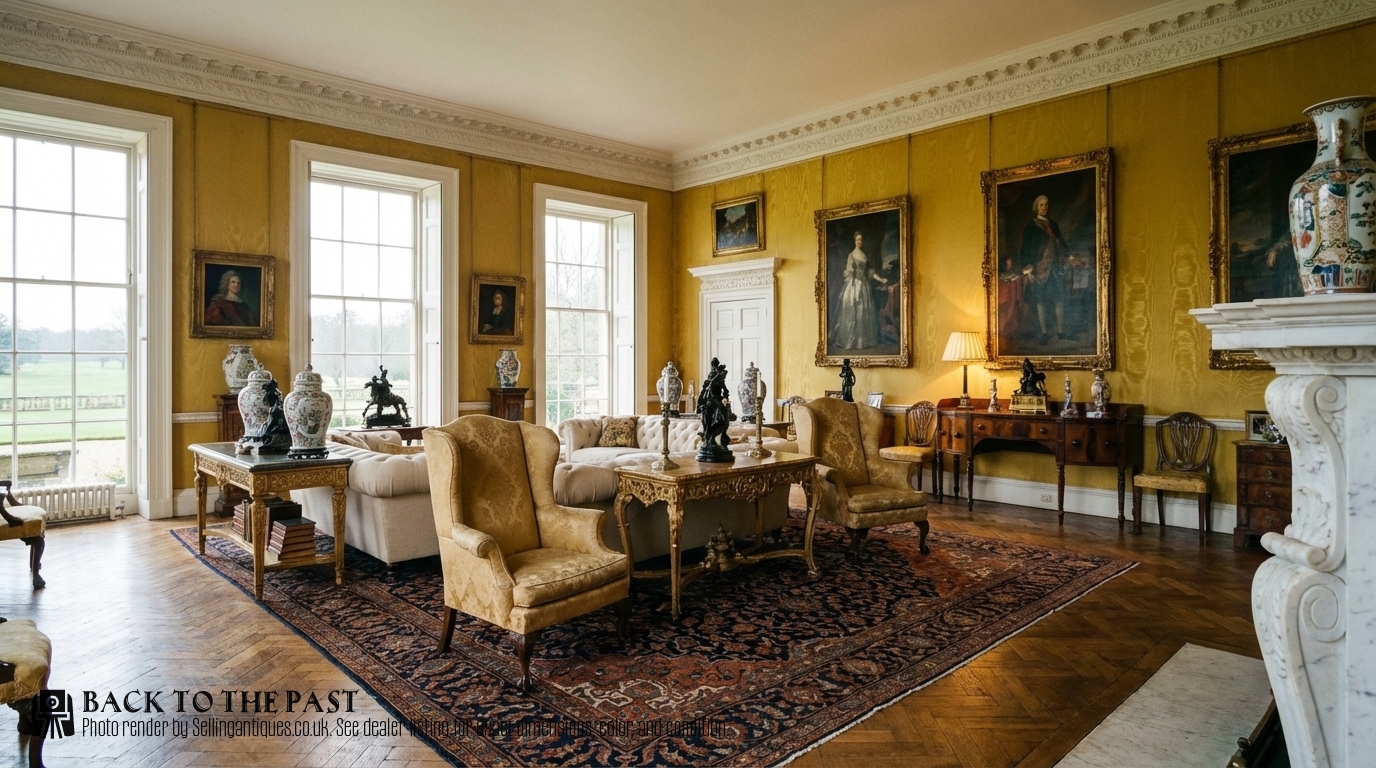
Cabinetmakers constructed these pieces primarily using solid timbers like mahogany, oak, and walnut, frequently applying veneers such as burr walnut, flame mahogany, and satinwood to flat surfaces. Brass hardware, glass doors, and marble tops appear on select examples to accent the timber frames.
Joinery techniques ranged from straightforward carcase construction to intricate curved serpentine shaping and inlaid decorative bands. Carved wooden ornamentation, mirrored backs, and grill-front doors highlight the hand-working methods typical of nineteenth and early twentieth-century workshops.
Antique Wooden Buffet Cabinet Retail Price Guide 2026
Typical asking prices for wooden buffet cabinet among the pieces listed under this phrase on Sellingantiques today, from the lower quarter to the upper quarter. They describe what is for sale here now, not the wider market.
Materials range from solid oak and mahogany to decorative burr walnut, flame mahogany, and satinwood veneer.
What varies in quality
The standard of a piece rests heavily on the selection of the timber and the crispness of any carved or inlaid details. Figured grains, matched veneers, and substantial solid mahogany or oak distinguish finer examples from simpler utility furniture.
Proportion and architectural balance define the upper tier of these items, particularly in breakfront and serpentine forms. Superior execution shows in the smooth operation of drawers and doors, alongside integrated architectural elements like mirror backs or marble surfaces.
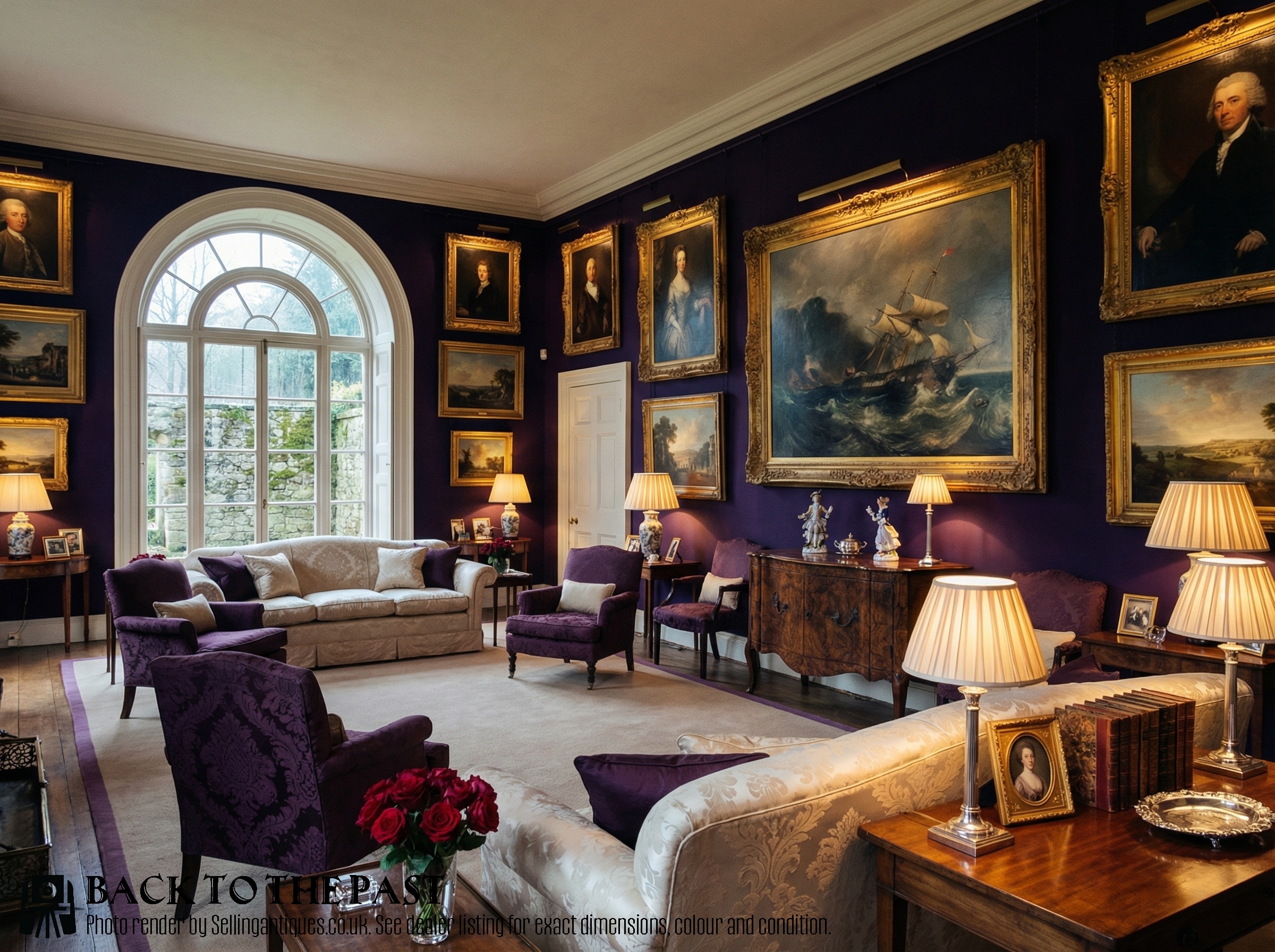
Maurice Adams
The Antique Wooden Buffet Cabinet Glossary
- Bow front
- A convex curved cabinet front popular in Georgian and Victorian case furniture.
- Breakfront
- A piece of furniture where the central section projects forward from the side sections.
- Chiffonier
- A low nineteenth-century sideboard or cabinet, frequently incorporating a shelf or mirror on top.
- Serpentine
- A shape featuring a concave central section flanked by two convex curves.
- Veneer
- A thin layer of figured wood applied to a secondary timber base to create decorative surfaces.
Antique Wooden Buffet Cabinet: Frequently Asked Questions
What is an antique wooden buffet cabinet used for?
These pieces served historically for storing and serving food, holding tableware, linens, and dining room accessories.
Today, they function as substantial storage units and display surfaces in dining rooms, hallways, and living areas.
How do I tell Georgian pieces from Victorian ones?
Georgian examples often display restrained classical proportions, fine mahogany veneers, and subtle string inlay.
Victorian pieces tend to be heavier in scale, frequently incorporating elaborate carvings, mirror backs, and darker walnut or figured mahogany.
What woods were commonly used?
Mahogany served as the primary timber for formal dining room furniture across the eighteenth and nineteenth centuries.
Oak appears frequently in earlier and revival pieces, while walnut and satinwood provided decorative figured surfaces.
Where should I place a sideboard at home?
These cabinets suit dining rooms for holding dinnerware, or large entrance halls as statement console storage.
Ensure adequate wall space for the depth of the piece, particularly for bow-front or breakfront designs.