

Antique Wood Credenza
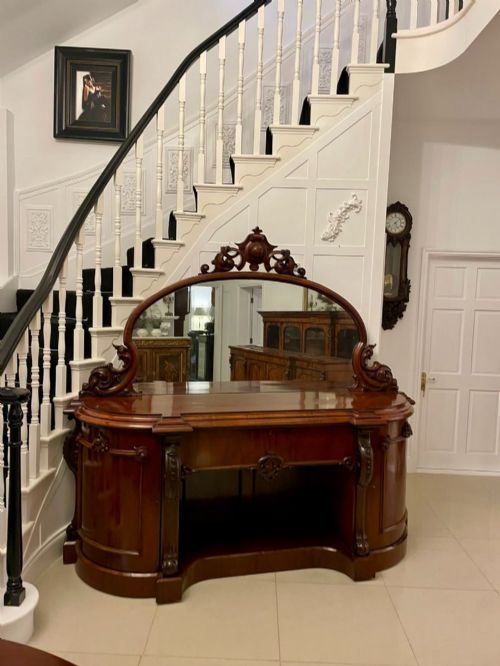
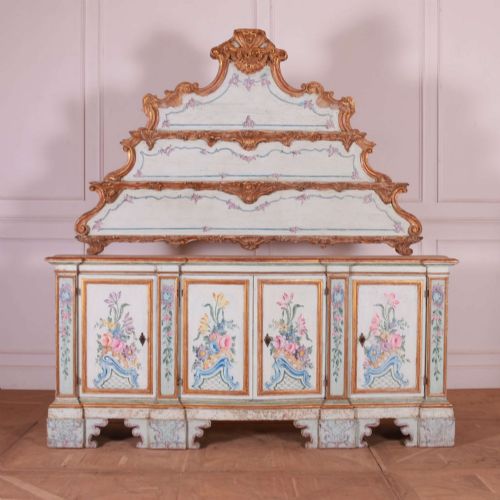
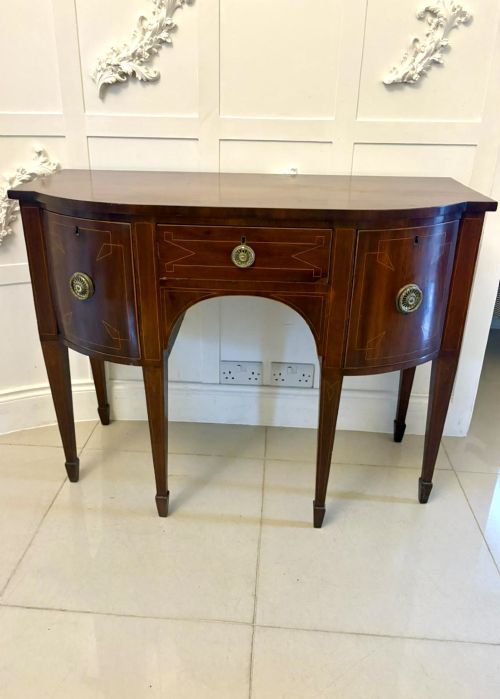
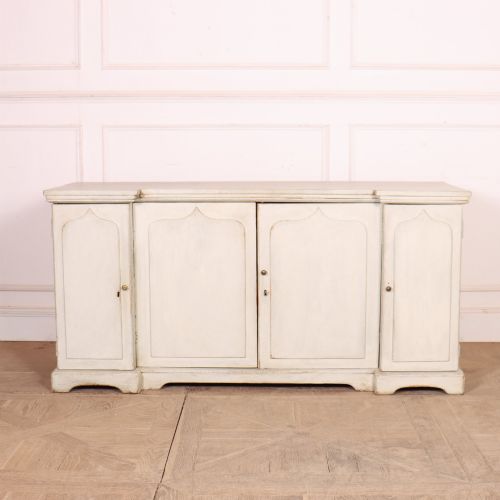
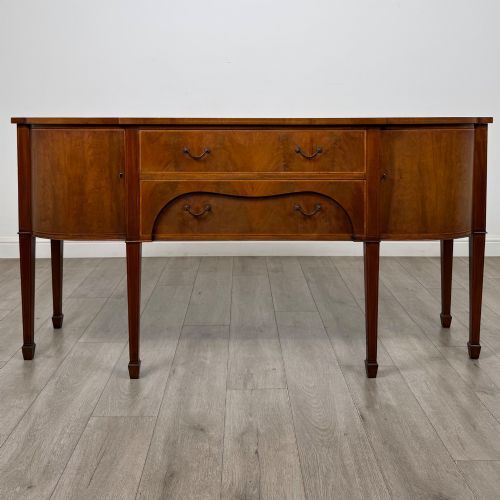
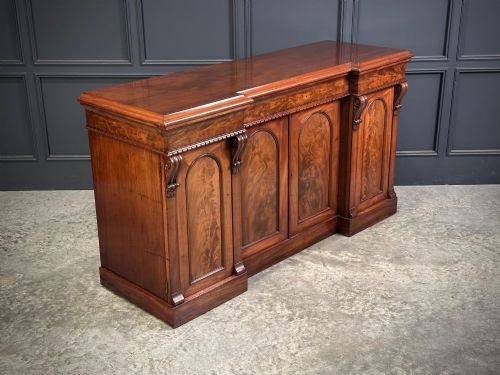
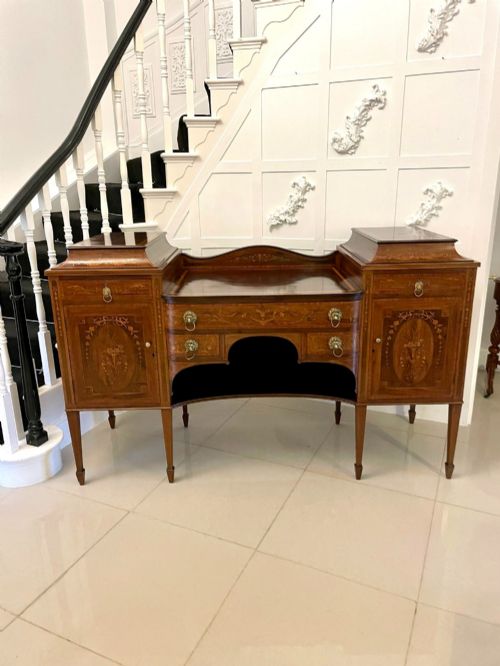
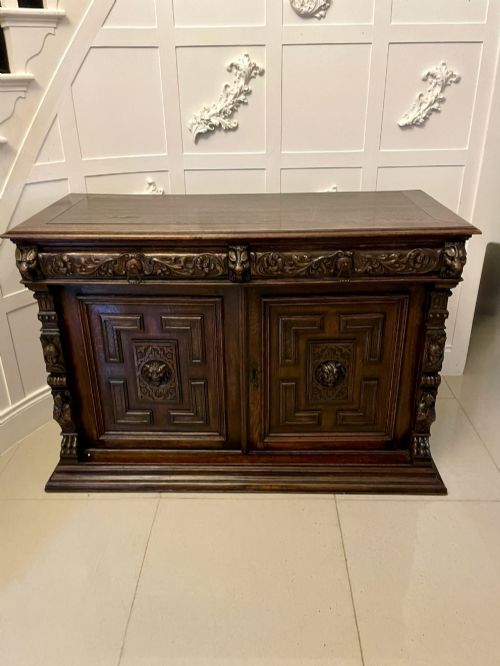
An antique wood credenza brings rich timber and architectural presence to a room, serving as a handsome storage surface for dining rooms or reception spaces.
Antique Wood Credenza
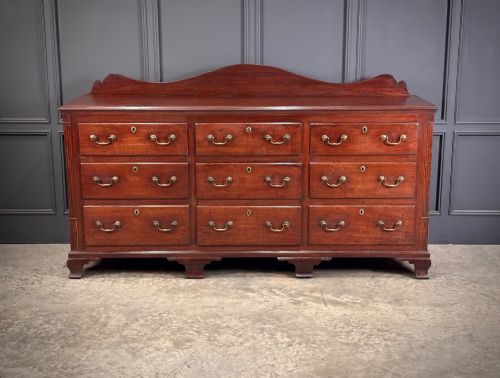
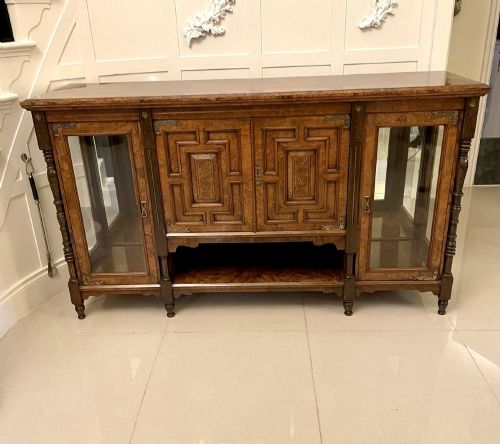
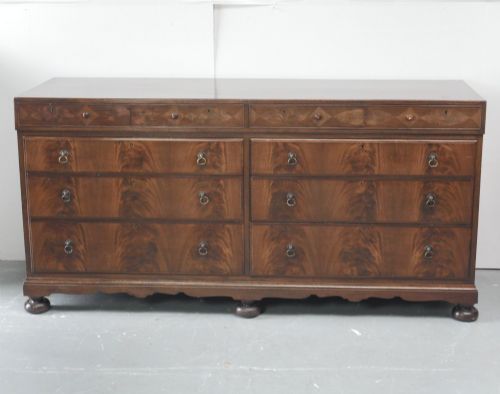
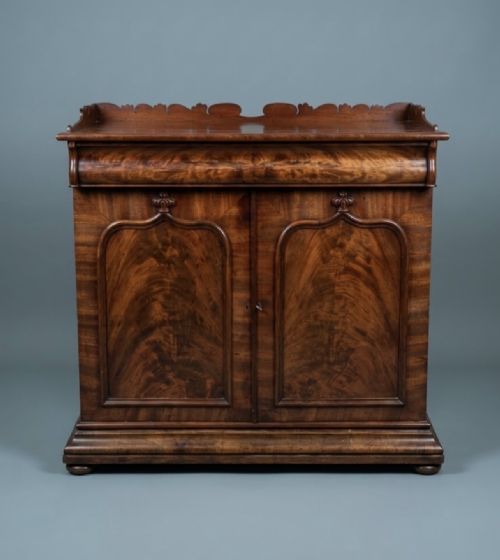
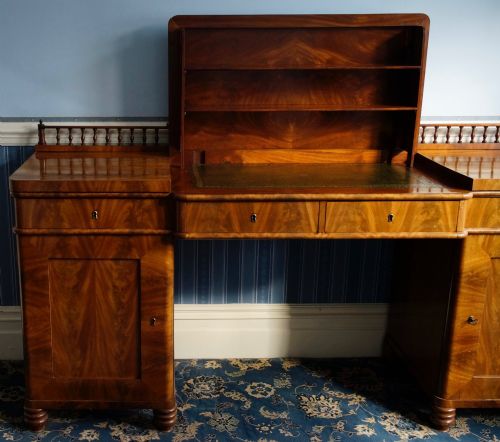
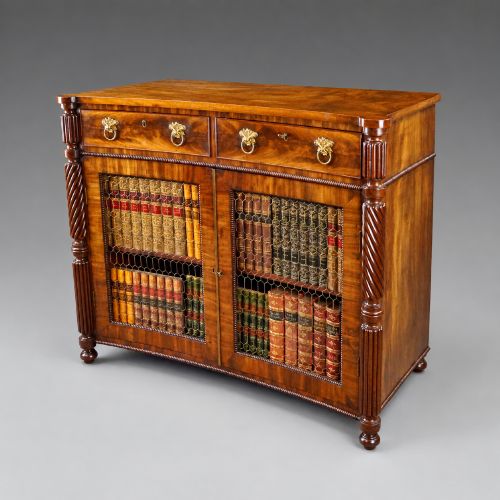
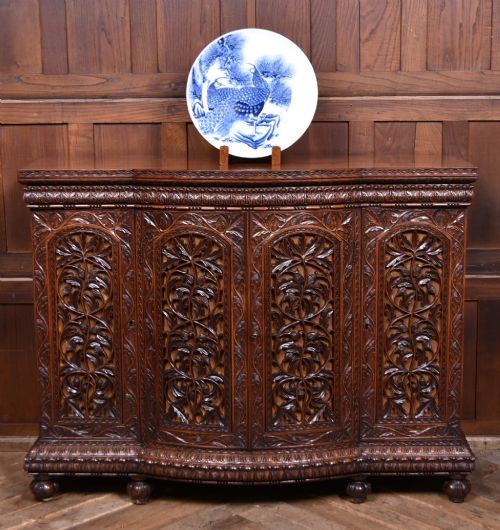
When searching for an antique wood credenza, buyers encounter a variety of substantial timber storage furniture spanning several centuries of cabinet-making. These pieces encompass related forms such as sideboards, side cabinets, chiffoniers, and console tables designed for display and containment.
The selections on this page run from the clean lines of Georgian and Regency periods through the heavier carved oak and mahogany expressions of the Victorian era, extending into Edwardian interpretations. Many items demonstrate the evolution of domestic storage from simple server boards to elaborate multi-door cabinets.
Mahogany, rosewood, and oak dominate the origins of these pieces, alongside walnut and exotic veneers like amboyna and flame mahogany. Regional variations introduce specific structural traits, from Scottish and English workshops to French and Anglo-Indian variants.
Judging quality and craftsmanship
Quality rests in the selection of the timber figures, the precision of the marquetry inlay, and the crispness of the hand-carved details across the facade. Superior examples exhibit harmonious proportions, thoughtful matching of wood grain across multiple doors, and integration of high-grade mounts.
Antique Wood Credenza Retail Price Guide 2026
Typical asking prices for wood credenza among the pieces listed under this phrase on Sellingantiques today, from the lower quarter to the upper quarter. They describe what is for sale here now, not the wider market.
The listings span from the eighteenth century through the Edwardian era, showing a strong representation of Victorian mahogany and rosewood forms.
Whytock & Reid·Hewetsons London·Collinson & Lock·Gillows
The Antique Wood Credenza Glossary
- Credenza
- A low cabinet or sideboard, historically used for displaying plate or serving food, often featuring glass doors or gilt bronze mounts in nineteenth-century interpretations.
- Chiffonier
- A compact sideboard or cabinet developed during the Regency and Victorian periods, typically featuring doors enclosing shelves and sometimes a raised tier or mirror back.
- Marquetry
- Decorative veneer work arranged in pictorial or geometric patterns using various coloured woods, shells, or ivory to adorn cabinet doors and drawer fronts.
- Serpentine
- A curved furniture front characterised by a convex centre flanked by concave ends, creating a flowing, undulating line.
- Breakfront
- A piece of furniture where the central section projects forward from the flanking outer sections, adding architectural depth to the facade.
- Ormolu
- Gilded bronze ornamentation applied to furniture, popular in high-status nineteenth-century cabinet-making for mounts and feet.
Antique Wood Credenza: Frequently Asked Questions
How do I distinguish a credenza from a sideboard?
Credenzas traditionally feature enclosed cupboards across the entire low profile, frequently incorporating glass doors for display purposes. Sideboards often include a combination of central drawers flanked by deeper cabinets or serving surfaces.
While the terms overlap in nineteenth-century nomenclature, credenzas lean toward formal reception rooms whereas sideboards find their origins in dining spaces.
Where should I place a credenza at home?
These low cabinets suit dining rooms for storing tableware, linens, and serving pieces on top. They also anchor living rooms and hallways as display surfaces for lamps, ceramics, and books.
Ensure adequate wall space to accommodate the projecting architectural mouldings and door swings typical of these substantial timber forms.
How can I tell the Victorian pieces apart from Georgian ones?
Georgian examples emphasise restrained classical proportions, clean mahogany surfaces, and subtle string inlay or satinwood banding. They reflect an architectural balance suited to eighteenth-century interiors.
Victorian pieces introduce heavier carved ornamentation, darker rosewood or burr walnut timbers, mirror backs, and elaborate marquetry, showing greater industrial capability and eclectic taste.
What maintenance do antique wood surfaces require?
Maintain timber surfaces by keeping them away from direct heat sources and strong sunlight that can dry out veneers. Regular dusting with a soft cloth preserves the polish without chemical buildup.
Occasional application of appropriate wax feeding helps nourish the wood grain and protects the historic finish against moisture.