

Antique Wine Bottle Stands
These antique wine bottle stands protect dining tables from spills while presenting bottles with period elegance.
Antique Wine Bottle Stands
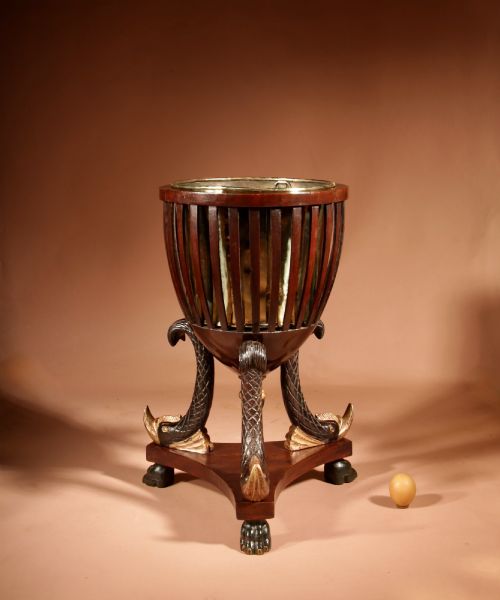
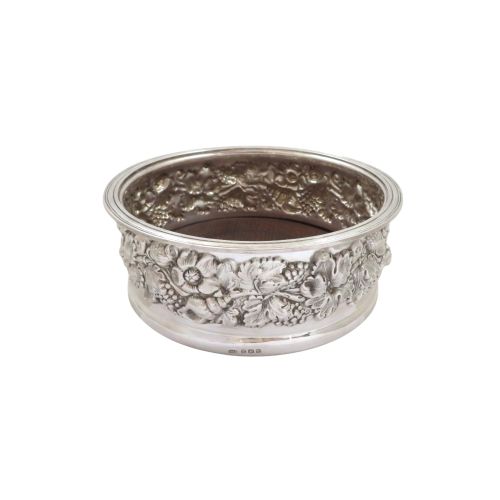
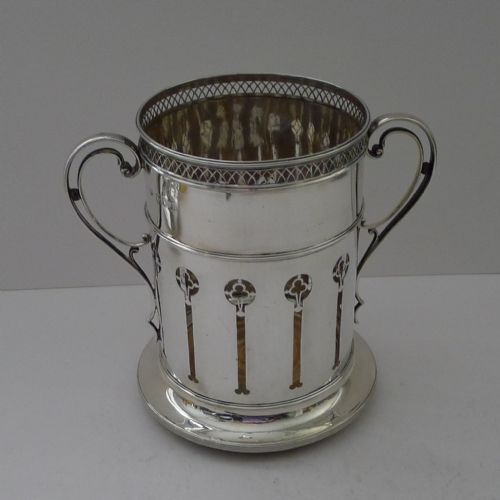
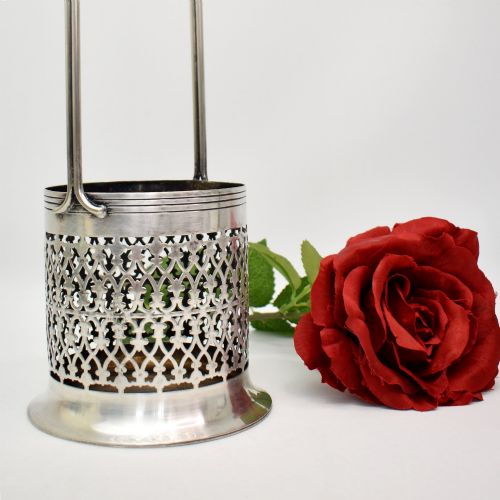
When you search for antique wine bottle stands, you encounter a range of dining accessories designed to hold bottles and decanters safely upon the table. These pieces span centuries of craftsmanship, taking the form of silver coasters, mahogany cellarettes, and plated holders.
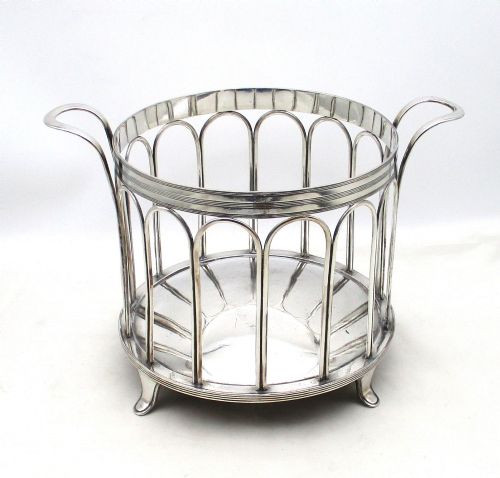
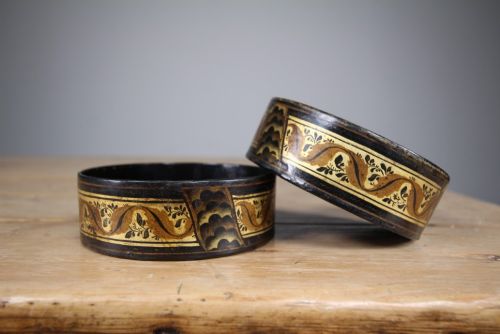
The versions most frequently met on this page include Georgian and Victorian silver or silver-plated coasters alongside substantial mahogany wine coolers. They appear in materials like brass, papier-mâché, and treen, reflecting the changing customs of dining from the eighteenth century into the twentieth century.
How they were made
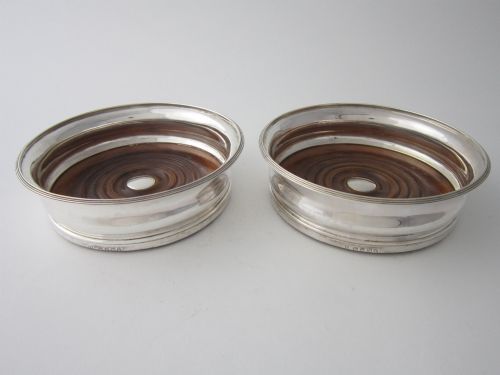
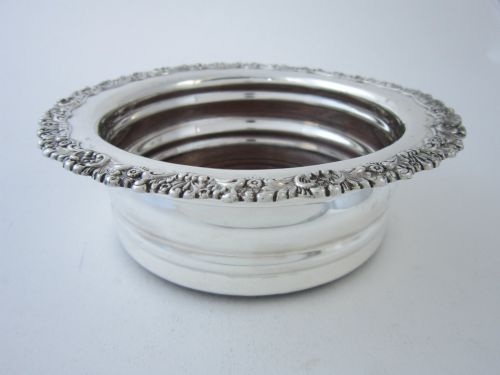
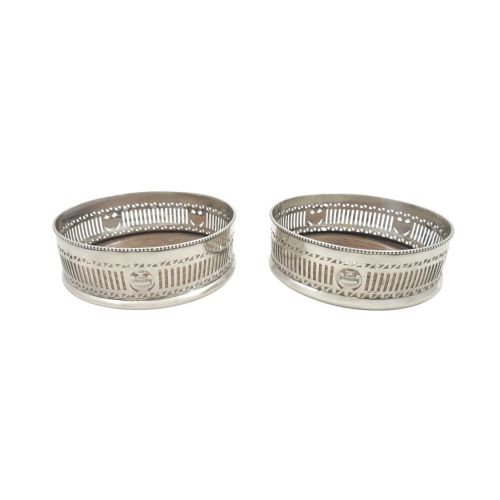
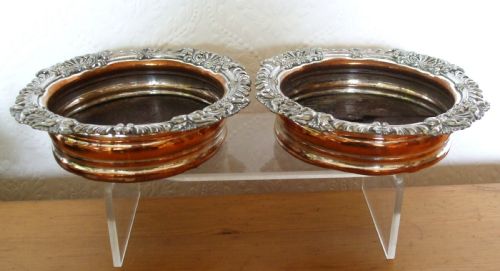
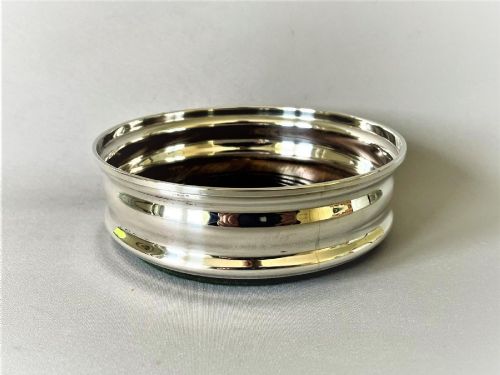
Silversmiths shaped sterling silver and Old Sheffield plate by hand, often incorporating wooden bases to insulate the metal and absorb condensation. Coasters frequently feature turned wooden inserts fitted within pierced or gadrooned metal galleries.
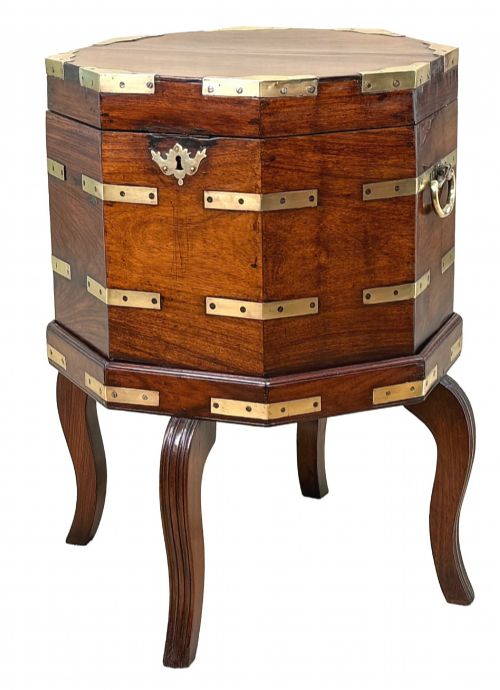
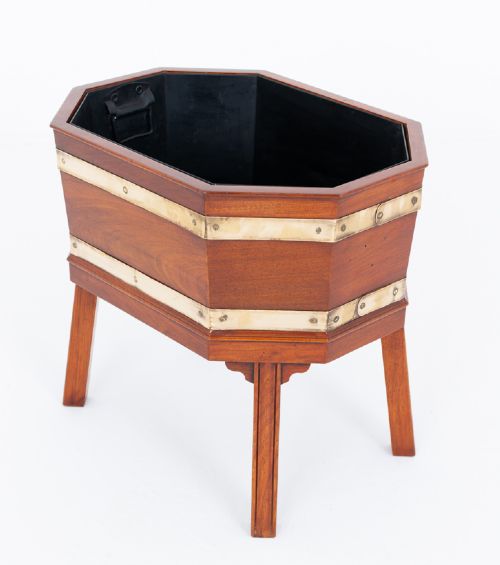
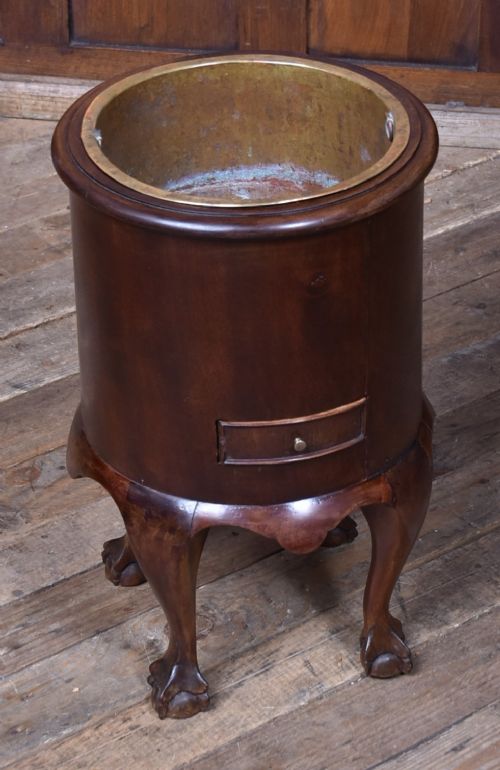
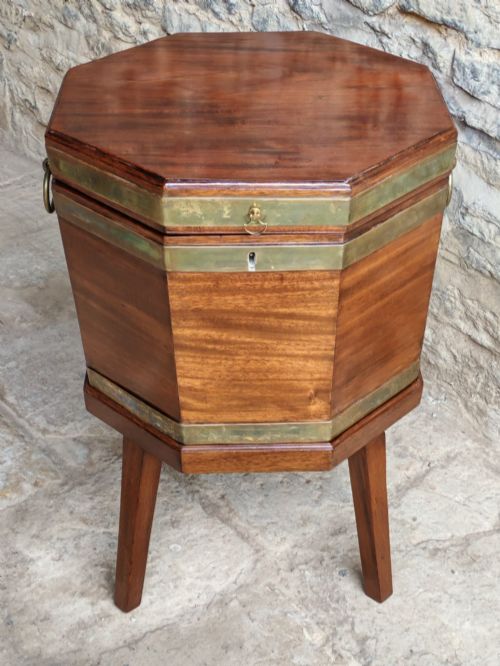
Cabinetmakers constructed cellarettes and wine coolers from dense timbers like mahogany and rosewood, sometimes employing brass banding, inlay, and lead linings to chill bottles.
Antique Wine Bottle Stands Retail Price Guide 2026
Typical asking prices for wine bottle stands among the pieces listed under this phrase on Sellingantiques today, from the lower quarter to the upper quarter. They describe what is for sale here now, not the wider market.
What varies in quality
The distinction between ordinary and exceptional pieces rests upon the crispness of casting in metalwork and the precision of joinery in wooden vessels. Superior silver coasters display sharply defined pierced decoration and intact maker marks, while fine coolers exhibit well-figured timbers and original hardware.
Balance and weight separate better examples from lesser ones, as heavier gauges of silver and dense, mature hardwoods provide both longevity and tactile substance on the dining table.
Brook and Son Edinburgh·Christofle·Gillows
The Antique Wine Bottle Stands Glossary
- Cellarette
- A lockable cabinet or large freestanding container used to store bottles of wine near the dining table. They frequently feature internal divisions and lead linings.
- Old Sheffield Plate
- A composite material formed by fusing a thin sheet of silver to a thicker copper base. This technique was widely utilised before the invention of electroplating.
- Wine Coaster
- A small, portable tray or stand designed to hold a single wine bottle or decanter. They often possess turned wooden bases intended to slide smoothly across polished mahogany.
- Treen
- Small handmade wooden household objects. In the context of wine stands, this refers to turned wooden holders and bottle cradles.
Antique Wine Bottle Stands: Frequently Asked Questions
What is a wine bottle stand?
A wine bottle stand is a portable tray or small vessel designed to hold a bottle or decanter upright on the dining table. These pieces protect polished wood surfaces from condensation and rings.
They appear in various materials including silver, plated metals, and timbers like mahogany. Many historical examples feature wheels or felt bases to facilitate passing around the table after dinner.
How do you use wine coasters?
Wine coasters sit upon the dining table to hold bottles during meals or port after dinner. Guests slide them across the surface from person to person.
Heavier cellarettes and coolers remain stationary on the floor or sideboard to store multiple bottles until needed at the table.
Are silver plated stands antique?
Silver plated stands produced during the Georgian, Victorian, and Edwardian eras qualify as antiques. Old Sheffield plate represents an eighteenth and early nineteenth-century fusion technique distinct from later electroplating.
Makers utilised copper bases covered with a thin layer of sterling silver to achieve the appearance of solid metal at a lower cost.
How do I date an antique stand?
Dating relies upon stylistic markers, construction methods, and hallmarks stamped into metal surfaces. Georgian pieces display neoclassical motifs or Chippendale influence, whereas Edwardian and George V items show twentieth-century manufacturing standards.
Maker marks and town assay stamps on silver components provide precise dates through official registry records.