




Antique Tribal Floor Mat
When you search for an antique tribal floor mat, you are looking for a practical textile woven by regional weavers across Persia, the Caucasus, Anatolia and Central Asia.
Antique Tribal Floor Mat
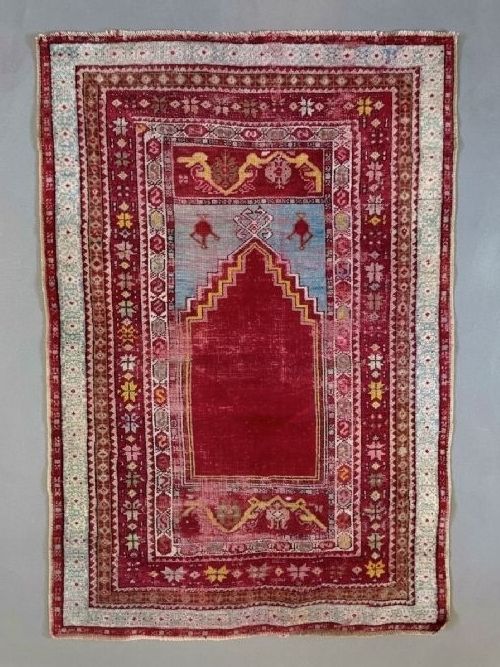
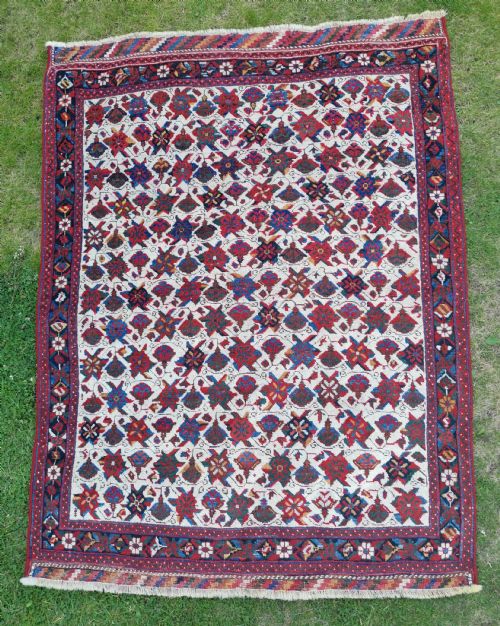
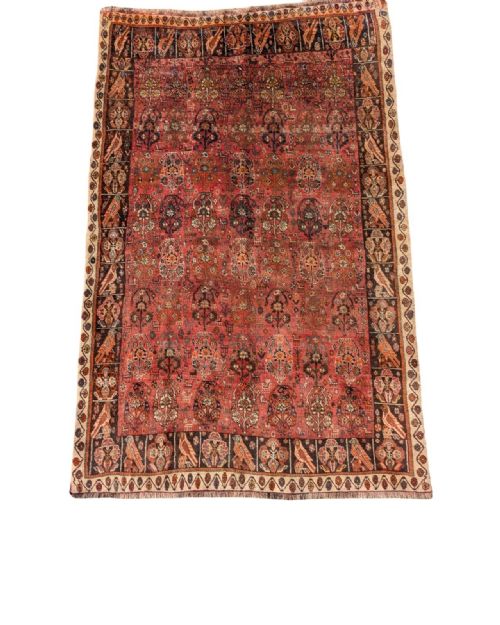
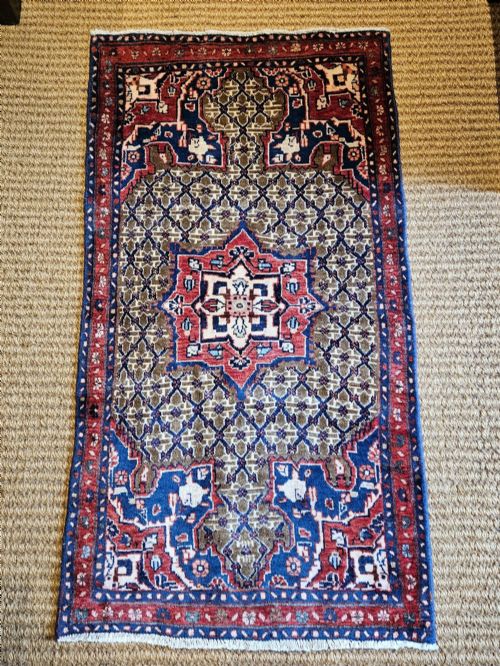
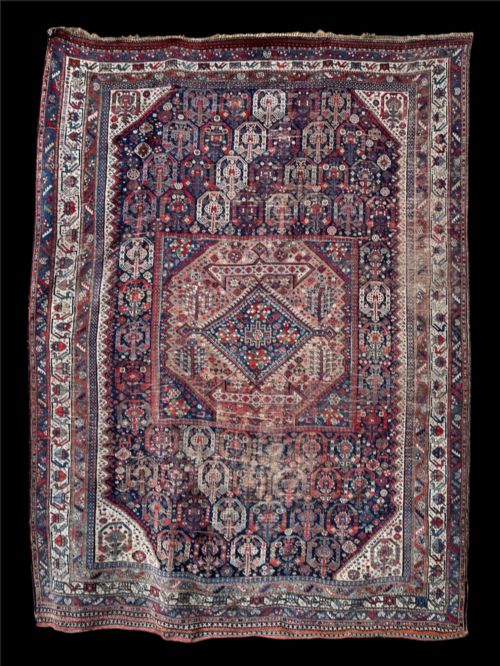
An antique tribal floor mat brings the rich history of nomadic and village weaving into a domestic space, functioning both as a resilient floor covering and a work of folk art. When you examine these pieces, you encounter various formats including area rugs, hallway runners, saddlebags and kilim rugs designed for practical daily use. The examples you meet on this page span from the nineteenth century into the early twentieth century, originating from groups such as the Khamseh, Kashgai, Baluch and Yomut Turkmen tribes.
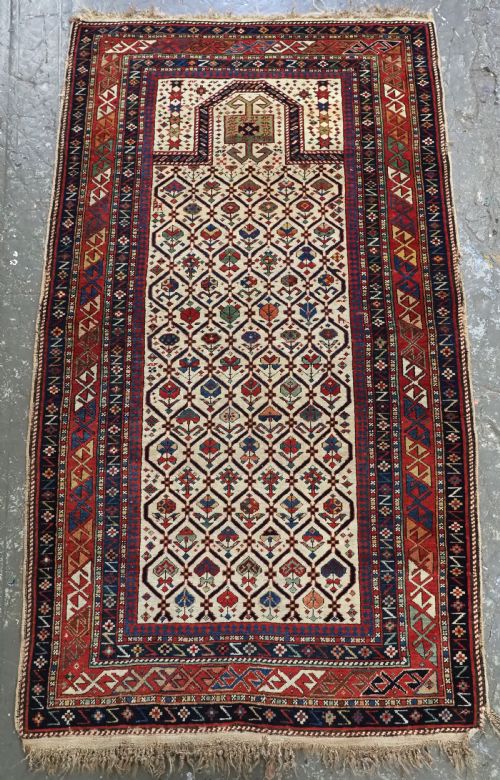
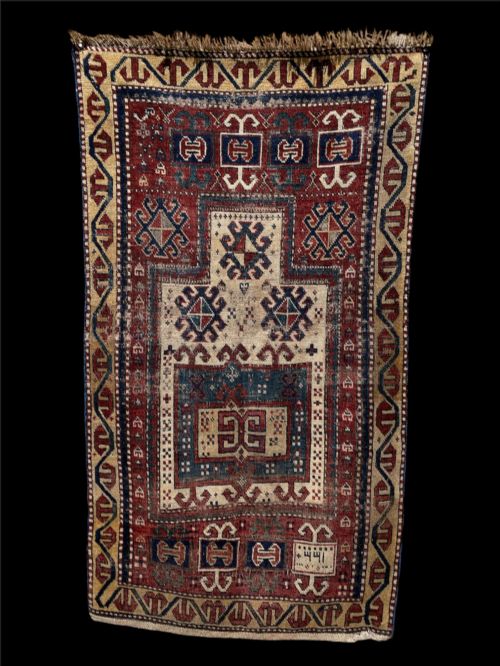
These textiles were created to serve specific purposes within tribal life, acting as hearth-sized rugs, prayer rugs, or main carpets for domestic encampments and village homes. The design vocabulary often relies on geometric motifs, large gul patterns, lattice networks and prayer arches passed down through generations of weavers. Choosing one of these mats means introducing a tangible piece of cultural heritage that has survived from nineteenth-century or early twentieth-century households.
How they were made
The makers relied on natural materials, employing hand-spun wool and cotton alongside vegetable and natural dyes to build deep, enduring colour palettes. Weavers tied wool pile onto wool or cotton foundations, or constructed flat-woven structures such as soumak kilims without a raised pile.
The dying process utilised local plant and insect materials, yielding rich reds, blues and yellows that mellow gracefully over decades of light and wear. Every rug was hand-woven on vertical or horizontal looms set up in nomadic camps and permanent village dwellings.
Listings feature pieces dated from the nineteenth century up to the 1930s, constructed predominantly from wool and cotton using natural and vegetable dyes.
What varies in quality
The standard of a weaving is largely determined by the density of the knotting and the precision with which the geometric or floral lattice design is executed across the wool foundation. Finer pieces demonstrate a deliberate control over the hand-spun wool and vegetable dye palette, creating high contrast and crisp outlines within medallion and gul motifs.
The Antique Tribal Floor Mat Glossary
- Gul
- A primary medallion or octagonal design motif frequently found in Turkmen and Baluch tribal carpets. These repeating motifs often indicate the specific tribal lineage of the weaver.
- Soumak
- A flat-weaving technique where decorative coloured weft threads are wrapped around the warp threads in a herringbone pattern. This method produces a sturdy structure without a traditional cut wool pile.
- Prayer rug
- A textile featuring a mihrab or arch design indicating the direction of prayer. These mats were used individually for daily devotions in village and nomadic settings.
- Warp
- The vertical threads stretched tightly on the loom that form the structural skeleton of the rug. The exposed ends of these threads often finish in braided fringes or kilim ends.
- Kilim
- A flat-woven carpet or rug made by tightly interweaving warp and weft strands without creating a pile. They are lighter in weight than piled carpets and served various utility functions in tribal tents.
Antique Tribal Floor Mat: Frequently Asked Questions
How do I care for an antique tribal mat?
Vacuum your textile gently without using a rotating brush bar to prevent pulling the hand-spun wool pile. Keep the rug out of direct, harsh sunlight to protect the natural and vegetable dyes from fading.
Professionally clean the piece only when necessary using specialists who understand antique vegetable-dyed wool. Ensure the floor underneath remains clean and dry to protect the cotton or wool foundation from dampness.
Where were these tribal rugs made?
These textiles were produced by nomadic confederacies and settled villagers across regions including Persia, the Caucasus, Anatolia and Turkmenistan. Different groups such as the Khamseh, Afshar, Yomut and Baluch developed distinct regional styles.
Weavers worked within their local communities or seasonal camps, utilising materials readily available in their immediate environment. This geographic diversity accounts for the wide variation in design elements found across the surviving pieces.
What is the difference between a main carpet and a saddlebag?
Main carpets were large floor-coverings designed for central domestic use within a tent or permanent dwelling. They required substantial time and quantities of hand-spun wool to complete.
Saddlebags were smaller, utilitarian items woven for transport on animals during tribal migrations. They often feature dense geometric patterns compressed into a compact format.
How can I tell the age of a tribal rug?
Age is assessed by examining the characteristics of the wool, the natural dye palette, and the structural construction of the foundation. Nineteenth-century pieces typically display softer wool handling and distinct colour fading compared to later twentieth-century examples.
Stylistic motifs and design structures also provide clues to the period of production, aligning with traditional patterns documented from specific decades. Comparing knot density and weaving techniques helps confirm whether a piece belongs to the nineteenth or early twentieth century.