


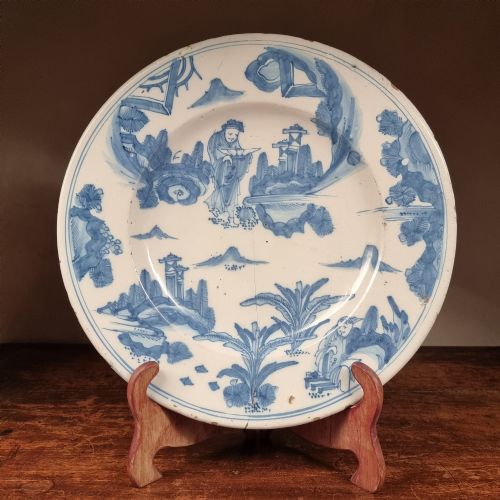
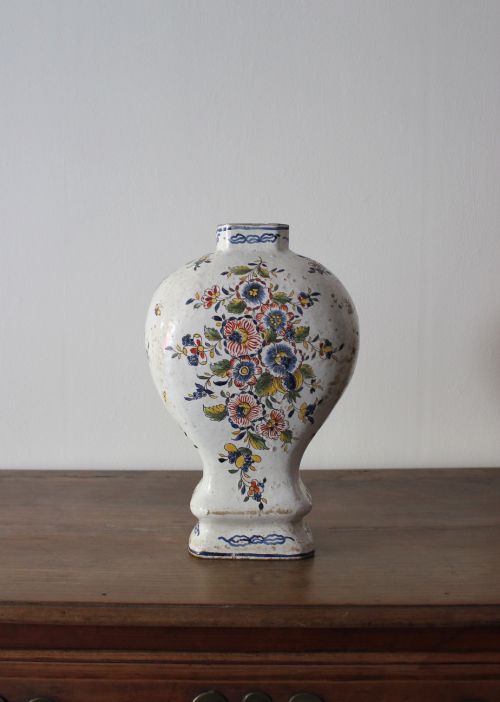
Antique Tin Glaze Pottery
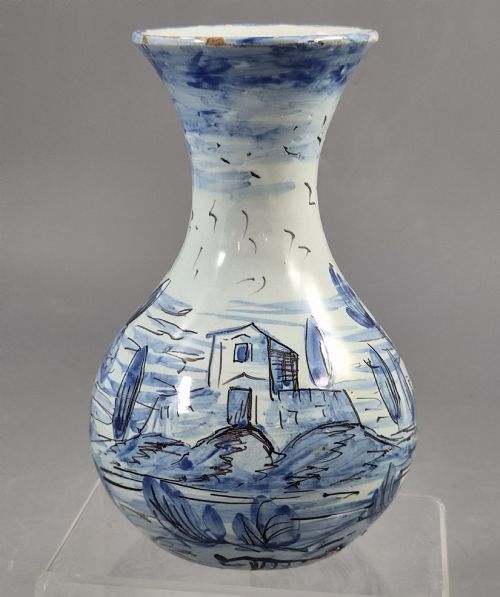
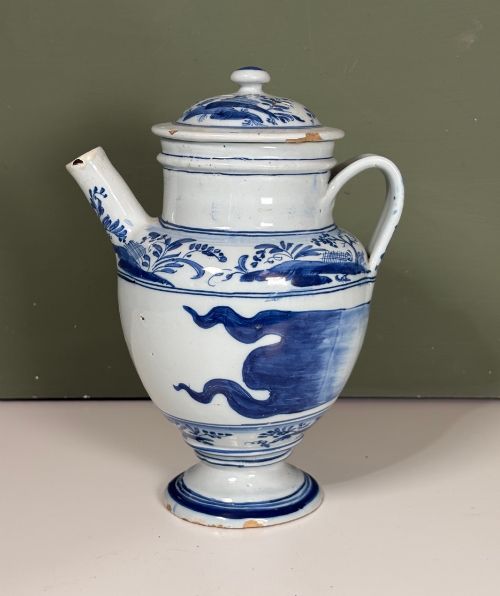
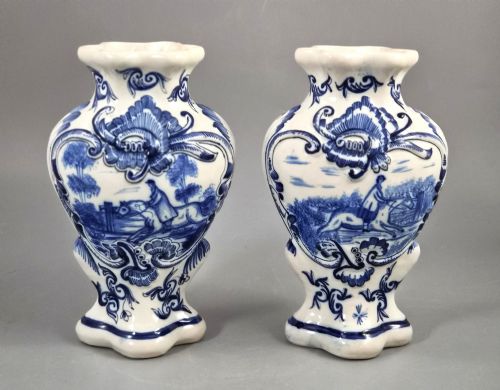
Antique tin glaze pottery brings centuries of tin-glazed earthenware, faience, and majolica into collections through distinctive blue and white or polychrome painted surfaces.
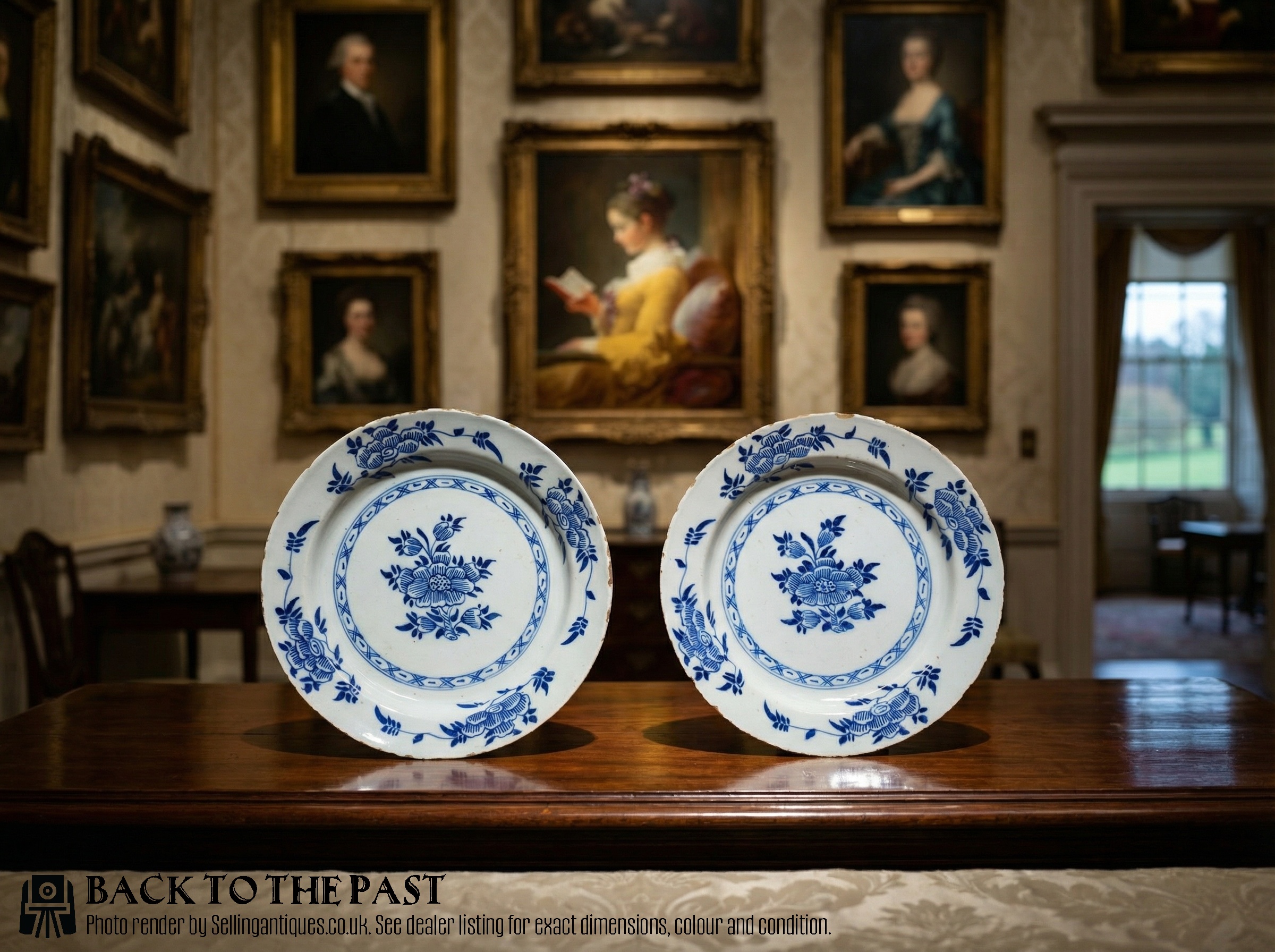
Antique Tin Glaze Pottery
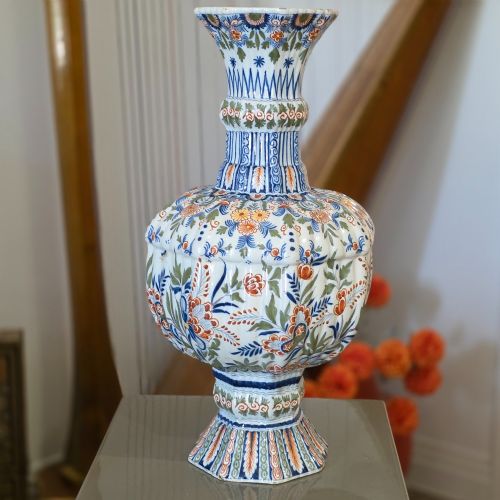
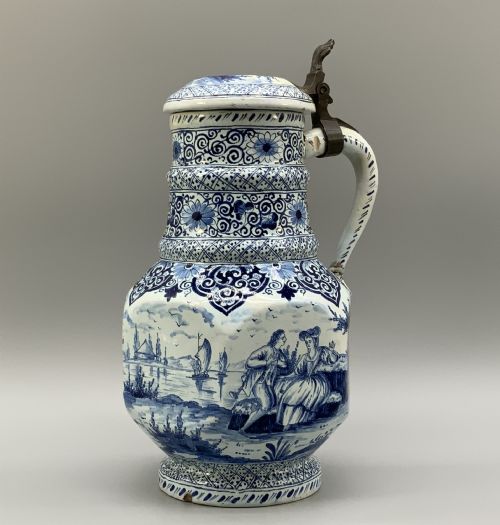
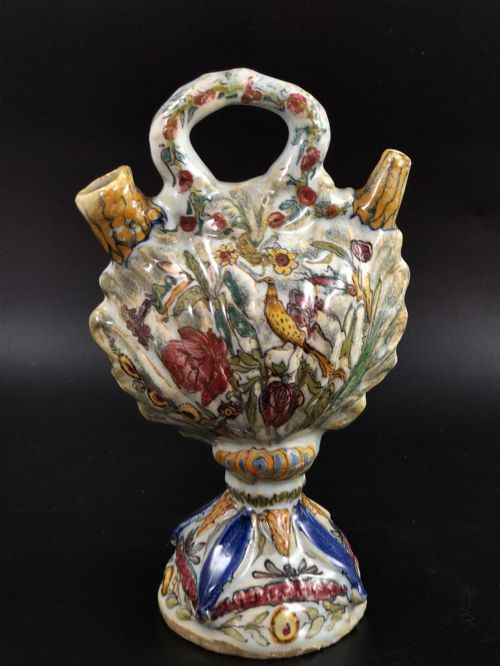
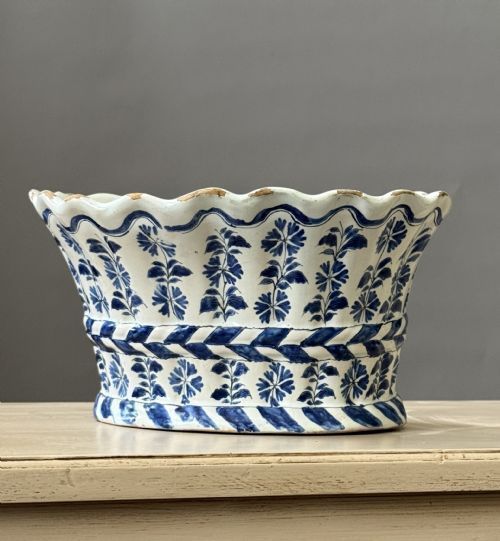
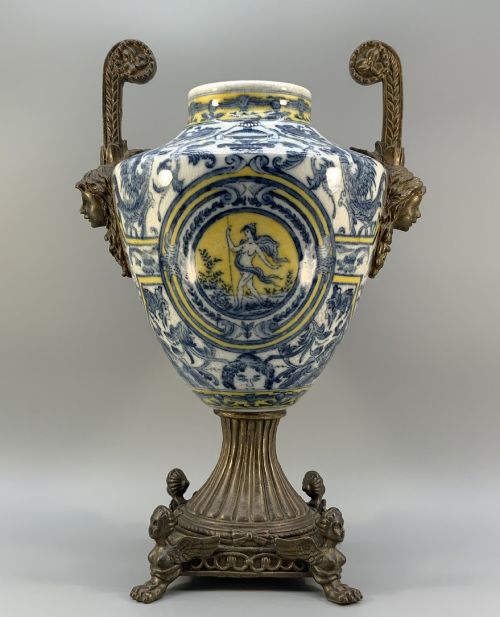
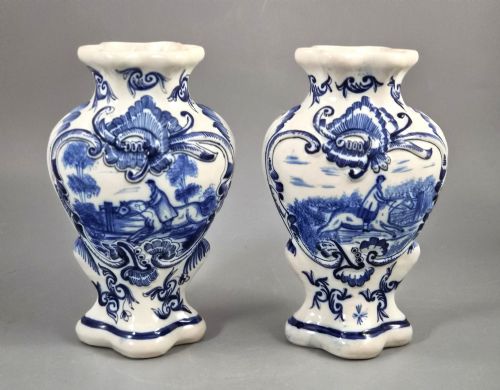
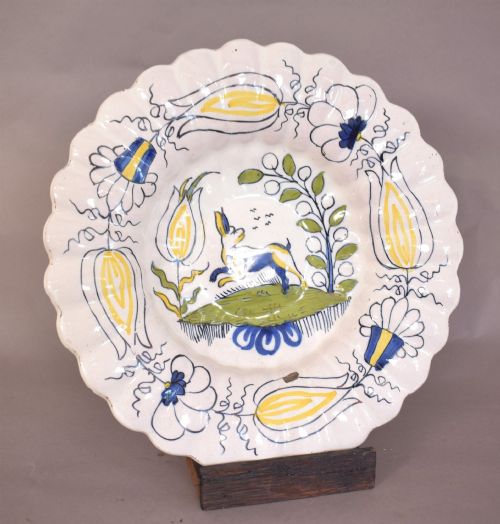
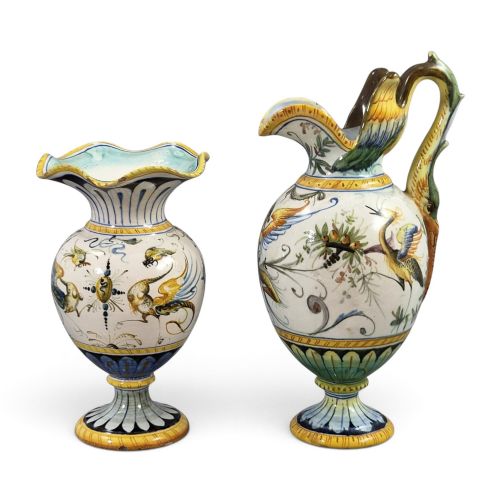
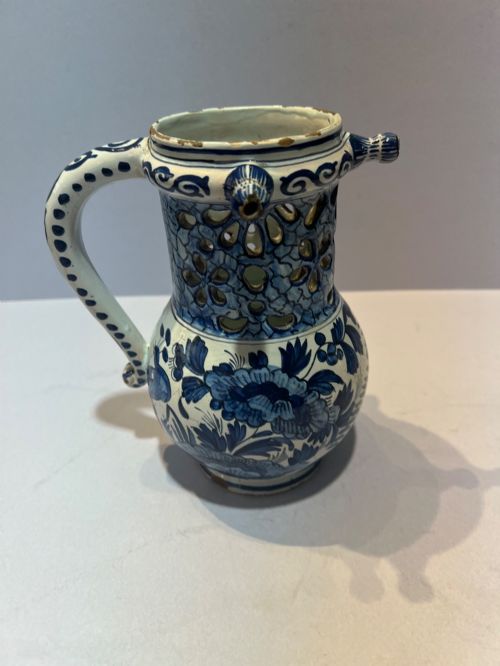
The objects take many forms, including large wall chargers, lidded vases, posset pots, and small tiles. Buyers frequently encounter blue and white colour schemes, though rich polychrome palettes also appear across various European traditions.
How they were made
Makers shaped earthenware bodies and coated them with an opaque tin glaze that provided a smooth white ground for painting. Pigments such as cobalt oxide were then applied directly to the unfired or raw glaze before the firing process.
Some pieces received additional metallic mounts in bronze or specific surface treatments depending on the regional workshop and period style. The interaction between the ceramic body, the tin glaze, and the painted pigment creates the characteristic surface texture.
Listings span the seventeenth to the twentieth centuries, featuring earthenware forms like chargers, apothecary jars, and vases.
What varies in quality
Quality rests upon the precision of the hand-painted brushwork, the depth of the cobalt or polychrome pigments, and the smoothness of the tin glaze across the earthenware body. Superior examples display confident, fluid execution in the decorative motifs.
The integrity of the form and the preservation of the original glaze surface also distinguish exceptional pieces. Workshops with established reputations achieved greater refinement in both potting and painting than more utilitarian kilns.
Fourmaintraux-Courquin·Cantagalli·HB Quimper
The Antique Tin Glaze Pottery Glossary
- Tin Glaze
- A ceramic glaze made opaque by the addition of tin oxide, creating a white surface suitable for painting. This technique formed the basis for majolica, faience, and Delftware.
- Delftware
- Tin-glazed earthenware produced in the Netherlands, particularly associated with blue and white ceramics emulating Chinese porcelain. It encompasses diverse forms from tiles to large chargers.
- Faience
- A European term for tin-glazed earthenware, widely used to describe wares made in France and other continental centres. The body is typically covered with an opaque white enamel.
- Majolica
- The traditional term for Italian tin-glazed earthenware, often characterised by vibrant polychrome decoration. Later revival pieces also adopted these decorative styles.
- Charger
- A large decorative plate intended for display on walls or sideboards rather than dining use. These pieces frequently showcase the most ambitious painted designs of a workshop.
- Apothecary Jar
- A vessel used by pharmacists to store dried herbs, ointments, or medicines. Many feature labelled cartouches surrounded by detailed floral or pictorial painting.
Antique Tin Glaze Pottery: Frequently Asked Questions
Can I use these bowls for food?
Most antique tin-glazed vessels are best kept for display rather than daily culinary use, as the historic glaze and earthenware body are vulnerable to staining and acid.
Historic pieces may also contain materials unsuitable for modern food contact standards.
How can I tell Dutch Delft from English Delft?
Examining the glaze composition, body weight, and characteristic blue hues helps distinguish Dutch production from English counterparts like Bristol or London.
English pieces often display specific potting traits and distinct palette variations compared to contemporary workshops in Delft.
Why do some pieces show crazing?
Crazing develops naturally over centuries as the underlying ceramic body and the outer glaze layer contract at different rates during and after firing.
This network of fine lines is a normal characteristic of antique tin-glazed earthenware rather than a structural fault.