


Antique Tin Glaze Earthenware
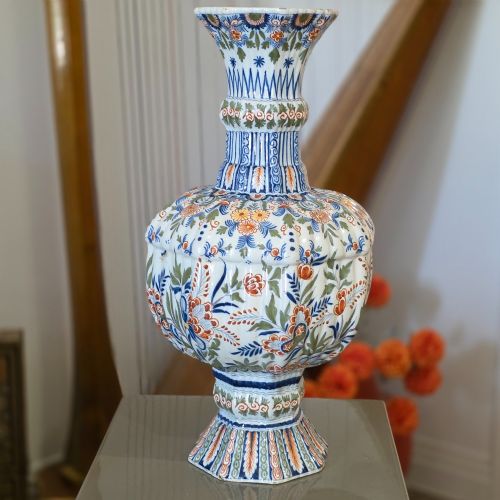
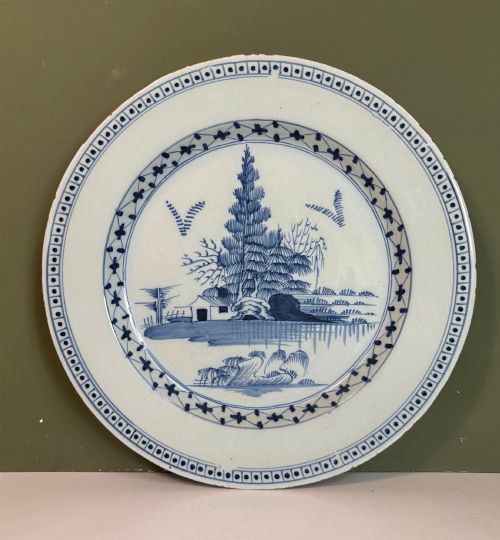
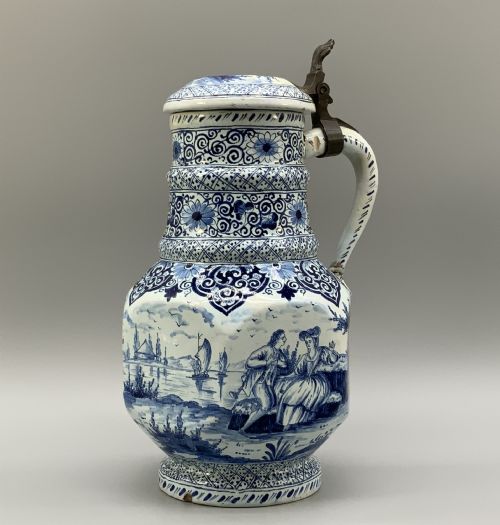
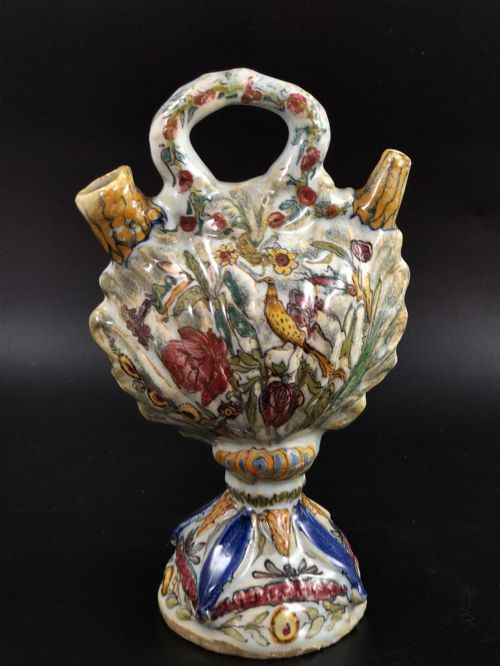
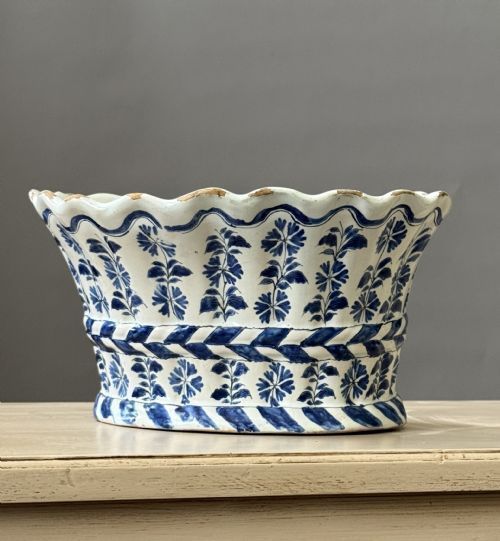
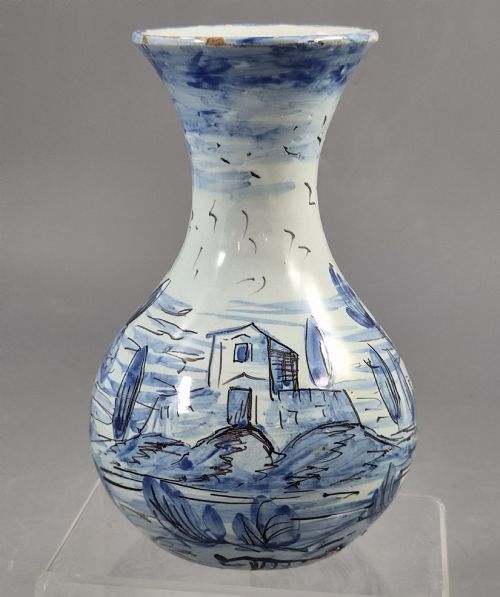
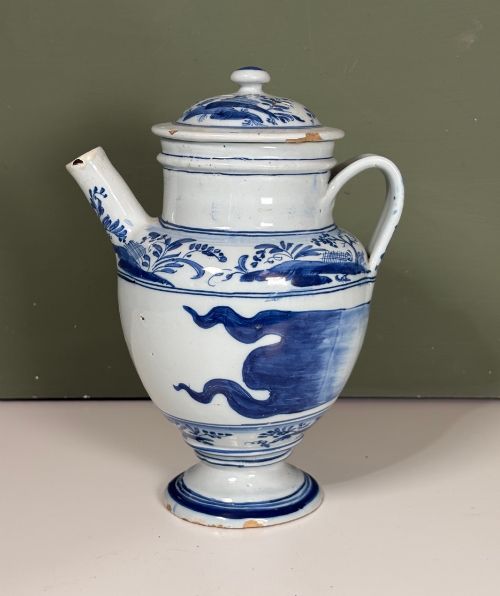
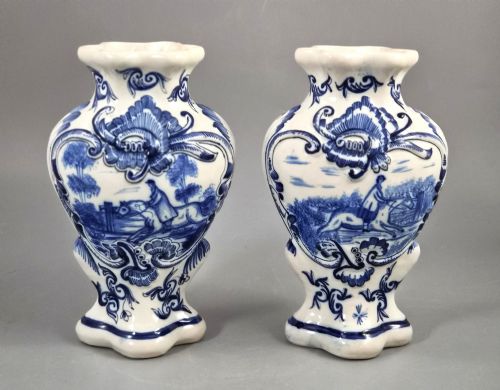
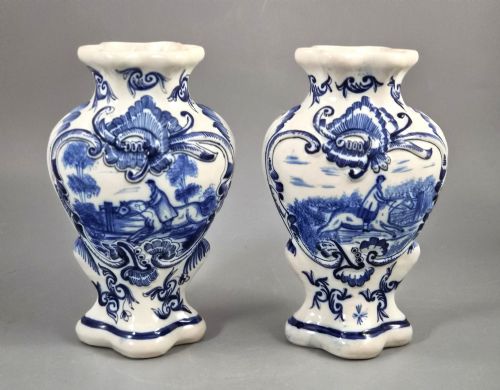
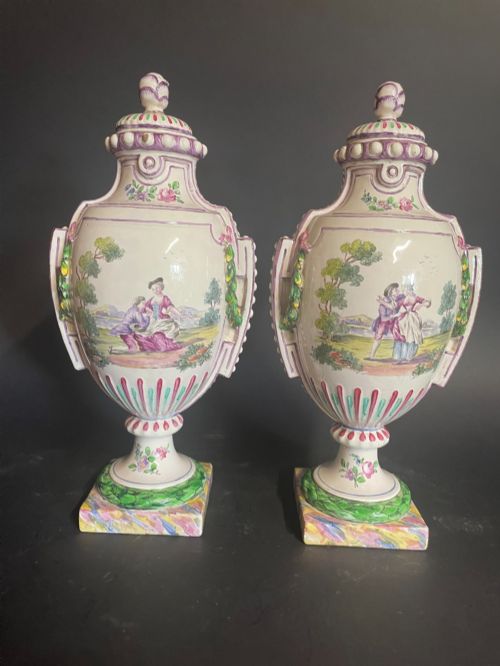
Antique tin glaze earthenware encompasses tin-glazed ceramics such as delftware, maiolica, and faience, prized for their painted blue and white or polychrome surfaces.
Antique Tin Glaze Earthenware
Antique tin glaze earthenware centres on porous ceramic bodies covered in an opaque white tin oxide glaze, which provides a smooth background for painted decoration. When buyers search for antique tin glaze earthenware, they encounter diverse domestic and decorative forms produced across several European countries.
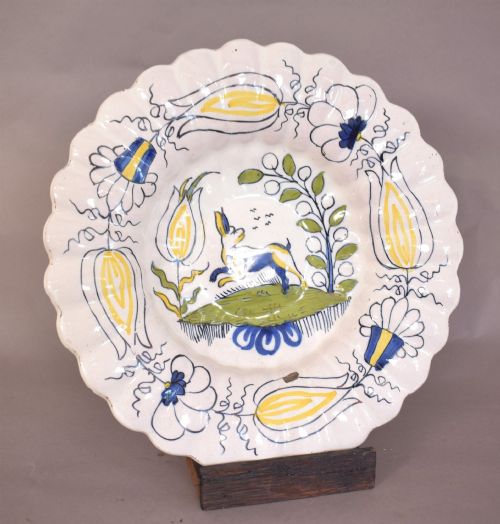
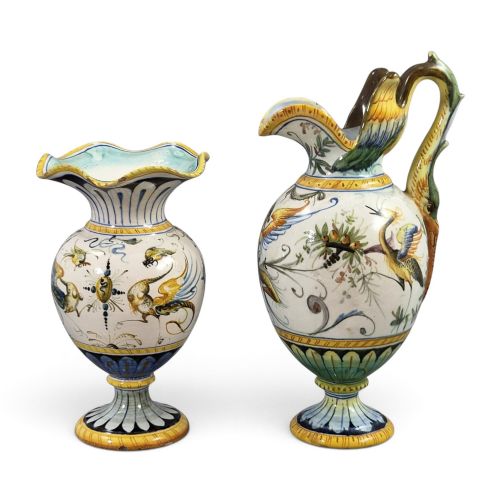
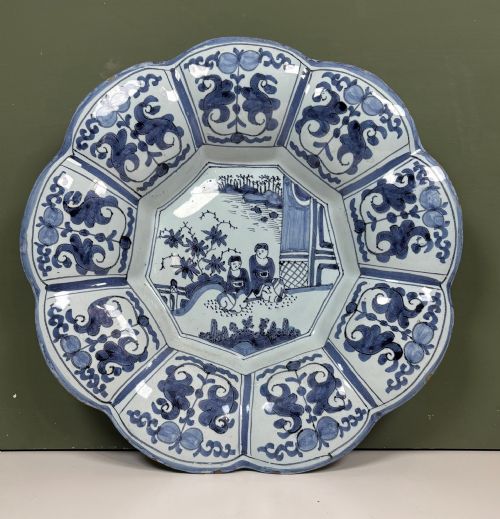
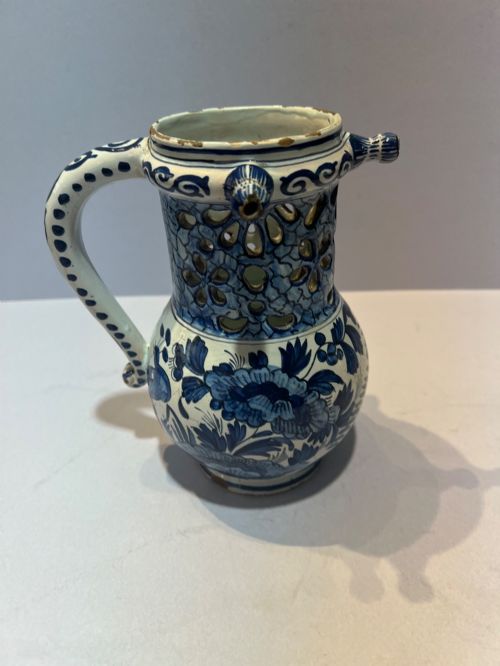
The selection on this page relies heavily on chargers, decorative plates, and large display dishes originating from Dutch, English, and French potteries. Vases, jugs, apothecary jars, and figural pieces also appear, spanning centuries of production from the seventeenth century through to later revival periods.
How they were made
Potters shaped earthenware clay into vessels and tiles, fired them initially to create a porous biscuit body, and then dipped them into a liquid glaze containing tin oxide. This opaque white coating dried to a chalky surface ready to absorb pigments before the final glaze firing.
Painters applied cobalt pigment, manganese, and other metal oxides directly onto the absorbent unfired tin glaze using freehand brushwork. Cobalt produced deep blues, while additional pigments introduced yellows, greens, and oranges in polychrome examples.
Materials recorded across the listings include earthenware, cobalt pigment, manganese, and tin glaze.
What varies in quality
Quality rests primarily in the crispness and confidence of the brushwork, distinguishing hurried commercial painting from skilled artistic execution. Pieces featuring finely detailed Chinoiserie scenes, historical motifs, or balanced floral layouts demonstrate superior workshop standards.
The evenness of the glaze application and the clarity of the white ground also determine the refinement of an object. Thicker glazes that obscure underlying forms or display extensive kiln imperfections indicate less careful manufacture.
Cantagalli·Fourmaintraux-Courquin·Sceaux
The Antique Tin Glaze Earthenware Glossary
- Tin glaze
- An opaque white ceramic glaze containing tin oxide that creates a smooth surface for painted decoration. It allows pigments to merge slightly with the wet ground during painting.
- Charger
- A large decorative plate intended for display on walls or sideboards rather than dining use. These expansive surfaces often showcase elaborate painted narratives or floral arrangements.
- Majolica
- A type of tin-glazed earthenware produced in Italy and later adopted in other regions, typically featuring bright polychrome painting. The style evolved through the Renaissance and later revival periods.
- Faience
- The French and continental European term for tin-glazed earthenware. Production centres such as Desvres, Rouen, and Quimper developed distinct regional decorative traditions.
- Delftware
- Tin-glazed earthenware made in the Netherlands and England, famous for blue and white designs inspired by imported Chinese porcelain. Production flourished during the seventeenth and eighteenth centuries.
Antique Tin Glaze Earthenware: Frequently Asked Questions
What is tin glaze earthenware?
Tin glaze earthenware is pottery covered in an opaque white glaze containing tin oxide, which creates a smooth canvas for painted decoration. Workshops across Europe utilised this technique to produce decorative plates, vases, and tiles.
Potters painted directly onto the unfired white surface using metallic oxides like cobalt. This method allowed pigments to sink into the glaze during the final kiln firing.
How do I identify delftware?
Delftware typically presents blue and white painted designs on a chalky white tin glaze, often drawing inspiration from Chinese porcelain. Earthenware bodies beneath the glaze are usually buff, pinkish, or pale brown.
Examining the unglazed footrim reveals the underlying clay body. Earlier pieces from the seventeenth and eighteenth centuries display distinct potting characteristics compared to later nineteenth-century revivals.
Were chargers used for dining?
Chargers were primarily decorative display pieces rather than practical tableware for serving food. Their large diameters provided expansive surfaces for complex painted scenes and floral patterns.
Owners mounted these large dishes on walls or displayed them on sideboards to showcase wealth and taste. Footrims on chargers frequently include perforated holes for hanging wire.
How should I display these ceramics?
Display tin-glazed earthenware away from direct sunlight and areas with fluctuating humidity to protect the porous ceramic body and glaze. Use stable plate hangers or secure brackets designed for heavy earthenware chargers.
Keep pieces away from high-traffic household areas where accidental impacts might occur. Gentle dusting with a dry cloth maintains the surface without risking moisture damage.