

Antique Tin Glaze Dish
These pieces of antique tin glaze dish span centuries of earthenware production, offering collectors vibrant hand-painted surfaces and historical ceramic forms.
Antique Tin Glaze Dish
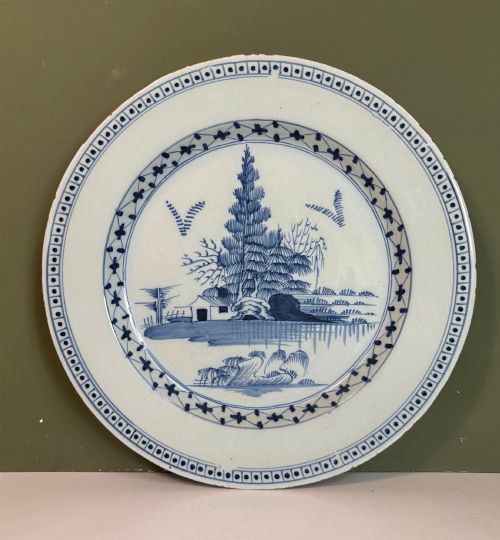
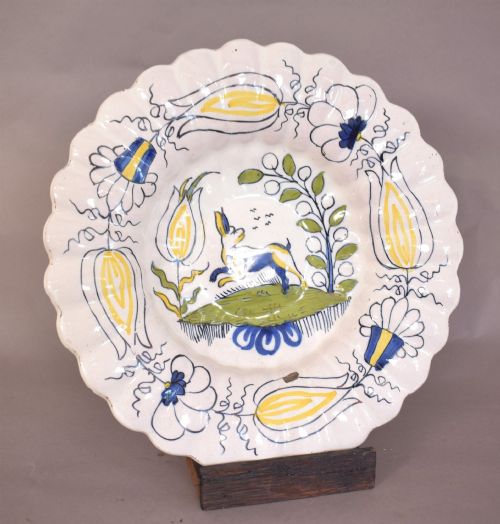
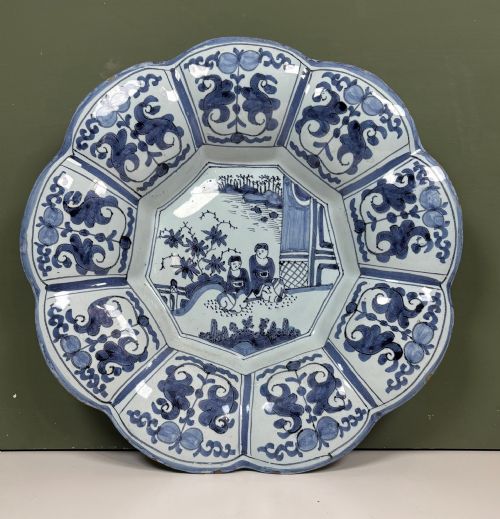
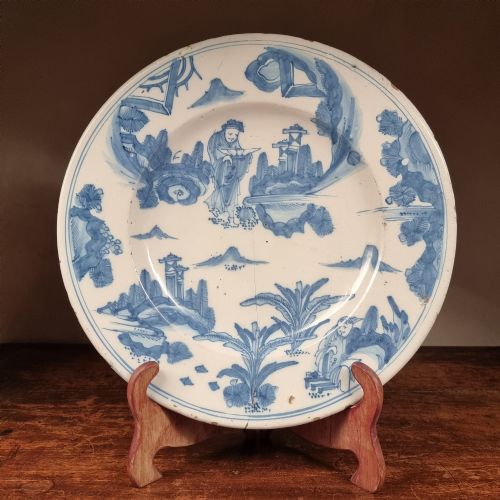
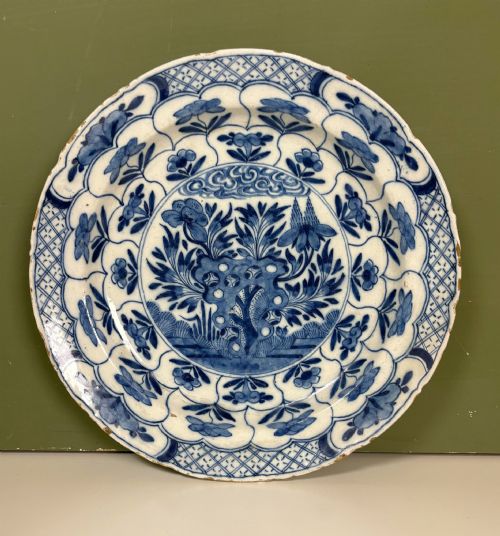
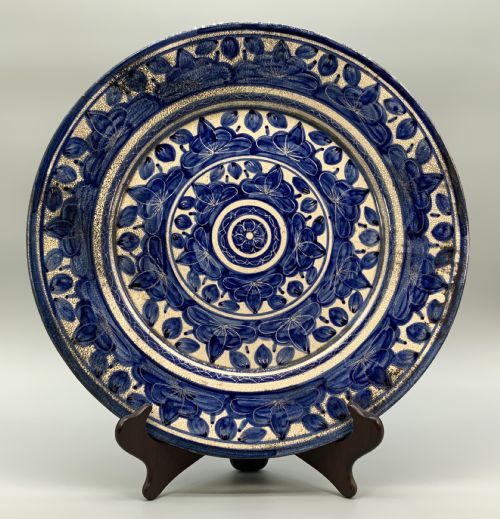
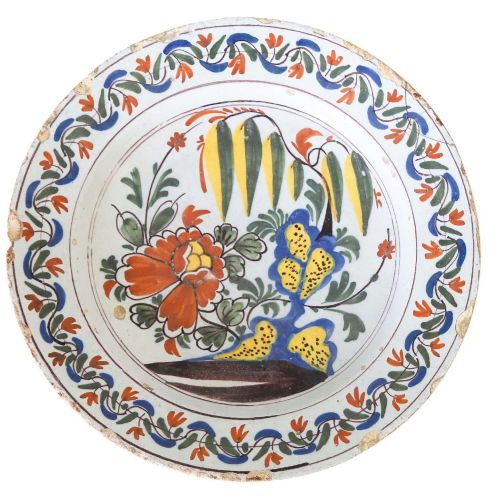
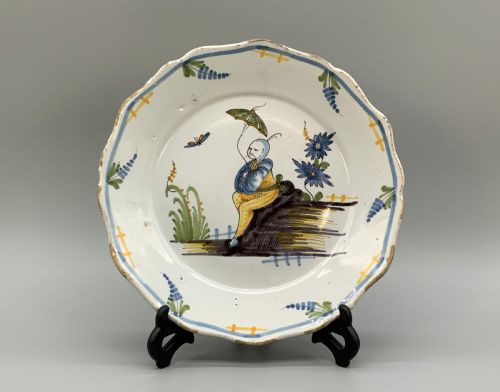
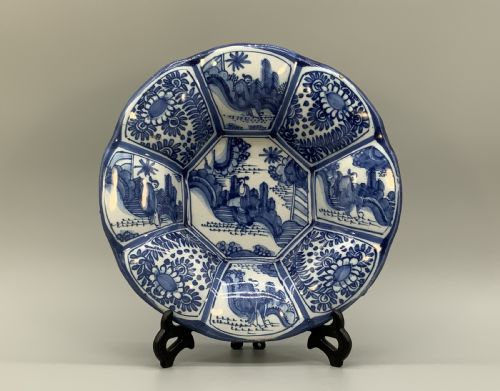
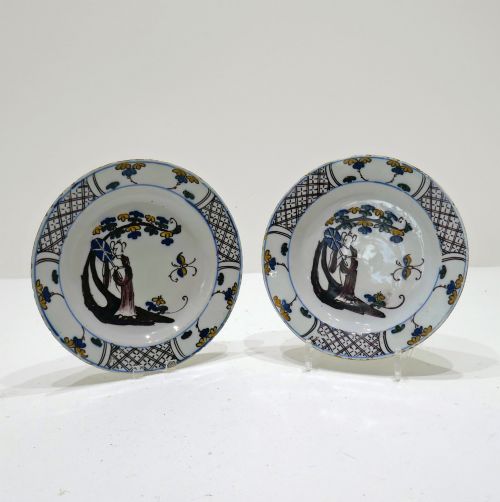
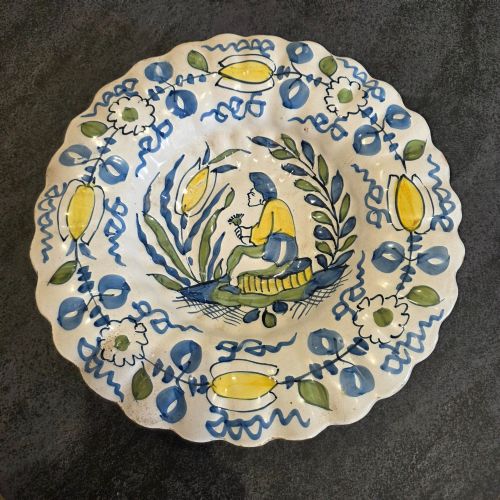
An antique tin glaze dish covers a range of earthenware forms, most frequently appearing as large chargers, decorative plates, and lobed dishes from the seventeenth and eighteenth centuries. These items originate primarily from English, Dutch, French, and Italian kilns, reflecting regional stylistic developments across Europe.
Materials and technique
Potters formed these pieces using earthenware clay, which was then coated in an opaque white glaze containing tin oxide. This tin glaze provided a smooth, uniform white surface suitable for painting directly onto the raw glaze before firing.
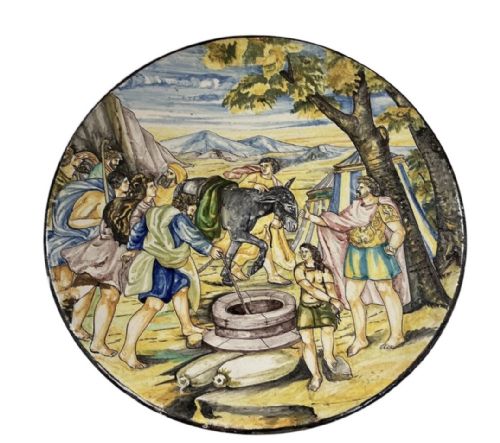
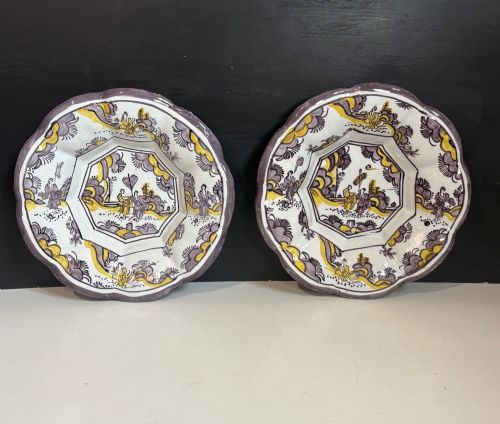
Decoration relied on mineral pigments such as cobalt oxide for blue designs, alongside polychrome palettes involving manganese, yellow, and green. Artisans applied these hand-painted motifs, ranging from floral patterns to Chinoiserie scenes and historical narratives.
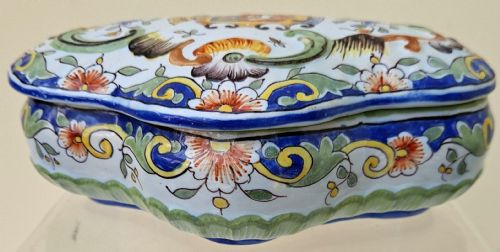
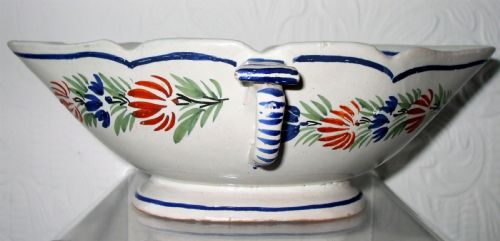
The inventory records regional forms including English Delftware, Dutch chargers, French faience boxes, and Italian maiolica istoriato plates.
What separates the best from the rest
Quality rests upon the precision of the hand-painted decoration and the clarity of the cobalt or polychrome pigments against the white tin glaze. Finer examples display confident brushwork and balanced compositions, whether executing intricate floral motifs or figurative historical scenes.
The complexity of the form also dictates distinction, moving from simple circular plates to elaborately lobed dishes, chargers, and specialised vessels. Superior pieces maintain crispness in the glaze application and overall structural integrity despite early firing challenges.
Quimper French Faience·Desvres French Faience·Rouen French Faience
The Antique Tin Glaze Dish Glossary
- Tin glaze
- An opaque white earthenware glaze achieved by adding tin oxide to lead glaze. This mixture creates the characteristic smooth canvas used for painting historic ceramics.
- Charger
- A large decorative plate or shallow bowl intended for display rather than standard dining use. These substantial pieces often showcase the most ambitious painted designs.
- Delftware
- Tin-glazed earthenware produced in the Netherlands and England, famous for its blue and white or polychrome decoration. It encompasses plates, bowls, and chargers.
- Faience
- European tin-glazed earthenware, most commonly associated with French and Spanish potteries. The term groups together various regional styles of decorated pottery.
- Polychrome
- Decoration utilising multiple colours rather than a single pigment. In these ceramics, it typically involves combinations of yellow, green, blue, and manganese.
Antique Tin Glaze Dish: Frequently Asked Questions
What is a tin glaze dish?
A tin glaze dish is an earthenware ceramic coated in an opaque white glaze containing tin oxide. Artisans painted directly onto this surface using cobalt and other mineral pigments before firing.
These objects include chargers, plates, and bowls produced across England, the Netherlands, France, and Italy during the seventeenth, eighteenth, and nineteenth centuries.
How were these dishes used historically?
Many large chargers and decorative plates served as display pieces on sideboards and walls in wealthy households. Other forms had specific domestic functions, such as barber's bowls for shaving, salt cellars for dining tables, and sweetmeat dishes for serving delicacies.
Their tin-glazed surfaces provided a decorative element in historic interiors, combining utility with painted artistic scenes.
How do I tell seventeenth and eighteenth century pieces apart?
Seventeenth-century examples often feature Kraak style influences or early Dutch Baroque designs on heavier earthenware bodies. Eighteenth-century pieces frequently display brighter polychrome palettes, Chinoiserie motifs, or refined floral decorations from English and continental kilns.
Examining the painting style, palette, and form helps align a piece with its respective production period.
How should I care for an antique ceramic?
Display these earthenware dishes away from direct sunlight and areas subject to sudden temperature fluctuations. Dust them gently with a soft, dry cloth rather than using liquid cleaners.
Due to the porous nature of historic earthenware and the delicate nature of the tin glaze, these pieces are best kept for display rather than active modern use.