



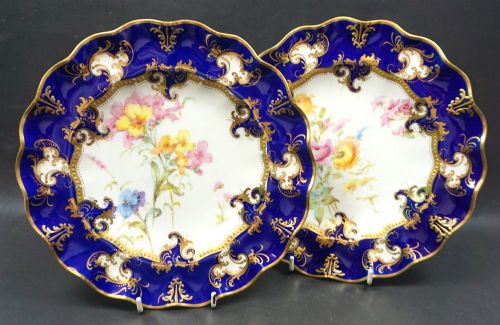

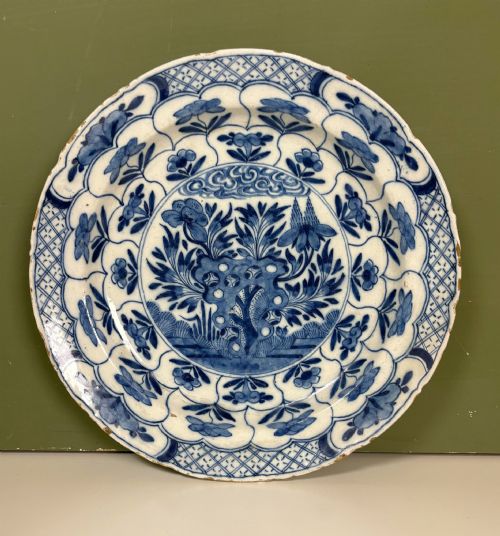
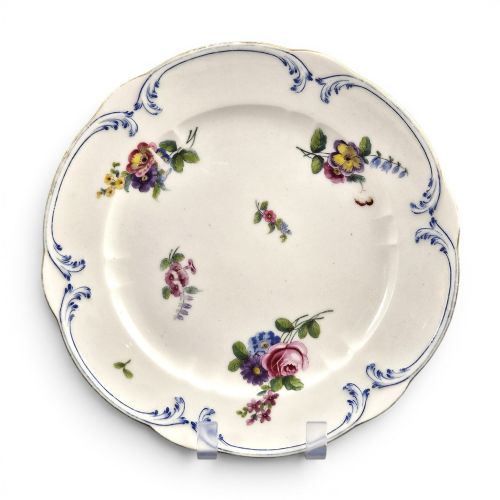
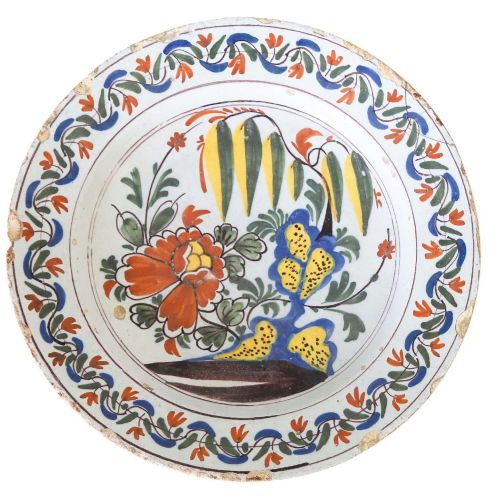


Hand Painted Floral Charger
A hand painted floral charger brings centuries of ceramic artistry to a wall or table.
Hand Painted Floral Charger
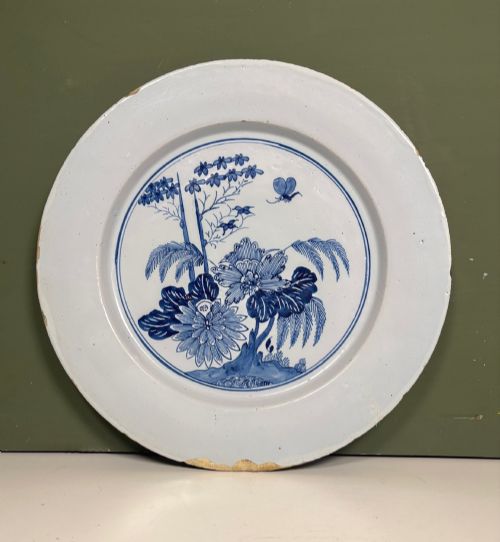
A hand painted floral charger is a large decorative dish or plate intended primarily for display rather than routine dining use. When collectors search for this phrase, they encounter pieces spanning the eighteenth, nineteenth, and early twentieth centuries.
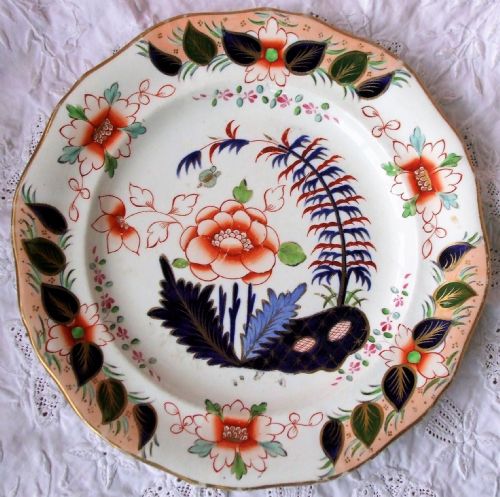
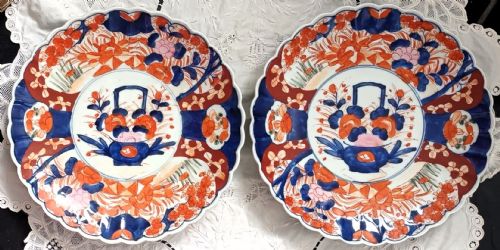
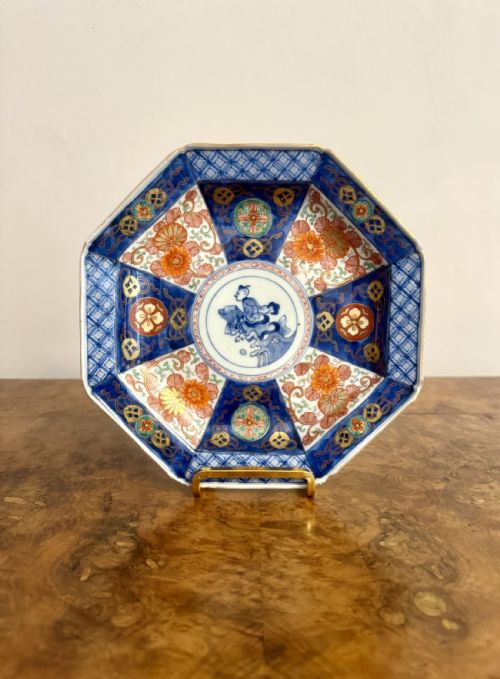
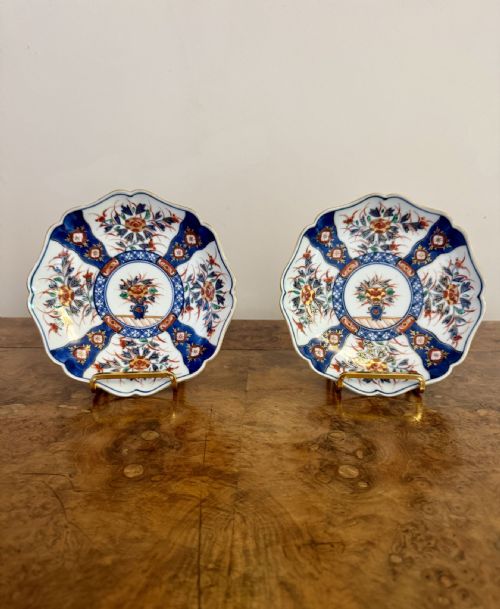
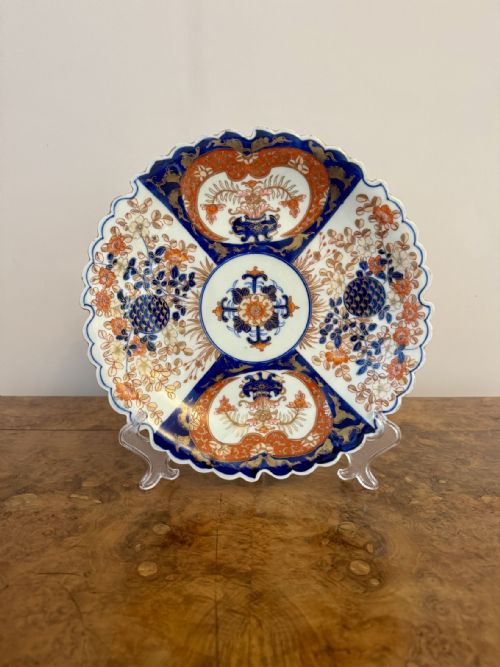
The selections available here lean heavily toward Japanese Imari production alongside European earthenware and porcelain. These items include broad chargers, deep bowls, and cabinet plates featuring elaborate floral and botanical motifs.
Originating from diverse traditions including Meiji period Japan, eighteenth-century Delftware, and English factories, these chargers showcase significant breadth in regional painting styles. Buyers find both scalloped edge forms and traditional circular vessels in this category.
Materials and methods
Potters shaped these objects from ceramic, earthenware, and porcelain before applying mineral pigments and glazes by hand. Many pieces integrate underglaze blue painting alongside overglaze enamels and gold leaf highlights.
Japanese workshops and European factories utilised traditional firing techniques in kilns to vitrify the body and fix the polychrome decoration. Gilding and meticulous brushwork completed the surface before final glazing.
Listings incorporate porcelain, earthenware, ironstone, and soft-paste ceramic bodies spanning the eighteenth to early twentieth centuries.
Judging quality in painted ceramics
Quality rests upon the precision of the hand-painted brushwork and the complexity of the floral or avian composition. Crisp execution in the enamel colours and controlled application of gilding distinguish finer examples.
The integrity of the ceramic body and the depth of the glaze finish also determine standard. Well-balanced forms, whether hexagonal, scalloped, or circular, reflect superior manufacturing skill.
Royal Crown Derby·John Ford·Ambroise Michel·John Davenport·Meissen·Copeland·Pucher Deroche
The Hand Painted Floral Charger Glossary
- Charger
- A large decorative plate or dish traditionally used for display on a sideboard or wall rather than for serving food.
- Imari
- A style of Japanese export porcelain featuring a distinctive palette of underglaze blue, iron red, and gilt highlights.
- Delftware
- Tin-glazed earthenware produced in England and the Netherlands, often decorated with hand-painted floral motifs.
- Cabinet Plate
- A fine decorative plate intended for display in a cabinet or on a stand rather than dining use.
Hand Painted Floral Charger: Frequently Asked Questions
How were hand painted floral chargers displayed historically?
These large plates were typically exhibited on sideboards, dresser racks, or mounted directly onto walls to showcase the wealth and taste of the household.
In grand dining rooms, chargers filled space when tables were cleared between courses or served as decorative centerpieces.
Can I use these antique chargers for serving food?
Most antique chargers are intended primarily for display and decorative purposes rather than daily culinary use.
Historic glazes and soft-paste bodies can be sensitive to modern detergents, cutlery, and thermal shock from hot foods.
How do I identify Japanese Imari from European copies?
Japanese Imari typically displays a characteristic iron red and cobalt blue palette enhanced with gold leaf on porcelain bodies.
European factories like those in England often adopted the pattern name on ironstone or earthenware substrates during the nineteenth century.
What is the difference between a charger and a cabinet plate?
Chargers are generally larger in diameter, designed to dominate a wall display or anchor a tablescape.
Cabinet plates tend to be smaller, often produced in pairs or sets with highly refined portraiture or botanical painting.