

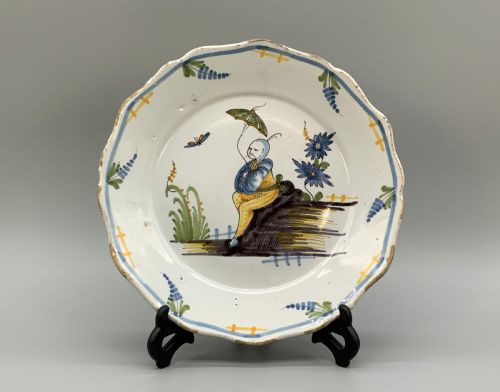


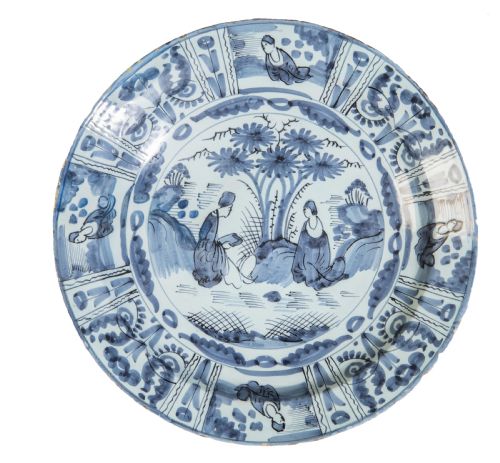
Vintage Delft Ceramic Dish
A vintage delft ceramic dish brings hand-painted blue and white or polychrome earthenware into a room, offering centuries of European craft.
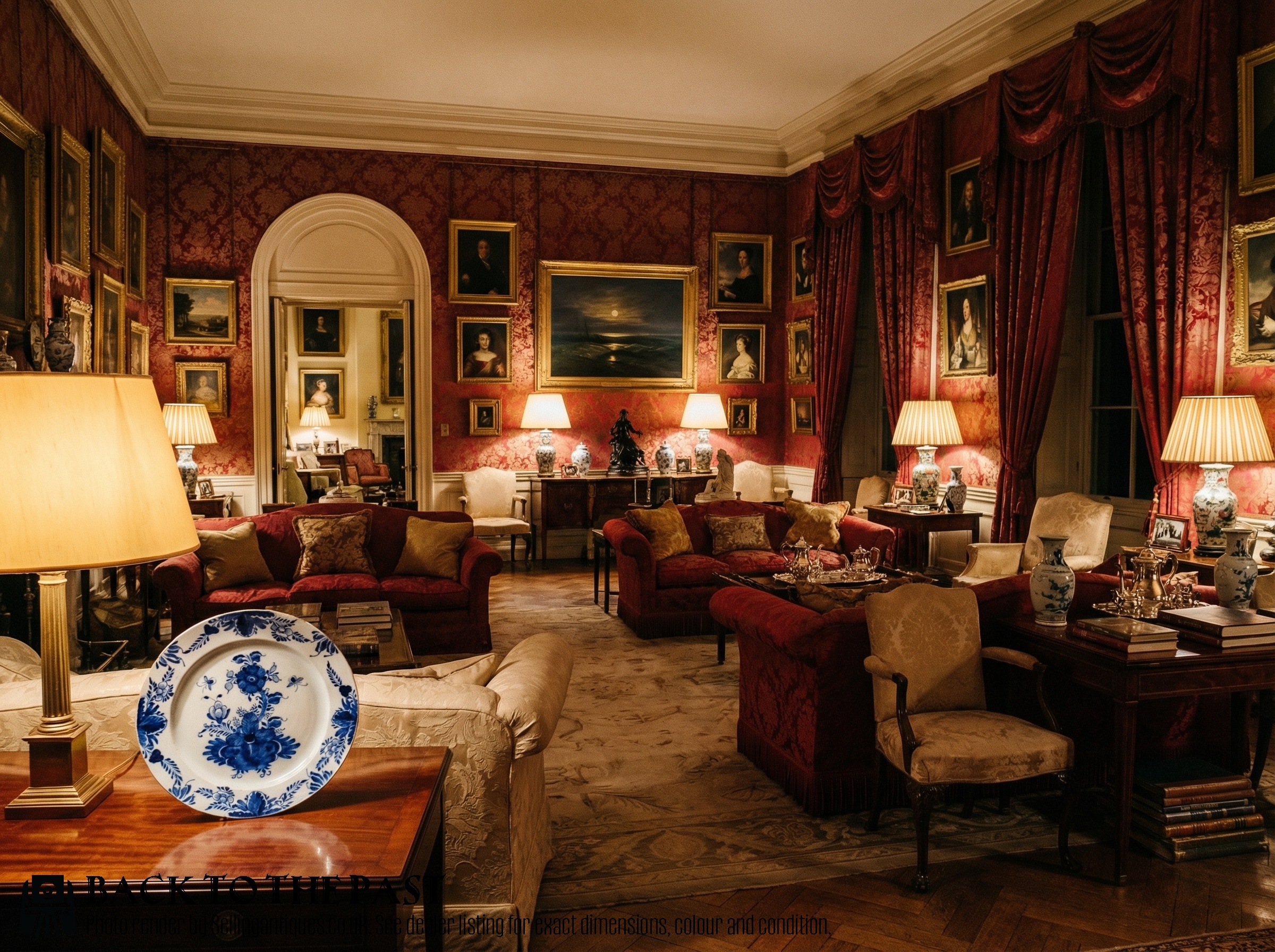
Vintage Delft Ceramic Dish
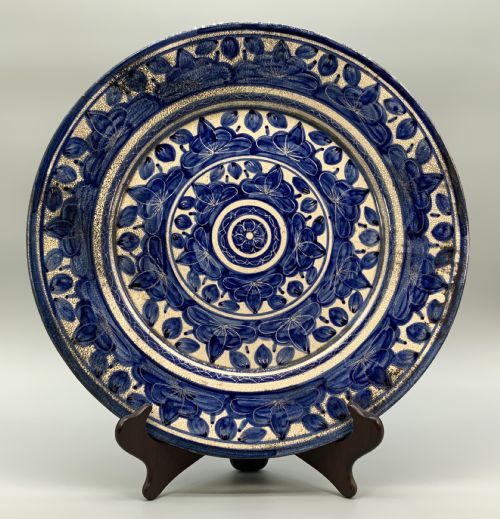
A vintage delft ceramic dish encompasses decorative plates, chargers, shallow bowls and charger plates originating from Dutch, English, French and Continental workshops. When you search for a vintage delft ceramic dish, you encounter earthenware pieces spanning the seventeenth century through to the mid-twentieth century, including the Moorish style and Dutch Delftware traditions.
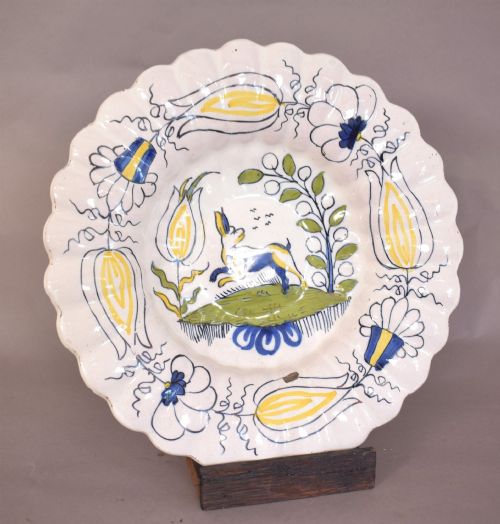
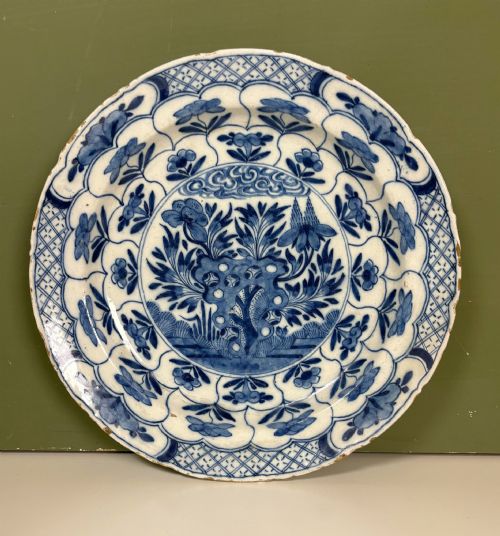
The pieces on this page appear primarily as large chargers and decorative plates, alongside shallow bowls and smaller plates. They represent periods such as the seventeenth century, the eighteenth century, and nineteen-forty, reflecting styles like Dutch Baroque, Georgian, and eighteenth-century French.
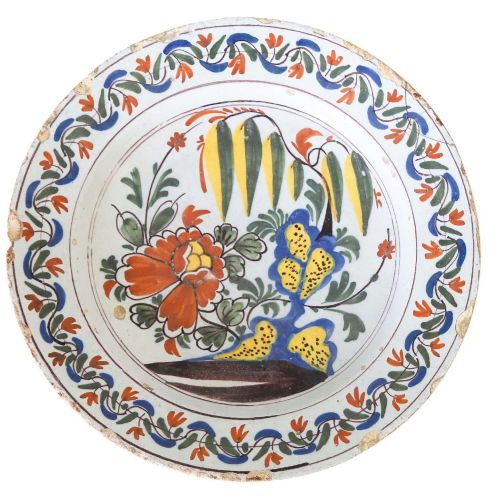
Buyers find both blue and white wares and polychrome examples featuring manganese and yellow pigments or hand-painted floral and Chinoiserie decoration. Each object displays the characteristic tin glaze applied over an earthenware body.
Materials and construction methods
Potters formed these pieces from earthenware clay, shaping them into plates, chargers and shallow bowls before applying a tin glaze that created an opaque white surface. Artisans then painted pigments directly onto this absorbent unfired glaze.
Makers utilised cobalt oxide and cobalt pigment for classic blue and white decoration, alongside manganese and yellow pigments for polychrome and Chinoiserie designs. The pieces were subsequently fired, fusing the metallic oxides into the white tin-glaze ground.
Potters occasionally mixed manganese and yellow pigments to liven up a dish when blue cobalt simply felt too sensible.
Distinctions in quality and execution
The quality of a vintage delft ceramic dish rests upon the crispness of the hand-painted decoration and the fluidity of the brushwork on the tin glaze. Superior examples display confident floral, landscape or Chinoiserie motifs executed with precision by skilled hands.
The stability and purity of the white tin glaze and the richness of the cobalt, manganese or yellow pigments set finer pieces apart from simpler output. Earlier seventeenth-century and eighteenth-century examples often exhibit greater depth in the glaze surface and more expressive painted details than later interpretations.
The Vintage Delft Ceramic Dish Glossary
- Tin-Glazed Earthenware
- Earthenware pottery covered with a white tin-oxide glaze that provides an opaque background for painted decoration. This technique forms the foundation of all delftware production.
- Charger
- A large decorative plate intended for display on a wall or dresser rather than for practical dining use. These substantial pieces frequently showcase the most ambitious painting.
- Faience
- A European term for tin-glazed earthenware, particularly associated with French and Continental production. It shares the same technical characteristics as English and Dutch delftware.
- Cobalt Oxide
- A mineral pigment used to achieve the deep blue colour seen on traditional delft ceramics. It withstands high firing temperatures without losing its intensity.
- Chinoiserie
- European decorative motifs imitating Chinese artistic styles, commonly found on eighteenth-century ceramic dishes. Painters adapted oriental scenes into local blue and white or polychrome colour schemes.
Vintage Delft Ceramic Dish: Frequently Asked Questions
How were delft chargers used?
Delft chargers served primarily as decorative wall hangings or display pieces on sideboards rather than as tableware for serving food.
Their large surfaces and painted designs made them status objects in wealthy interiors.
What is the difference between delft and faience?
Delft specifically refers to tin-glazed earthenware made in England and the Netherlands, while faience is the broader continental European term for the same technique.
Both employ an earthenware body covered in an opaque tin glaze with painted decoration.
How do you identify an eighteenth-century piece?
Eighteenth-century pieces typically exhibit specific stylistic traits like Georgian influences, polychrome floral painting, or French Chinoiserie motifs.
The characteristics of the earthenware body and the composition of the tin glaze also provide clues to the period.
Can these dishes be used for food?
Historic tin-glazed earthenware is generally collected for display rather than daily culinary use due to the delicate nature of the glaze.
Modern handling is kept minimal to preserve the historic painted surfaces.