
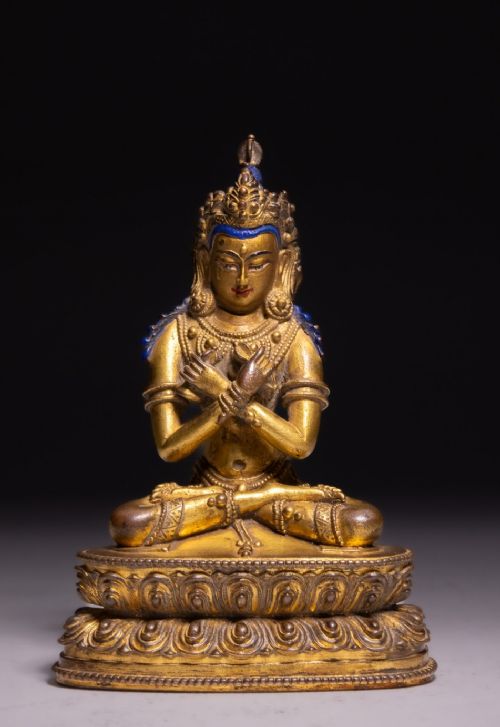


Antique Tibetan Sculpture
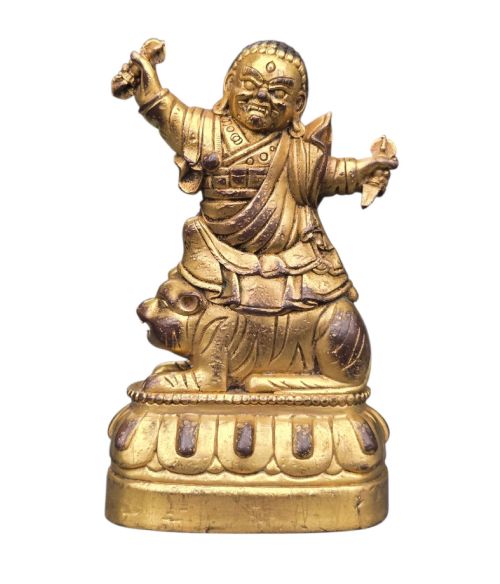
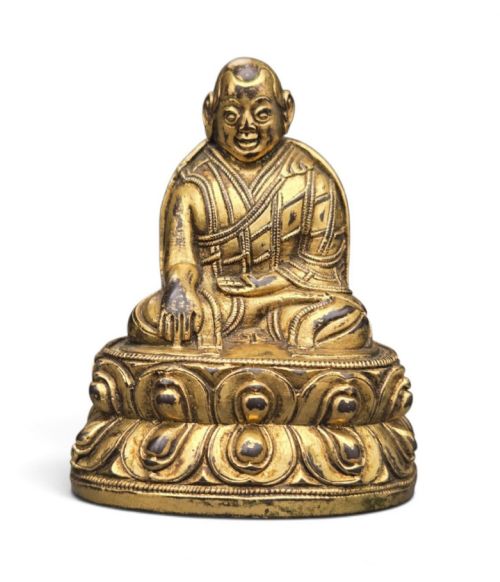
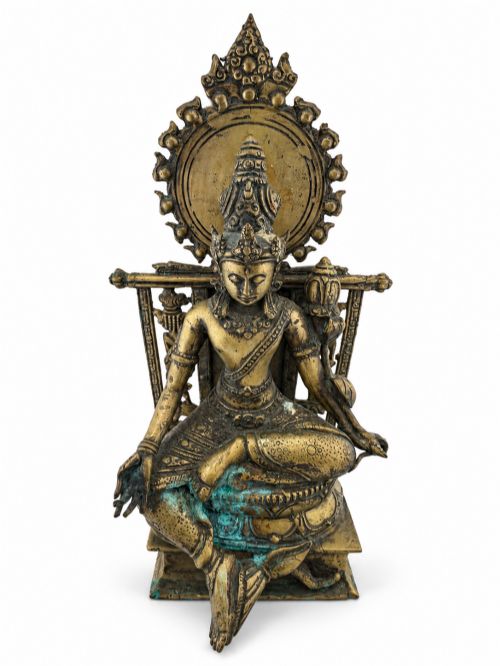
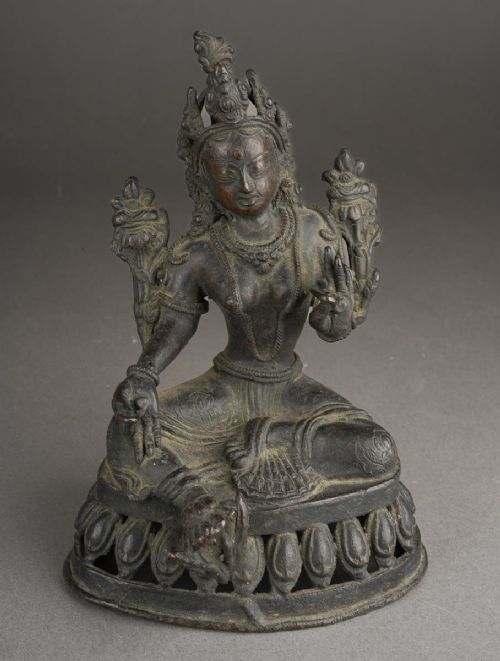
These antique tibetan sculpture pieces are ritual figures and deities rendered in bronze, wood, and pigment that bring centuries of Himalayan Buddhist heritage into a room.
Antique Tibetan Sculpture
When you search for antique tibetan sculpture, you encounter cast bronze figures, temple statues, and carved wooden objects rooted in Himalayan Buddhist traditions. The selection spans centuries from the 17th century through the Victorian era and the early 20th century.
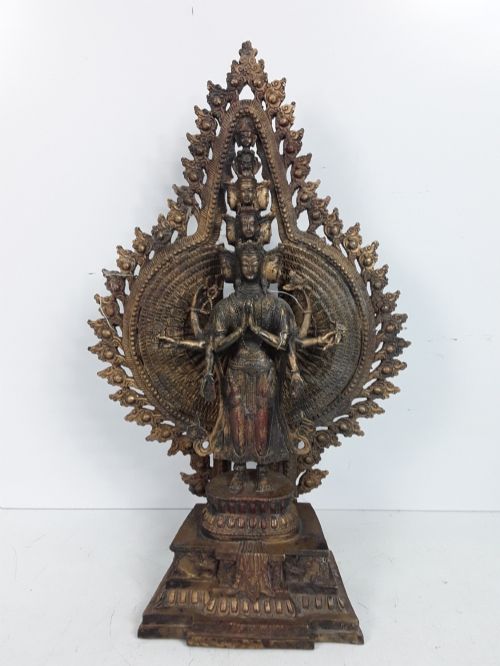
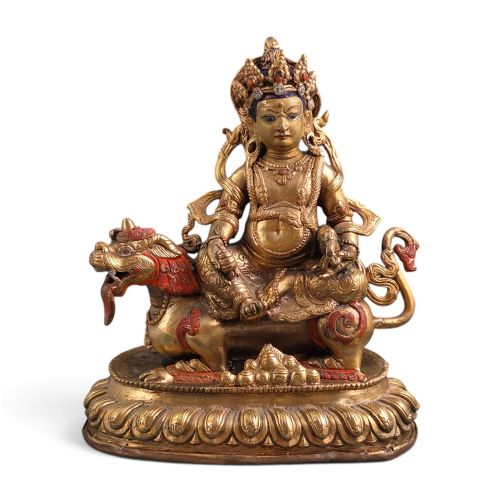
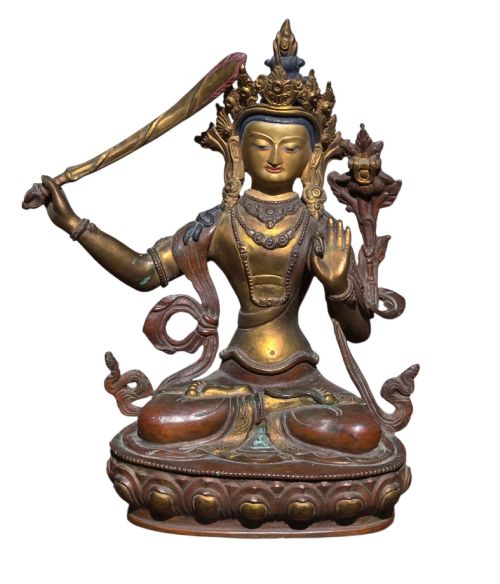
You will most frequently meet bronze and gilt-bronze deities such as Tara, Avalokiteshvara, and various manifestations of Buddha. These range from modest shrine statuary to large temple pieces and pairs of temple lions.
Beyond metal cast figures, the grouping encompasses regional variations including Sino-Tibetan works, Himalayan folk art masks, and carved wood or polychrome painted ritual items. Each piece reflects specific iconographic forms and historical periods.
How they were made
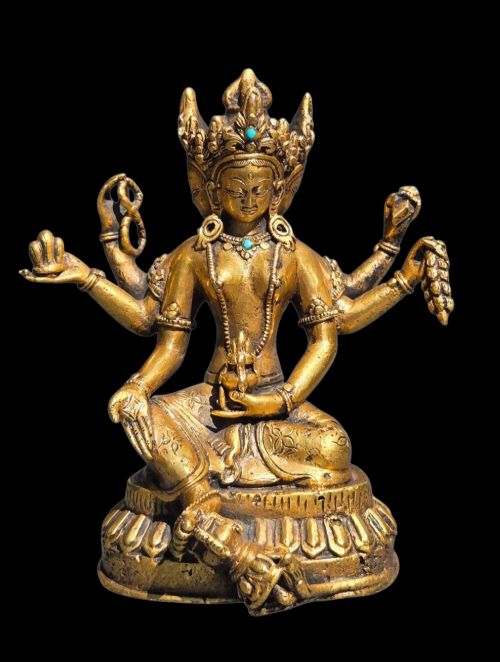
Selected examples incorporate inlays of turquoise and other materials directly into the cast metalwork. Wooden pieces involve hand carving supplemented by polychrome paint or detailed surface decoration.
The listings feature works spanning from the 17th century through the Victorian era to the early 20th century, rendered in bronze, wood, and turquoise.
What varies in quality
The degree of crispness in the casting and chiselling determines the visual fidelity of the deity's ornaments and expression. Finer works display meticulous hand-tooling across intricate drapery and hair details.
The preservation of original surface gilding, applied pigments, and stone inlays substantially elevates the character of a piece. Heavier gauge metal casting and substantial scale also distinguish major shrine and temple statuary from domestic items.
The Antique Tibetan Sculpture Glossary
- Gilt bronze
- Metal cast with a layer of gold applied to the surface. This technique imparts a radiant finish that endures across centuries.
- Sino-Tibetan
- A stylistic classification denoting art created under the intersection of Chinese and Tibetan cultural spheres. These works often combine imperial Chinese casting refinement with Tibetan Buddhist iconography.
- Turquoise inlay
- Precious or semi-crystalline stones set directly into channels within the metalwork. This decorative method enhances the ornamentation of divine figures.
- Avalokiteshvara
- A revered bodhisattva embodying the compassion of all Buddhas. Depictions frequently feature multiple heads or arms.
Antique Tibetan Sculpture: Frequently Asked Questions
What are these sculptures made of?
The pieces in this category are primarily cast in bronze, copper alloy, brass, and gilt bronze. Some examples utilise wood paired with polychrome paint or incorporate turquoise inlays.
Surfaces often retain traces of original pigment or gilding applied by traditional artisans.
How do I date an antique piece?
Dating relies upon stylistic markers, casting characteristics, and material wear associated with specific periods like the 17th, 18th, or 19th centuries. Sino-Tibetan and regional Himalayan traits offer further chronological context.
Comparison with documented examples helps establish the likely era of production.
Where were these figures placed?
Many of these statues originated in household shrines, monasteries, or temples across the Himalayan region. Larger bronzes and temple lions served as protective guardians for sacred spaces.
Smaller figures functioned as personal objects of devotion and meditation.
How do I care for bronze and wood sculptures?
Bronze and gilt-bronze items require minimal intervention beyond dusting with a soft, dry cloth. Polished metal cleaners should be avoided to preserve historic patinas and remaining gilding.
Wooden and polychrome pieces need stable indoor humidity away from direct sunlight to prevent paint flaking.