




Oriental Polychrome Wood Statue
An oriental polychrome wood statue brings hand-carved history into a room, offering layered pigments and gilded details that anchor a space.
Oriental Polychrome Wood Statue
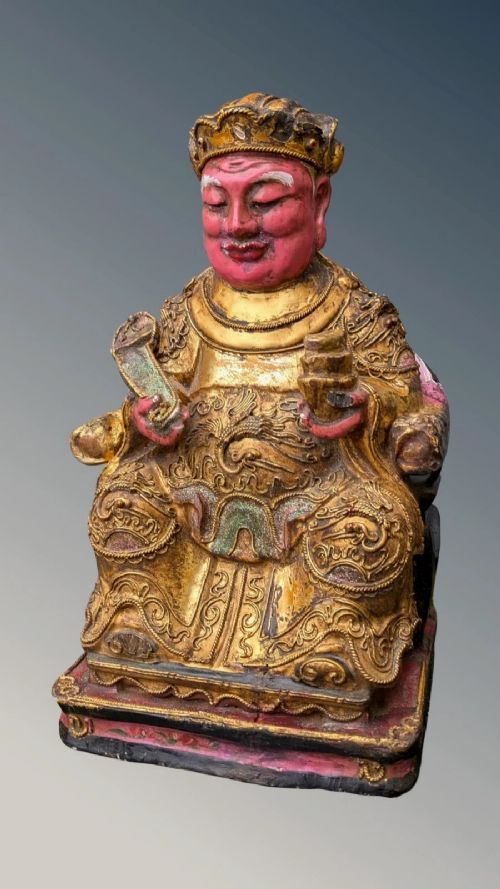
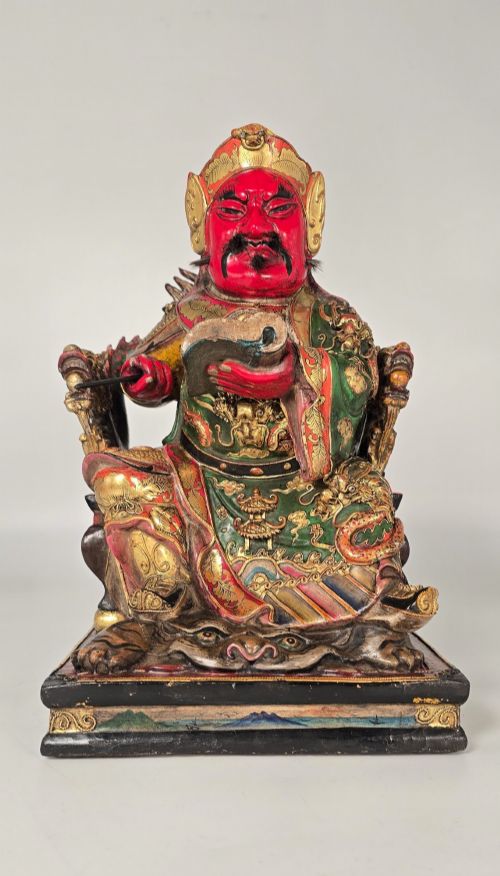
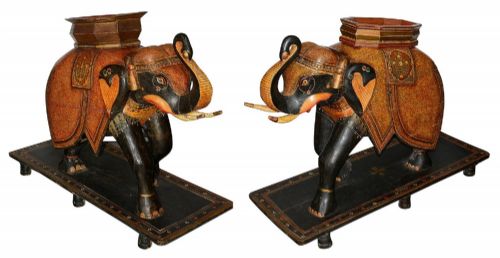
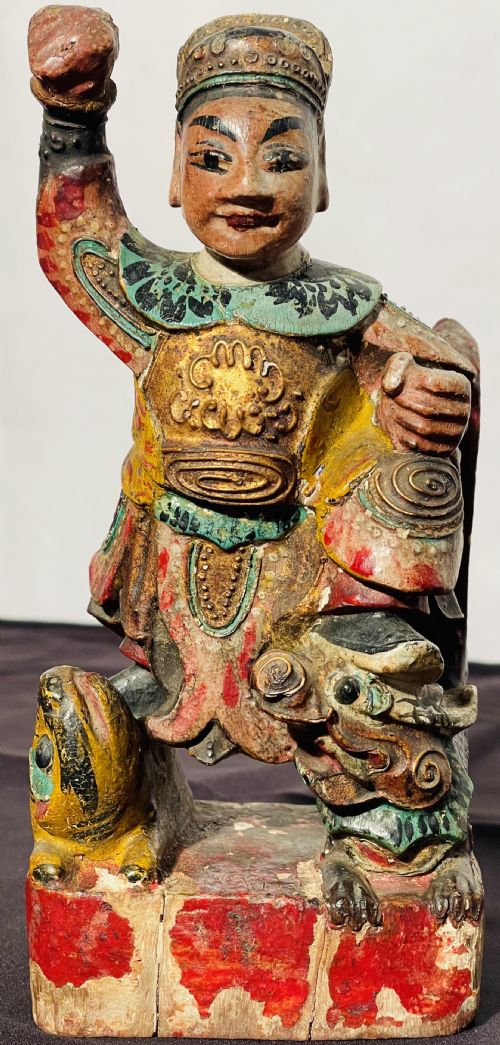
When you search for an oriental polychrome wood statue, you are looking at figural sculptures originating from China, Tibet, Burma, and Kashmir. These pieces depict deities, scholars, civil officials, temple guardians, and mythical animals like Foo dogs and elephants.
The versions you are most likely to meet on this page date predominantly from the eighteenth and nineteenth centuries, with occasional seventeenth-century temple examples. They take the form of high-relief carvings and ritual sculptures ranging from cabinet-sized figures to monumental works.
Makers shaped these subjects from carved wood, applying gesso, lacquer, and polychrome pigment to build detailed surfaces. Styles span the Ming and Qing dynasties alongside Tibetan folk art and Anglo-Indian traditions.
Materials and construction methods
Carvers shaped the core structure from timber before preparing the surface for decoration. Wood was worked into high-relief figures of deities, scholars, and temple guardians.
Artisans applied gesso as a ground layer to smooth the timber and provide a stable base for subsequent ornament. Gold leaf and polychrome pigments were then layered directly onto the prepared surface.
Lacquer finishes were utilised to seal and protect the wood and pigments, creating a durable sheen. Pigments were hand-painted to render the garments, faces, and attributes of each ritual figure.
Listings feature items from the seventeenth, eighteenth, and nineteenth centuries, including works from the Ming and Qing dynasties.
Judging the standard of carving and pigment
The preservation and application of the original surface decoration determine the visual impact. Traces of early gold leaf, gesso, and hand-painted polychrome pigment that remain undisturbed elevate a piece.
The scale and complexity of the subject matter influence the standing of the work. Monumental temple guardians and detailed figures of deities demonstrate greater ambition than standard domestic statues.
The Oriental Polychrome Wood Statue Glossary
- Polychrome
- Decorated in multiple colours. This term describes the layered pigments found on the surface of carved wooden figures.
- Gesso
- A plaster mix applied to wood to create a smooth surface. Artisans used this material as a base for gold leaf and paint.
- Foo dog
- A traditional guardian lion sculpture. These mythical beasts were carved from wood to protect temples and domestic spaces.
- Guanyin
- A revered figure representing compassion. Sculptures of this subject appear frequently in Chinese wood carvings.
- High relief
- A sculptural technique where figures project far from the background. This method gives depth and presence to temple carvings.
Oriental Polychrome Wood Statue: Frequently Asked Questions
How old are these wooden statues?
The pieces listed on this page span several centuries, with dates ranging from the seventeenth century through the nineteenth century and into the early twentieth century.
Most examples belong to the eighteenth and nineteenth centuries, reflecting periods such as the Qing dynasty.
Where were these statues made?
These sculptures originate from various regions across Asia, including China, Tibet, Burma, and Kashmir.
Chinese temple figures and scholars form a significant portion of the selection, alongside Tibetan folk art and Anglo-Indian works.
What are the statues made from?
The primary material is carved wood, which forms the structural core of every figure.
Artisans then applied gesso, lacquer, gold leaf, and polychrome pigments to decorate the surface and render details.
What figures do these statues represent?
The carvings depict a diverse range of subjects, including Buddhist immortals, temple guardians, civil officials, and wealthy scholars.
Mythical animals such as Foo dogs, monkeys, and elephants also appear frequently in the selection.
How do I care for a polychrome wood statue?
Keep the sculpture away from direct sunlight and steady sources of heat to protect the aged wood and delicate pigments.
Dust the surface gently with a dry, soft cloth and avoid using liquid cleaners or polishes.