




Red Polychrome Wood Figure
These red polychrome wood figure carvings are sculptural works that bring centuries of devotional and folk art tradition directly into a room.
Red Polychrome Wood Figure
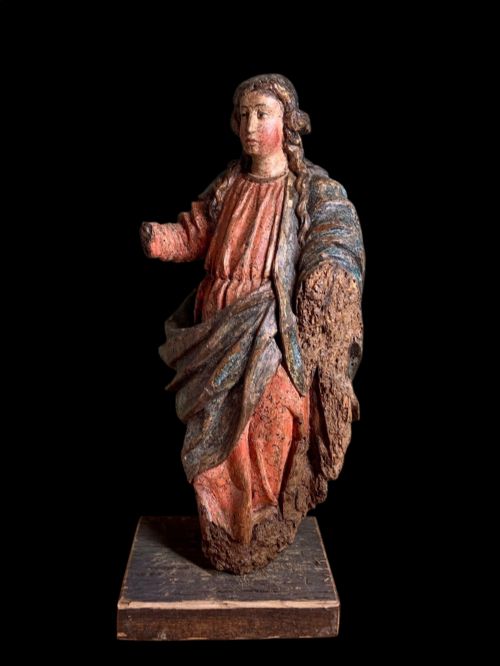
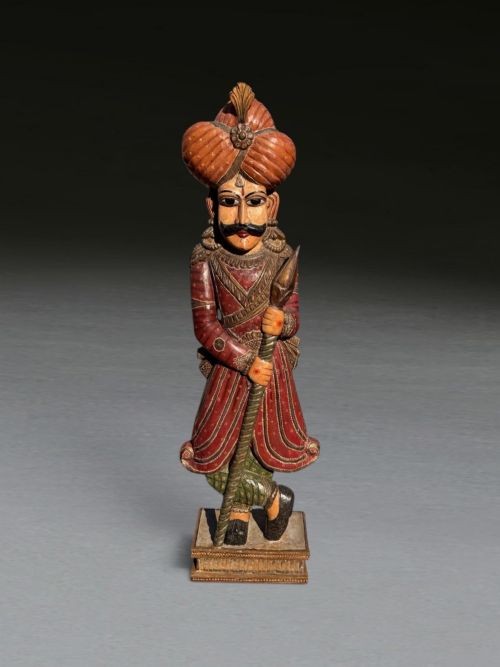
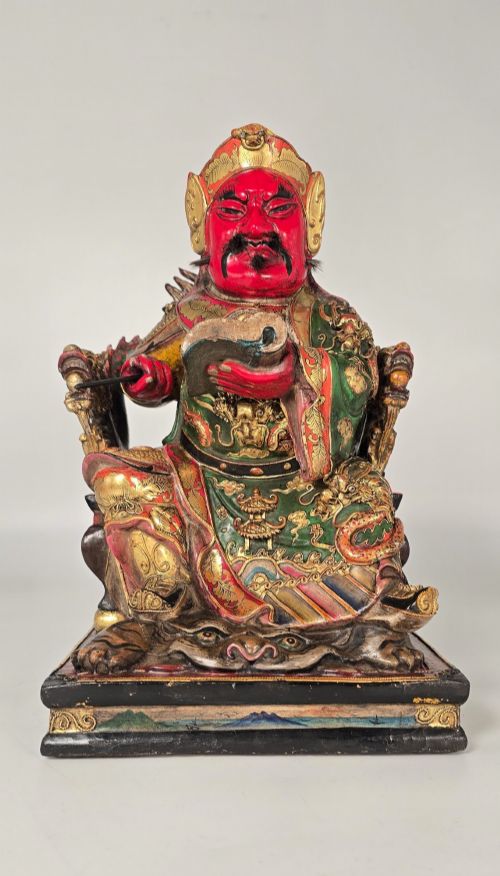
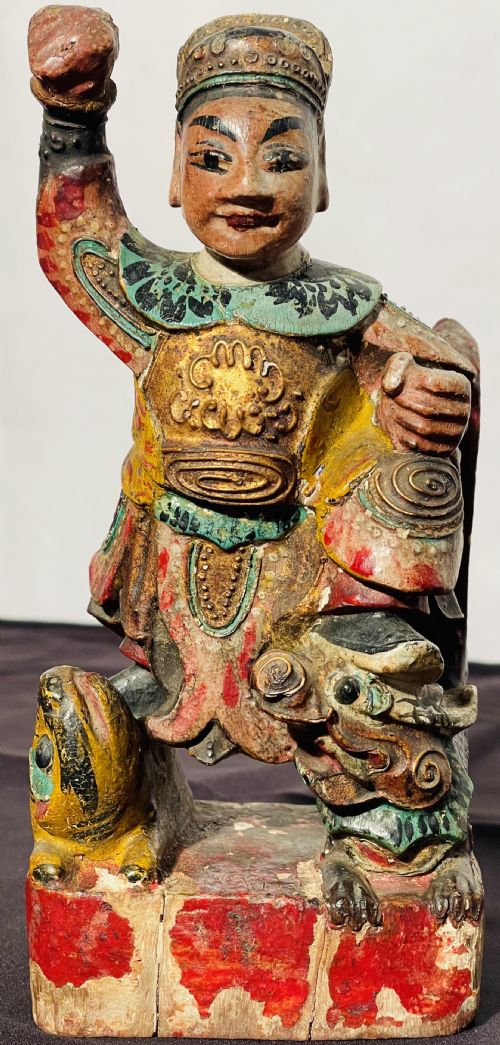
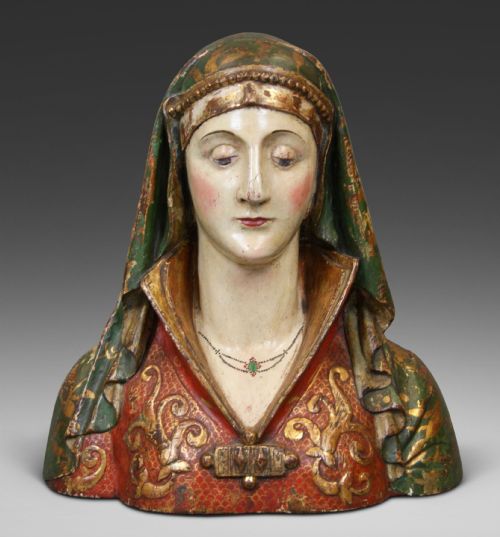
A red polychrome wood figure encompasses devotional saints, temple officials, scholars, soldiers, and mythical animals originating from European, Chinese, Indian, Burmese, and Tibetan traditions. Spanning from the fifteenth century through the early twentieth century, these sculptures take the form of freestanding statues, wall plaques, religious busts, and even carved walking sticks. The pieces reflect distinct regional aesthetics, ranging from Qing Dynasty and Ming Dynasty temple works to Indian folk art and European Gothic or Baroque iterations.
The versions most commonly met on this page include Chinese carved scholars and officials, nineteenth-century Burmese Nats, and European carved wooden saints. These works often arrive with layers of historic paint and pigment, showing the passage of time across timber and gesso surfaces. Whether dealing with a large Tibetan statue or a modest Indian painted horse, each object serves as a tangible link to historical ritual and craftsmanship.
Materials and construction methods
Makers shaped these sculptures primarily from solid wood, often utilising thorn wood or regional hardwoods suited to detailed hand carving. Artisans applied layers of gesso to create a smooth preparatory foundation before adding vibrant polychrome paint, pigments, and lacquer. Many surfaces incorporated gold leaf or gilt highlights to accentuate the vestments and attributes of the depicted figures.
The construction typically involved carving the main body from a single block or assembled timber sections, followed by meticulous hand painting. The interaction between the carved wooden substrate and the ageing paint layers creates the distinctive craquelure and patina observed on these historic sculptures.
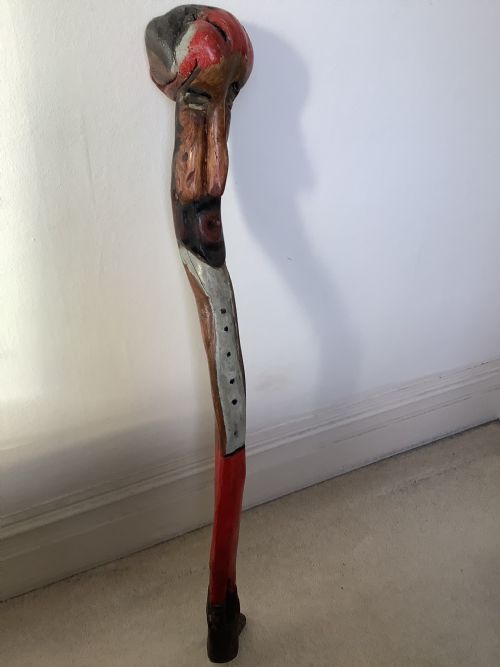
Among the deities and saints, a spirited nineteenth-century thorn wood walking stick steps forward as a genuinely unexpected sculptural companion.
Distinctions in craftsmanship and preservation
Proportion, stance, and the harmonious balance between the carved form and surface decoration dictate the overall impact of the sculpture. Structural stability of the timber and the honest preservation of surface distress complete the evaluation of a piece.
The Red Polychrome Wood Figure Glossary
- Polychrome
- Decorated in multiple colours. This term describes the application of various paints and pigments to the wooden surface of a sculpture.
- Gesso
- A plaster mix applied to wood. Artisans used this substance as a smooth base layer before laying down gold leaf or paint.
- Gilt
- Covered thinly with gold leaf or gold paint. This technique highlighted important details on religious and scholarly figures.
- Nat
- A spirit worshipped in Burma. These figures often appear as carved statues bearing traditional regional attributes.
- Quan Yin
- A bodhisattva associated with compassion. Sculptures depicting this figure frequently display intricate carved robes and aged pigment.
Red Polychrome Wood Figure: Frequently Asked Questions
How were these figures used originally?
Many of these pieces served as objects of devotion in domestic shrines, temples, or churches, receiving prayers and offerings from worshippers.
Others functioned as decorative or symbolic representations of rank, scholarly achievement, or cultural narratives within elite and folk environments alike.
Where should I place a wooden figure?
These sculptures suit stable indoor environments away from direct sunlight and dramatic fluctuations in humidity or temperature.
Positioning them on a sturdy mantelpiece, dedicated console table, or within a secure display cabinet allows the carved details and pigment to remain safe.
How do I care for historic painted wood?
Maintenance requires only gentle dusting with a soft, dry brush to prevent the accumulation of particles on fragile painted and gilt surfaces.
Moisture, chemical cleaning products, and abrasive cloths must be avoided entirely to preserve the delicate historic pigment and gesso layers.
How can I tell the age of a carved figure?
Age is determined by examining the tool marks left by the carver, the oxidation of the exposed timber, and the natural craquelure of the paint.
Comparing the stylistic conventions of the carving and regional dress provides further context regarding the specific period and origin.