
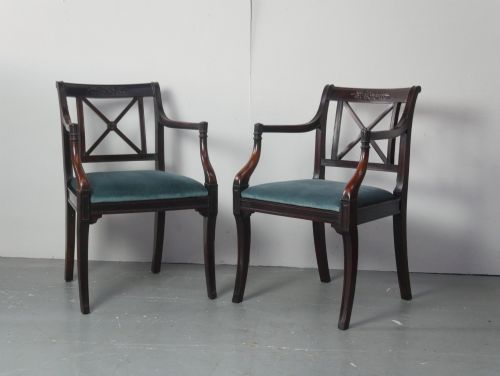
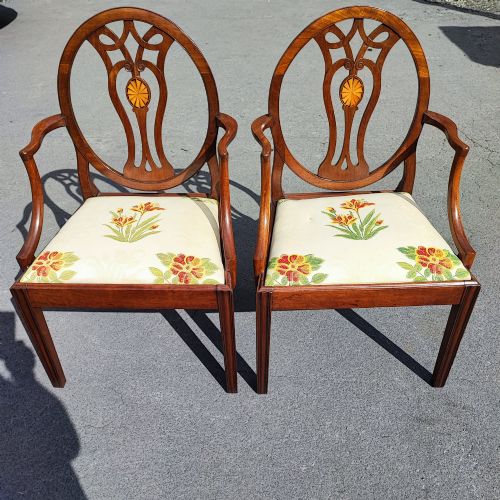
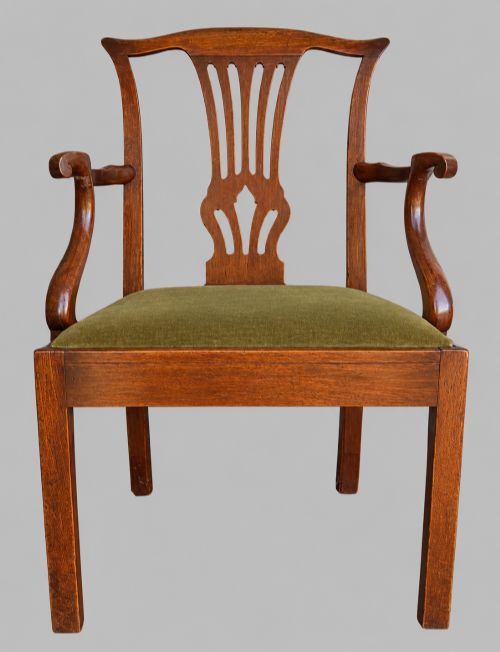
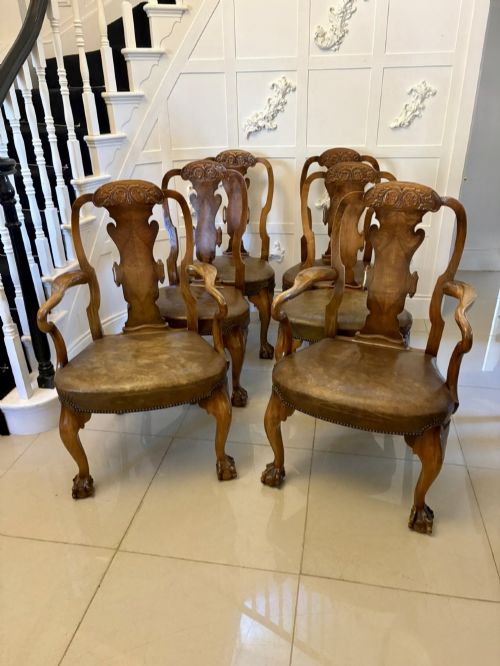
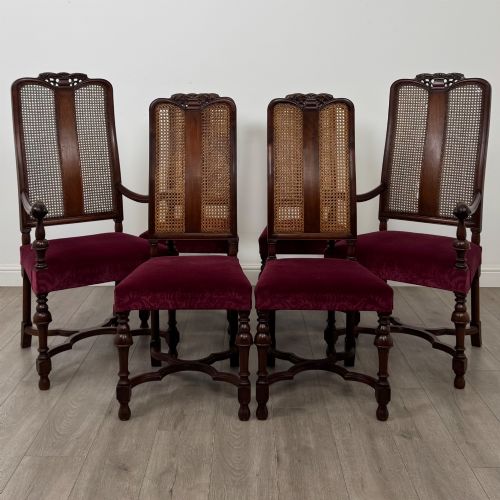
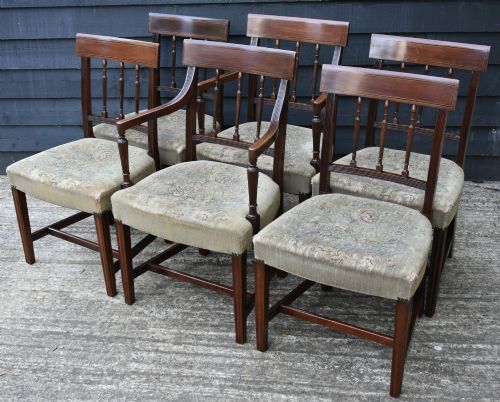
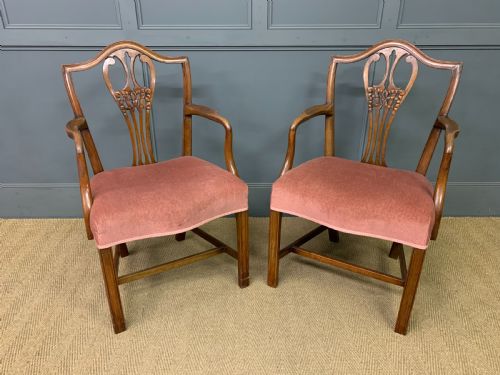
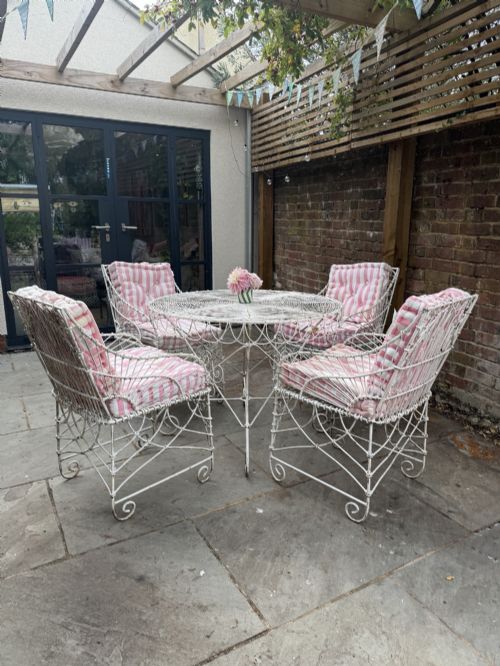
Antique Style Dining Armchairs
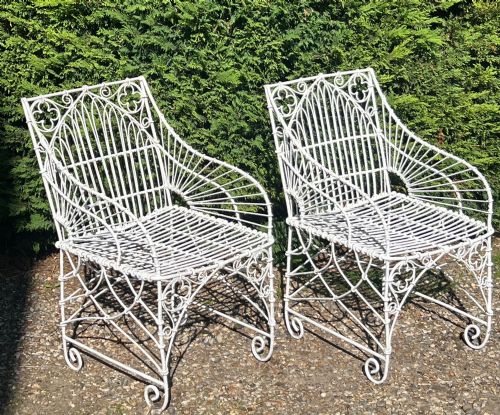
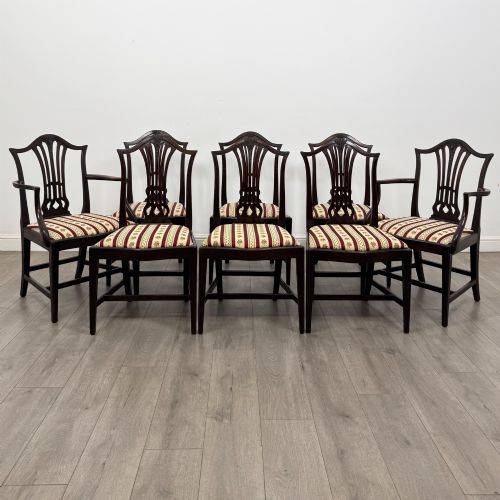
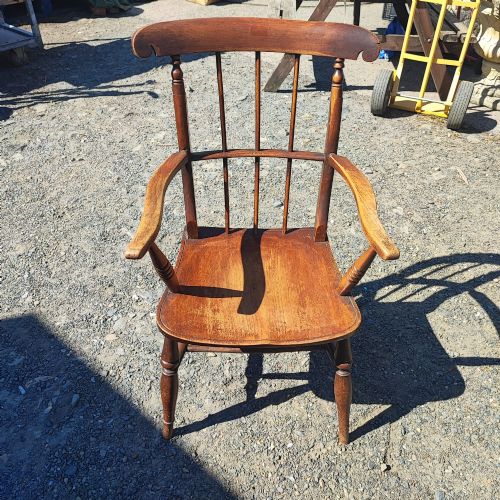
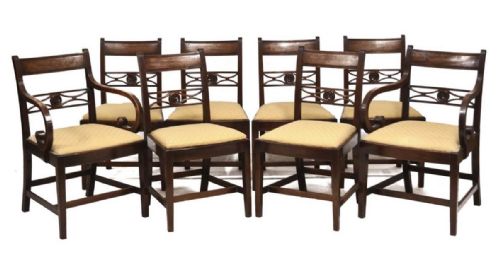
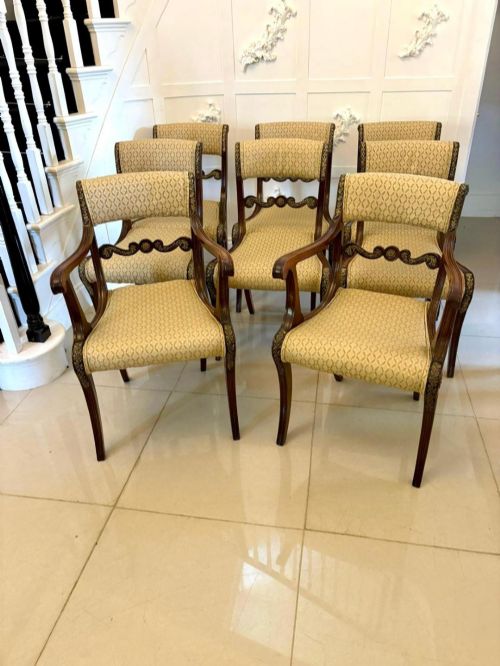
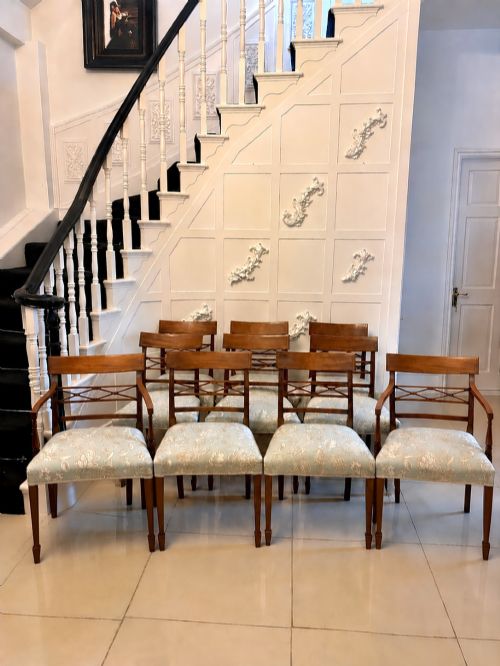
Antique style dining armchairs bring substance to the table, offering supportive seating crafted from timbers like mahogany and oak across various periods.
Antique Style Dining Armchairs
When you search for antique style dining armchairs, you encounter seating designed to accompany a dining table while providing the comfort of armrests. These pieces range from authentic period examples to later revivals styled after earlier centuries.
The pieces on this page span several eras, predominantly drawing on Georgian, Regency, and Victorian designs. Mahogany remains the most frequent timber met here, often accompanied by walnut, ash, elm, and oak.
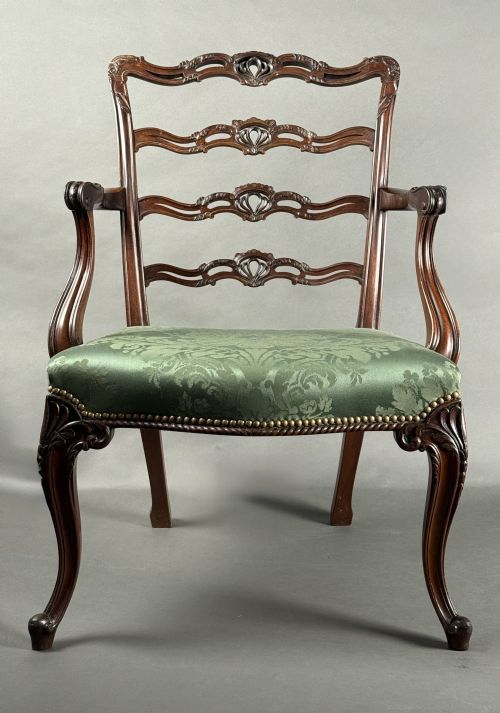
Forms include single armchairs, pairs, and carvers that often form the ends of larger dining sets. You also encounter specific revival iterations referencing Chippendale, Sheraton, and Hepplewhite aesthetics.
How They Were Made
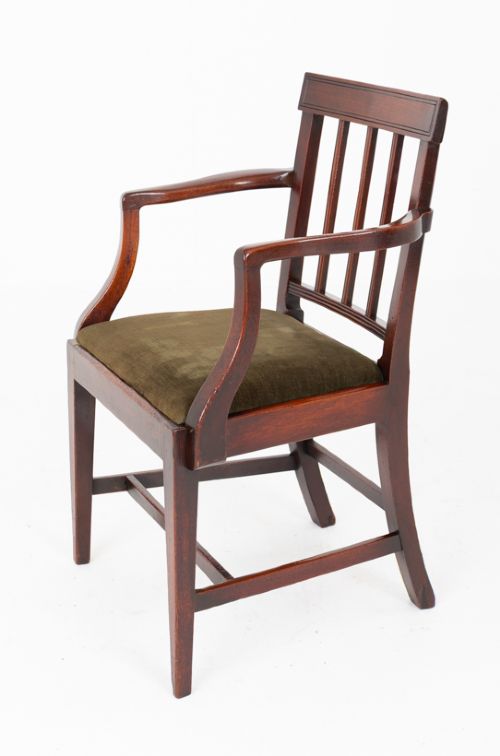
Cabinetmakers constructed these frames principally from solid hardwoods like mahogany and oak, employing traditional joinery such as mortise and tenon. Secondary timbers like ash and elm frequently appear in country vernacular pieces.
Carving defines the ornamentation on many backs and arms, utilising manual chisels to shape acanthus leaves, scrollwork, and shield motifs. Seat bases incorporate drop-in wooden frames or upholstered pads covered in fabric, leather, or cane.
Listings feature mahogany predominantly, alongside walnut, oak, ash, elm, and fruitwood.
What Varies in Quality
The depth and crispness of hand carving separate finer examples from simpler production. Superior frames show sharp relief in moulded rails and pierced splats, whereas lesser pieces display softer, shallower detailing.
Timber selection dictates overall structural integrity and visual depth. Dense, well-figured mahogany with tight grain contrasts with plain, utility-grade woods that lack natural chatoyancy and ageing character.
Maple and Co·Alfred Allen of Birmingham
The Antique Style Dining Armchairs Glossary
- Carver
- A dining chair fitted with arms, traditionally placed at the head of a table. These match the single chairs in a larger dining set.
- Splat
- The vertical central slat within the back of a chair. This component often carries the primary decorative carving or piercing characteristic of the style.
- Open armchair
- A seat without upholstered side panels, exposing the structural wooden arm supports. These contrast with enclosed upholstered armchairs.
- Rush seat
- A seating surface woven from dried marsh plants bound tightly around the frame rails. This technique appears primarily in country and arts and crafts vernacular seating.
Antique Style Dining Armchairs: Frequently Asked Questions
What is a carver chair?
A carver chair is simply an armchair designed specifically for dining tables. They usually match a set of armless single chairs and sit at the head of the table.
Historically, these accommodated the host or guests of honour, providing extra support through integrated armrests.
How do I date an armchair?
Dating relies on examining the timber species, joinery methods, and stylistic cues present in the back splat and legs. Cabinetmakers altered their decorative vocabularies across the eighteenth and nineteenth centuries.
Comparing the construction beneath the seat with established period examples helps verify whether the piece dates to the original era or a later revival.
Are revival chairs valuable?
Revival pieces produced around nineteen hundred often exhibit high levels of craftsmanship that rival eighteenth-century originals. Collectors value them for their solid construction and faithful adherence to earlier proportions.
While they lack the age of true period antiques, quality revivals offer practical utility for daily dining use.
Can I mix different styles?
Mixing chair styles around a dining table creates a collected interior that reflects individual taste rather than a uniform suite. Ensuring consistent timber tones or matching heights helps maintain visual harmony.
Pairing armchairs from one era with simpler side chairs from another adds historical depth to a dining room.