

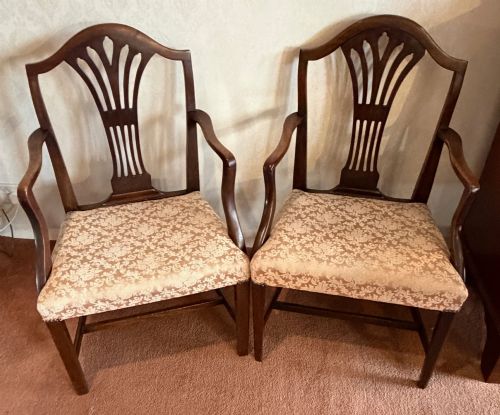


Period Style Desk Chairs
Period style desk chairs combine the substantial timber construction of earlier centuries with the practical comfort required for daily study or writing.
Period Style Desk Chairs
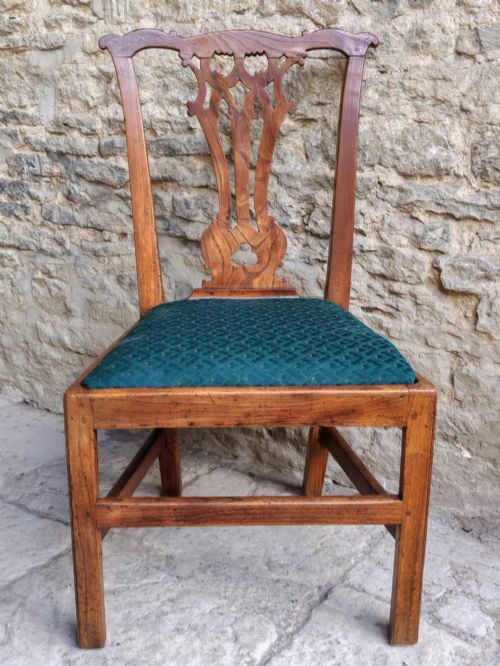
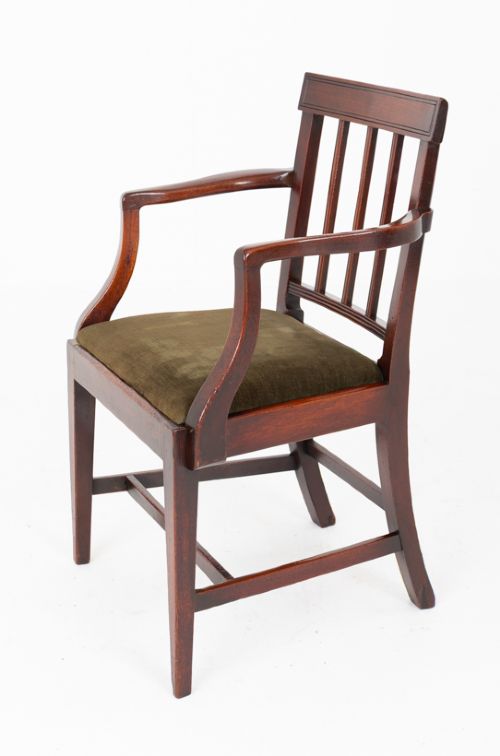
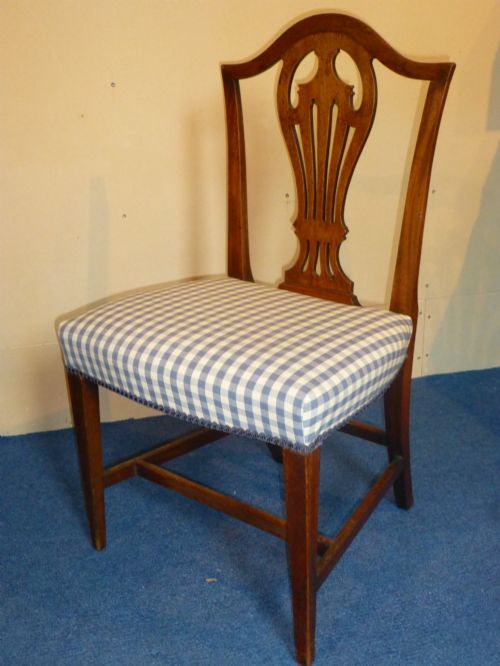
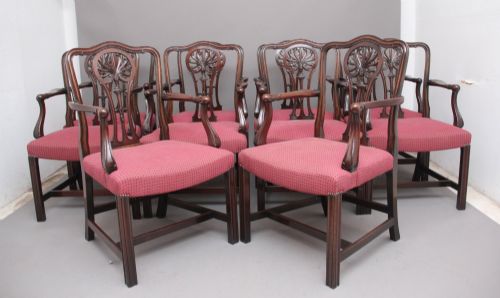
When you search for period style desk chairs, you encounter seating designed to accommodate work at a writing table or bureau. The examples on this page span several centuries, drawing heavily upon Georgian, Regency and Victorian design traditions.
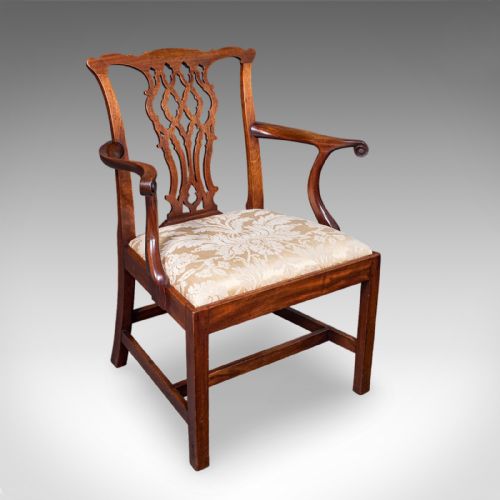
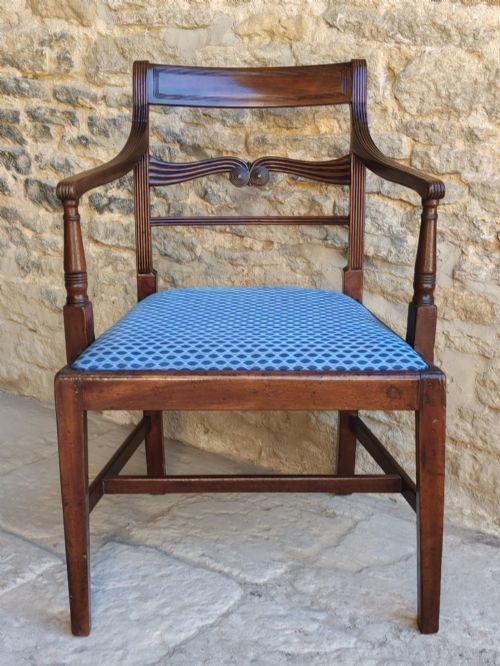
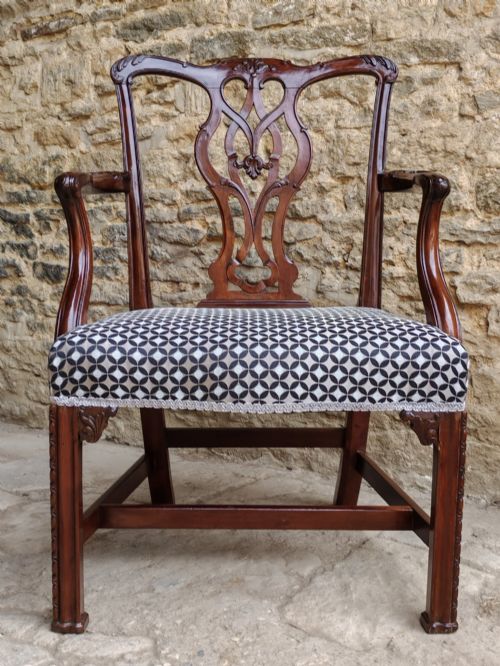
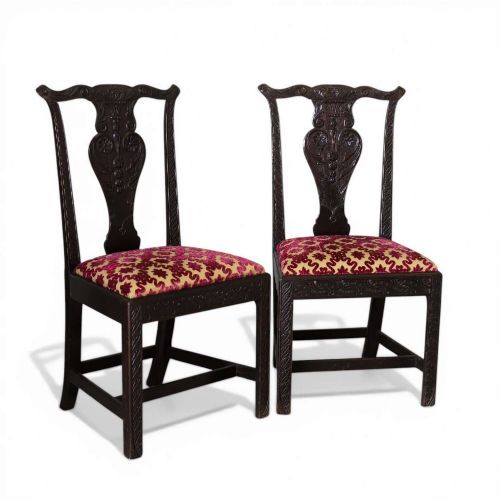
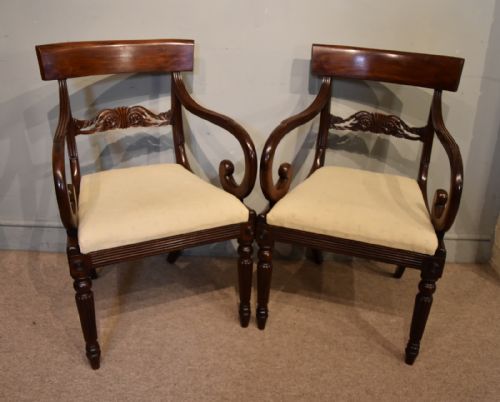
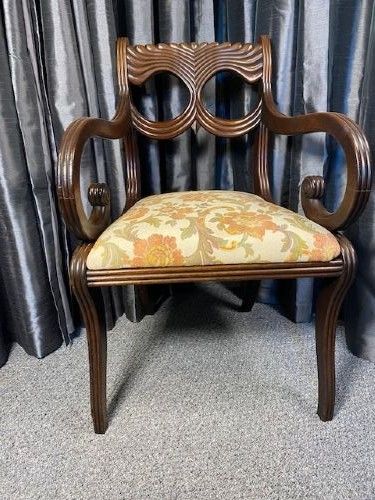
The most common forms you meet are mahogany armchairs, carvers and elbow chairs originating from the eighteenth and nineteenth centuries. Makers frequently adapted dining or library seating configurations to serve as desk chairs, incorporating sturdy wooden frames and occasional upholstered pads.
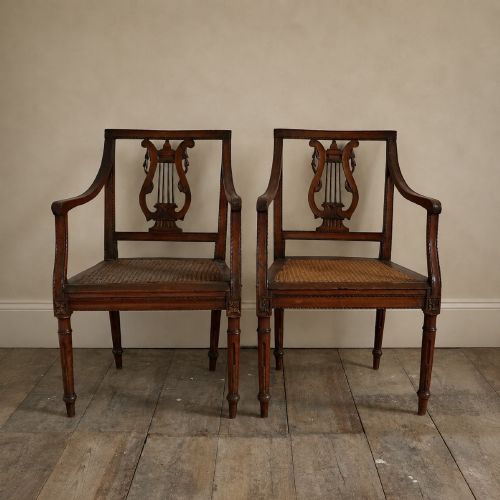
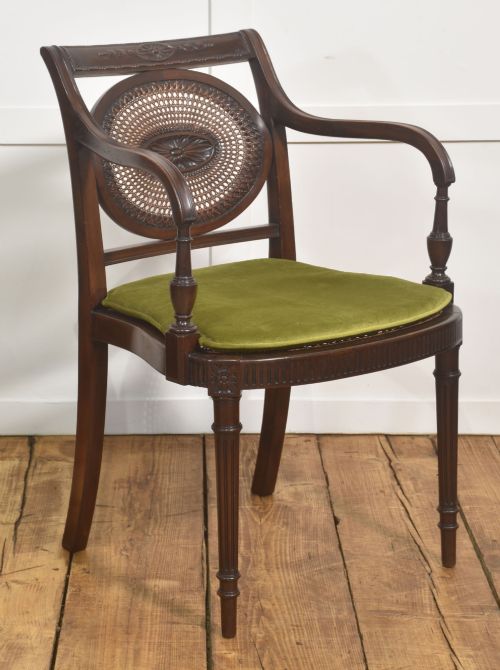
Regional variations include English oak and fruitwood pieces alongside grander mahogany specimens from metropolitan workshops. These chairs range from simple side chairs to elaborate library armchairs with cane seats or brass inlays.
Materials and construction
Cabinetmakers relied primarily on dense hardwoods such as mahogany, walnut and oak, selecting timber for both structural strength and visual grain depth. These woods were expertly joined using traditional mortise and tenon techniques to withstand daily shifting and leaning.
Upholstery involved fabrics like velvet, tapestry and modern designer textiles placed over supportive webbing or cane panels. Brass elements, including castors and delicate inlay work, appeared on higher-status Regency and Georgian models to aid mobility and decoration.
The listings on this site encompass timbers including mahogany, walnut, oak, fruitwood and rosewood across Georgian, Regency and Victorian periods.
Judging quality
The distinction between ordinary and superior examples lies in the crispness of the hand-carving and the selection of figured timber. Master craftsmen invested greater time in shaping splats, arms and legs with harmonious proportions rather than relying on mechanical repetition.
Originality of components heavily dictates the standing of a piece, particularly when frame timbers and secondary woods remain undisturbed by modern alterations. Well-preserved surface finishes and patination accumulated through decades of use separate superior specimens from heavily restored ones.
Charles Tozer·Alfred Allen of Birmingham·Gillows
The Period Style Desk Chairs Glossary
- Carver chair
- An armchair, typically designed with open arms to match a set of dining or desk side chairs. It provides sturdy side support for a working position.
- Elbow chair
- An alternative term for an armchair with shorter armrests that fit neatly beneath the writing surface of a desk. These seats offer mobility without sacrificing lumbar support.
- Bergère
- An enclosed upholstered armchair with wooden framing, often featuring cane work on the back and sides. It originated in France and gained popularity in English Regency libraries.
- Splat
- The central vertical strip of wood down the middle of a chair back. Cabinetmakers shaped and pierced these elements to define the aesthetic period of the seating.
- Patina
- The surface sheen and colour acquired by wood over centuries of handling, polishing and exposure to light. It serves as a visual indicator of age and careful maintenance.
Period Style Desk Chairs: Frequently Asked Questions
What makes a chair suitable for a desk?
Desk chairs typically feature lower or open elbow rests that allow the seat to pull close to a writing table without striking the drawers. They provide upright support suited for reading and correspondence.
Many examples on this page originated as library, elbow or carver chairs from the Georgian and Regency periods. Their sturdy wooden frames and ergonomic proportions naturally adapted to office tasks.
How do I identify a Georgian desk chair?
Georgian chairs generally display dense mahogany or fruitwood construction, accompanied by carved splats, cabriole legs or straight stretchers. They reflect the classical proportions popular during the eighteenth century.
Look for hand-carved details and pegged joinery that indicate construction predating industrial manufacturing. Makers during this era prioritised structural integrity alongside restrained ornamentation.
Are cane seats original on these chairs?
Cane work frequently appears on Regency and Sheraton revival library armchairs to provide a lightweight, breathable seating surface. Many surviving pieces retain or have been faithfully re-woven with traditional cane panels.
Inspect the surrounding wooden rebate where the cane threads through the frame to check for signs of historical repair. Original cane work shows consistent wear and darkening matching the age of the timber frame.
How should I care for antique wood?
Maintain antique mahogany and walnut by keeping chairs away from direct heat sources and rapid humidity shifts. Regular dusting with a soft cloth preserves the historic surface finish without stripping the underlying patina.
Apply occasional professional wax nourishment if the timber appears dry, avoiding modern silicone sprays. Gentle handling ensures the nineteenth-century joints and brass fittings remain secure during everyday use.