




Vase Splat Back Chairs
Vase splat back chairs bring fluid grace to any room, offering classic seating defined by their distinctive vase-shaped central back supports.
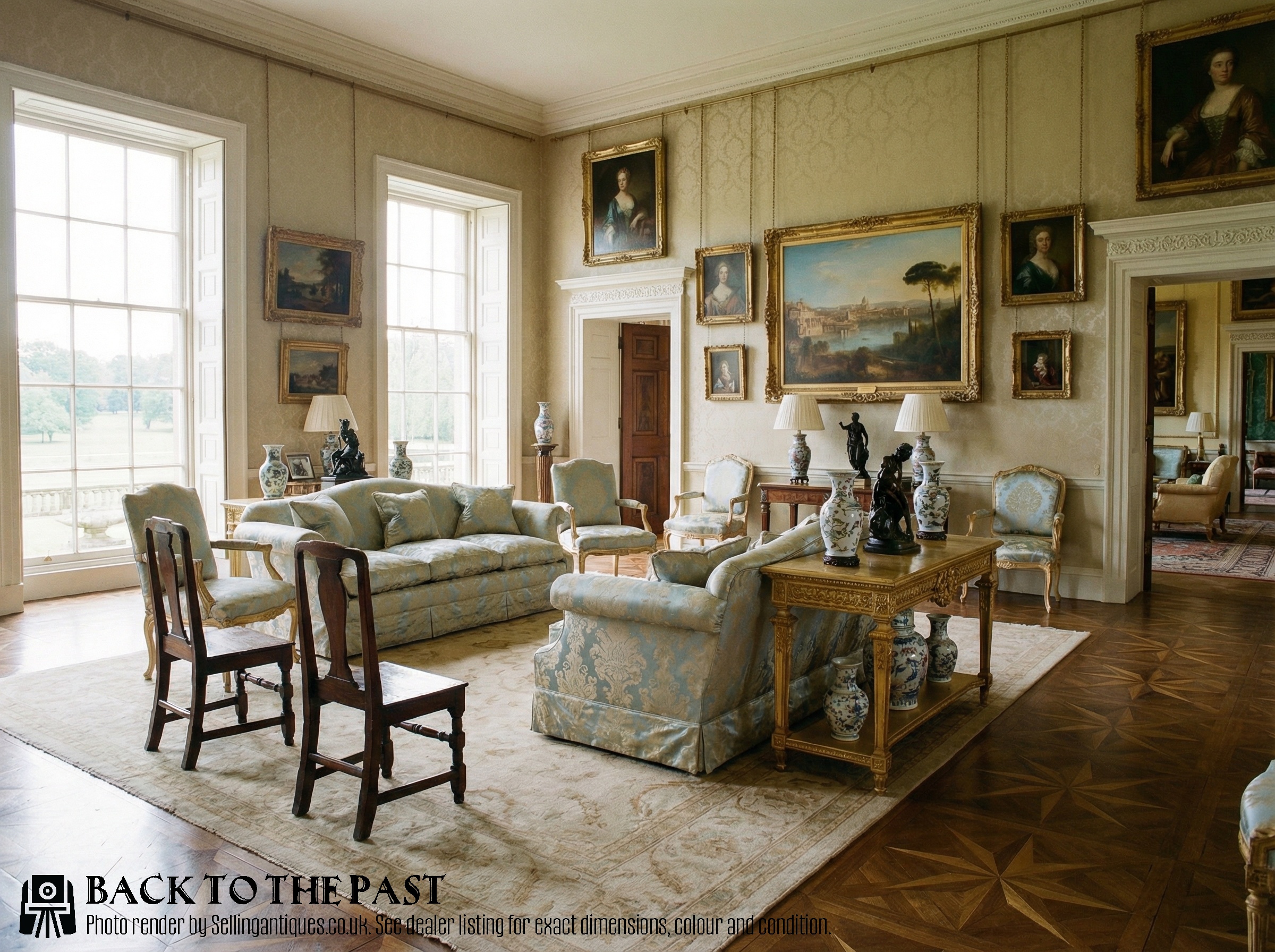
Vase Splat Back Chairs
Vase splat back chairs are defined by their distinctive central back splat, shaped like the silhouette of a classical vase. When you search for vase splat back chairs, you encounter seating forms ranging from single side chairs to extensive dining sets, carver chairs, and multi-chair back settees.
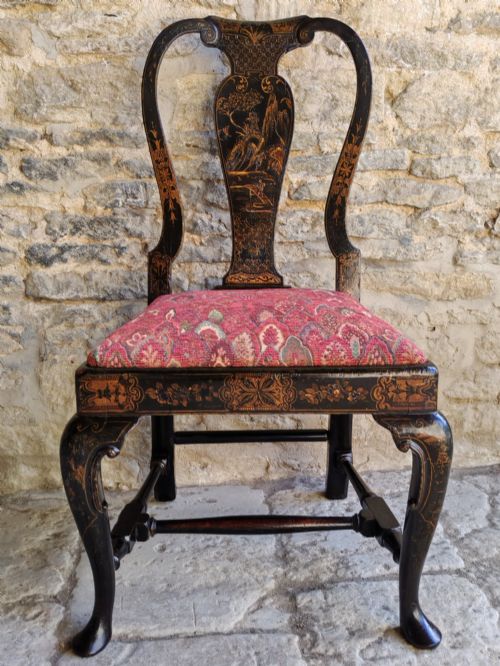
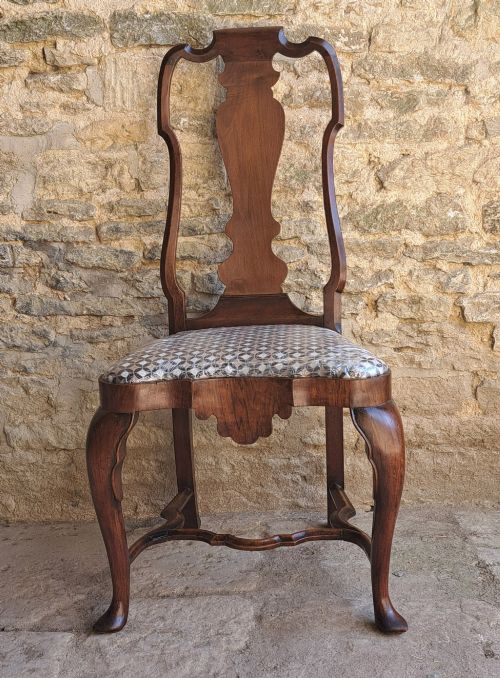
The selections span numerous periods and styles, with eighteenth-century examples appearing alongside nineteenth-century pieces and twentieth-century revivals. Walnut and mahogany dominate the materials, accompanied by oak, burr walnut, japanned wood, and textured upholstery.
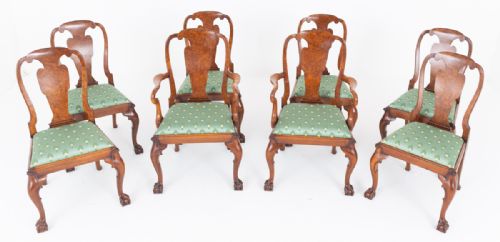
Dining chairs and side chairs appear most frequently among the listings, often forming matched sets of four, six, or eight pieces. Revival pieces from the early twentieth century sit alongside genuine eighteenth-century walnut and mahogany forms.
How they were made
Cabinetmakers constructed these frames primarily from dense hardwoods like mahogany and walnut, frequently employing burr walnut veneers for decorative enrichment. Joinery relied on traditional mortise and tenon construction to ensure the structural integrity of the backrest and cabriole or turned legs.
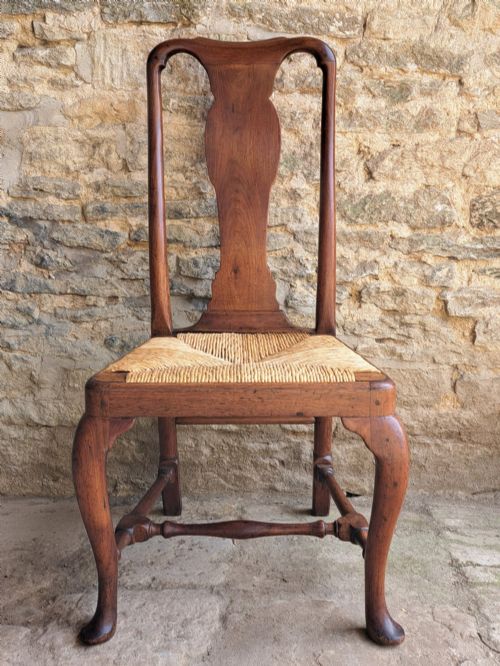
Seat construction incorporated drop-in frames, rush seating, and upholstered pads covered in fabric, textile, or leather. Marquetry detailing, japanned decoration, and carved splats provided the ornamental finish on select high-style examples.
Vase Splat Back Chairs Retail Price Guide 2026
Typical asking prices for vase splat back chairs among the pieces listed under this phrase on Sellingantiques today, from the lower quarter to the upper quarter. They describe what is for sale here now, not the wider market.
Rush-seated chairs bring a rustic countryside charm to the otherwise formal lineage of vase splat profiles.
What varies in quality
The visual success of these chairs rests on the proportion and profile of the central vase splat, which dictates the elegance of the silhouette. Finely figured wood veneers, such as burr walnut, distinguish ambitious cabinet work from plainer solid timber construction.
The integrity of the frame relies on the crispness of carved details and the original solidity of the joinery. Matching sets that retain their uniform timber grain and original structural elements hold greater distinction than assembled or heavily restored groups.
Charles Tozer
The Vase Splat Back Chairs Glossary
- Splat
- The vertical wooden strip running from the seat to the top rail in the centre of a chair back. In these pieces, it takes the curved outline of a vase.
- Cabriole leg
- A furniture leg that curves outward at the knee and tapers inward toward the foot, often ending in a pad or hoof. This form appears frequently on walnut and mahogany examples from the eighteenth century onward.
- Carver chair
- An armchair designed to match a set of dining chairs, traditionally used at the head of the table. These often feature open arms curved to clear the dining table edge.
- Drop-in seat
- A removable wooden frame padded and upholstered separately before being dropped into a recess in the chair seat rails. This construction method allows easy reupholstery without dismantling the main frame.
- Marquetry
- Inlaid patterns of contrasting veneers applied to wood surfaces to form decorative pictures or geometric designs. This technique appears on specific walnut dining and high back chairs.
Vase Splat Back Chairs: Frequently Asked Questions
How do I date a vase splat back chair?
Dating relies on timber choice, construction techniques, and stylistic evolution. Eighteenth-century pieces frequently utilise solid walnut or early mahogany, displaying hand-cut joinery and subtle patination.
Later nineteenth-century interpretations and twentieth-century revivals often incorporate machine-cut elements and distinct secondary woods, aligning with the revival aesthetics of their specific decade.
Are these chairs suitable for daily dining use?
Many sets remain sturdy enough for regular daily use, provided the frames receive appropriate care and the joinery remains sound. Solid mahogany and walnut construction offers enduring structural strength.
Dining chairs with drop-in seats or rush bottoms can be re-webbed or re-upholstered to suit modern comfort without compromising the antique frame.
What is the difference between a side chair and a carver chair?
A side chair is an armless chair designed primarily for dining or placement against a wall. Their compact proportions allow several to fit neatly around a table.
A carver chair includes integrated armrests and generous proportions, traditionally designated for the head of a dining table or as an accent seat in a living space.
How do I maintain antique upholstered seats?
Maintenance involves regular gentle dusting of the wood frame and vacuuming fabric or leather upholstery using a low-suction attachment. Avoiding direct sunlight and maintaining stable room humidity protects both the wood and the textile coverings.
Professional conservation of drop-in seats ensures the internal webbing and padding remain supportive over decades of use.