




Early 18th Century Seating
Early 18th century seating comprises walnut and oak chairs, benches and settees shaped by Queen Anne, George I and early Georgian hands.
Early 18th Century Seating
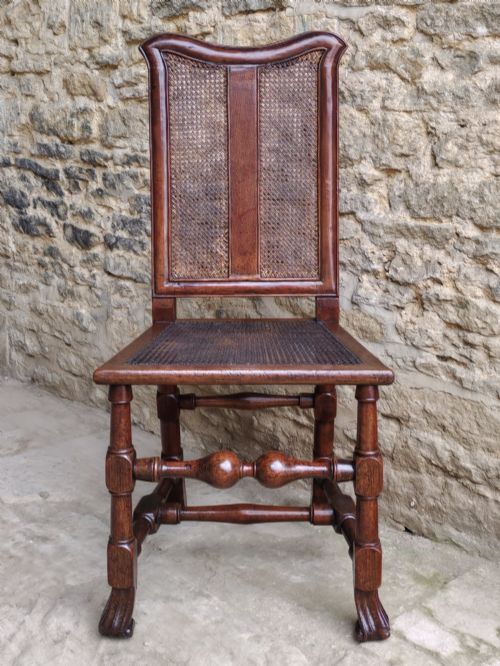
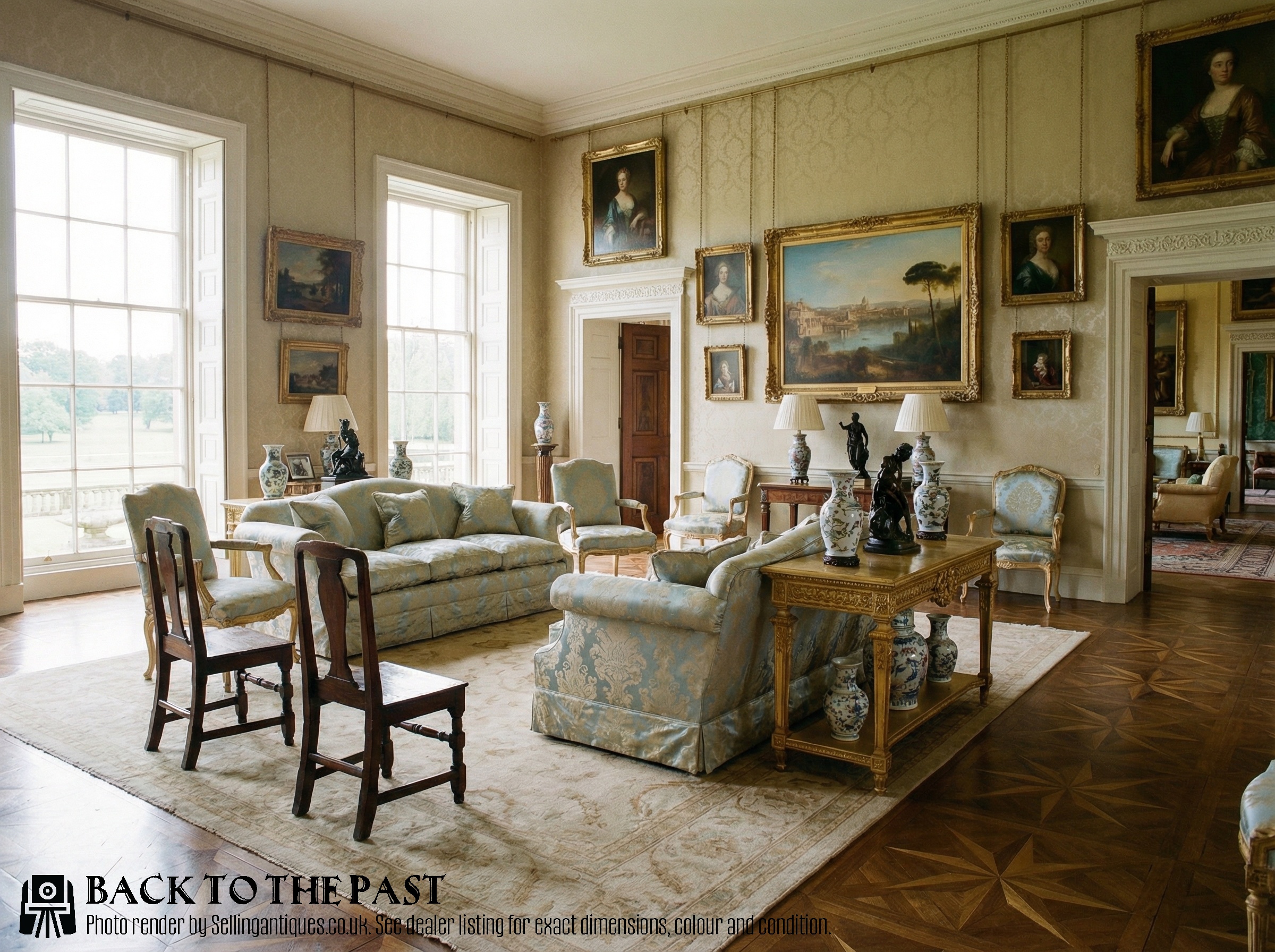
Early 18th century seating encompasses a range of domestic furniture designed for comfort and utility during the reigns of Queen Anne and the early Georges. Side chairs, armchairs, settees and settles form the core of what is available.
Walnut and oak dominate the surviving pieces, appearing in forms from simple vernacular settles to refined upholstered side chairs. Regional variations emerge through English, Welsh and Spanish Colonial examples.
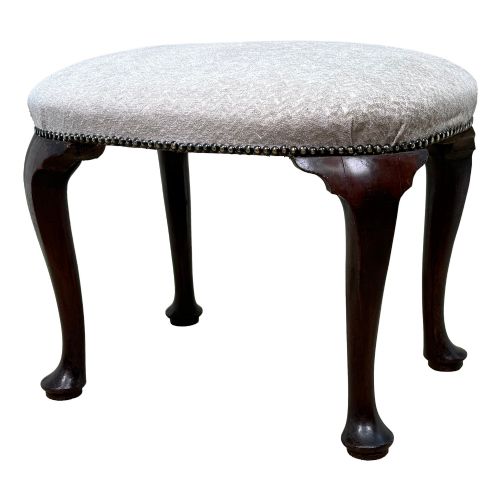
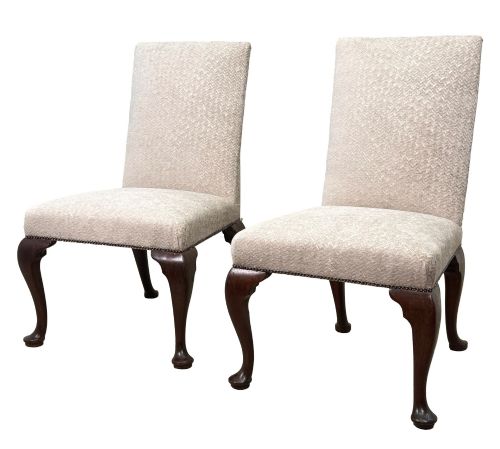
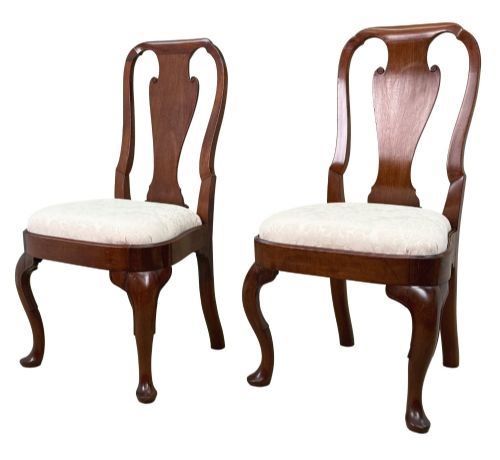
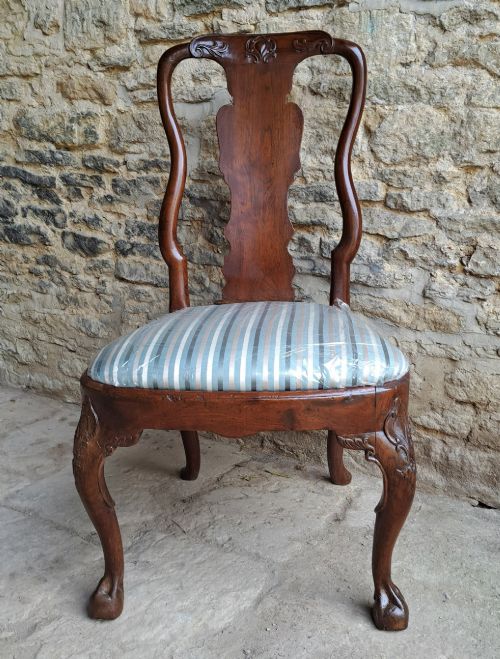
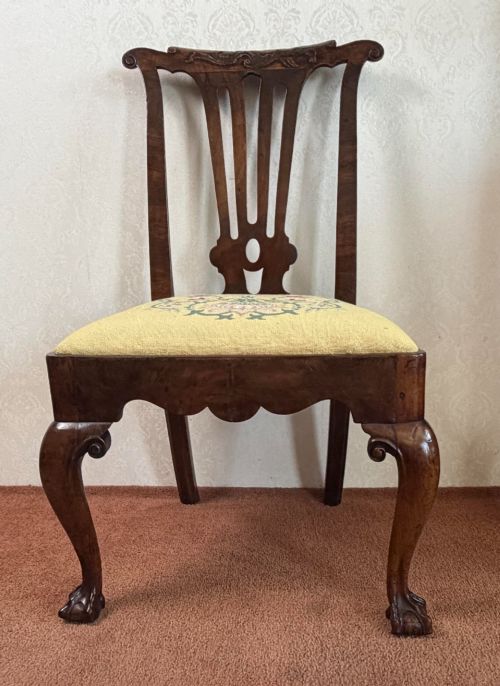
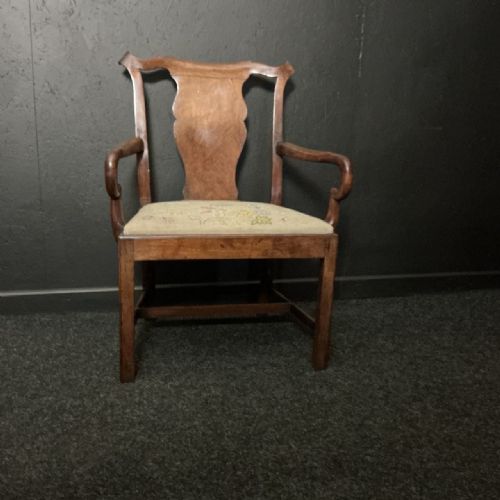
Chairs from this period frequently feature drop-in seats, cabriole legs and panelled construction. Makers of the era constructed these pieces to anchor the principal rooms of grand houses and modest homes alike.
Assessing quality in early pieces
Quality rests upon the crispness of the carving and the integrity of the original timber frame. Pieces retaining their primary finish and unaltered upholstery foundations command greater regard.
Proportion and line dictate the success of forms like the cabriole leg or the concave barrel settle. Subtle refinements in the joinery separate standard vernacular items from high-status urban commissions.
Early 18th Century Seating Retail Price Guide 2026
Typical asking prices for early 18th century seating among the pieces listed under this phrase on Sellingantiques today, from the lower quarter to the upper quarter. They describe what is for sale here now, not the wider market.
Listings feature oak and walnut as the primary woods, spanning styles from Carolean to George II.
Adriana Verelst
The Early 18th Century Seating Glossary
- Cabriole leg
- A furniture leg that curves out and then in, resembling the leg of an animal. This form became standard during the Queen Anne and George I periods.
- Drop-in seat
- A removable frame upholstered separately and dropped into a recess in the chair rail. It allows for straightforward reupholstery without dismantling the main frame.
- Settle
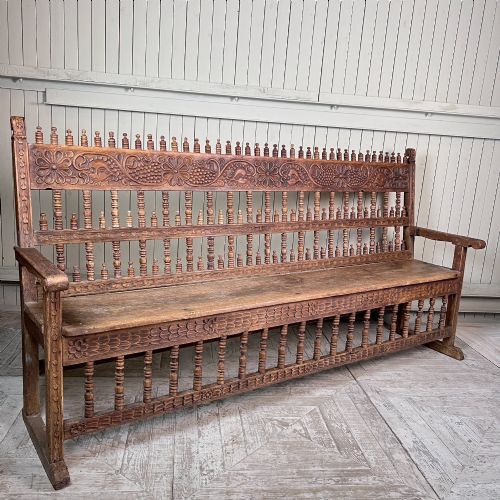
- A wooden bench with a high back, solid arms and often a box base for storage. They stood near hearths to block draughts in early homes.
- Wainscot chair
- A sturdy wooden armchair constructed chiefly of oak with panelled backboards. The term derives from the high-quality oak boards imported for panelling walls.
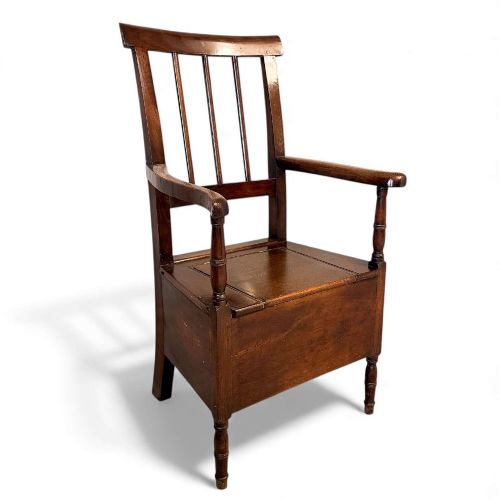
- Commode chair
- An enclosed seat designed to house a chamber pot beneath a pierced wooden top. These examples date to the early Georgian era and combine utility with fine cabinetmaking.
Early 18th Century Seating: Frequently Asked Questions
How do I identify a Queen Anne chair?
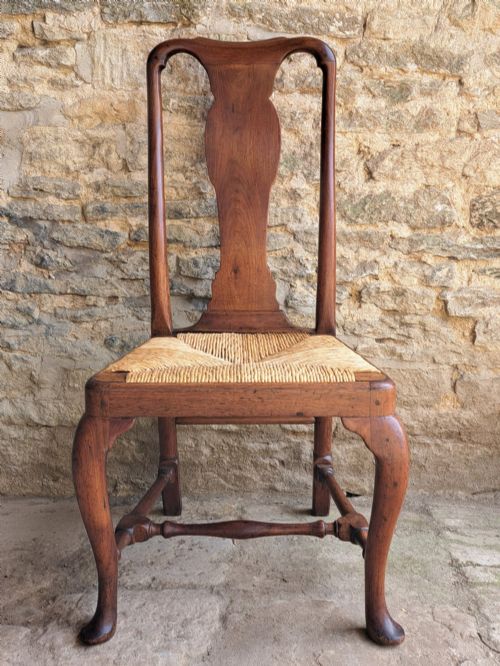
Look for the characteristic cabriole leg ending in a pad foot, accompanied by a spooned back splat that mimics the curve of the human spine.
These chairs frequently utilise walnut and exhibit smooth, flowing lines without heavy carving.
Where were settles used in the home?
Settles stood in principal rooms and kitchens, positioned near fireplaces to shield occupants from cold draughts.
The high wooden back and enclosed box base trapped heat and provided practical storage for household goods.
What is the difference between oak and walnut pieces?
Oak pieces generally reflect earlier vernacular traditions, featuring heavy panelled construction and sturdy frames suited to heavy daily use.
Walnut furniture appeared as domestic tastes turned toward polished surfaces, refined curves and elaborate veneering during the early eighteenth century.
How should I care for antique upholstery?
Protect antique textiles and tapestries from direct sunlight to prevent fading and degradation of the ancient fibres.
Maintain stable humidity levels in the room to preserve both the internal stuffing and the wooden frame.