


Antique Style Credenza
An antique style credenza brings nineteenth-century presence and refined timberwork to a room, offering both display surface and enclosed storage.
Antique Style Credenza
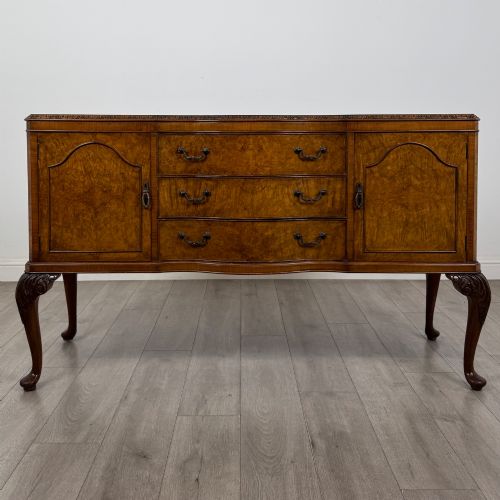
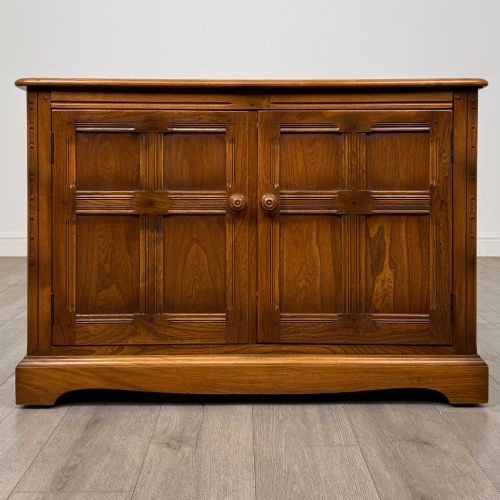
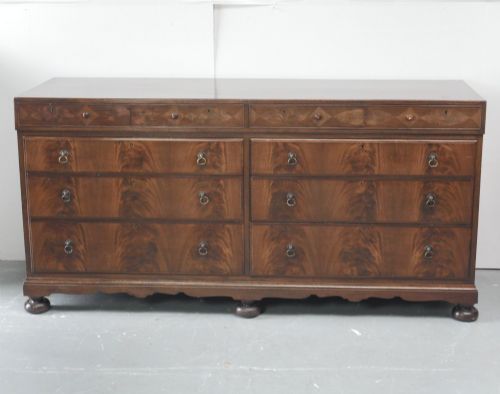
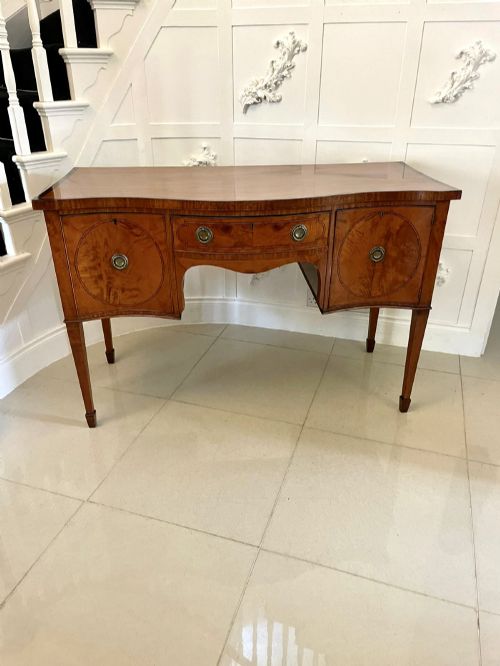
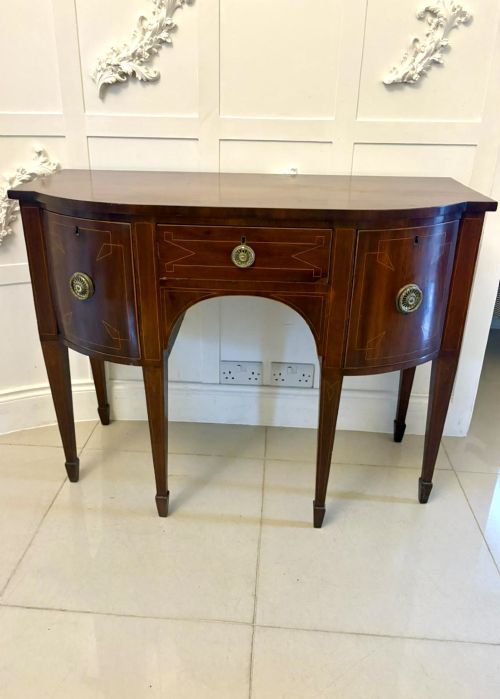
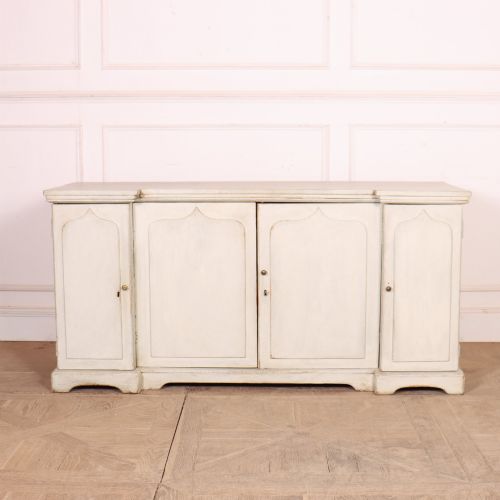
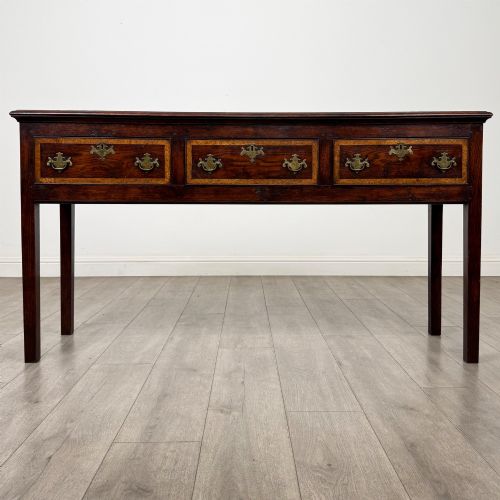
When you search for an antique style credenza, you encounter low cabinet forms primarily originating from the nineteenth century, alongside later revivals from the Edwardian era. These pieces often overlap in function with sideboards and side cabinets, serving dining rooms and drawing rooms with equal utility.
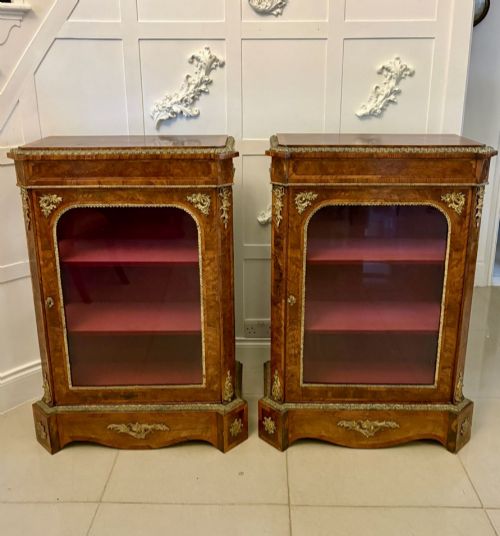
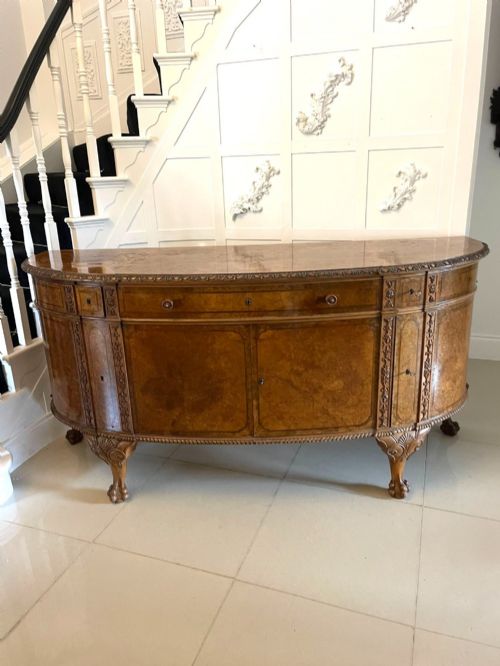
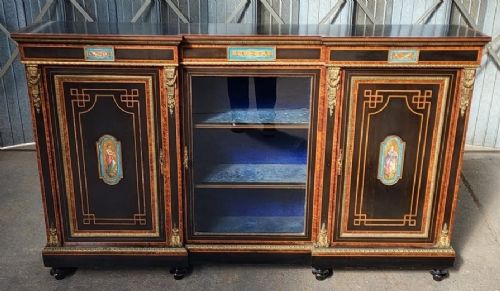
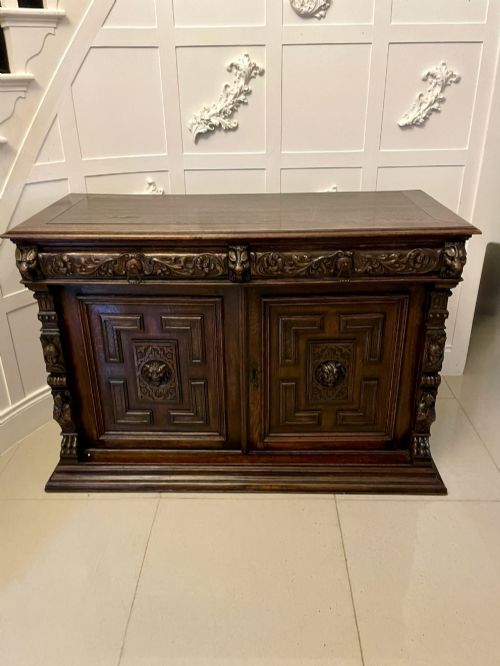
The nineteenth-century examples frequently feature burr walnut, amboyna, or ebonised timber, sometimes surmounted by marble tops or mounted with ormolu. Alongside these, Edwardian interpretations draw on earlier Georgian and Jacobean idioms to provide capacious storage in mahogany or oak.
Materials and Technique
Cabinet makers utilised dense hardwoods such as mahogany, oak, and rosewood as foundational structures, often applying figured veneers like burr walnut or satinwood to primary display surfaces. Marquetry inlay, parquetry, and carved detailing required considerable bench carpentry to achieve flush joints and balanced geometric or floral patterns.
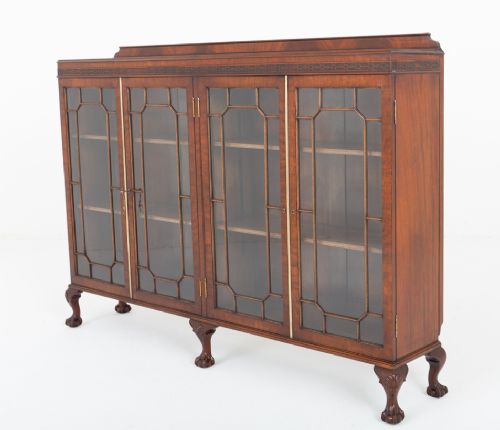
Decorative metalwork played a significant role in embellishment, with cast brass mounts, ormolu, and porcelain plaques integrated into the cabinetry. Glazed doors utilised fine timber astragals to house glass panels securely, while marble tops on certain credenzas provided durable, cool surfaces.
The Spectrum of Make
Distinctions in standard arise from the selection of veneer and the crispness of hand-carved ornamentation, where superior workshops employed thick, highly figured burr timber rather than thin sheets. The integration of mounts and the precision of marquetry inlay separate standard production from exceptional cabinet work.
Structural integrity reveals itself in the trueness of doors, the smooth operation of drawers, and the retention of original brassware or marble tops without replacement. Pieces retaining their original finish and uncompromised joinery command greater appreciation among collectors.
Whytock And Reid·Ambrose Heal
The Antique Style Credenza Glossary
- Credenza
- A low cabinet originating in Renaissance Italy, developed in nineteenth-century Britain as a glazed or enclosed piece for display and storage in the principal rooms.
- Ormolu
- Gilt bronze mounts applied to furniture for decorative effect. It was cast and chased by hand before gilding during the Victorian period.
- Marquetry
- The art of applying decorative pieces of veneer to a structure to form intricate designs. Craftsmen used various tinted woods to create pictorial or floral motifs.
- Parquetry
- A geometric mosaic of wood pieces used for decorative floors and cabinet surfaces. It relies on precise angular fitting of contrasting timbers.
- Serpentine
- A curved shape consisting of a convex centre flanked by concave ends. This contour requires skilled carpentry to shape both timber and drawers to the curve.
Antique Style Credenza: Frequently Asked Questions
Where did people place credenzas?
These low cabinets sat against principal walls in drawing rooms or dining rooms, serving as serving surfaces during meals or display areas for porcelain and silver.
Their low profile ensured they did not block windows or paintings while providing substantial interior storage for household linens or tableware.
How do I distinguish walnut from mahogany?
Walnut displays a rich brown tone with distinctive swirling grain patterns, particularly noticeable in burr walnut veneers used on nineteenth-century statement furniture.
Mahogany tends towards a straighter, redder grain structure that deepens in colour over centuries, frequently utilised in Georgian and Edwardian designs.
Can I use a credenza for media storage?
The interior depth and adjustable shelving of many side cabinets and credenzas accommodate modern electronics while concealing them behind wooden or glazed doors.
Careful measurement of the internal compartment depth ensures compatibility with contemporary equipment without altering the historic structure.
What is ormolu?
Ormolu describes gilded bronze furniture mounts cast and finished by hand to add metallic highlights to dark wood cabinets.
These decorative elements appeared frequently on nineteenth-century French-influenced pieces to accentuate curved corners and central door panels.