


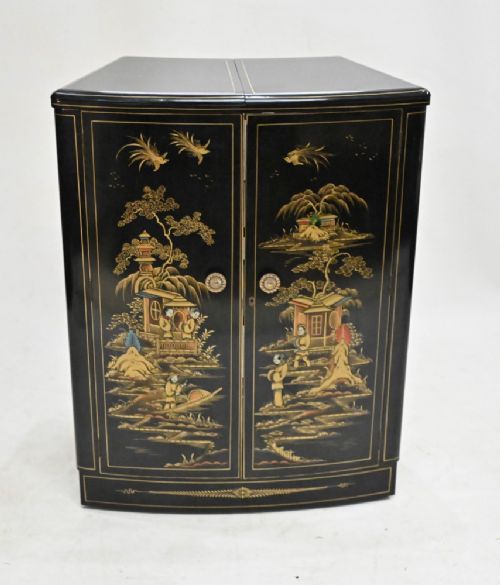


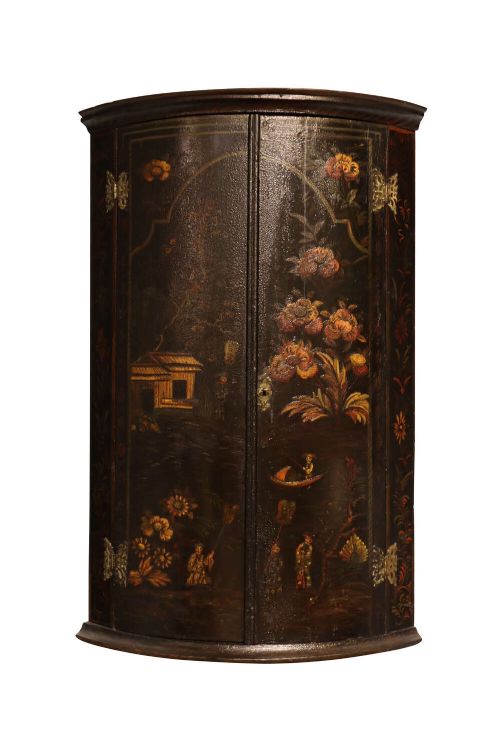


Gilded Chinoiserie Cabinet
These gilded chinoiserie cabinet pieces bring brilliant lacquer and gold leaf into a room, offering both bold decorative presence and practical storage.
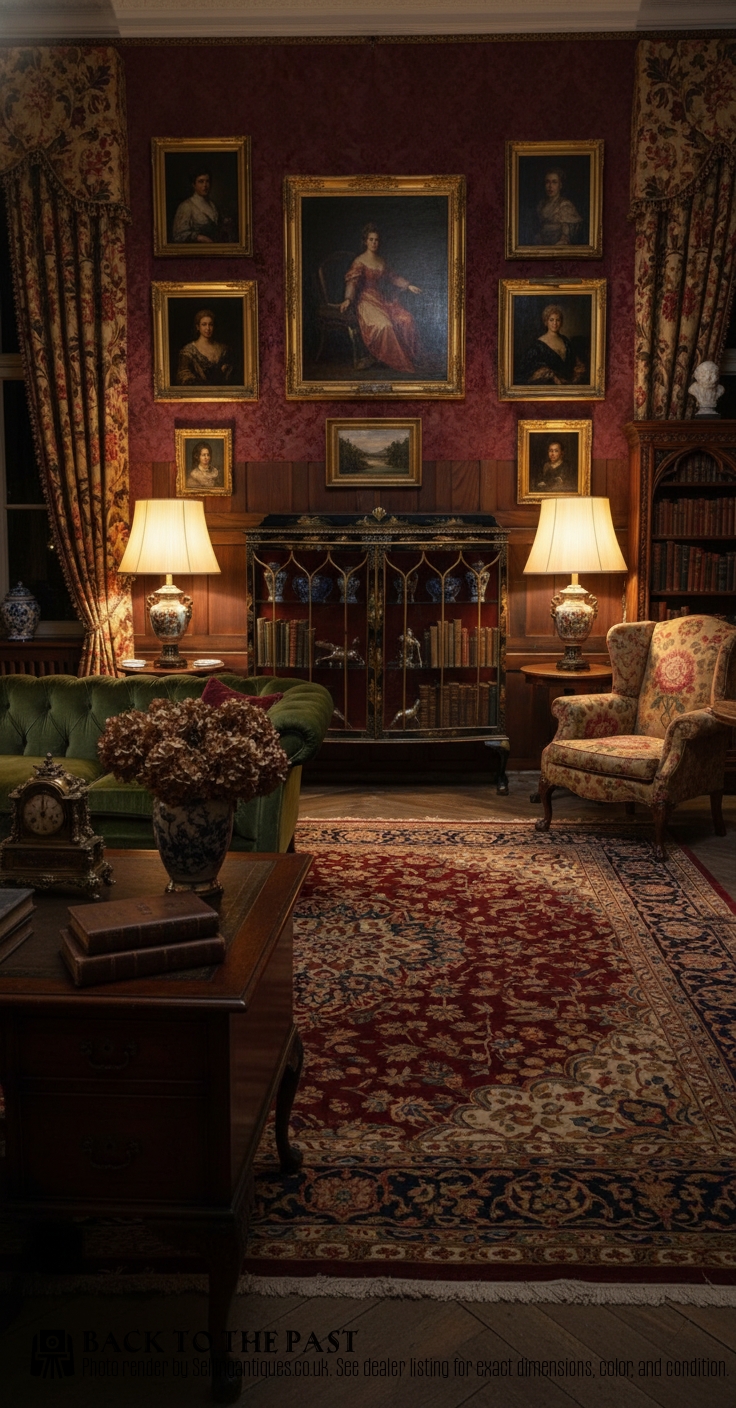
Gilded Chinoiserie Cabinet
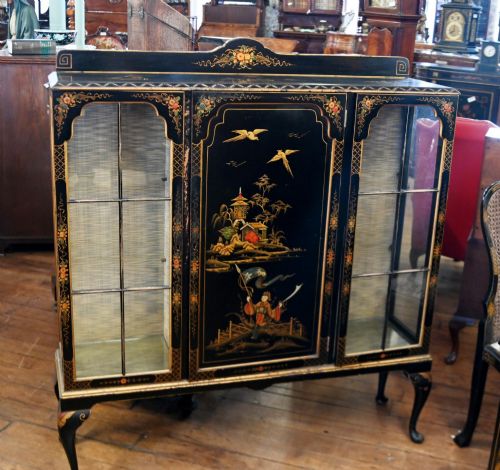
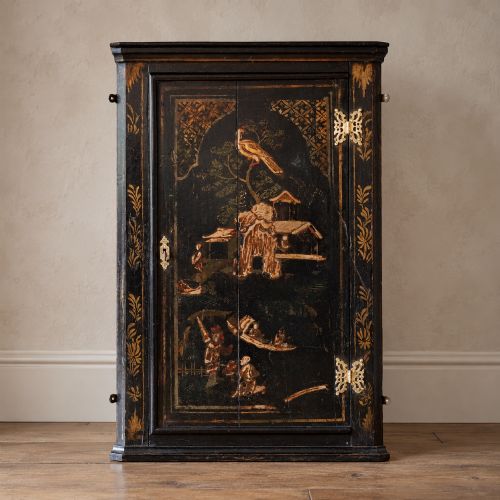
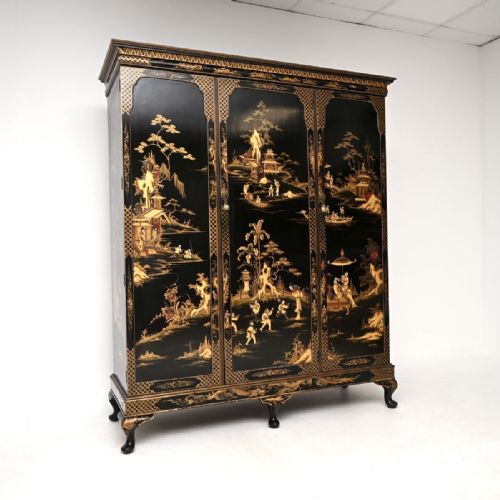
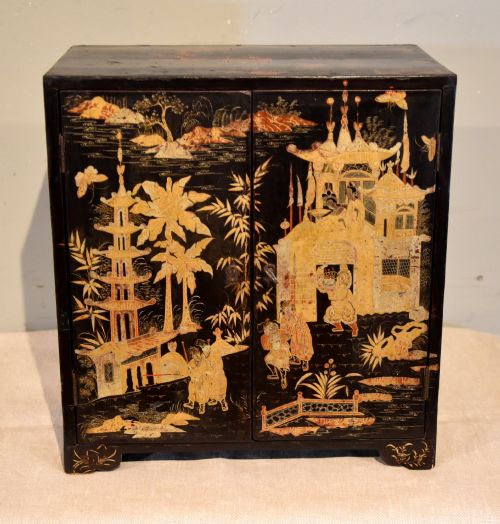
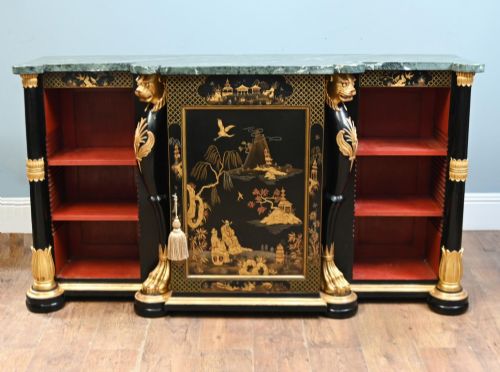
A gilded chinoiserie cabinet brings together lacquered wood surfaces and painted or gilt motifs inspired by East Asian art. When you search for this phrase, you encounter forms ranging from large corner cupboards and bureau bookcases to compact table cabinets and drinks cabinets.
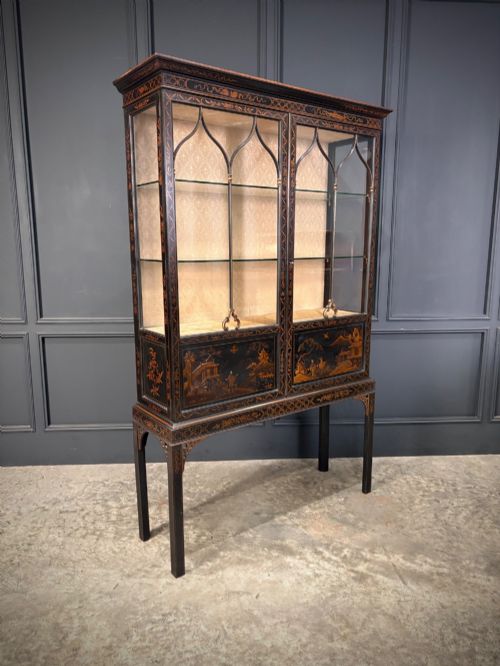
The pieces appearing here span several centuries and design traditions, running from early eighteenth-century japanned medal cabinets on stands to Edwardian display cabinets and Art Deco cocktail cabinets. You are equally likely to find traditional Chinese export lacquer work as you are to meet British interpretations from the Georgian, Regency, and Edwardian periods.
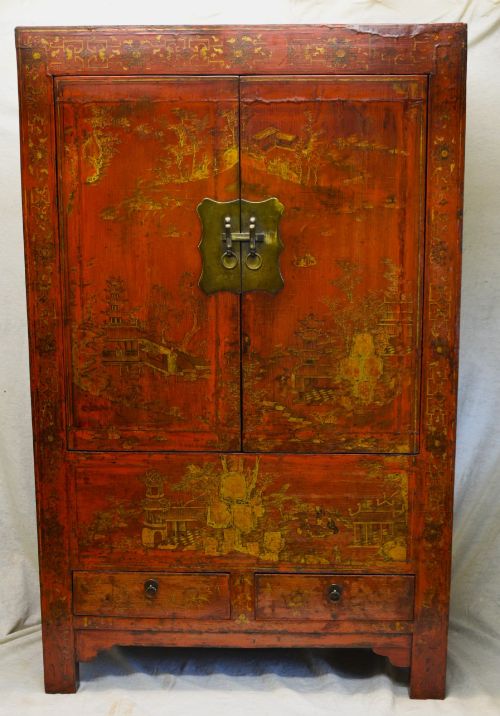
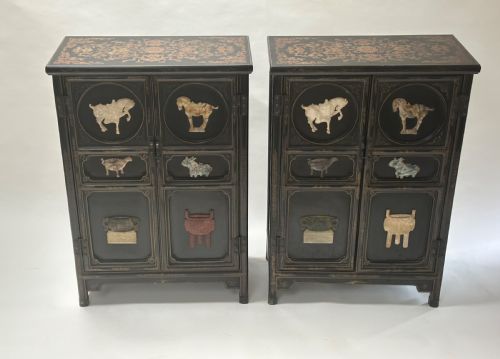
Beyond standard upright storage, the evidence includes specialised variations such as red lacquered wedding cabinets, workboxes, and side cabinets. Each type serves a distinct function while sharing the signature glossy finish and raised or flat metallic decoration.
How they were made
Wood serves as the foundational structure, shaped into cabinets, bookcases, and specialised containers before receiving multiple coats of lacquer. Artisans applied successive layers of lacquer to build a smooth, durable base suitable for detailed painting.
Gold leaf and gilt work provide the characteristic metallic highlights and intricate border patterns across the panels. Craftsmen also incorporated brass hardware, such as hinges and lock plates, alongside glass panels for display variants.
Gilded Chinoiserie Cabinet Retail Price Guide 2026
Typical asking prices for gilded chinoiserie cabinet among the pieces listed under this phrase on Sellingantiques today, from the lower quarter to the upper quarter. They describe what is for sale here now, not the wider market.
Listings include materials such as wood, lacquer, brass, gold leaf, glass, gilt, and porcelain across pieces spanning the eighteenth to the twentieth century.
What varies in quality
The depth and execution of the lacquering and gilding dictate the visual impact of the piece. Superior examples display finely rendered figural scenes, landscapes, and floral motifs that retain their crisp detail across the wood surface.
Construction integrity and the preservation of the original finish distinguish finer pieces from simpler items. The handling of the gold leaf and the durability of the lacquer layers determine how well the decorative scheme withstands age.
Flight Barr And Barr
The Gilded Chinoiserie Cabinet Glossary
- Japanned
- European imitation of East Asian lacquerwork using specialised varnishes and metallic dust. This technique produced glossy dark surfaces decorated with raised gilt figures and landscapes.
- Chinoiserie
- European decorative style reflecting imaginative interpretations of Chinese and East Asian artistic traditions. It appears frequently across furniture and decorative objects from the eighteenth century onward.
- Bureau bookcase
- Combined writing desk and bookcase fitted with shelving behind doors and a sloping fall-front writing surface. These dual-purpose forms often received elaborate lacquer and gilt decoration.
- Corner cabinet
- Storage furniture specifically designed to fit neatly into the corner of a room. The evidence includes examples with single or double doors finished in black or red lacquer.
- Qing Dynasty
- The final imperial dynasty of China, spanning the seventeenth to the early twentieth century. Pieces from this era often feature export lacquerwork with detailed gilded ornamentation.
Gilded Chinoiserie Cabinet: Frequently Asked Questions
How do I date a chinoiserie cabinet?
Dating relies on examining the structural form, hardware, and underlying wood construction methods. Eighteenth-century pieces often display distinct joinery and specific japanning techniques compared to later Edwardian or Art Deco revivals.
The style of the painted motifs and the type of lacquer finish also shift across the periods represented in the evidence.
Where were these cabinets placed?
Owners positioned larger bureau bookcases and display cabinets in principal reception rooms to showcase both the furniture and curated objects. Corner cabinets utilised otherwise empty wall junctions in parlours and drawing rooms.
Smaller table cabinets and workboxes sat on desks or side tables for the secure storage of valuables, documents, or sewing materials.
Are these cabinets purely decorative?
While the striking gilt decoration and glossy lacquer draw immediate attention, these pieces served practical storage roles. Bureau bookcases provided a dedicated writing space alongside enclosed shelving, and drinks cabinets organised cocktail accessories.
Wedding cabinets and general storage cupboards offered substantial enclosed volume behind their doors for household goods.