





Antique Stone Figurine
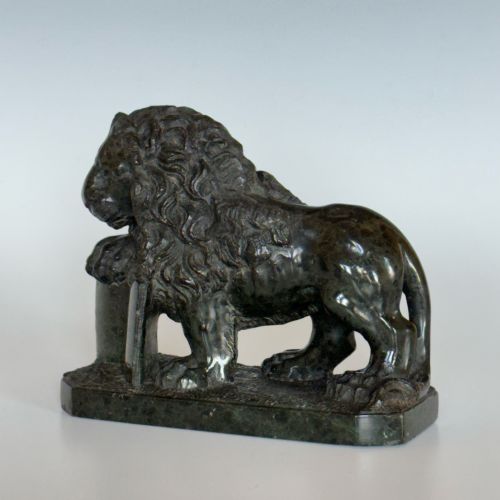
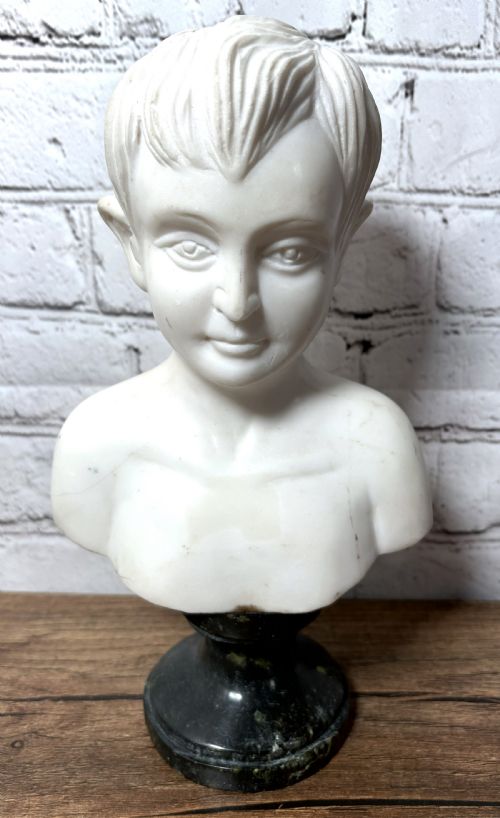
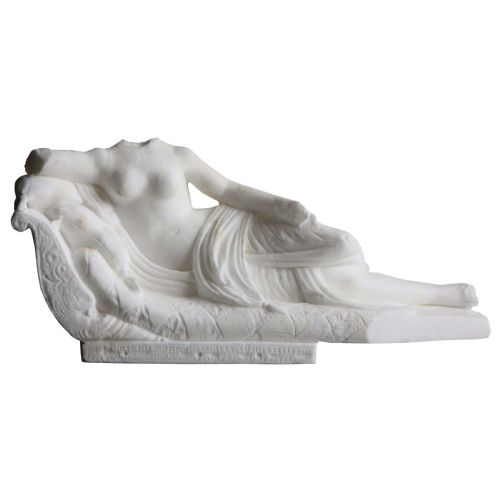
When you seek an antique stone figurine, you meet hand-carved classical deities, portrait busts, and animals shaped by sculptors across the nineteenth century.
Antique Stone Figurine
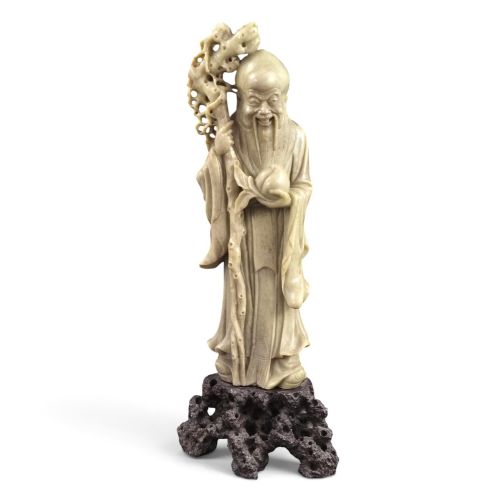
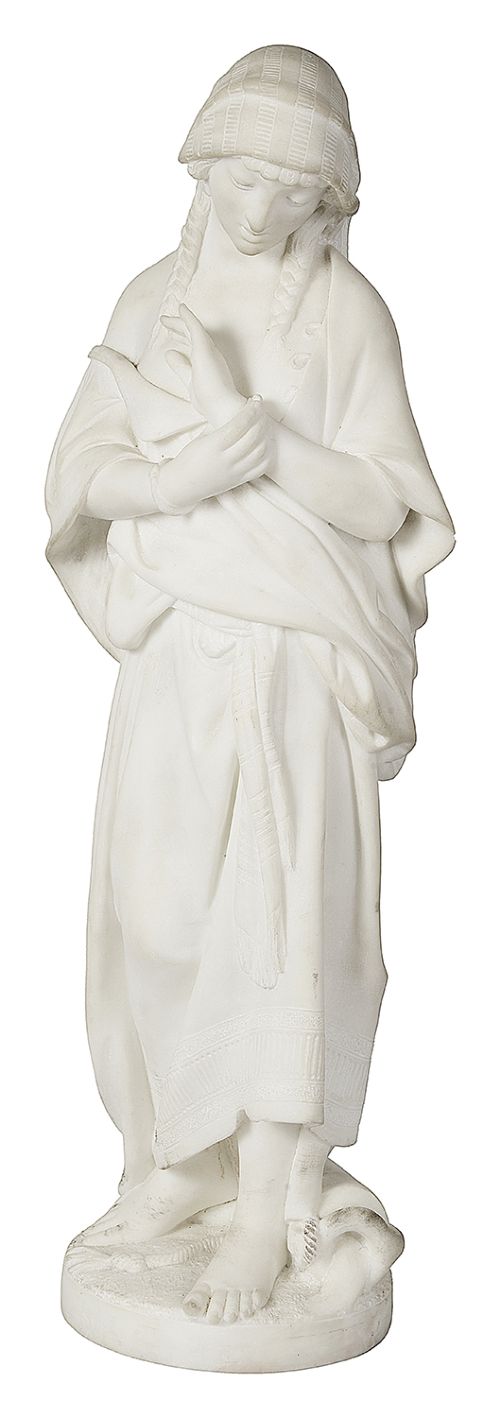
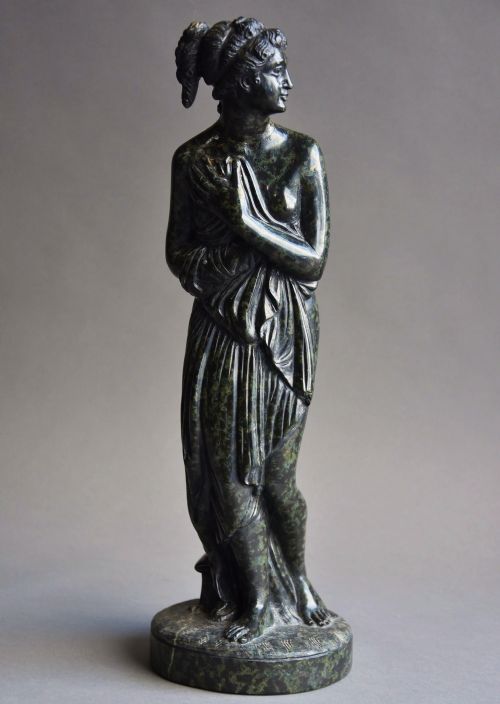
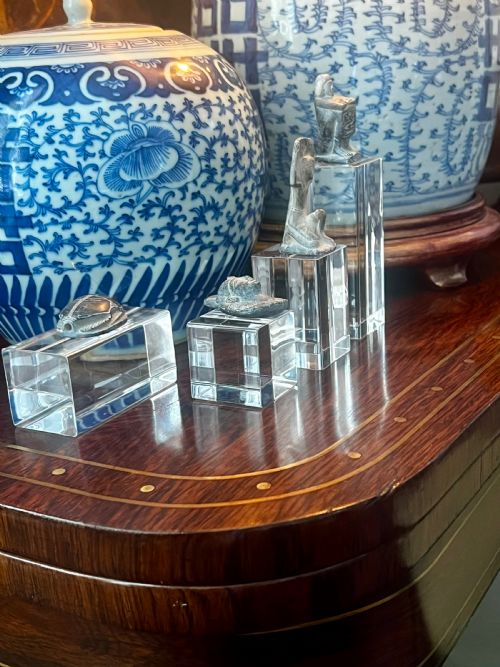
An antique stone figurine encompasses carved representations ranging from classical mythological figures and Grand Tour souvenirs to Eastern deities and portrait busts. The selection relies heavily on nineteenth-century European production, particularly Italian and French works carved from alabaster and marble alongside Chinese soapstone and jade pieces.
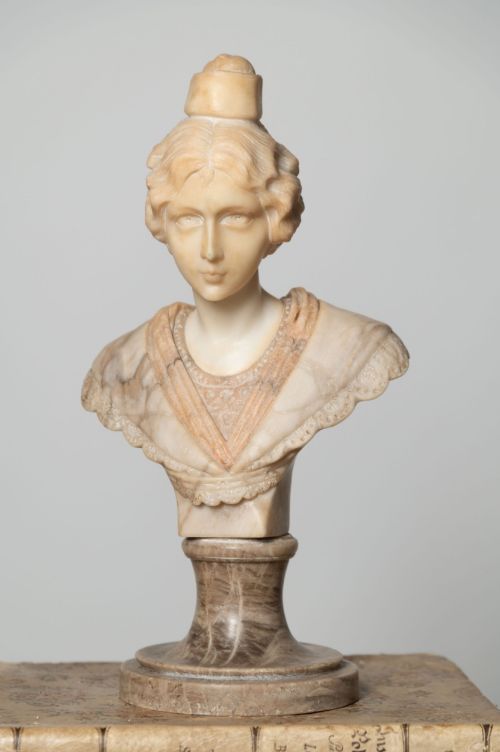
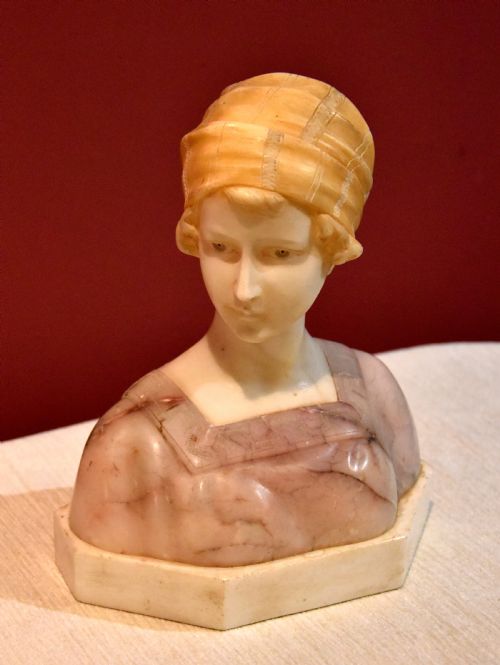
Buyers frequently encounter allegorical female figures, portrait busts of children or ladies, and small animal groupings executed in various minerals. These sculptures span domestic decorative objects designed for libraries and mantelpieces to substantial figural groups reflecting Neoclassical and Art Nouveau aesthetics.
Materials and carving methods
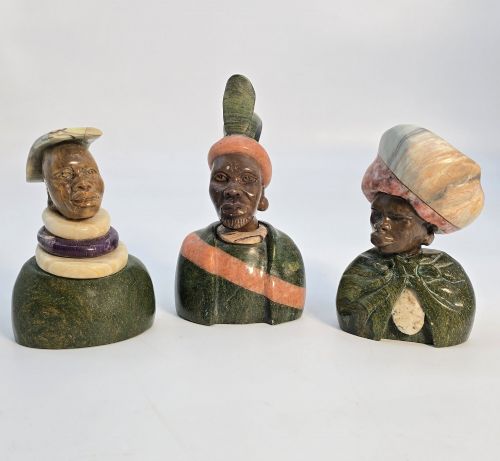
Carvers shaped these pieces using marbles such as Carrara and serpentine alongside softer stones like Derbyshire and Italian alabaster. Artisans also worked with hard stones including jade, nephrite, and soapstone for Asian figural carvings.
Makers employed traditional chisel, rasp, and drill techniques followed by abrasive smoothing to achieve varied surface textures, from high polish on drapery to matte finishes on flesh.
Nineteenth-century sculptors occasionally captured domestic puppies gnawing on children's toes in solid stone.
Distinctions in craftsmanship
Superior execution shows in the anatomical precision of hands and faces, where subtle depth brings expression to stone. Lesser pieces display rigid posture and simplified hair or drapery lacking crisp undercut detail.
The choice of medium dictates nuance, as translucent alabaster permits softer light penetration than dense marble, rewarding carvers who exploit the natural properties of the mineral.
Barranti Florence·Hamo Thornycroft·Antonio Canova·Bright And Sons·Fritz Kochendorfer·Mieczyslaw Leon Zawiejski·Pugi·Ferdinando Vichi·Denise Delavigne·Joseph Gott
The Antique Stone Figurine Glossary
- Alabaster
- A fine-grained mineral, often white or lightly tinted, prized for its soft translucency and suitability for detailed nineteenth-century European sculpture.
- Grand Tour
- A cultural journey undertaken by wealthy Europeans that created a market for miniature marble and serpentine copies of classical antiquities.
- Neoclassical
- A revival style drawing inspiration from the art of ancient Greece and Rome, emphasising clean lines, heroic subjects, and balanced composition.
- Soapstone
- A talc-schist mineral easily shaped by hand, frequently utilised in Chinese carving for detailed figures and grouping sculptures.
- Putto
- A plump, often winged male infant figure common in Renaissance and later decorative art, appearing frequently in pairs as bookends or attendants.
Antique Stone Figurine: Frequently Asked Questions
How do I clean an antique alabaster figure?
Dust gently with a dry, soft brush or microfiber cloth to prevent particles from scratching the soft mineral surface. Avoid water or liquid cleaners entirely, as moisture permanently dissolves and stains porous alabaster.
Keep figures away from direct sunlight and humid environments to preserve the polished finish over decades of display.
What is the difference between marble and alabaster?
Marble is a hard metamorphic rock formed from recrystallized carbonate minerals, offering high durability and dense opacity. Alabaster is a softer stone composed of gypsum or calcite, prized for a waxy translucency that catches light beneath the surface.
Carvers used marble for robust architectural sculptures and grand statues, reserving alabaster for delicate interior decorative works.
Where were Grand Tour figurines made?
Sculptors working in Italian workshops around Florence and Rome produced many of these miniature copies for travellers touring Europe during the nineteenth century. Artisans carved local marble and serpentine into recognizable reductions of famous classical statues.
These pieces served as portable reminders of classical art and education for collectors returning home to Britain and France.
How can I tell if a carving is nineteenth century?
Examine the tooling marks under magnification and look for natural patination, minor wear, and the handling characteristics typical of period workshops. Signatures, foundry marks, or inscriptions carved into the base often provide direct links to known sculptors or studios.
Stylistic cues such as Art Nouveau fluidity or strict Neoclassical proportion further anchor pieces within their specific decade of production.