
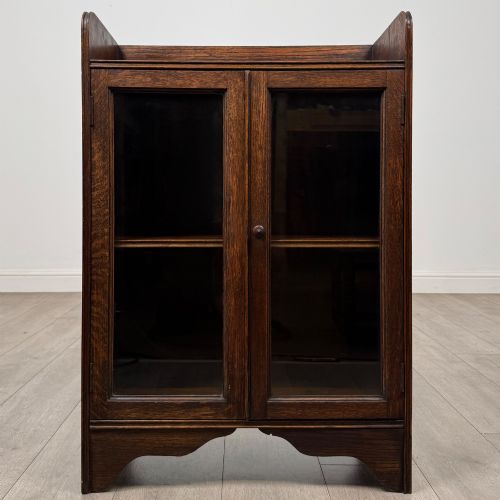
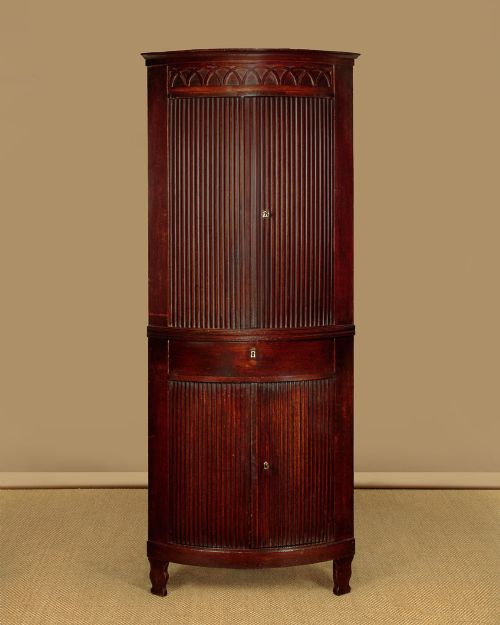
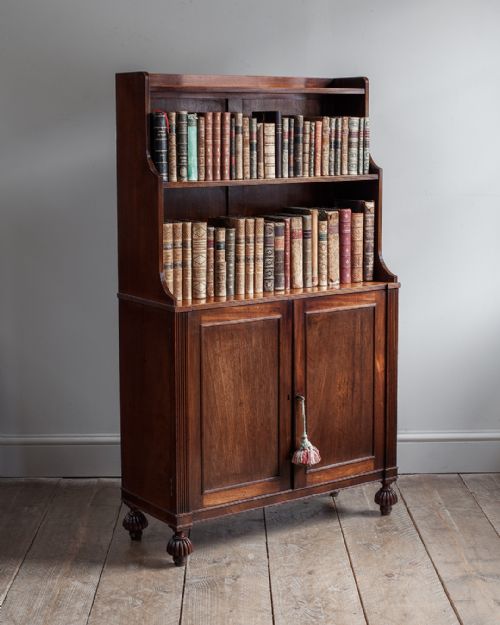
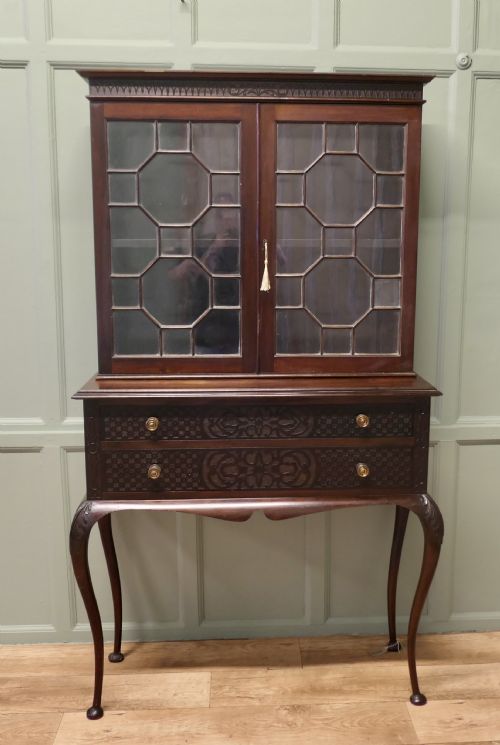


Antique Standing Cupboard
An antique standing cupboard offers architectural presence in a room, turning unused room corners into storage space with period character.
What the pieces are
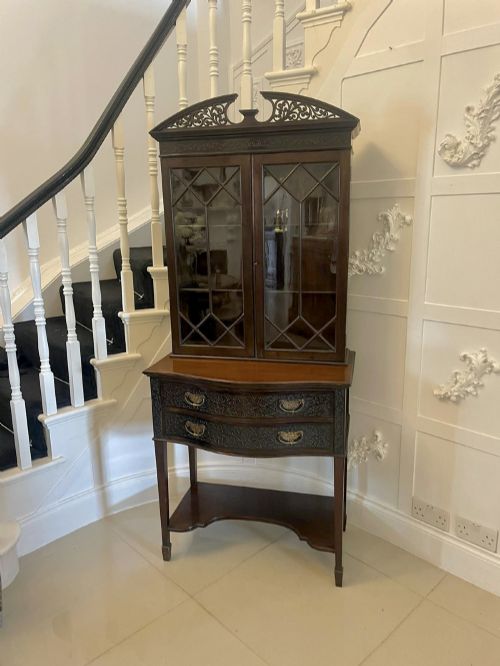
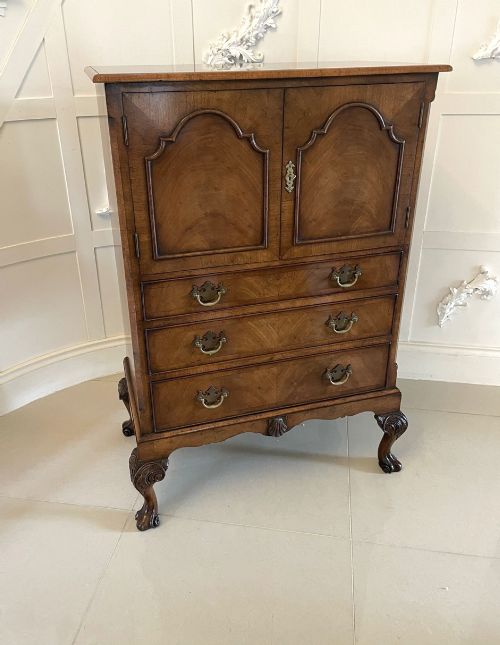
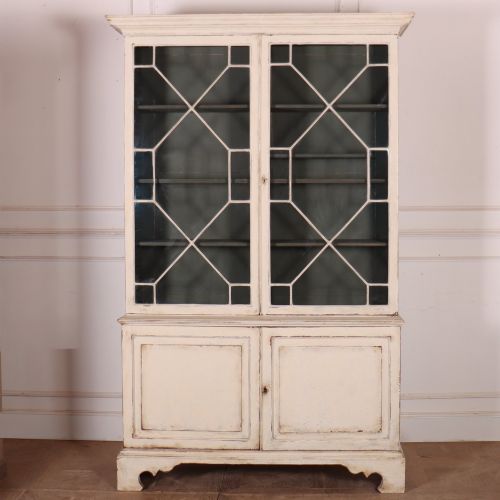
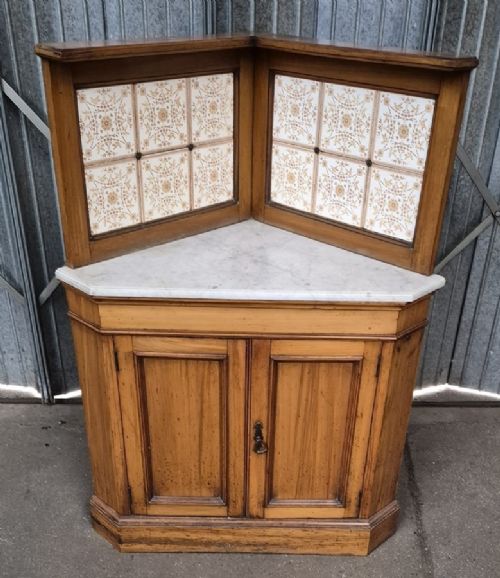
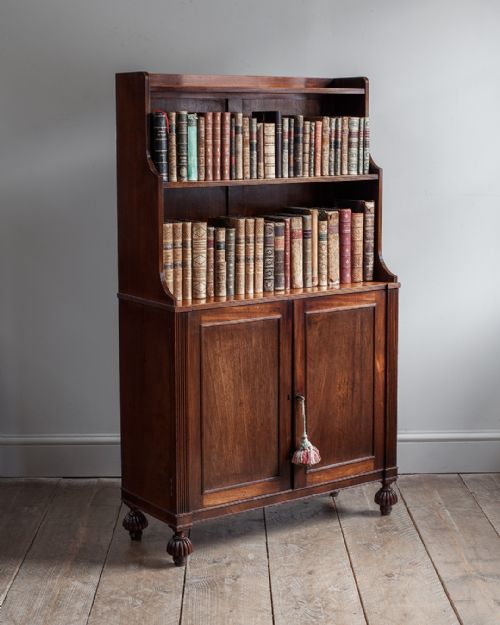
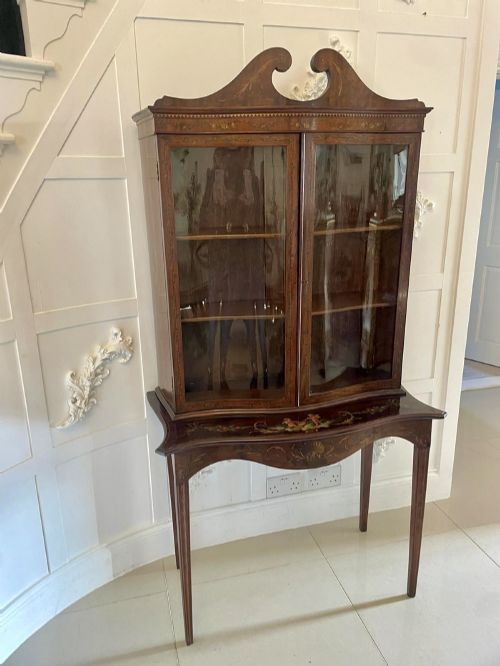
An antique standing cupboard typically takes the form of a floor-standing corner cabinet designed to fit directly into a right-angled room junction. These pieces utilise vertical wall space efficiently while enclosing storage behind timber panel doors or glazed upper sections.
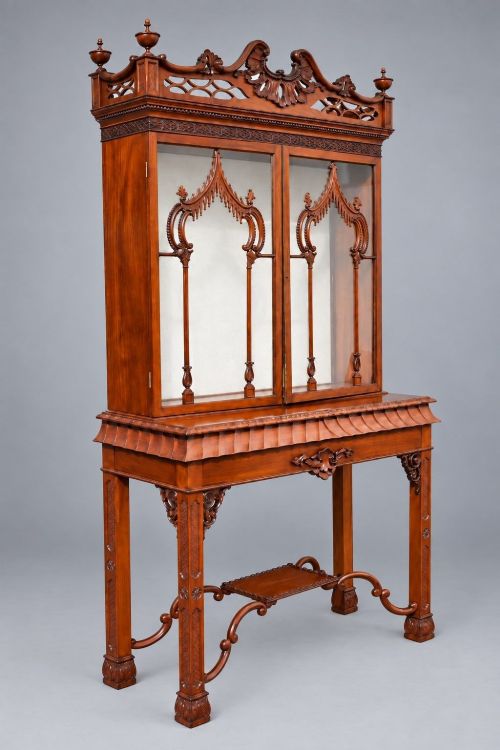
The selections span from 18th century country house examples through Regency and Victorian periods up to the early 20th century. Double height formats and two-part constructions appear alongside single door variations.
Makers produced these cabinets to serve dining rooms, parlours and libraries for the display and containment of china, glassware and provisions. Oak, mahogany and walnut forms predominate across regional English, Welsh and continental workshops.
How they were made
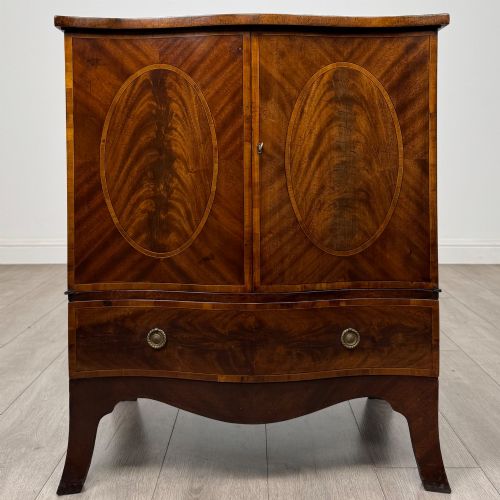
Cabinet makers constructed these standing cupboards using solid timbers alongside veneered surfaces on secondary woods. Mahogany, oak, walnut, pine and limed oak provide the primary structural shells and door assemblies.
Joinery techniques include frame and panel construction to accommodate seasonal wood movement, supported by brass hinges and iron hardware. Glazed upper doors utilise wooden glazing bars to divide glass panes within arched or rectangular apertures.
Retail Price Guide 2026
Typical UK retail prices for standing cupboard, calculated from the Sellingantiques database of over a million retail prices indexed since 2003. This retail price guide relies exclusively on Sellingantiques data; no external sources or auction records are used, so the figures do not describe the wider market.
Some corner cupboards include tiny secret drawers hidden behind internal cornices for stashing away family receipts.
What varies in quality
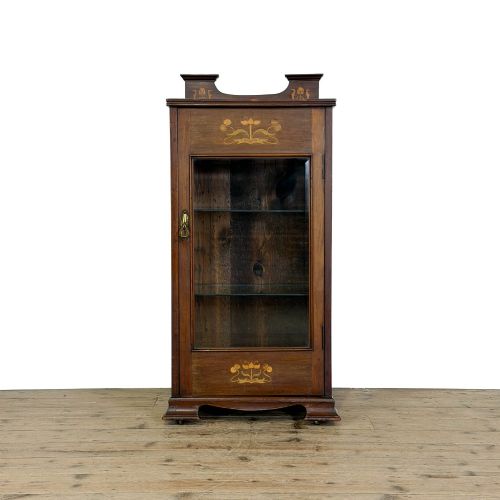
The choice of timber grain determines much of the visual appeal, separating plain boards from highly figured mahogany flame veneers or matched walnut panels. Cabinet makers achieved greater distinction through decorative inlay, stringing and marquetry work rather than basic structural utility.
Proportion and execution define the hierarchy of these cupboards. Well-proportioned cornices, original brass hardware and well-fitted doors distinguish finer pieces from utilitarian workshop output.
Edwards and Roberts
The Antique Standing Cupboard Glossary
- Double height
- A standing cupboard built in two vertically stacked sections, typically featuring upper and lower sets of doors. This format maximises storage capacity while easing transport.
- Bow front
- A convex curved cabinet front that projects outward from the corner walls. This shaping requires specialised bending or carcase construction methods.
- Glazed cupboard
- A cabinet incorporating glass panes within the door frames to permit the display of contents. These frequently appear in upper bookcase or display sections.
- Marquetry
- Decorative veneer work formed by fitting together contrasting pieces of wood and other materials to create pictorial or geometric designs. It appears on finer Edwardian examples.
- Cornice
- The moulded horizontal projection that crowns the top of the cabinet carcase. It provides a finished architectural transition to the ceiling.
Frequently Asked Questions
How do I fit a standing cupboard into a room?
These floor-standing cabinets are designed to slot directly into a 90-degree corner, making use of space that standard rectangular furniture leaves empty. Double height versions require adequate vertical clearance, while single sections sit lower against the wall.
Ensure you measure the diagonal depth and wall span before placement, as corner units occupy more floor space outward than their side dimensions suggest.
What did people store in these cupboards?
Historically, these corner units held dining room ceramics, glassware, tea wares and bottled provisions. The upper sections often displayed porcelain behind glass, while lower cupboards kept heavier items out of sight.
Today they serve a similar function for tableware, books or general display, acting as both storage and decorative joinery.
How do I tell an 18th century piece from a Victorian one?
Eighteenth century examples frequently employ solid oak or mahogany with heavy panel construction and simple brass hinges, reflecting regional country house traditions. Victorian pieces often introduce highly figured mahogany veneers, glazed bookcase tops and more complex internal shelving.
Examine the secondary woods inside drawers and backboards, as timber usage shifts across the Georgian and Victorian periods.
Are these cupboards one piece or two?
Construction varies between single-piece carcases and double-height formats built in two separate sections. Two-part cupboards stack an upper cabinet directly onto a lower base, which simplifies moving the heavy furniture.
Check the dividing line around the mid-section to see if the piece separates into upper and lower halves.