





Antique Sporting Folk Art
Antique sporting folk art brings unpretentious charm and competitive heritage into a room, offering tactile pieces shaped by outdoor pursuits.
Antique Sporting Folk Art
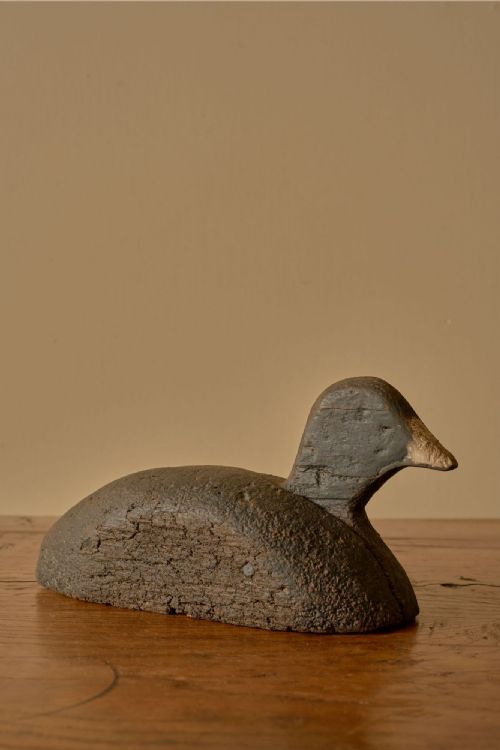
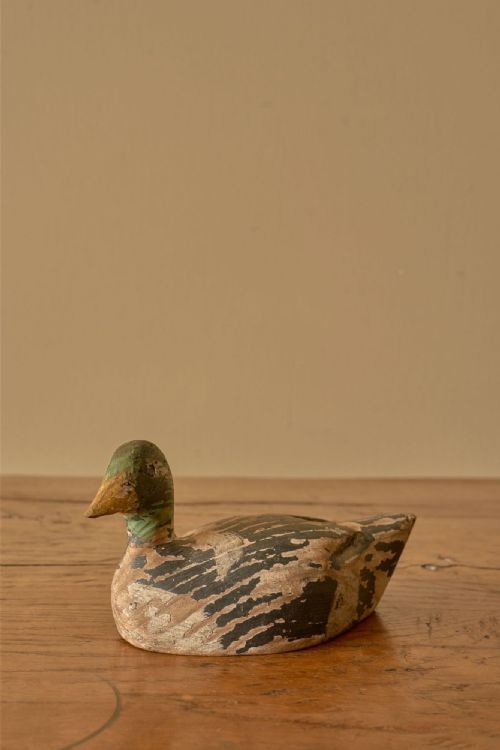
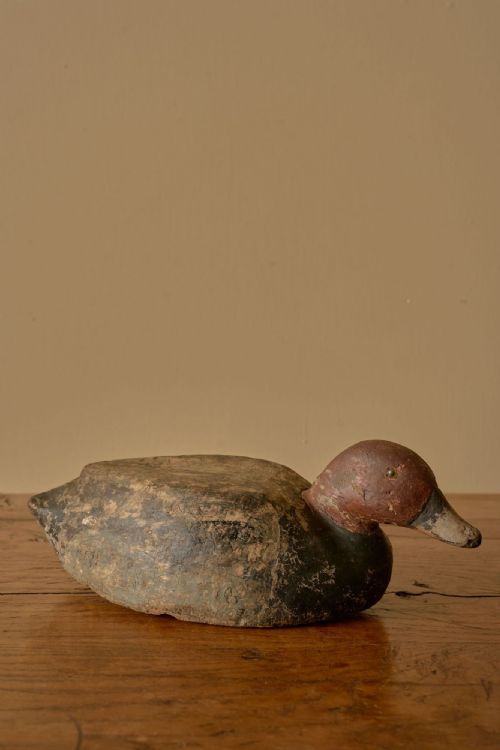
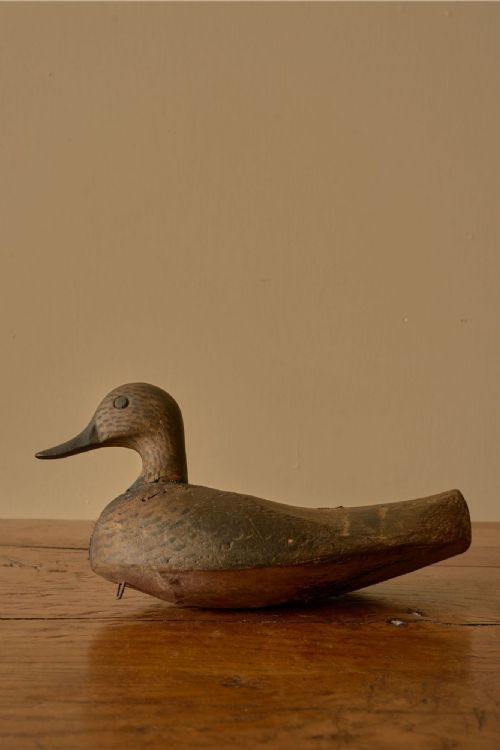
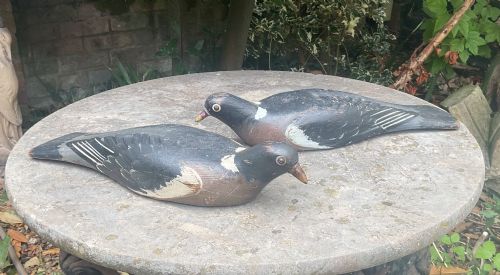
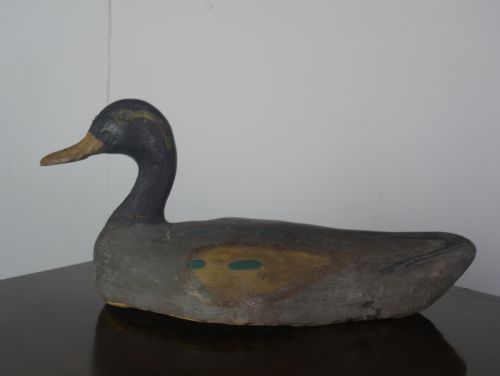
Wooden decoy ducks and pigeon decoys dominate the selection, often bearing original paint and showing the marks of working use on ponds and fields. Alongside waterfowl, the pieces include life-size carved wooden cricketers, stag horn cribbage boards, and pétanque sets.
Origins stretch across English and French country traditions, with particular weight given to Victorian country pursuits and Edwardian rural craftsmanship. These objects bridge the gap between utilitarian rural gear and decorative sculpture, appealing to collectors of both folk material and sporting history.
Materials and construction
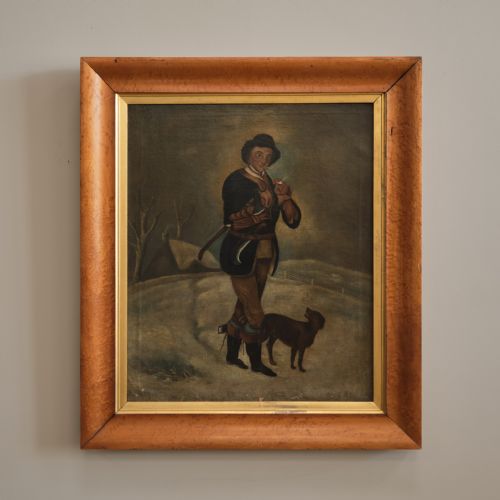
Makers relied on solid timber and wood, carving them by hand into lifelike forms for decoy ducks, pigeons, and athletic figures like cricketers. Iron and glass appear in supportive elements or composition details, while oil and canvas serve as the medium for naive paintings depicting racing pigeons and field scenes.
Surface finish is paramount, with original paint, gold leaf, and natural patination recording decades of exposure and handling. Horn from stags provides the durable material for intricate cribbage boards, showcasing natural grain and texture alongside carved wooden counterparts.
A life-size wooden cricketer stands ready to bat, proving that country makers took their village sports just as seriously as their ducks.
Assessing quality and character
Quality rests in the strength of the carving and the survival of original surface pigment, where untouched, weathered paint layers distinguish a superior decoy from a later resprayed example. Naive paintings show distinction through expressive brushwork and composition rather than academic proportion.
The sculptural presence of a life-size carved cricketer or a country house dovecote decoy elevates an object beyond standard utilitarian gear into compelling folk sculpture. Completeness in sets, such as multi-piece boules and intact cribbage boards with pegs, underpins the integrity of surviving games equipment.
The Antique Sporting Folk Art Glossary
- Decoy
- A carved and painted wooden representation of a bird or animal used by hunters to attract wildlife.
- Naive art
- Artwork created by a self-taught artist lacking formal training, characterised by charming perspective and direct observation.
- Cribbage board
- A traditional board used to keep score in the card game cribbage, frequently fashioned from animal horn or timber.
- Pétanque set
- A collection of metal or wooden boules used in the traditional French target game played outdoors.
Antique Sporting Folk Art: Frequently Asked Questions
What is antique sporting folk art?
It comprises hand-made objects connected to outdoor games, hunting, and rural pastimes, created mostly during the nineteenth and early twentieth centuries.
These items range from carved wooden decoy ducks and pigeon decoys to naive oil paintings and horn cribbage boards.
How were wooden decoys used?
Decoys were floated on water or placed in fields to lure real birds within range for shooting during country sports.
Over decades of working outdoors, they acquired layered paint wear and distinctive patination from weather and handling.
How do I date a decoy?
Dating relies on tool marks, the composition of the timber, and the chemical nature of the surviving paint layers.
Early twentieth-century and nineteenth-century examples show specific hand-carving techniques and stylistic traits typical of regional makers.
How should I display folk art?
These pieces suit placement on open shelves, tabletops, or walls where their tactile surfaces and sculptural forms can be viewed closely.
Keeping them away from direct heat sources helps preserve the original painted wooden and canvas surfaces.