


Antique Slanted Desk
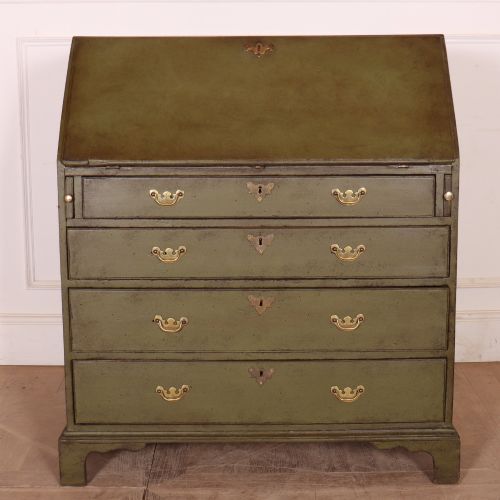
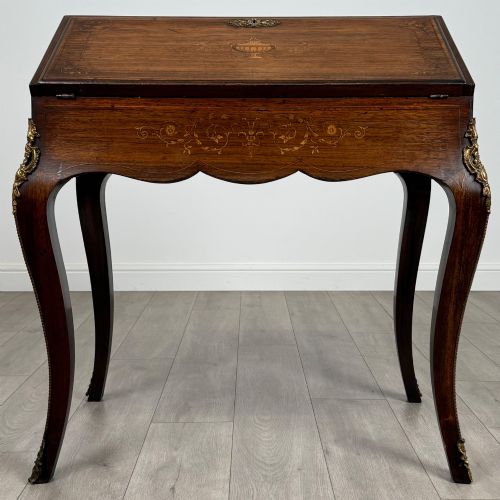
An antique slanted desk offers a dedicated slope for correspondence, built across centuries in mahogany, walnut, oak and rosewood.
What an antique slanted desk is
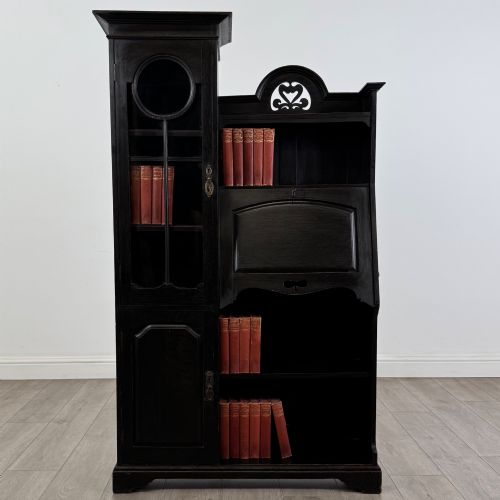
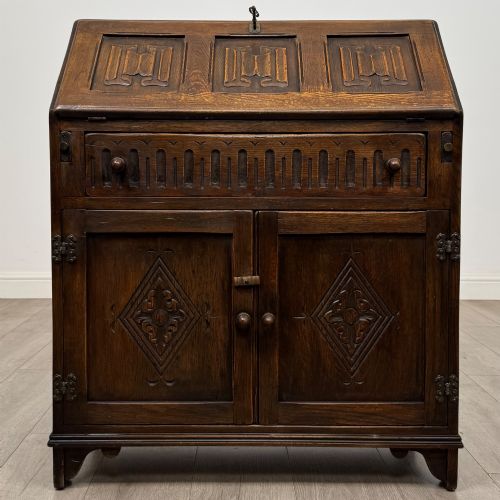
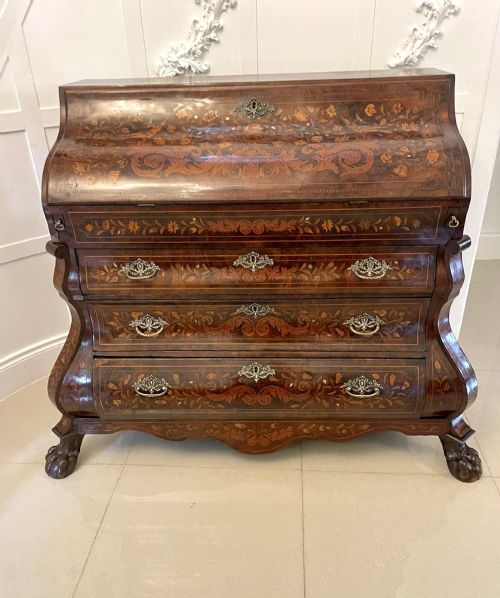
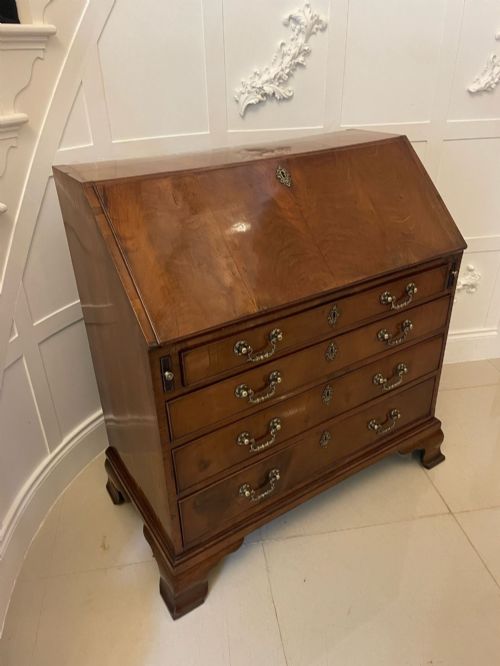
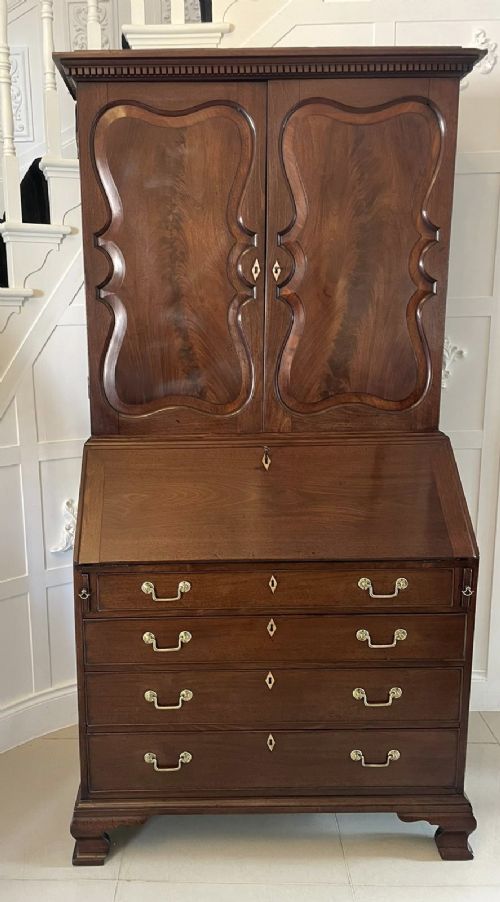
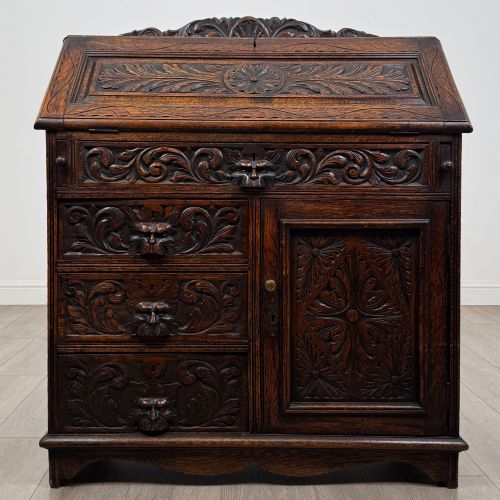
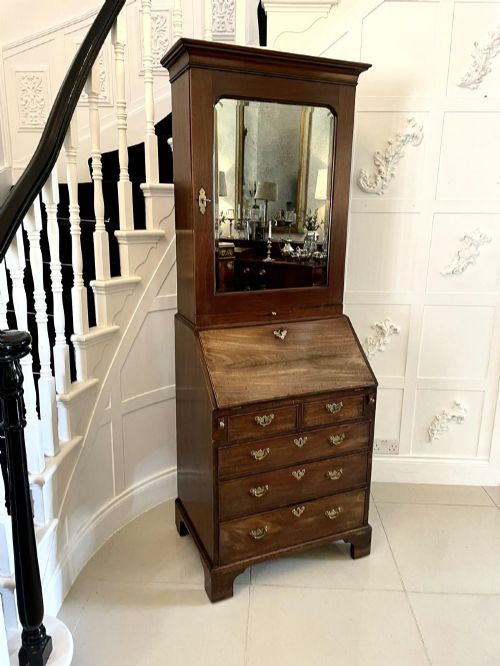
An antique slanted desk brings together forms such as writing bureaux, bureau bookcases, and compact davenports. Buyers seeking an antique slanted desk find pieces originating from the Georgian, Victorian, and Edwardian eras, spanning the eighteenth and nineteenth centuries.
The selections on this page lean heavily towards mahogany and walnut writing bureaux alongside freestanding Victorian davenports. These pieces combine a sloping writing surface with internal drawers and pigeonholes for storage.
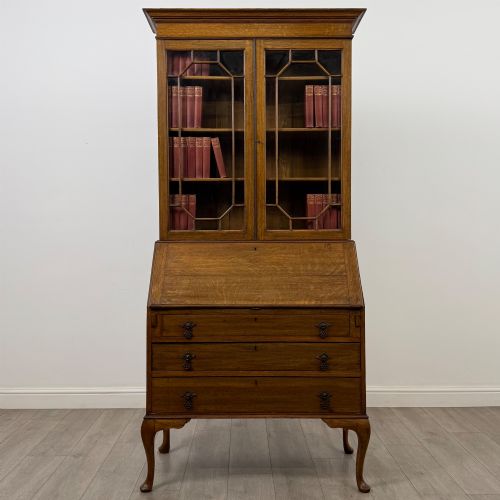
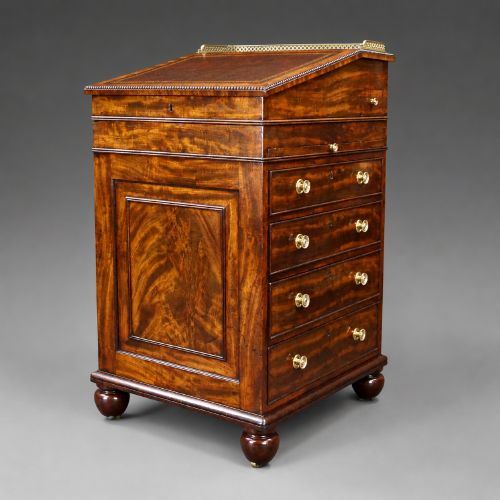
Larger examples include bureau bookcases that integrate glazed upper shelving with a lower writing compartment. More compact variants utilise sliding tops or freestanding pedestals suited to smaller domestic spaces.

How they were made
Cabinet makers utilised dense timbers including mahogany, walnut, burr walnut, oak and rosewood to construct these desks. Selected woods often display rich grain figures, particularly on fall-fronts and writing slopes.
Metalwork details such as brass handles and hinges accent the timber construction, while inset leather panels provide a smooth writing surface. Glass is incorporated into the upper doors of taller bureau bookcase variations.
Retail Price Guide 2026
Typical UK retail prices for slanted desk, calculated from the Sellingantiques database of over a million retail prices indexed since 2003. This retail price guide relies exclusively on Sellingantiques data; no external sources or auction records are used, so the figures do not describe the wider market.
Many a small bureau hides a secret central drawer behind the pigeonholes, reachable only after releasing a hidden spring catch.
What varies in quality
Quality rests upon timber selection and the precision of internal cabinetry, where secondary woods and dovetail joints reveal the maker's hand. Higher-grade pieces employ burr veneers and thoughtful stringing inlay.
Proportion and structural integration separate standard workshop production from finer examples. The crispness of carved mouldings and the seamless operation of sliding tops or bureau falls dictate standing.
The Antique Slanted Desk Glossary
- Bureau
- A desk featuring a slanted fall-front that opens to reveal internal compartments and drawers. This form provides a concealed writing surface when closed.
- Davenport
- A compact pedestal desk with a slanted writing top, popular during the Victorian era. It typically incorporates side drawers and a small superstructure.
- Bureau bookcase
- A tall dual-purpose piece combining a lower sloping desk with an upper shelved cabinet enclosed by doors. These units served as both library and workspace.
- Fall-front
- The hinged sloping board of a bureau that drops down to form the writing surface. When lifted, it secures the internal stationery drawers.
- Burr walnut
- A specialised timber cut from walnut tree growths, prized for its swirling grain patterns. It decorates the exterior surfaces of finer desks.
Frequently Asked Questions
How do I date an antique bureau?
Dating relies upon observing timber choices, construction techniques and stylistic details corresponding to periods like the Georgian or Victorian eras. Earlier pieces often utilise oak and walnut, while later nineteenth-century examples frequently feature mahogany and rosewood.
Examining drawer construction and brass hardware helps confirm the manufacturing era of the desk.
Where were these desks used?
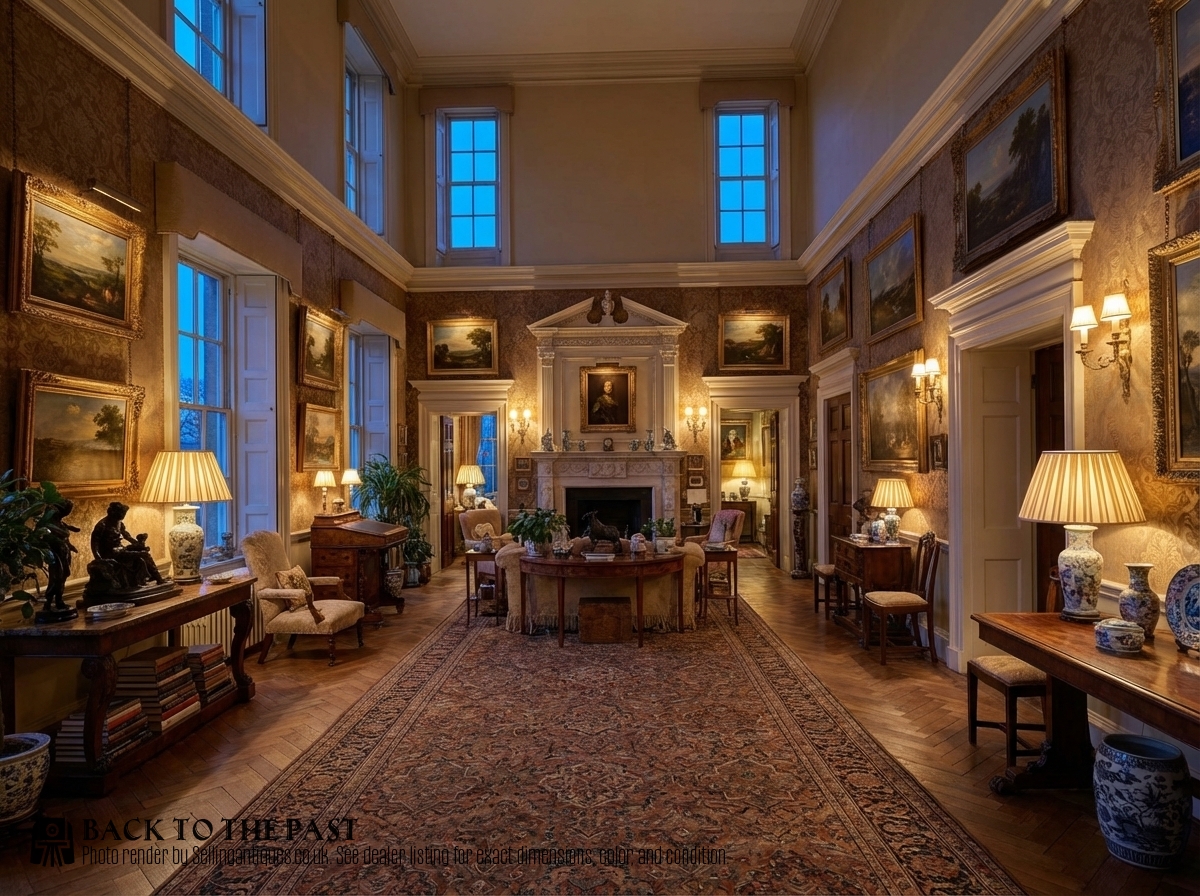
These pieces served as private writing stations in domestic libraries, drawing rooms and studies. The slanted surface provided a comfortable angle for drafting correspondence before the prevalence of flat tables.
Larger bureau bookcases doubled as storage for personal libraries and account ledgers in wealthy households.
How do I maintain a leather writing surface?
Leather writing inserts require gentle cleaning with a slightly damp cloth, avoiding harsh chemical cleaners that dry out the material. Conditioning balms formulated for leather help preserve flexibility over time.
Keeping the surface clear of prolonged moisture prevents staining on historic hide panels.