

Antique Silver Glass Pot
When you handle an antique silver glass pot, you hold a functional container marrying lustrous metalwork with blown, pressed or cut vitreous bodies.
Antique Silver Glass Pot
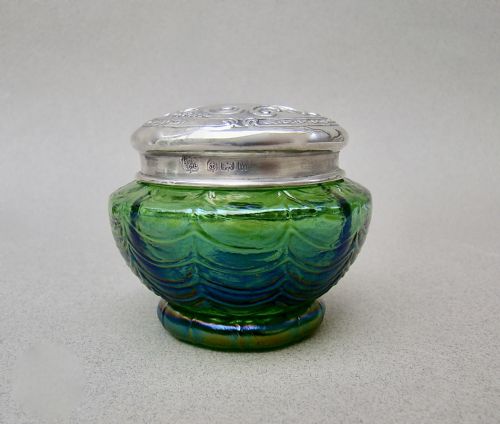
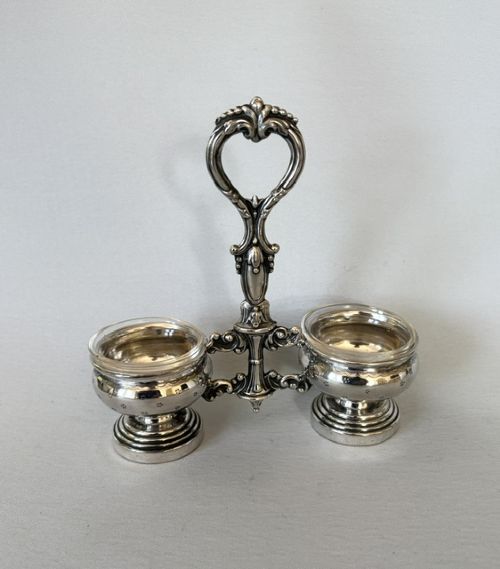
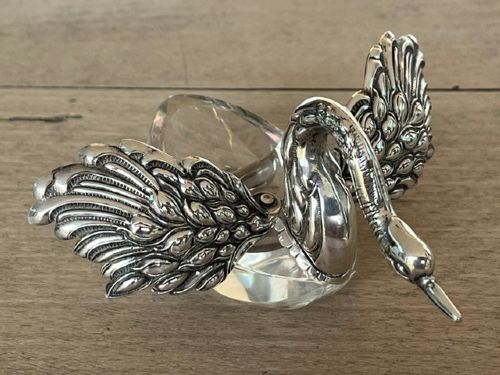
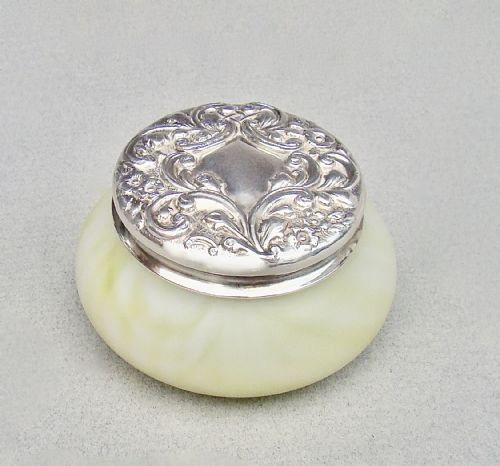
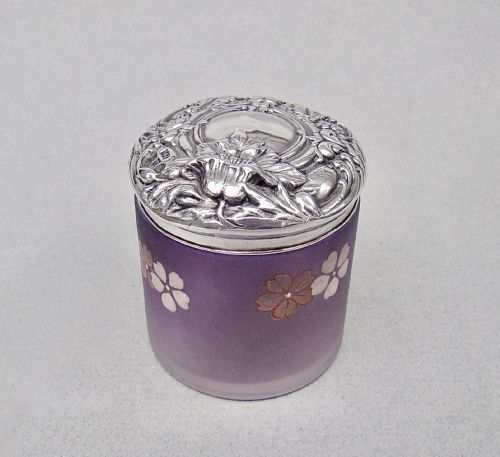
An antique silver glass pot combines a container formed from clear, coloured, frosted, satin or Kralik glass with a sterling silver or silver-plated mount, lid, collar or internal liner. The search phrase covers a wide array of domestic and vanity wares intended for functional use on dining tables or dressing surfaces.
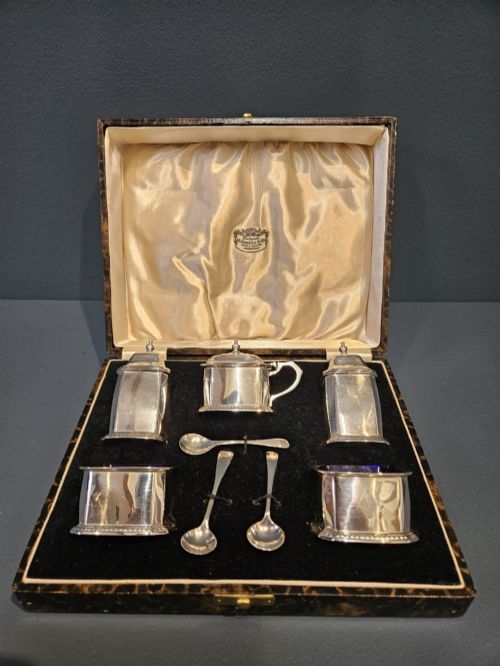
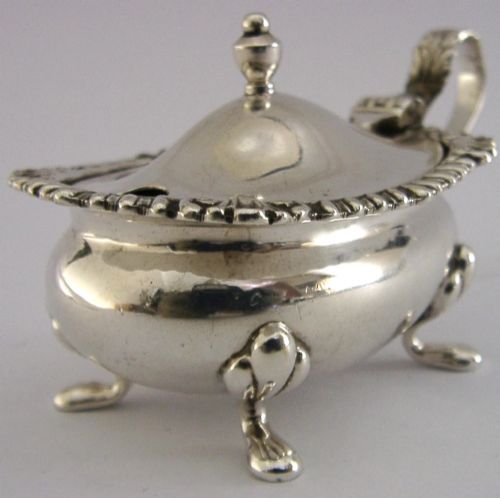
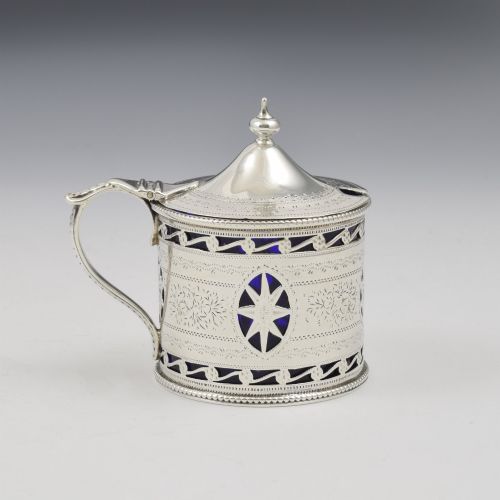
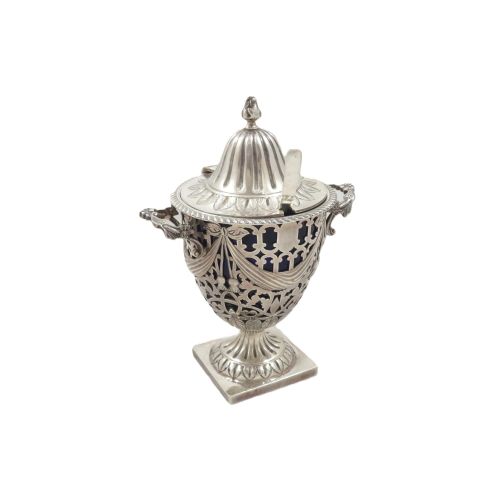
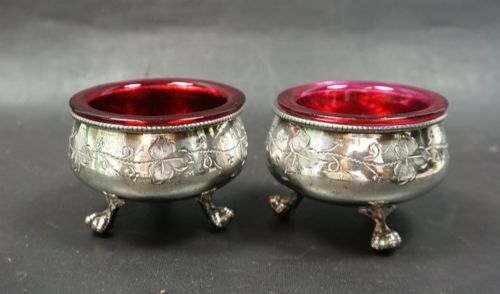
The most frequent examples encountered on this page include mustard pots, salt cellars, condiment sets, and dressing table or trinket jars. These pieces emerge predominantly from Victorian, Edwardian, and Art Deco periods, frequently bearing hallmarks from regional assay offices such as Birmingham and Chester.
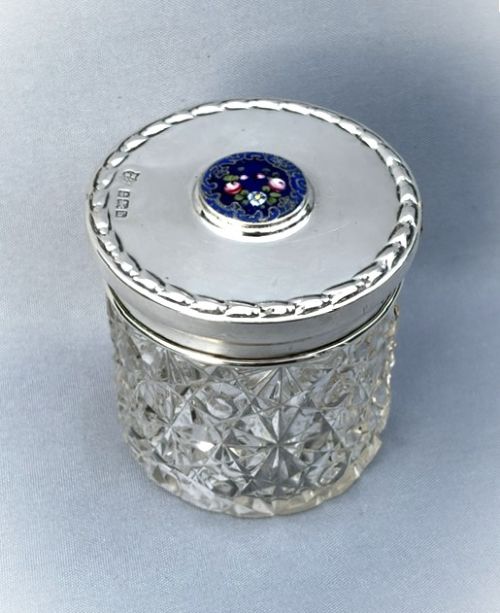
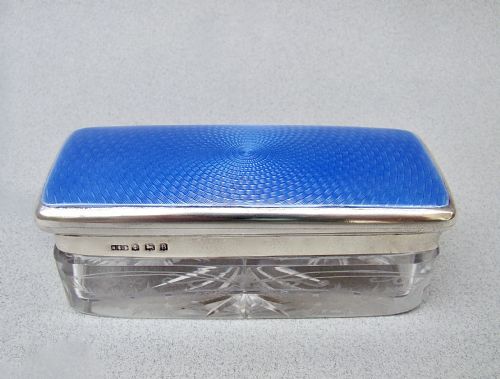
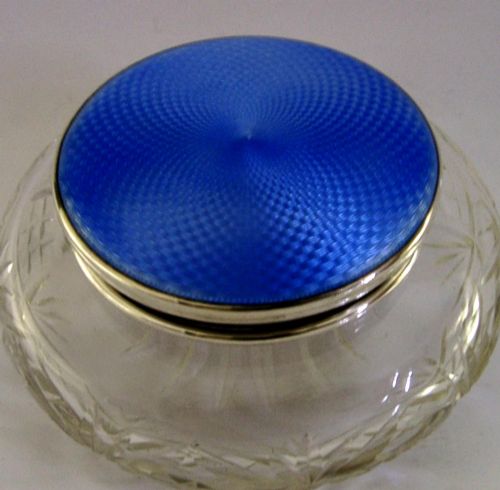
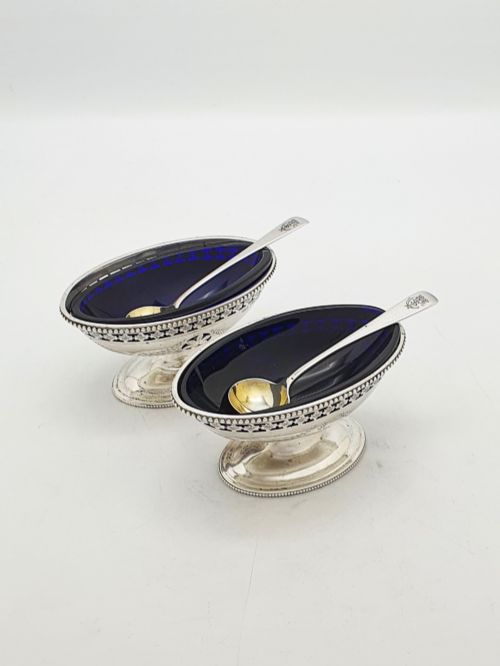
Tableware forms often incorporate removable liners in cobalt or cranberry glass, while vanity versions feature hinged or fitted silver lids occasionally adorned with guilloche enamel. Buyers find both simple utilitarian vessels and decorative novelties shaped like apples, preserves, or figural animals.
How They Were Made
Makers shaped the glass components through blowing, pressing, or heavy cutting to create faceted, textured, or smooth bodies designed to fit metal collars and mounts precisely. Artisans employed specialised techniques like acid frosting or casing glass to achieve cranberry, cobalt, or satin colourways.
The silver elements, whether solid sterling or plated over base metal, involved silversmithing methods including piercing, stamping, wirework, and casting. Enamel workers applied opaque or translucent guilloche enamel onto the metal lids, fusing glass powder to silver under heat before polishing.
Listings feature items from the Victorian, Edwardian, and Art Deco periods, utilising sterling silver, silver plate, and coloured glass such as cranberry and cobalt.
What Varies in Quality
Quality rests upon the weight and gauge of the silver mount and the clarity or depth of colour in the glass body. Thicker metal plates, crisp piercing, and well-cast hinges distinguish superior items from lighter, utilitarian productions.
The integration between glass and metal indicates the level of craftsmanship, where a snug, custom-fitted collar speaks to higher production standards. Additionally, the presence of intact, undamaged enamel work or scarce coloured liners elevates the standing of an individual piece.
A. J. Pepper & Co·Henry Clifford Davis·A. Bromet & Co·Nathan & Hayes·William Neale·Hukin and Heath·George Unite·Asprey & Co·Mappin Brothers
The Antique Silver Glass Pot Glossary
- Guilloche enamel
- Decorative metalwork covered with translucent enamel over an engine-turned mechanical pattern. This technique adds depth and colour to vanity jar and pot lids.
- Cruet set
- A matched collection of condiment containers, such as mustard pots, pepper shakers, and salt cellars, often held in a silver or plated stand. These items populated formal dining tables.
- Match striker
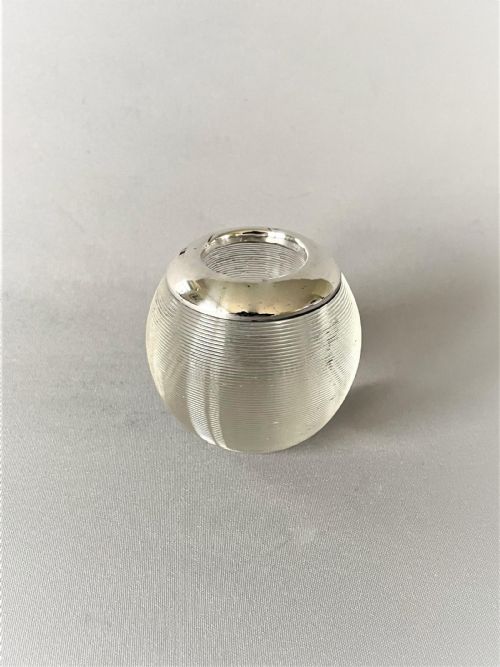
- A vessel with a textured glass or ceramic lower section designed for igniting strike-anywhere matches. Silver mounts often rim the top opening.
- Cobalt glass
- Deep blue glass produced by adding cobalt oxide during manufacture. It frequently appears as contrasting liners inside open salt cellars and mustard pots.
- Hallmark
- Official stamps struck into precious metal indicating the assay office, maker, and year of testing. These marks provide reliable dating for sterling silver mounts.
Antique Silver Glass Pot: Frequently Asked Questions
What were antique glass and silver pots used for?
These vessels served practical functions in the dining room and bedroom, containing condiments like mustard, salt, and preserves, or holding cosmetics and trinkets on dressing tables.
Dining versions often included glass liners to protect metal from corrosive substances, while vanity pieces protected powders, pins, and creams beneath secure silver lids.
How do I date a silver glass pot?
Dating relies primarily on the hallmarks stamped into the sterling silver mounts, which indicate the assay office, standard, and specific year of production.
Stylistic cues such as Art Deco geometric enamelling, Edwardian floral motifs, or Victorian pierced silverwork also help determine the era of manufacture.
Are the glass liners removable?
Liners in mustard pots, salt cellars, and preserve jars are generally designed to lift out independently from the metal frame or mount.
This removable construction allowed for straightforward cleaning after dining use, though original liners can occasionally become stuck through age and residue.
How should I clean antique silver and glass?
Silver mounts require gentle polishing with a dedicated cloth to avoid transferring cleaning agents onto adjacent glass surfaces or enamel work.
Glass bodies and removable liners wash safely in warm soapy water, provided pieces with enamel lids or cemented mounts remain entirely dry during the process.