



Antique Secretary Chest
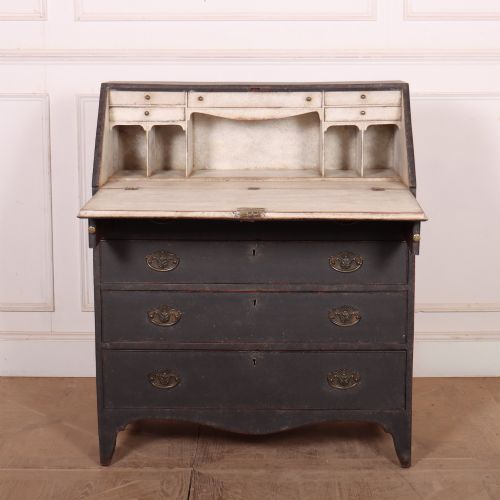
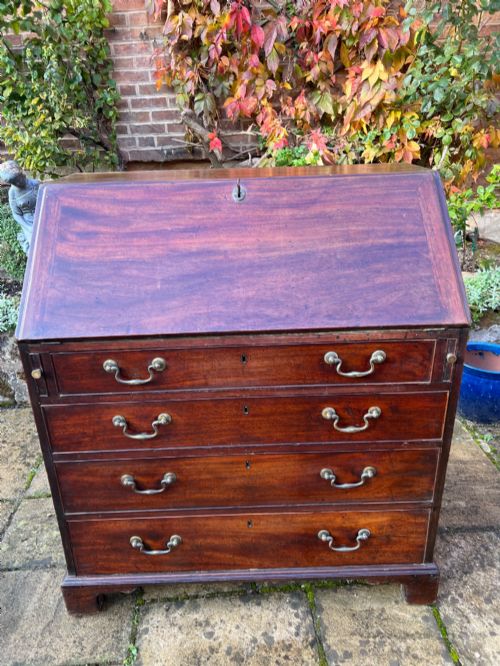
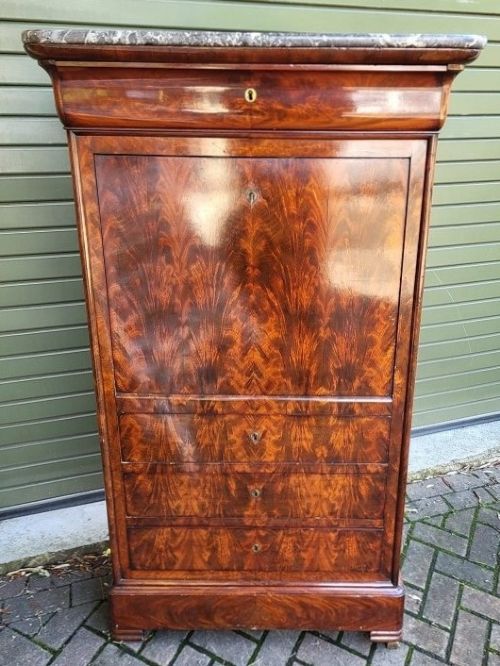
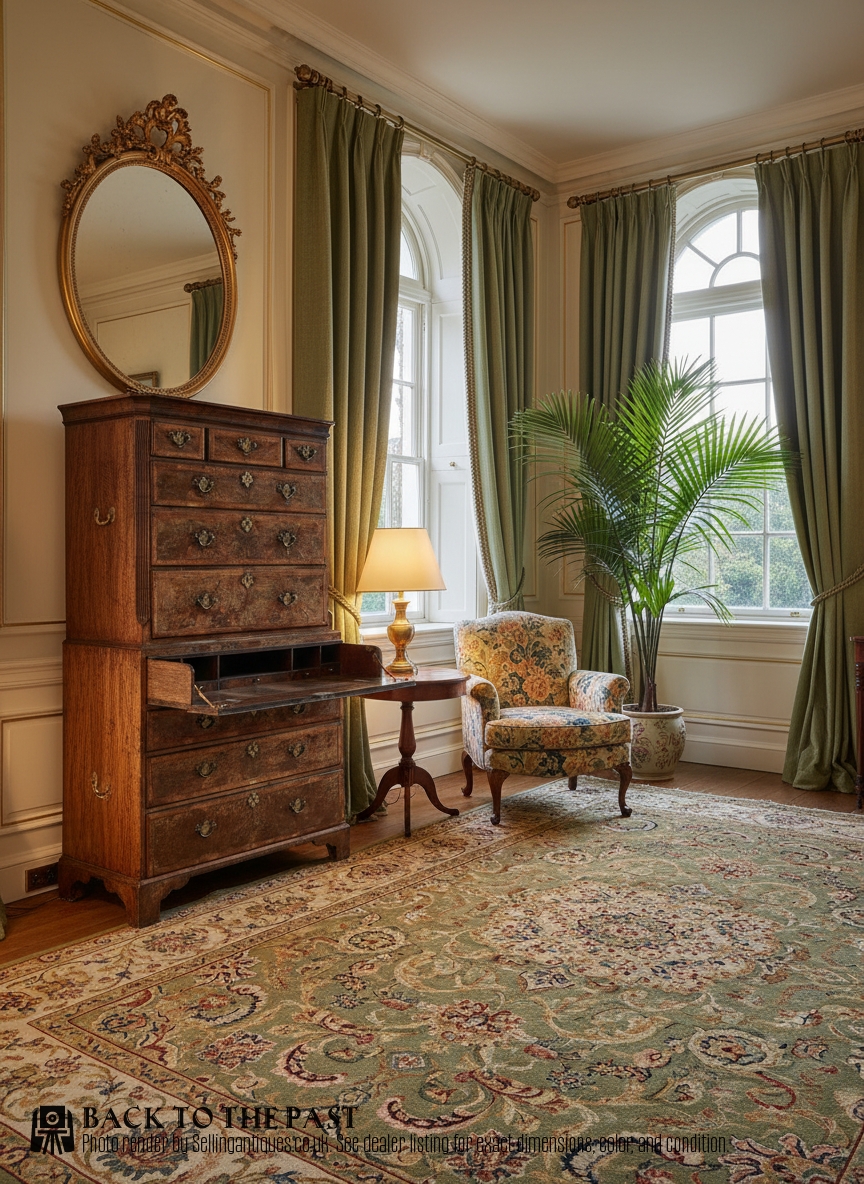
When you select an antique secretary chest, you bring home a versatile writing cabinet that conceals fitted drawers behind a drop front.
Antique Secretary Chest
An antique secretary chest combines a chest of drawers with a writing surface, appearing across Georgian, Regency, Victorian, and Edwardian periods.
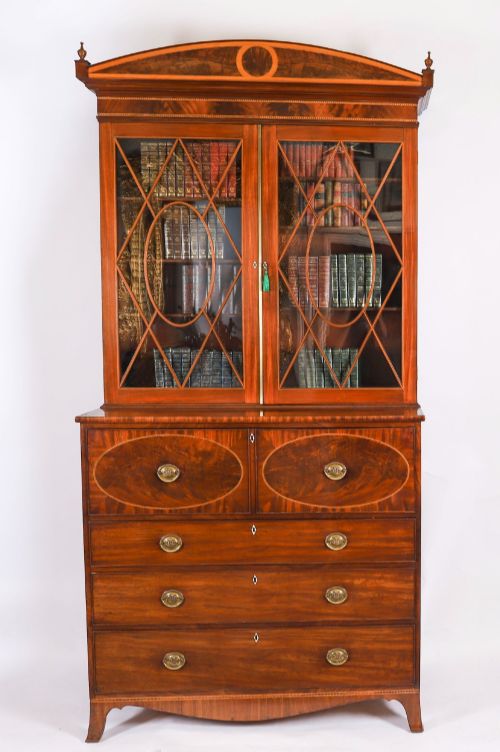
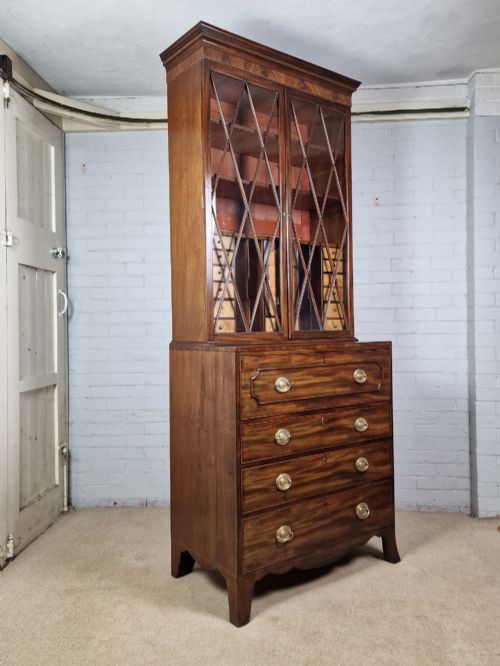
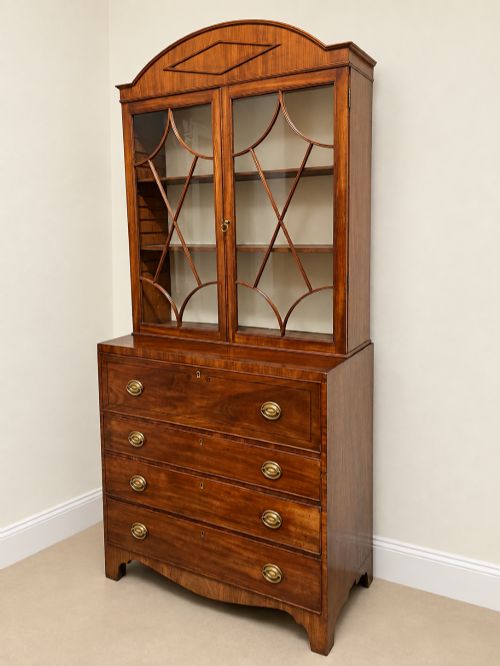
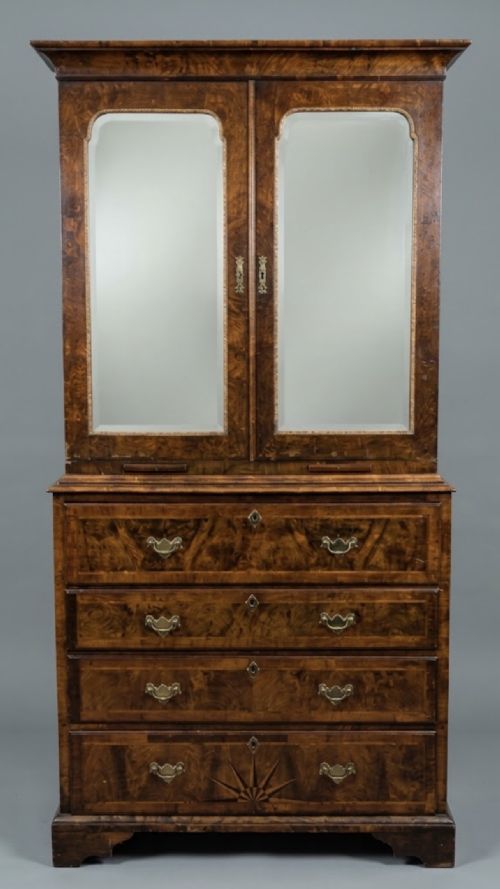
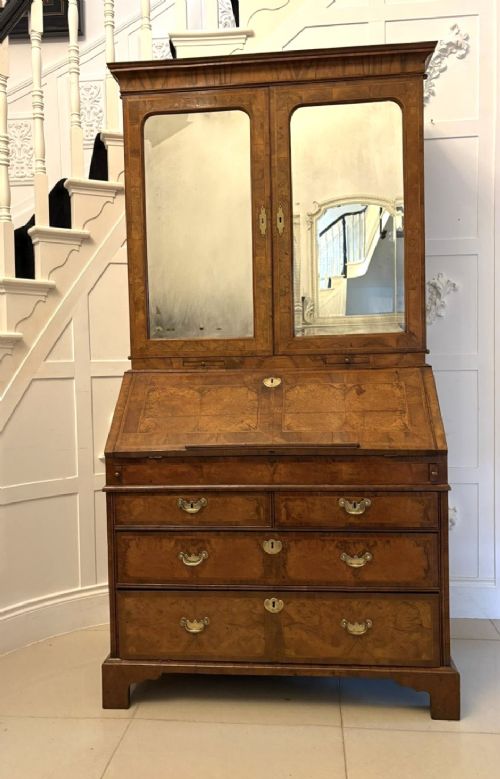
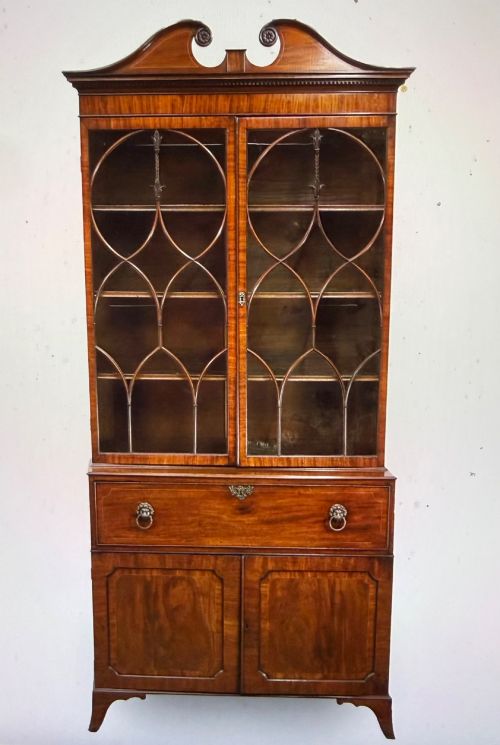
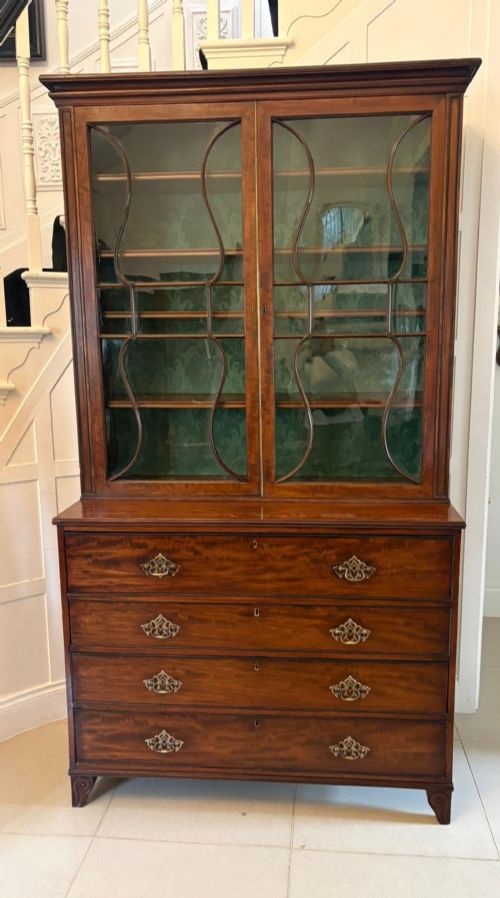
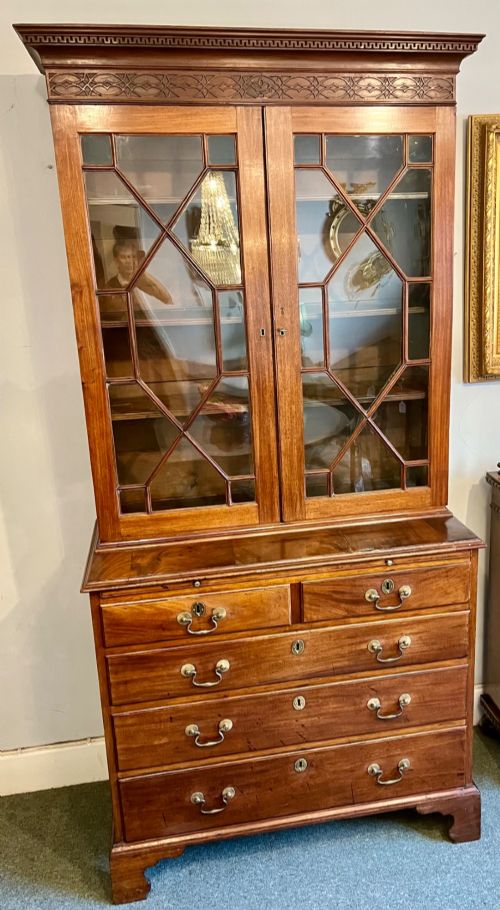
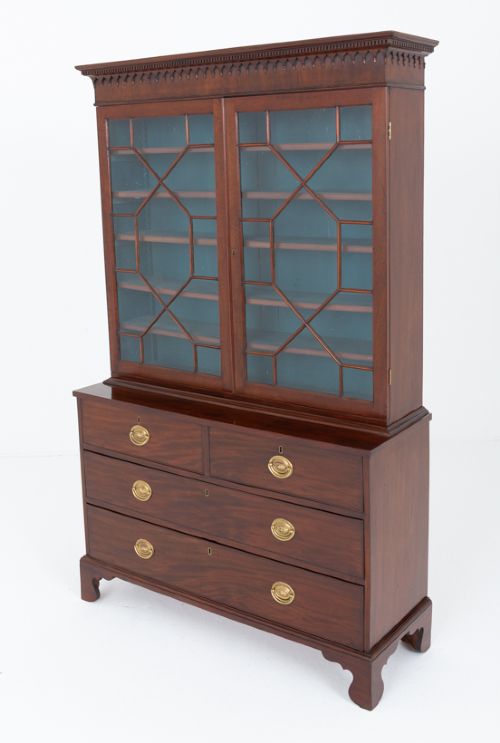
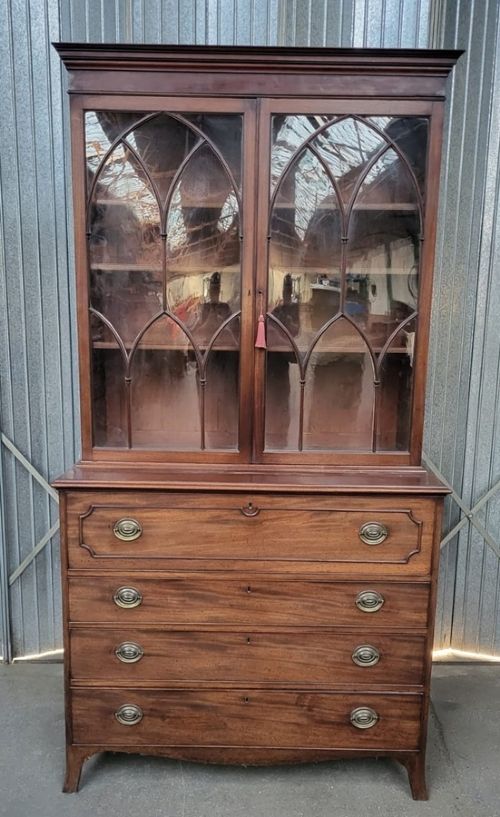
You frequently encounter forms such as the fall front bureau, the bureau bookcase with glazed upper doors, and the secretaire chest with a locking flap.
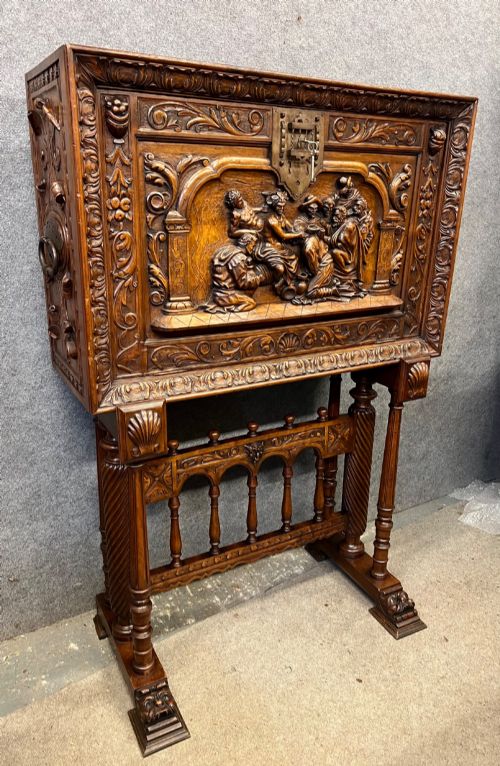
Origins range from English workshops in mahogany, walnut, and oak to continental pieces featuring marquetry and parquetry.
Materials and construction
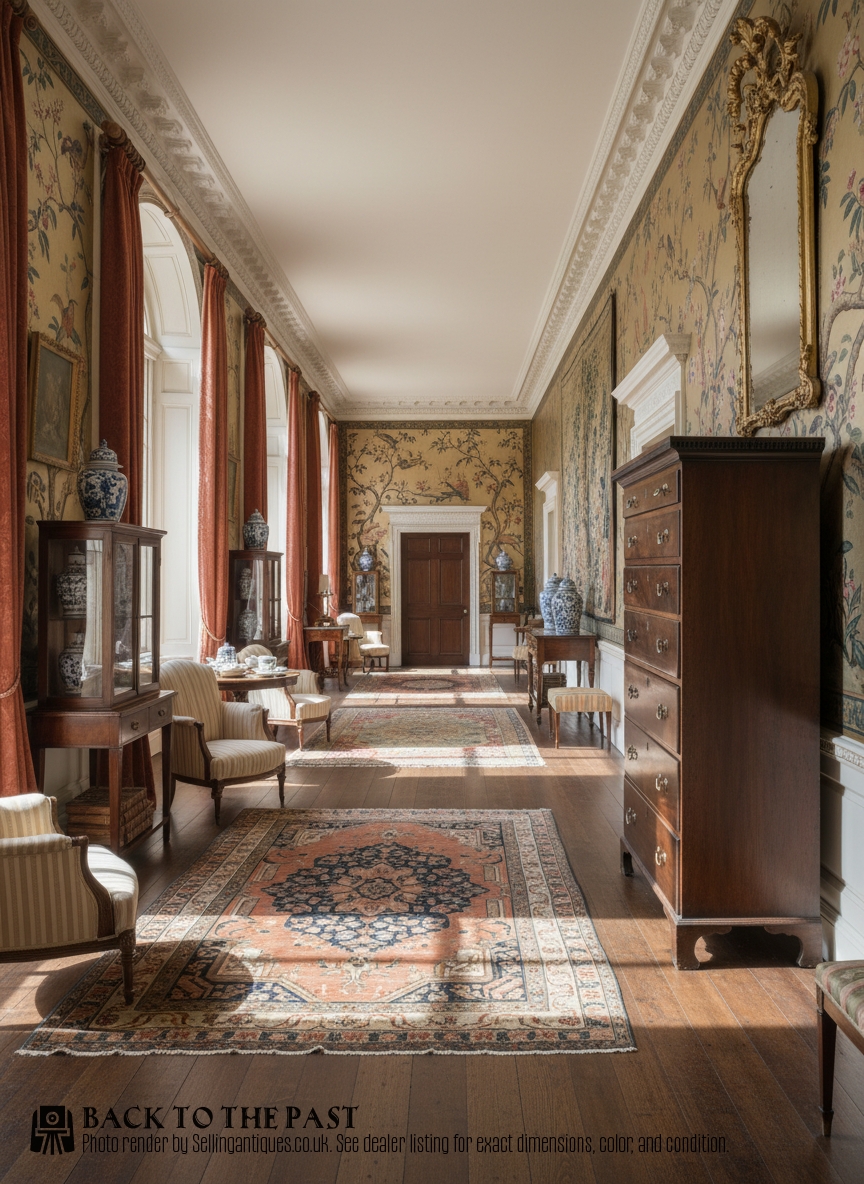
Cabinetmakers utilised dense timbers like mahogany, walnut, and oak, often selecting figured veneers and burr walnut for the primary surfaces.
Brass handles, escutcheons, and original ironwork secure the drawers and doors, while leather writing surfaces line the drop-down flaps.
Antique Secretary Chest Retail Price Guide 2026
Typical asking prices for secretary chest among the pieces listed under this phrase on Sellingantiques today, from the lower quarter to the upper quarter. They describe what is for sale here now, not the wider market.
Listings span oak, mahogany, walnut, burr walnut, and satinwood across eighteenth, nineteenth, and early twentieth-century eras.
Judging execution
Superior examples display crisp marquetry, fine floral inlay, and carefully matched wood grain across the fall front and drawer faces.
The complexity of the fitted interior, including secret compartments and pigeonholes, distinguishes standard cabinetwork from master craftsmanship.
George Oakley·Thomas Chippendale·Gillows
The Antique Secretary Chest Glossary
- Fall front
- A hinged panel that folds down to create a horizontal writing desk. This surface conceals the internal pigeonholes and small drawers.
- Secretaire
- A piece of furniture designed for writing, incorporating a desk drawer or drop-front compartment. It often forms part of a taller bookcase or chest.
- Marquetry
- Decorative veneer patterns formed by fitting together small pieces of wood or other materials. It creates pictorial or floral designs across the exterior.
- Escritoire
- An early writing cabinet featuring a fall-front desk section above lower drawers. The term often describes walnut pieces from the early eighteenth century.
- Astragal glazed
- A glass door divided into smaller panes by wooden strips called astragals. This glazing appears frequently on upper bookcase sections.
Antique Secretary Chest: Frequently Asked Questions
What is a secretary chest?
A secretary chest is a piece of furniture that unites a set of lower drawers with a dedicated writing desk compartment. The writing surface typically pulls out or folds down on hinges.
Inside this compartment, makers arranged small drawers and pigeonholes for letters and stationery. When closed, the piece maintains the tidy appearance of a standard chest of drawers or bookcase.
How do I use one today?
These cabinets function well in living rooms or studies as compact, concealed workspace desks. The drop front provides a stable surface for writing or laptop use.
Closed drawers keep modern clutter out of sight while storing household items. Upper bookcases display books and decorative objects behind glass panels.
How do I date a piece?
Dating relies on observing timber choices, handle styles, and construction methods characteristic of different eras. Walnut predominates in early eighteenth-century pieces, while mahogany gains favour through the Georgian period.
Edwardian and later iterations often incorporate satinwood, lighter oak, or distinct marquetry. Secondary woods inside the drawers also offer clues to the regional origin and decade of manufacture.
What is a bureau bookcase?
A bureau bookcase stacks a glass-fronted library cabinet directly on top of a writing bureau base. This combination piece allowed owners to store books above while keeping writing materials close at hand.
Tall proportions and architectural cornices give these large cabinets a commanding presence in a room. They evolved through the Georgian and Regency periods with varied pediments and door glazing.