


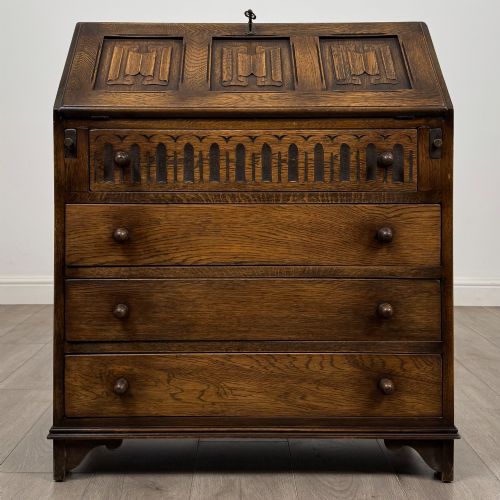
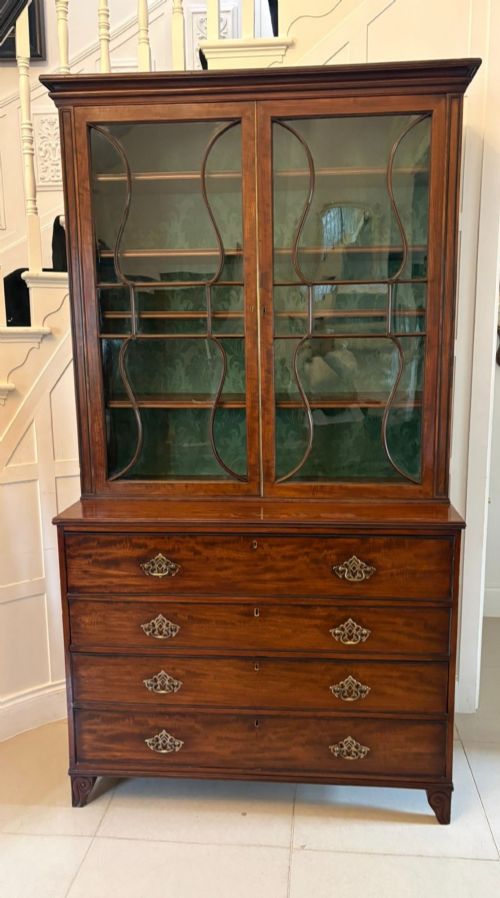
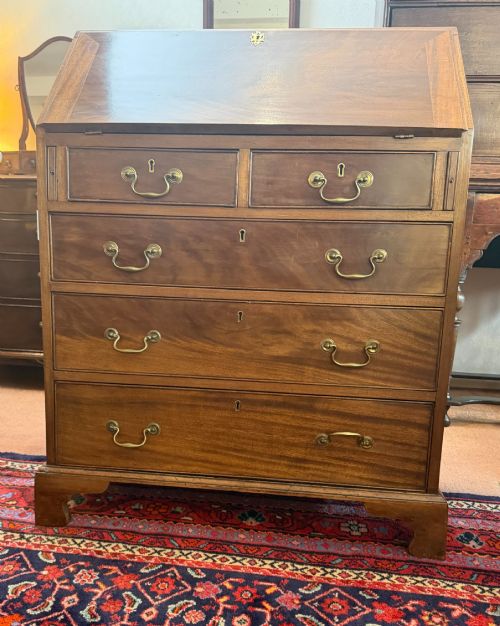
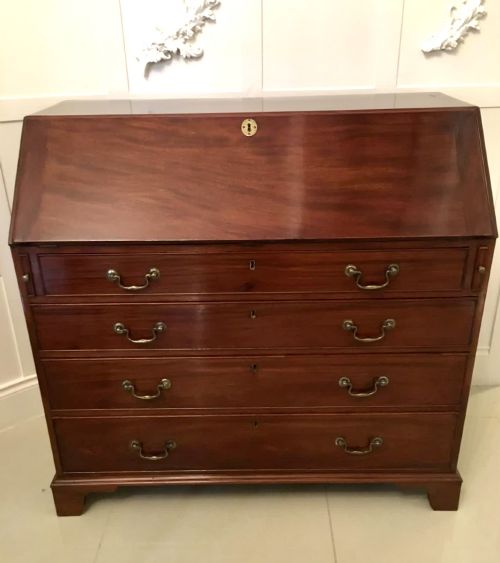
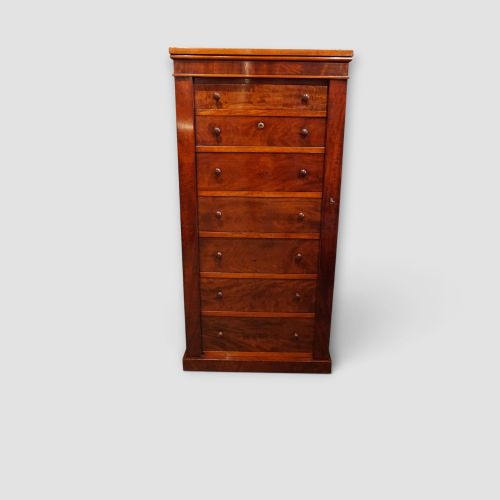
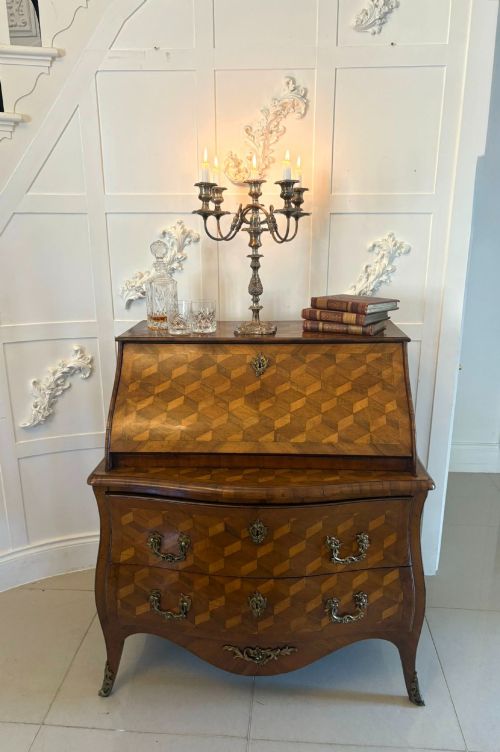
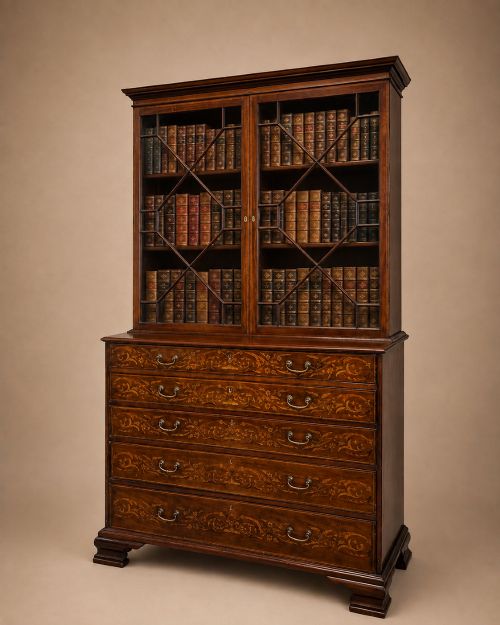
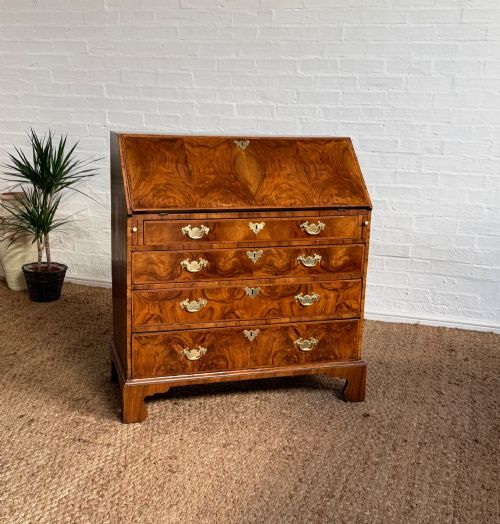
Antique Secretary Chest
You want an antique secretary chest for its clever double life, giving you a proper writing desk tucked inside a handsome chest of drawers.
What an antique secretary chest is
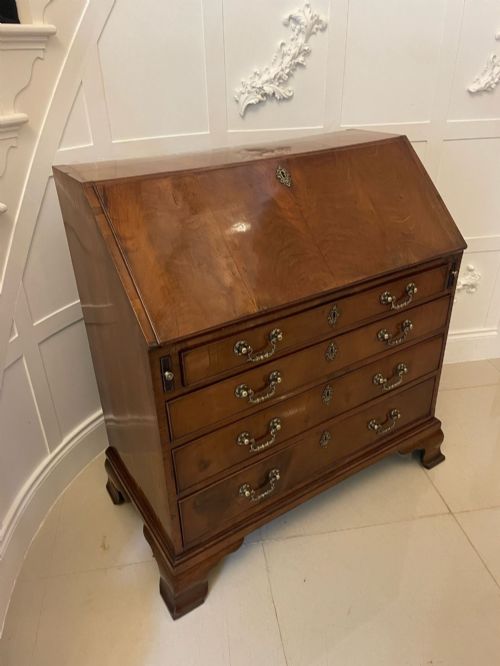
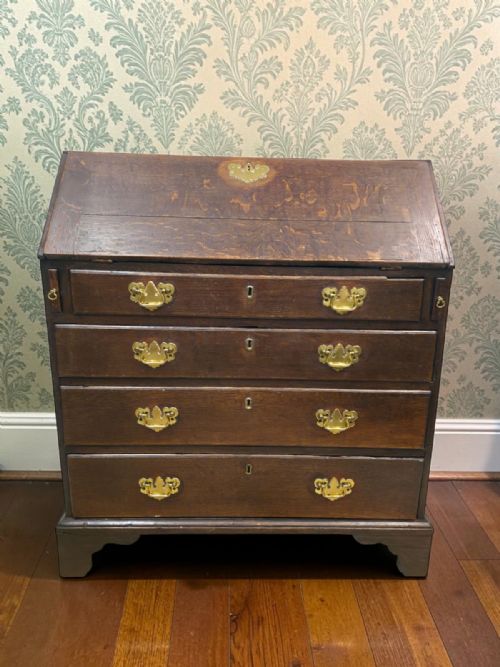
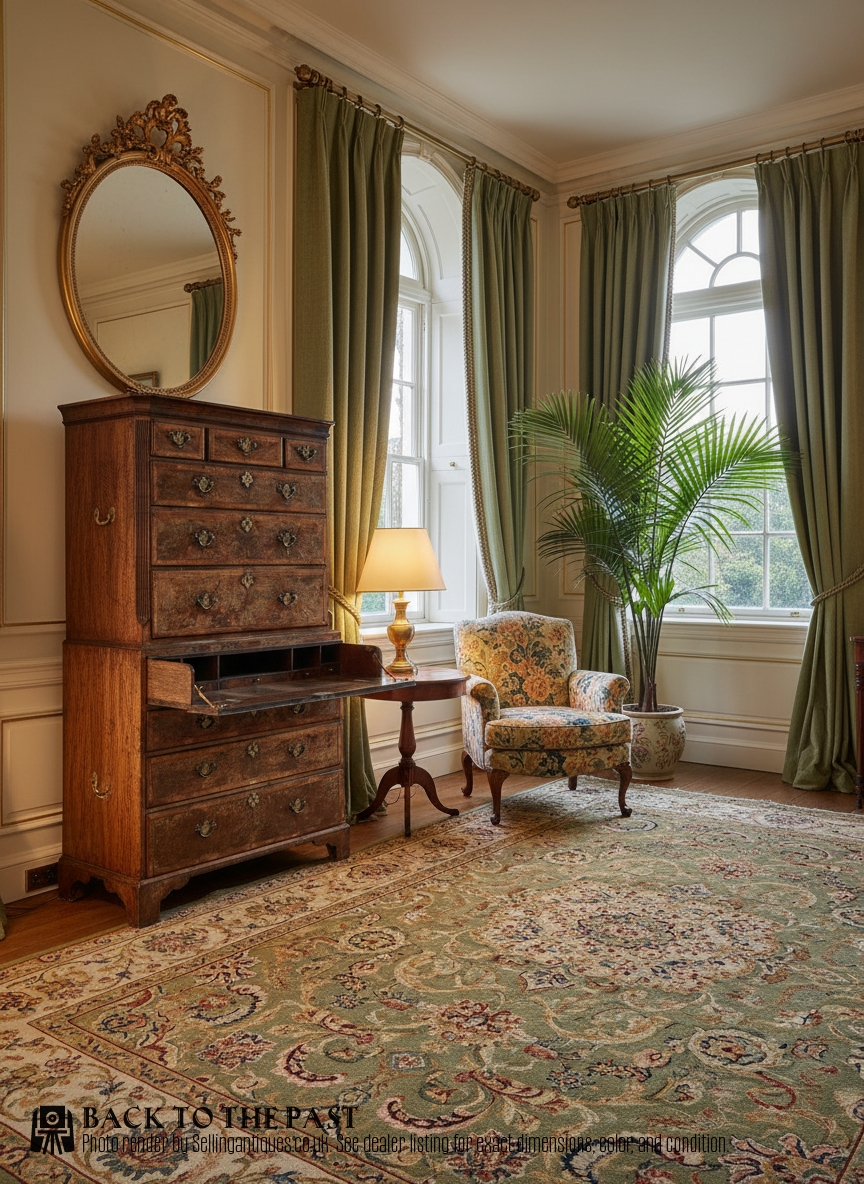
An antique secretary chest combines a functional writing surface with the everyday storage of a chest of drawers. The topmost drawer hides a drop-down front fitted with small pigeonholes and tiny drawers for papers.
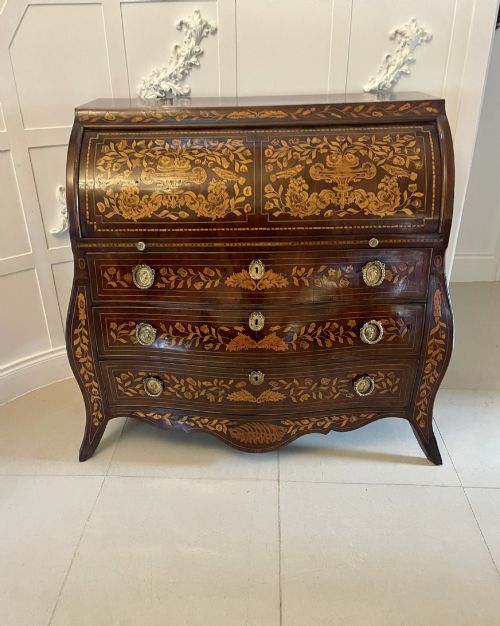
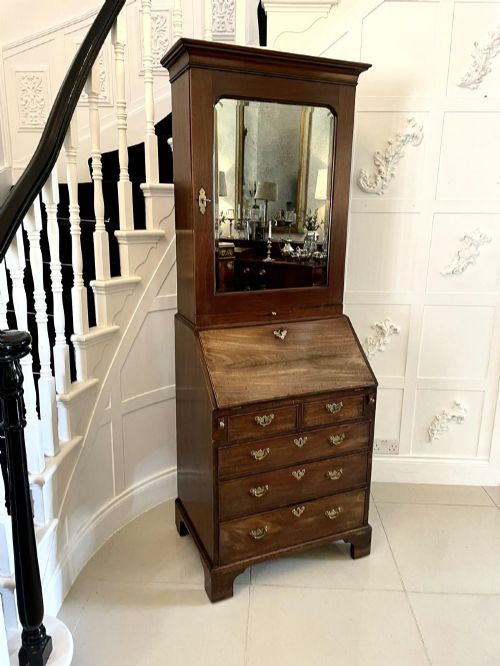
You will most commonly encounter forms from the Georgian and George III periods, along with occasional Scottish Regency examples. These pieces range from standard drawer chests to grander chest on chest designs and tallboys.
Makers built these items to serve as private writing cabinets in principal rooms without sacrificing floor space or storage capacity. The fitted interior provides dedicated compartments for stationery and correspondence.
Materials and construction
Cabinetmakers constructed these pieces primarily using solid mahogany, walnut, and oak, frequently applying burr walnut veneer to decorative exterior surfaces. Drawer interiors and secondary framing timber typically consist of native hardwoods like oak.
Metalwork relies heavily on cast brass for drop handles, escutcheons, and hinges that secure the fall-front desk mechanism. Interior writing surfaces often feature baize inserts to cushion the act of writing.
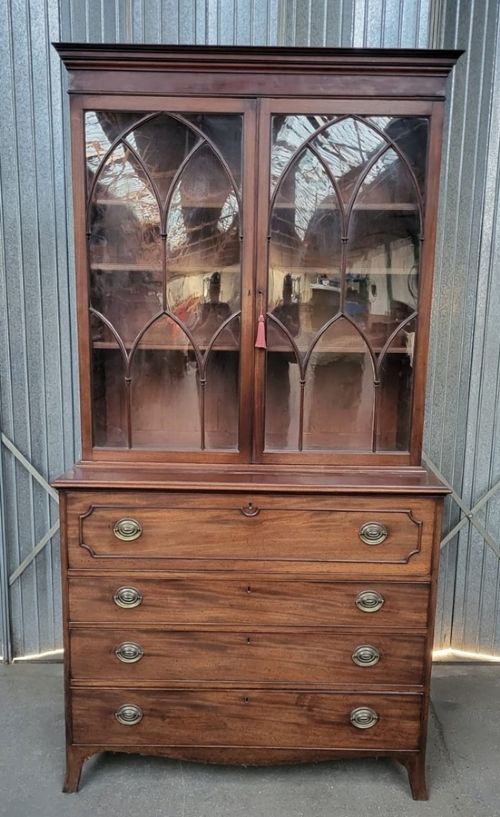
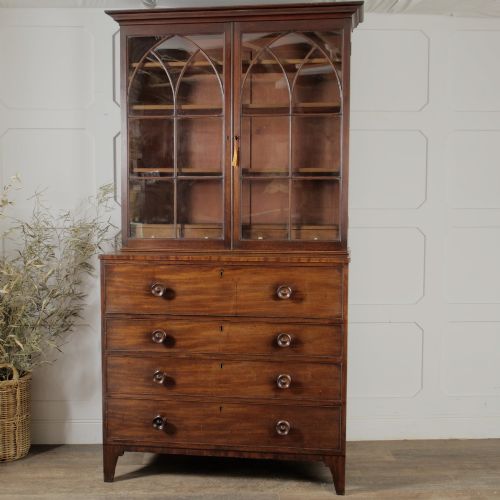
Glazed upper sections appear on bookcase variants, utilising timber framing to hold individual glass panes above the main desk compartment.
Retail Price Guide 2026
Typical UK retail prices for secretary chest, calculated from the Sellingantiques database of over a million retail prices indexed since 2003. This retail price guide relies exclusively on Sellingantiques data; no external sources or auction records are used, so the figures do not describe the wider market.
Some secret compartments require pressing hidden spring catches inside the pigeonholes to release.
What separates the best from the rest
Quality reveals itself in the choice of timber veneers and the precision of the cabinetmaker's joinery. Burr walnut and figured mahogany show superior grain selection on drawer fronts and fall-front panels.
The complexity and finish of the internal desk fittings dictate the piece's standing. Elaborate pigeonholes, secret compartments, and finely dovetailed small drawers separate standard items from superior commissions.
WILLIAM TROTTER Edinburgh
The Antique Secretary Chest Glossary
- Secretaire
- A desk or chest containing a concealed writing drawer with a drop-down front. This component houses pigeonholes and small storage compartments.
- Fall-front
- A hinged writing flap that drops into a horizontal position to form a desk surface. It conceals the interior compartments when closed.
- Chest on chest
- A tall case furniture form comprising an upper chest of drawers stacked directly on top of a larger lower chest. This configuration maximises vertical storage capacity.
- Baize
- A coarse woollen fabric used to line the interior writing surface of the desk flap. It provides a soft texture suitable for handwriting.
- Escutcheon
- A protective brass plate surrounding a keyhole. It prevents the timber around the lock from sustaining wear.
Frequently Asked Questions
How do I open the desk?
You unlock the top drawer or drop-front mechanism using the designated key and lower the hinged panel gently into position. This action reveals the internal writing surface and pigeonholes.
Support the weight of the flap carefully as it lowers to protect the hinges and wooden support arms from sudden strain.
Where should I place it?
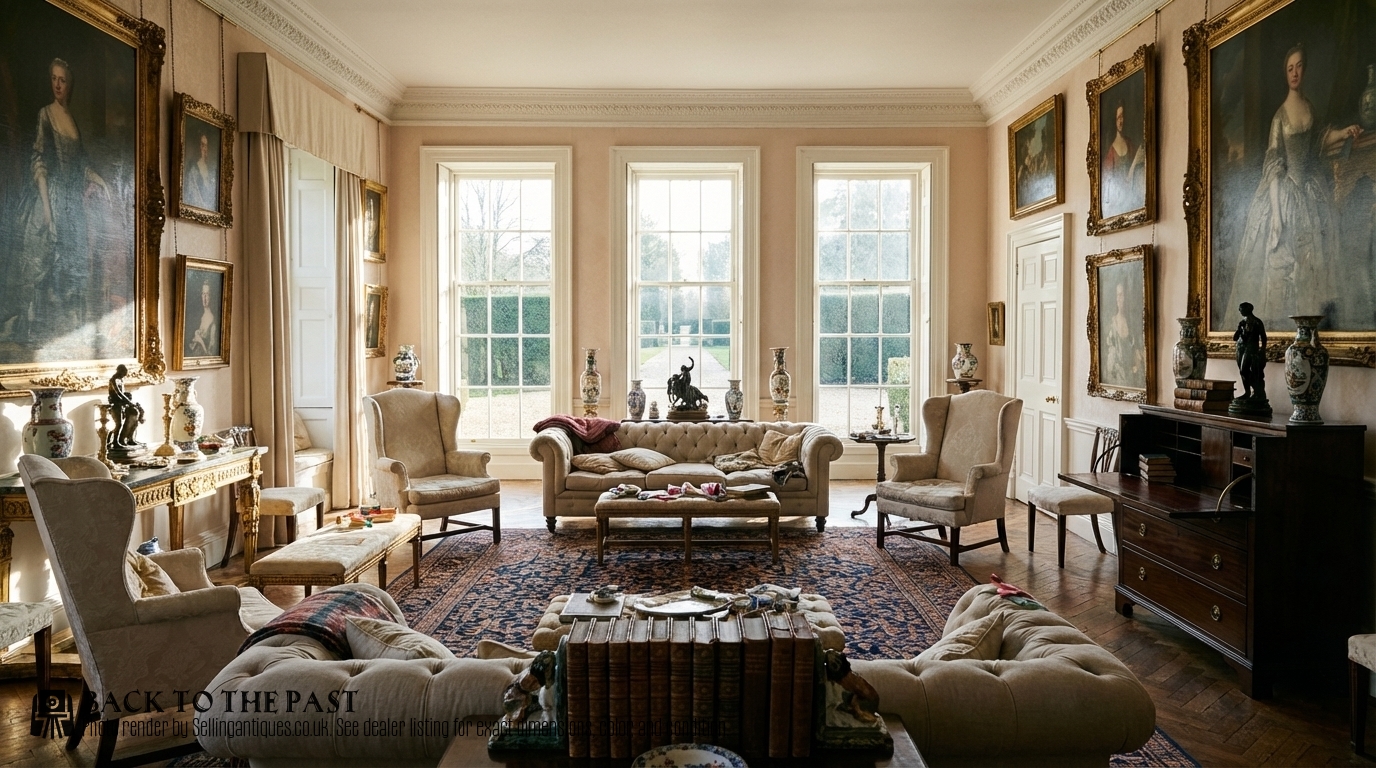
Position the piece in a study, library, or drawing room away from direct sunlight and strong heat sources. Maintaining stable indoor humidity prevents timber shrinkage and veneer lifting.
Ensure there is sufficient clearance in front of the furniture for the fall-front flap to open fully without obstruction.
How do I tell periods apart?
Examine the timber selection, handle styles, and construction details to determine age. Georgian and George III pieces frequently employ solid mahogany, oak framing, and distinct brass hardware.
Scottish Regency examples show different proportions and cabinetmaking signatures, while later nineteenth-century pieces display alternative veneer patterns and secondary woods.
What is inside the desk?
The interior contains a collection of small drawers, pigeonholes, and sometimes secret compartments designed for letters and documents. These fitted sections remain hidden behind the main drop-front panel when closed.
Cabinetmakers arranged these miniature compartments symmetrically around a central cupboard or open archway.