



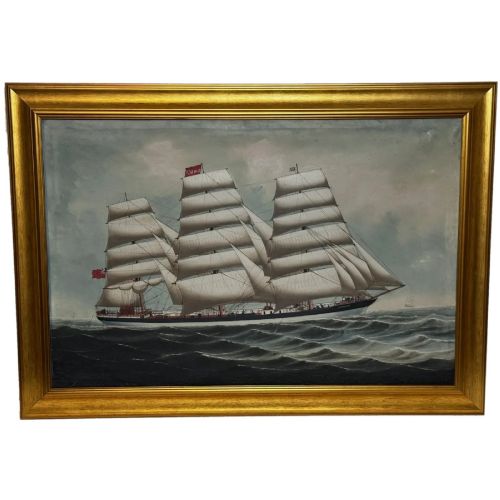
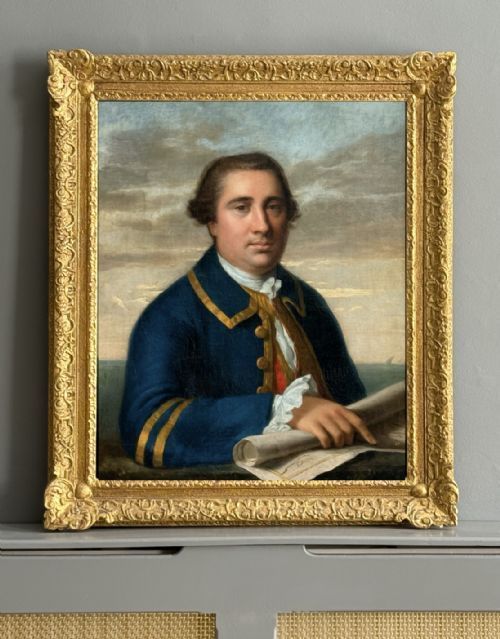
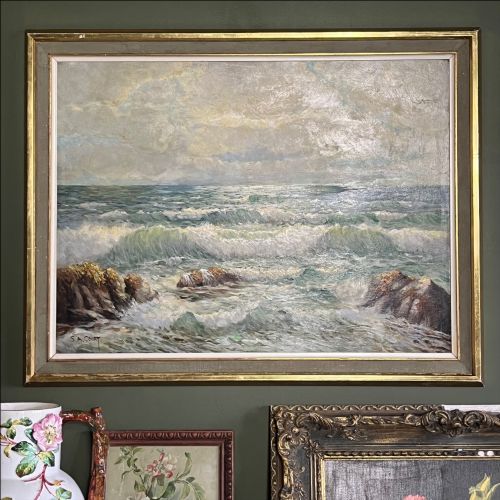
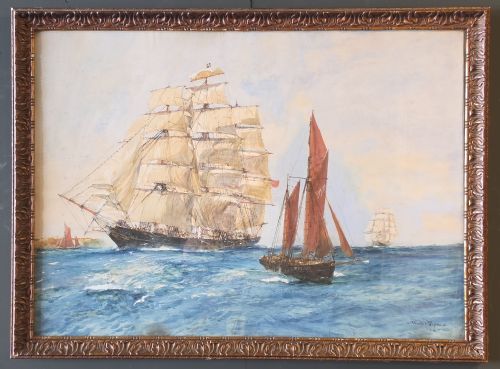


Antique Sea Painting
An antique sea painting captures the raw motion of coastal water, trading room walls for the salt air of working harbours and stormy swells.
Antique Sea Painting
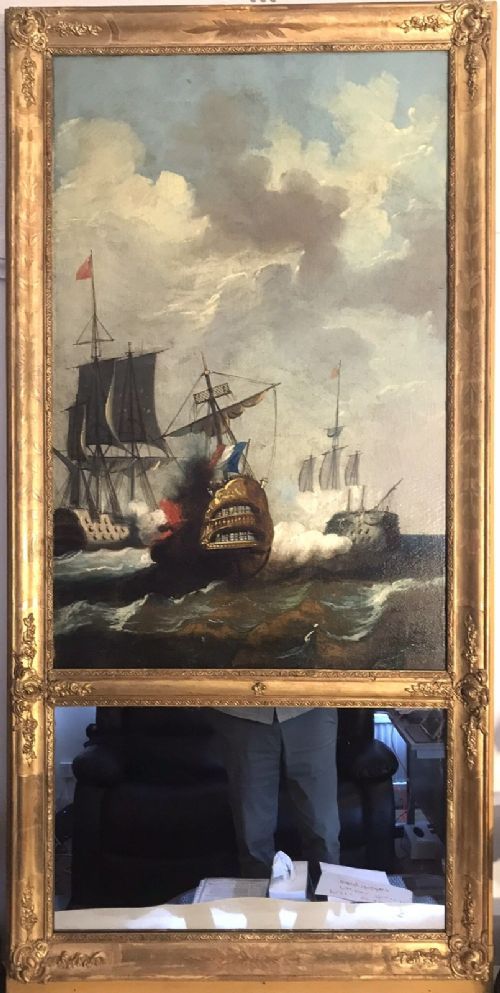
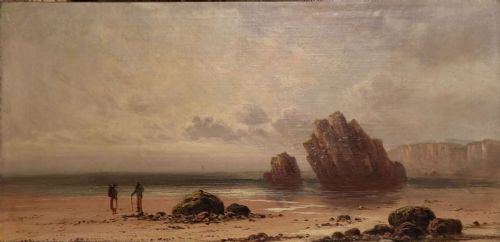
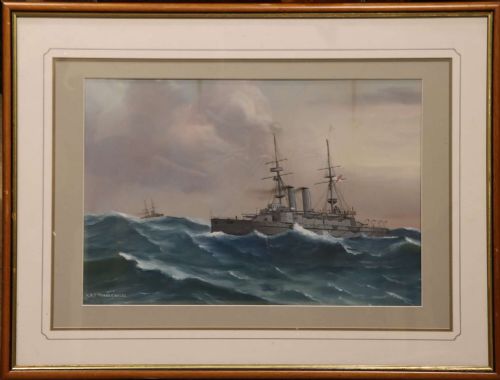
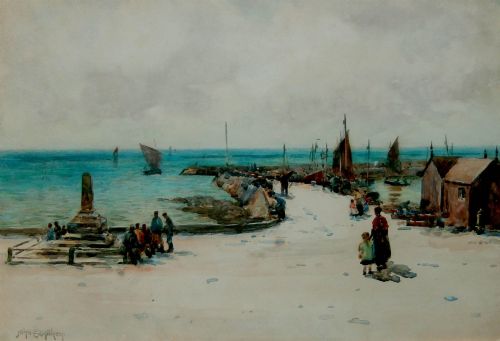
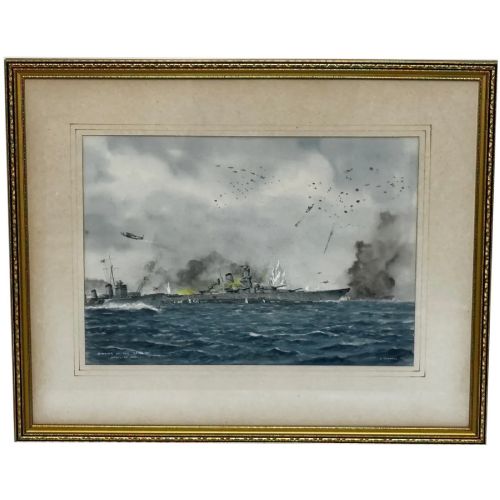
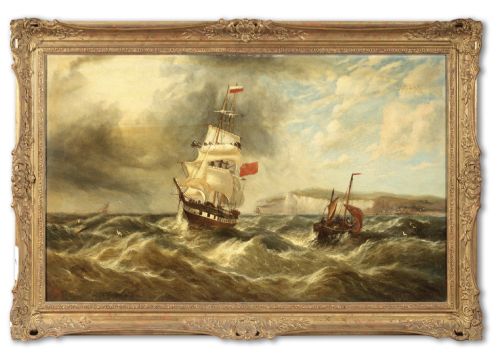
Buyers exploring an antique sea painting encounter a broad visual record of maritime life, ranging from calm coastal inlets to turbulent open waters. The selection spans quiet Victorian watercolours of fishing vessels to dramatic twentieth-century oils depicting merchant ships and gales.
Most pieces on offer date from the nineteenth and early twentieth centuries, reflecting a period when maritime trade and coastal communities dominated British and European culture. These works capture specific harbours, local craft like cobles and barges, and named sailing ships battling heavy seas.
The category extends beyond flat canvas to include framed gouache, works on board, and occasional mixed media such as dioramas. Each format preserves a distinct viewpoint on historical maritime navigation and coastal settlement.
How They Were Made
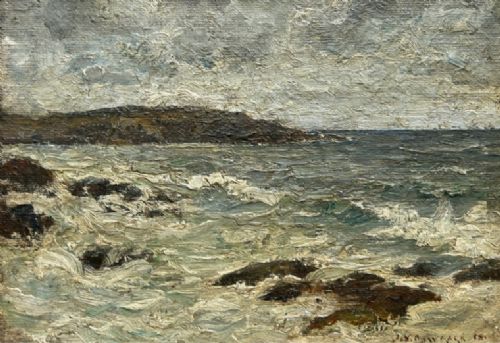
Artists relied primarily on oil on canvas or delicate watercolours on paper, applying pigments to capture the transparent depths of water and the dense weight of storm clouds. Oil paintings often utilised textured impasto to render churning waves, while watercolours achieved fluid washes for calm estuaries and open skies.
Support materials varied according to the medium, with heavy linen canvases stretched over wooden frames for oils, and robust paper or card used for field watercolours. Finished works were traditionally housed in gilt wood frames designed to complement the palette of the marine scene.
Several captains kept trunks near the water, though the paintings prefer the wild drama of the open gale.
What Varies In Quality
Quality rests upon the artist's command of light, atmosphere, and maritime anatomy, separating competent topographical records from truly compelling portrayals of moving water. A superior painting conveys the tangible weight of a swell and the correct rigging of a vessel without stiffness.
The handling of medium also dictates distinction, as fluid brushwork and confident watercolour washes reveal an experienced hand. Preservation of the original surface and the presence of period framing further elevate the standing of any given piece.
James Orrock·Reginald Arthur Borstel·Charles Edward Dixon·John E. Aitken·William Banks Fortescue·John Rose Miles·William Broome·Bernard Gribble·Bonaventura Peeters·F. Corpuz·Bernard Benedict Hemy·Alfred G. Morgan·John Moore of Ipswich·Richard B. Spencer·William Henry Williamson·George Stanfield Walters·Henry Barlow Carter·F A Roylance·George F Pennington·Anthony Graham·William Frederick Settle·Walter Henry Sweet·Frederick James Aldridge·John Wilson Carmichael·John Syer
The Antique Sea Painting Glossary
- Impasto
- Paint applied thickly to a canvas so that it stands out from the surface. This technique allows artists to build physical texture into representations of churning waves and breaking foam.
- Gouache
- An opaque watercolour paint mixed with a binding agent. It provides denser colour coverage than standard watercolour and permits sharper highlights on water and sailcloth.
- Seascape
- A work of art depicting the sea, coastlines, and marine vessels. These compositions focus primarily on water and weather rather than land-based subjects.
- Coble
- A traditional open fishing boat native to the northeast coast of Britain. These flat-bottomed craft appear frequently in regional nineteenth-century watercolours.
- Diorama
- A three-dimensional scene enclosed in a glass-fronted case, often featuring model sailing ships set against painted coastal backgrounds.
Antique Sea Painting: Frequently Asked Questions
How do I identify the ship in a marine painting?
Look for painted inscriptions on the hull, signal flags flying from the masts, or written details on the reverse of the canvas or frame.
Shipping records and port registries often match these visual clues to specific vessels and launch dates.
Where should I hang an antique sea painting?
Choose a wall away from direct sunlight and damp conditions to protect watercolours and oil canvases from fading or warping.
Keep pieces at eye level in rooms with stable ambient temperatures to preserve the original gilt wood frames.
Are watercolours as durable as oil paintings?
Watercolours on paper require protective glass framing and careful light management because the pigments remain sensitive to ultraviolet exposure.
Oil on canvas offers greater resilience against environmental changes, though both mediums benefit from stable indoor climates.
How do I date an antique marine painting?
Examine the style of the clothing worn by figures on shore, the design of the vessels, and the framing materials used.
Signatures, dates inscribed by the artist, and artist biography records provide the most reliable chronological anchors.