
Antique Rococo Candlesticks
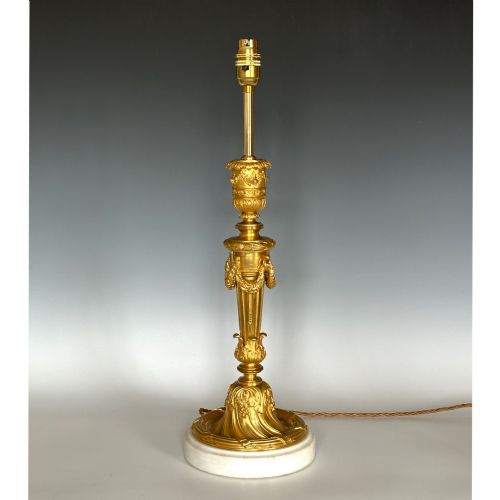
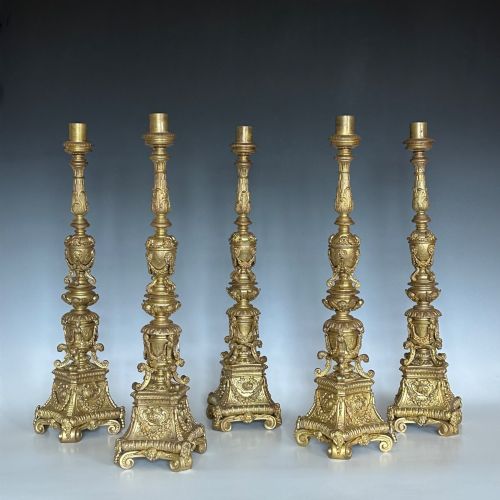
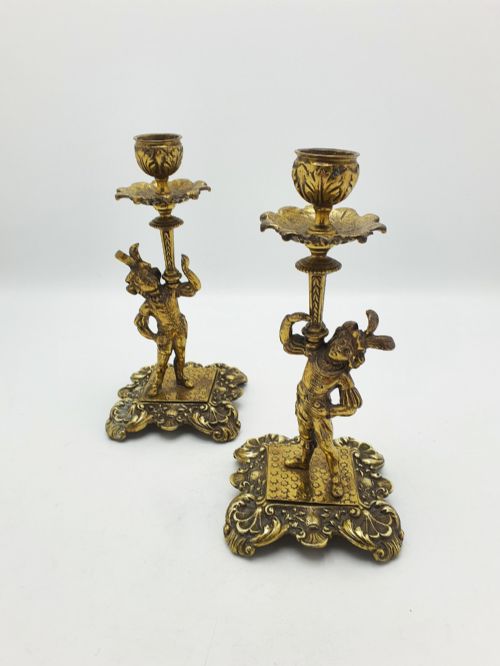
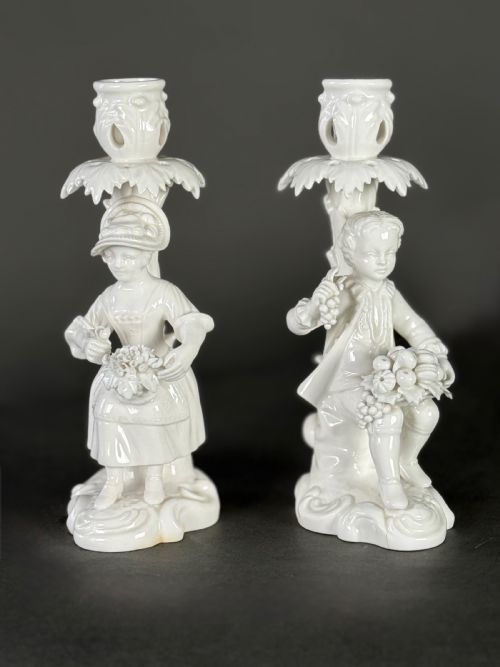
These antique rococo candlesticks bring elaborate asymmetry, scrolled motifs and organic forms to a room, drawing the eye with their ornate metalwork and porcelain modelling.
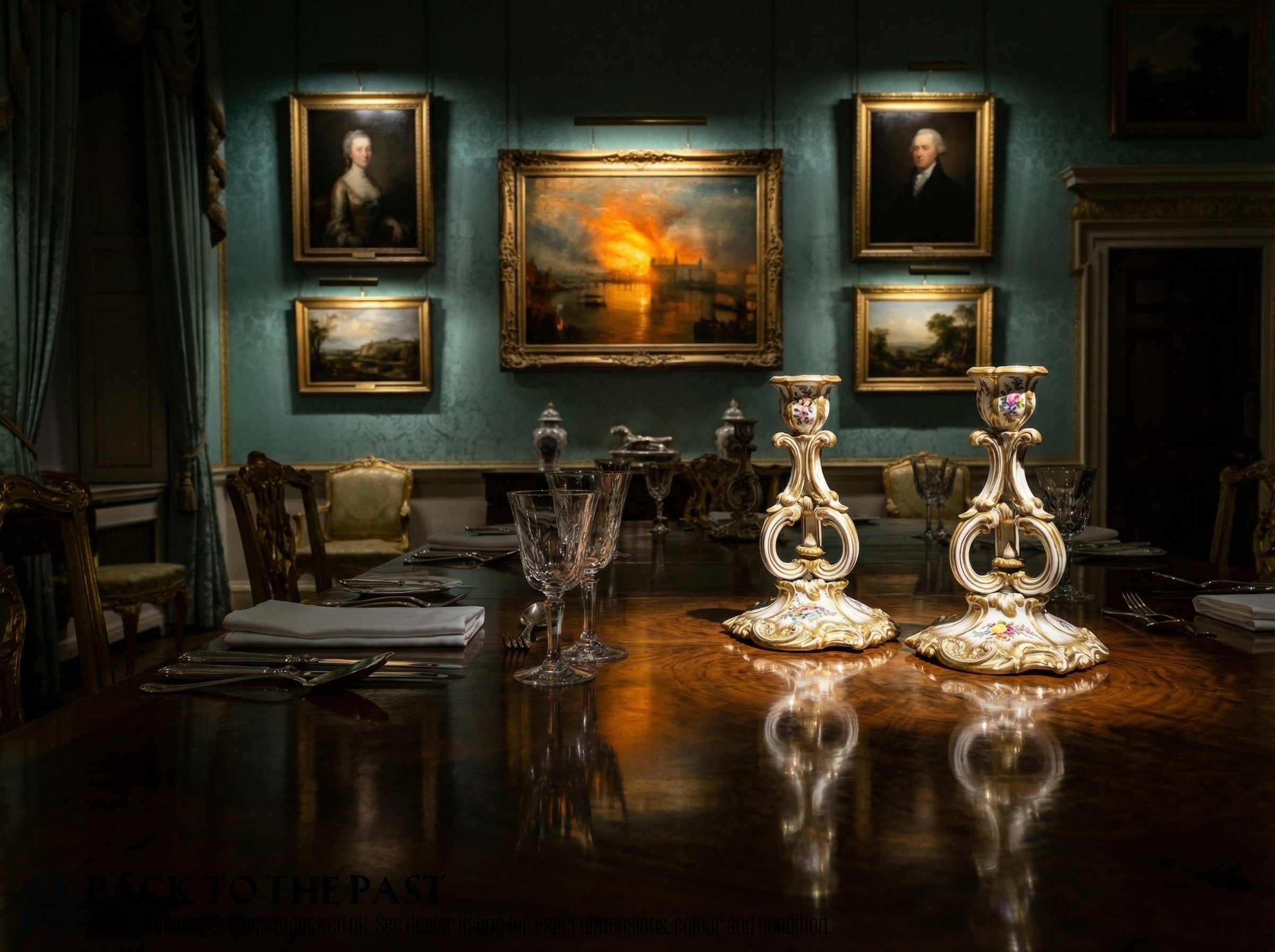
Antique Rococo Candlesticks
When you search for antique rococo candlesticks, you encounter a distinct design language characterised by C-scrolls, shell motifs and asymmetric floral elements that originated in the eighteenth century and saw robust revivals during the Victorian and Edwardian periods.
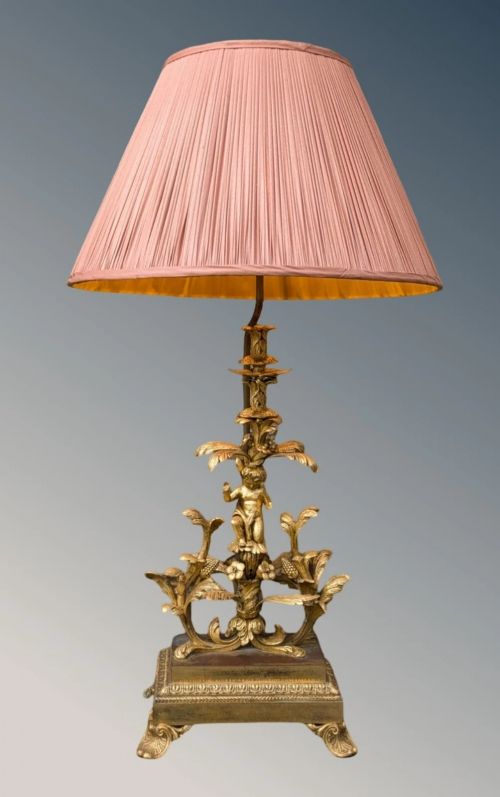
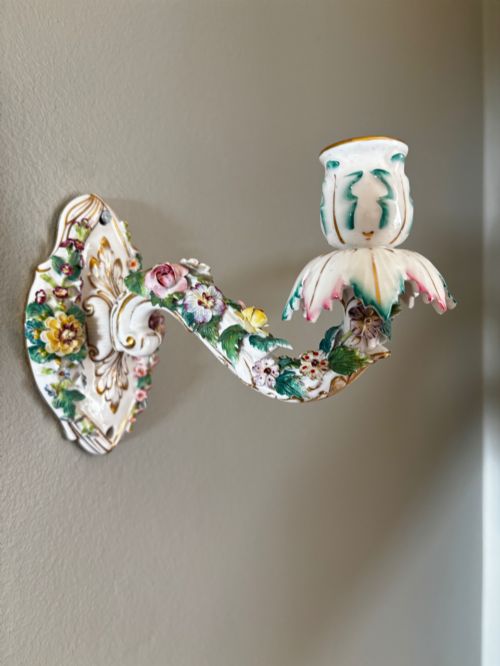
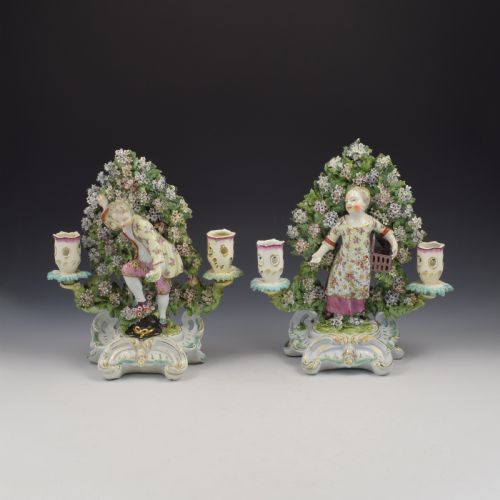
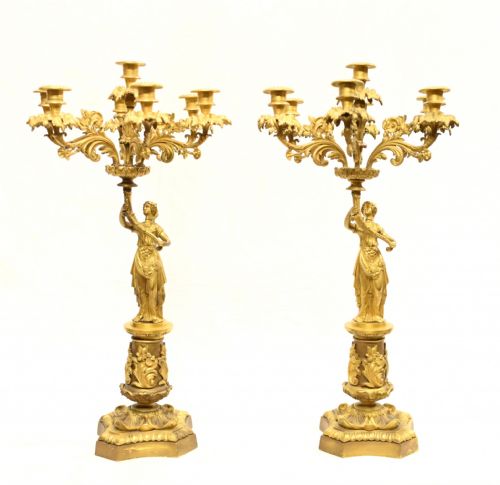
The objects appearing on this page extend beyond standard two-piece stems to include multi-branch candelabra, wall sconces, chambersticks and figural compositions modelled in porcelain or cast in metal.
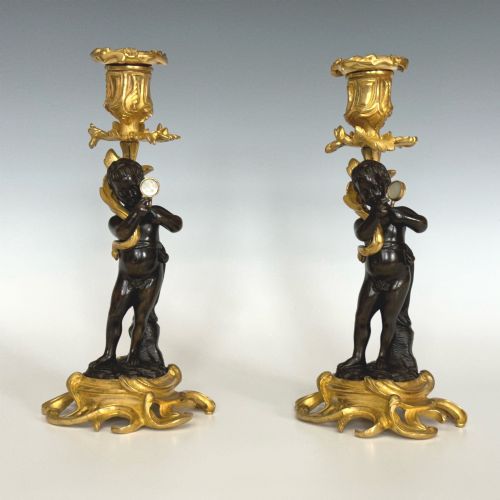
Examples range from eighteenth-century Georgian and Venetian work through to nineteenth-century French gilt bronze and British silver-plated productions, capturing the enduring appeal of Louis XV ornamentation.
Materials and construction
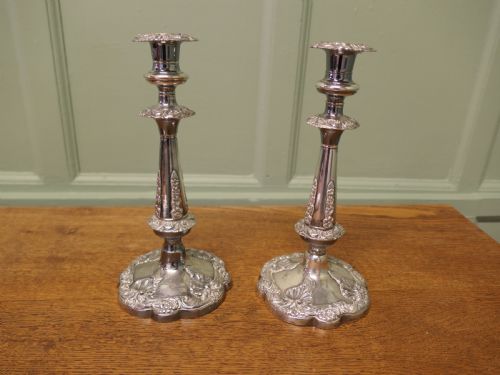
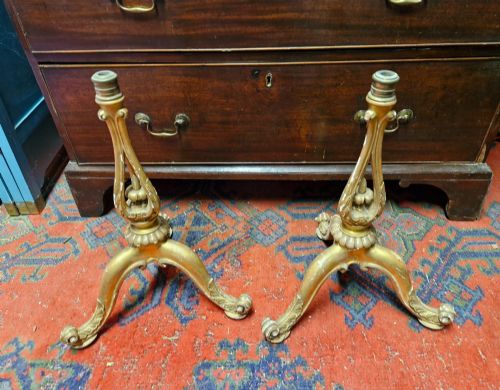
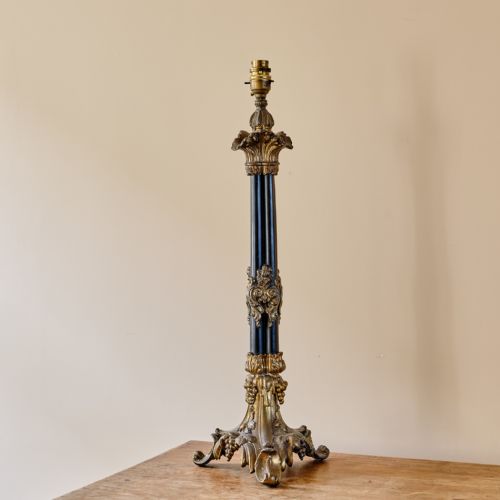
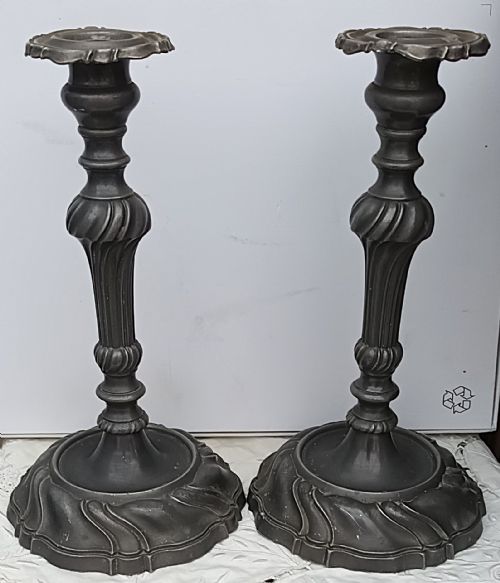
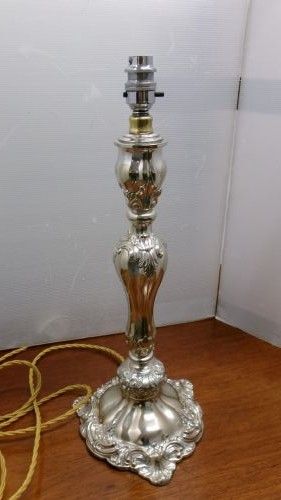
Metals form the core of these items, with gilt bronze, ormolu, brass and silver plate cast and chased to achieve the characteristic fluid, scrolling contours of the style.
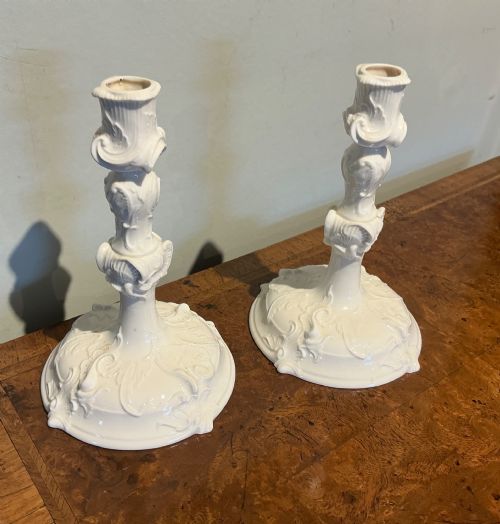
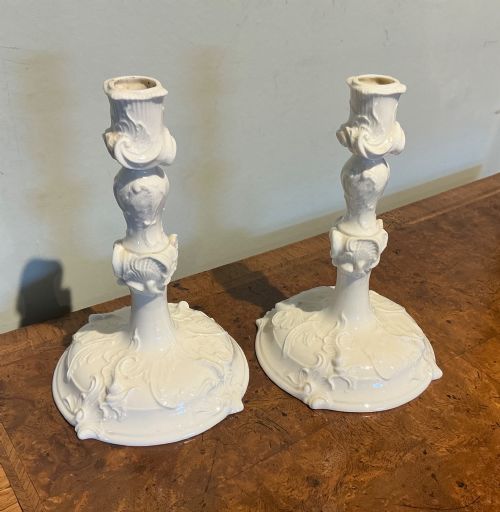
Porcelain variants utilise hard paste bodies, often incorporating detailed bocage work - applied foliage and floral backdrops - alongside hand-painted glazes for figures and allegorical subjects.
Some pieces combine materials by mounting bronze or ormolu figures onto marble bases or incorporating enamel details into the metal stems.
Listings feature items spanning from the mid-eighteenth century through to the early twentieth century, incorporating both metal castings and ceramic figures.
Evaluating craftsmanship and execution
Quality reveals itself in the crispness of the chasing on metalwork, where sharper relief and deeper undercut details separate superior castings from softer, commercially mass-produced alternatives.
In porcelain examples, the intricacy of the applied bocage and the finesse of the hand-painting determine the refinement of the piece, distinguishing master factory output from simpler ceramic work.
John Cafe·Smith & Sissons & Co·Nymphenburg·Meissen·Derby·Volkstedt·Chelsea
The Antique Rococo Candlesticks Glossary
- Ormolu
- Gilt bronze produced by applying a finely ground high-carat gold mercury amalgam to a bronze casting, then heating to vaporise the mercury. This technique creates a durable, warm golden surface finish found on French and English pieces.
- Bocage
- An openwork background of applied leaves, branches and flowers made of porcelain. It commonly frames figures on eighteenth-century ceramic candlesticks.
- Candelabra
- A multi-branched lighting device holding several candles simultaneously. Many examples feature detachable branches that allow them to function as single candlesticks.
- Chamberstick
- A low candlestick fitted with a saucer base and a handle, designed for carrying bedroom illumination safely. They frequently include a matching conical snuffer.
- Baluster
- An architectural column shape with a swollen lower portion tapering upward. This profile appears frequently on the stems of metal and silver-plated examples.
Antique Rococo Candlesticks: Frequently Asked Questions
How do I date a pair of rococo revival pieces?
Dating relies on examining the weight, casting marks, base construction and wear patterns on the underside of the metal or porcelain.
While the underlying design mimics eighteenth-century French aesthetics, manufacturing techniques, screw threads and silver-plating methods often point toward nineteenth-century revival periods.
Can these items be used with modern candles?
Most antique sockets accommodate standard taper candles, though slight variations in nineteenth-century dimensions can mean modern candles require minor trimming at the base.
Using fitted beeswax or dripless tapers helps protect delicate gilt surfaces and porcelain stems from hot wax run.
How should I clean gilt bronze and ormolu?
Cleaning requires only gentle dusting with a soft, dry brush to remove particles from the recessed scrolls and chased details.
Harsh chemical polishes must be avoided entirely, as abrasive substances strip away the delicate gold leaf or mercury gilding.