



Antique Purdonium Coal Scuttle
An antique purdonium coal scuttle keeps hearth fuel close to the fire while hiding soot and dust inside a proper Victorian or Edwardian cabinet.
Antique Purdonium Coal Scuttle
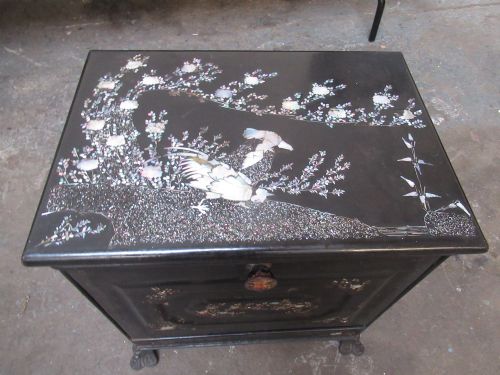
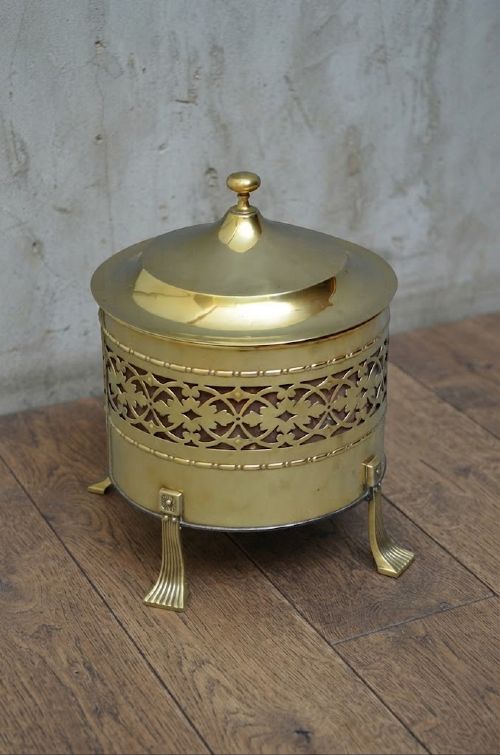
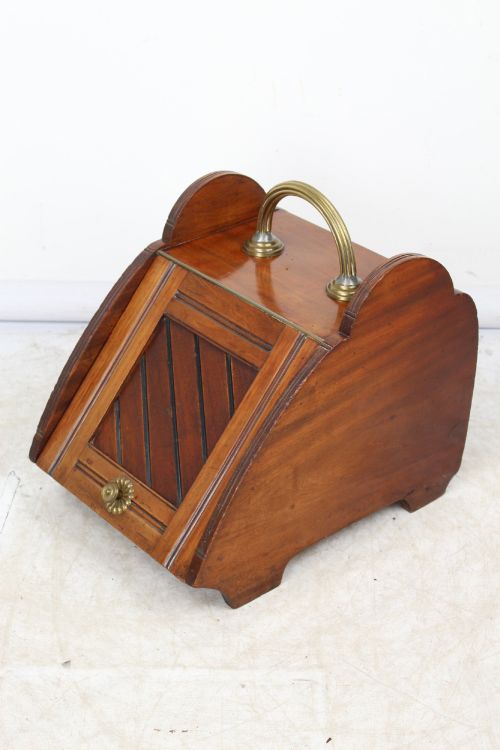
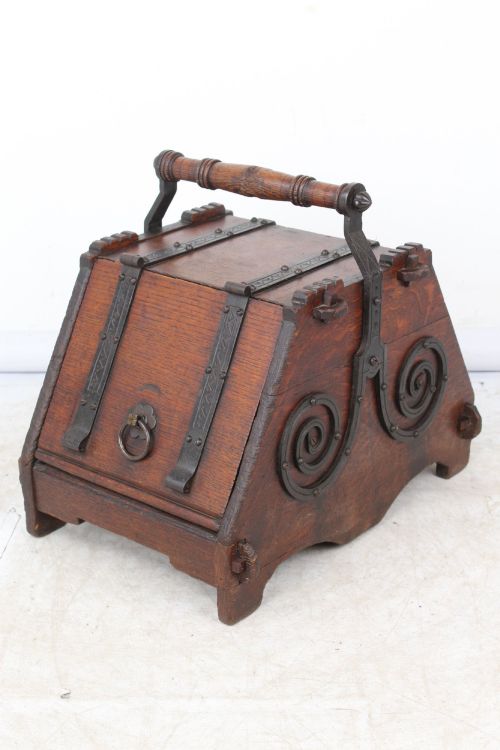
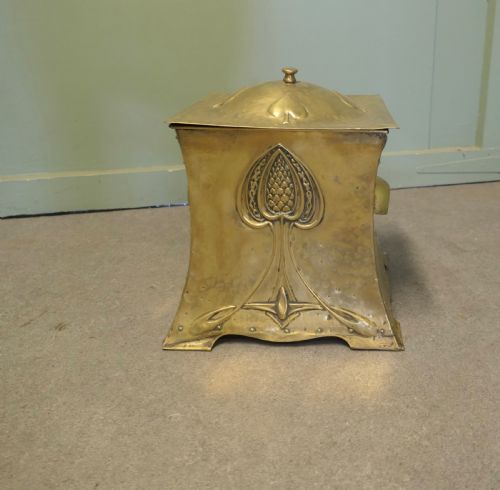
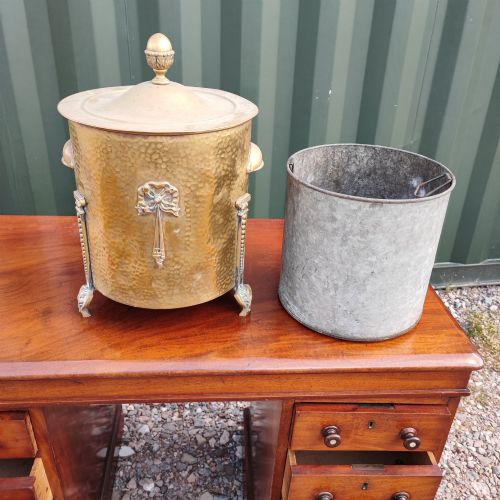
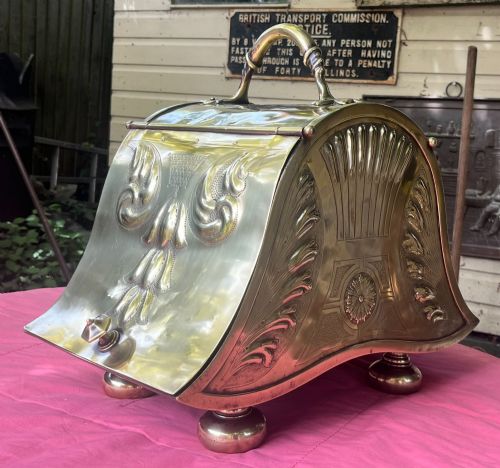
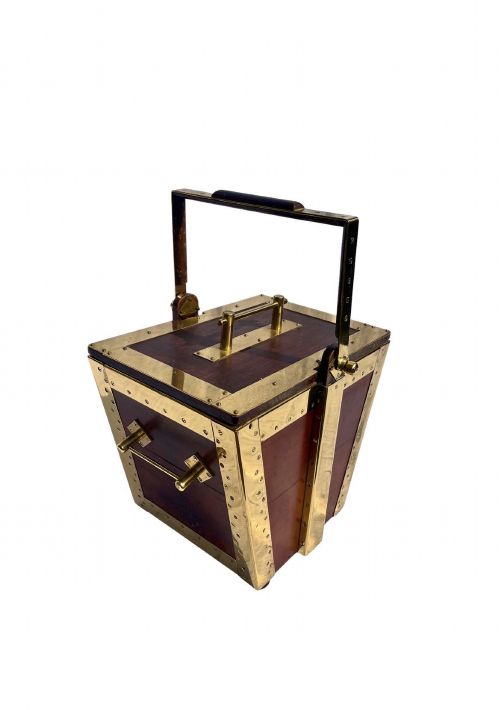
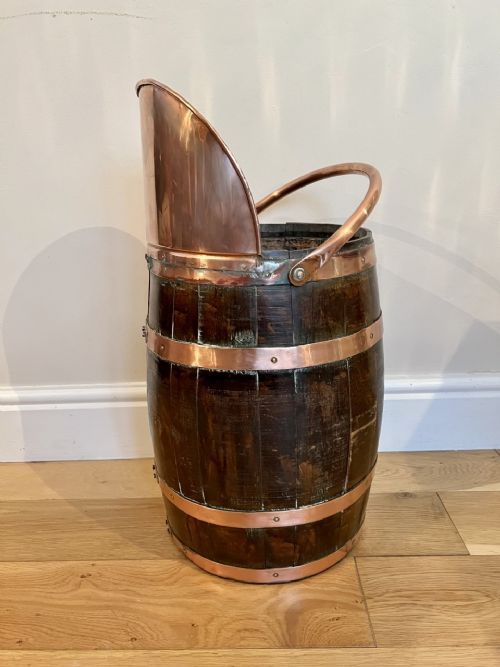
An antique purdonium coal scuttle is a dedicated fireside cabinet or scuttle designed to store household coal beside the fireplace. These pieces range from upright drop-front boxes to traditional brass buckets and scuttles.
You will most frequently meet Victorian and Edwardian examples fashioned from oak, walnut, mahogany, or heavy brass. Many retain their original metal liners and matching shovels for handling fuel.
How they were made
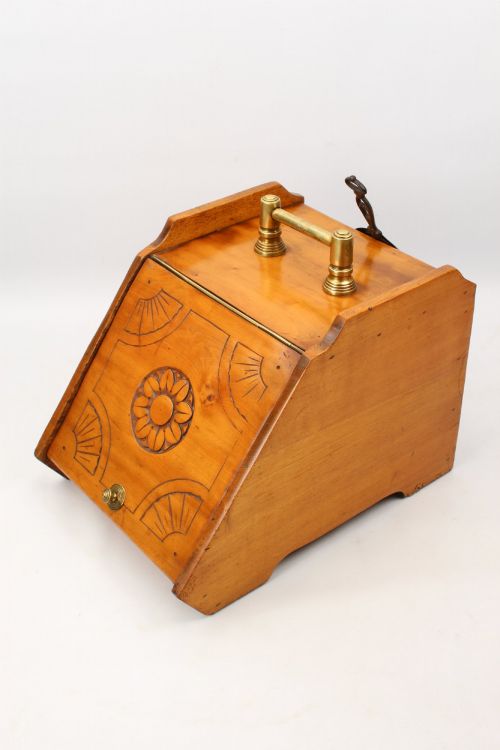
Cabinet versions utilise solid timbers and veneers like oak, walnut, and mahogany, often featuring carved panels, inlaid banding, or drop-front doors. Metal iterations combine sheet brass and copper with iron handles and hinges.
Interior storage relies on removable tin or metal liners designed to catch coal dust and prevent fuel debris from soiling the wooden framework.
The listings show materials spanning brass, oak, mahogany, copper, iron, walnut, and rosewood across Victorian and Edwardian periods.
What varies in quality
Construction methods and timber selection set better examples apart from standard utility bins, with sturdy dovetail joinery and thick cabinet timbers marking superior work. Decorative details such as intricate brass mounts, hand-carved woodwork, and intact liners elevate a piece.
Maker attribution and stylistic adherence to Arts and Crafts, Art Nouveau, or Gothic Revival designs also influence the standing of an individual box.
Christopher Dresser·Benham & Froud·William Soutter & Sons
The Antique Purdonium Coal Scuttle Glossary
- Purdonium
- A specialised coal cabinet featuring a drop-down front or tilt mechanism to dispense fuel. This Victorian invention kept messy coal contained within a tidy domestic piece.
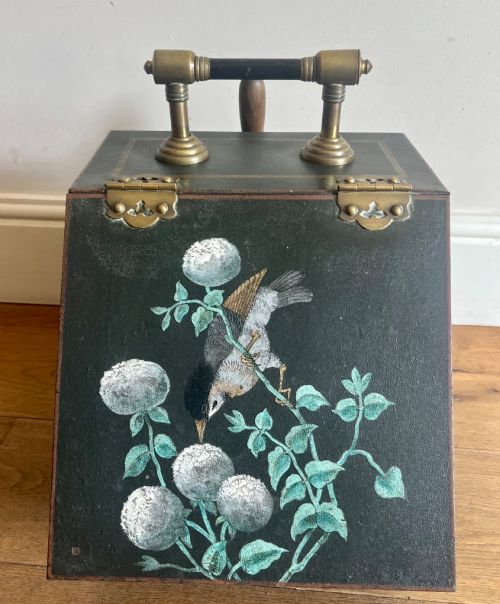
- Tole ware
- Lacquered or enamelled metalware often decorated with painted designs. These items brought colourful or unusual finishes to fireside accessories.
- Metal liner
- A removable internal bucket made of galvanized iron or zinc. It protected the wooden exterior from moisture and coal dust.
- Fretwork
- Openwork ornamentation cut from thin wood or metal. This technique added decorative ventilation or lighter visual weight to cabinet panels.
- Drop-front cabinet
- A storage box with a hinged front panel that tilts forward for access. It allowed easy scooping of coal without opening a traditional lid.
Antique Purdonium Coal Scuttle: Frequently Asked Questions
How do you use a purdonium?
A purdonium stores coal inside a living room or parlour while keeping dust off the floor. You open the drop-front door or tilt the box to access the removable metal liner.
The matching shovel allows you to transfer fuel directly to the grate without spilling debris. When closed, the cabinet hides the fuel entirely from view.
Are original liners important?
Original metal liners matter because they were made specifically to fit the internal dimensions of each cabinet or bucket. Finding one intact preserves the utility of the piece.
Without a liner, coal dust and small fragments would contact the wood directly and cause staining over time.
What is the difference between a scuttle and a purdonium?
A coal scuttle is typically an open bucket or hod with a handle, designed for carrying fuel from an outside store. A purdonium is an enclosed cabinet built to sit permanently by the hearth.
Purdoniums conceal the coal behind a door or flap, making them suitable for formal Victorian and Edwardian reception rooms.
How do I date a coal box?
Dating relies on the prevailing timber choices, decorative styles, and construction methods of the piece. Victorian examples often feature heavy carvings or Gothic and walnut elements.
Edwardian pieces frequently showcase lighter rosewood or oak with inlaid motifs, alongside Art Nouveau influences. Maker marks on brass fittings also help establish an approximate decade.