



Antique Fireside Purdonium
An antique fireside purdonium brings heavy timber and polished metal to the hearth, serving as a dedicated house for solid fuel beside an open fire.
Antique Fireside Purdonium
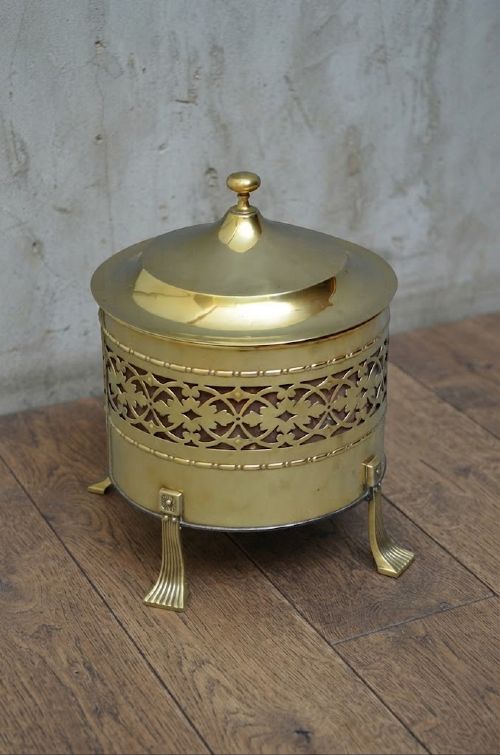
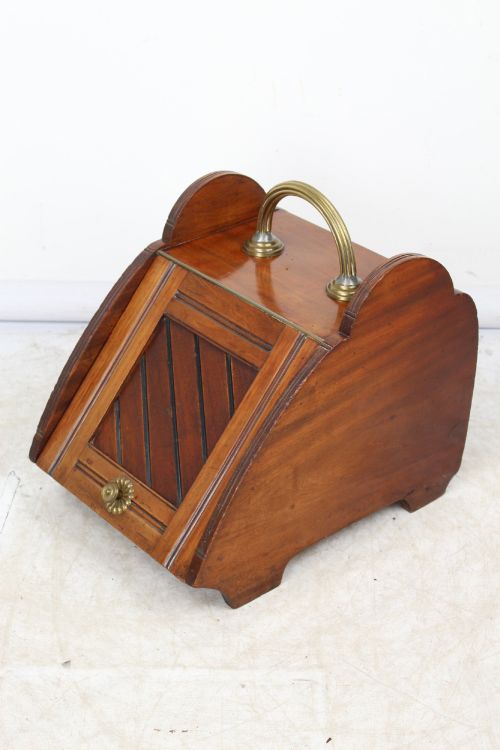
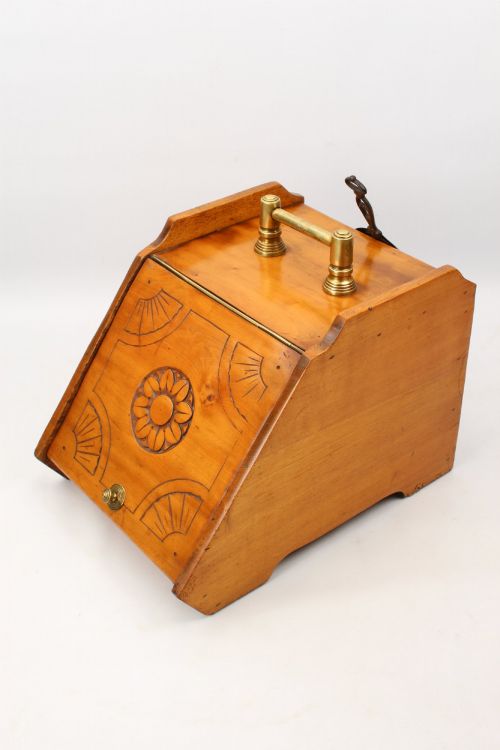
An antique fireside purdonium is a specialised fireside cabinet or drop-front box designed to store coal, logs, and kindling near the hearth. Most examples encountered here date from the Victorian and Edwardian periods, taking the form of upright wooden cabinets with interior metal liners or freestanding metal buckets.
Makers fashioned these utilitarian items to sit in formal drawing rooms, constructing them with hinged lids, fall-front doors, and matching metal shovels. The phrase encompasses various fuel-holding vessels, including coal boxes, scuttles, and purdonium cabinets made across the nineteenth and early twentieth centuries.
Materials and construction
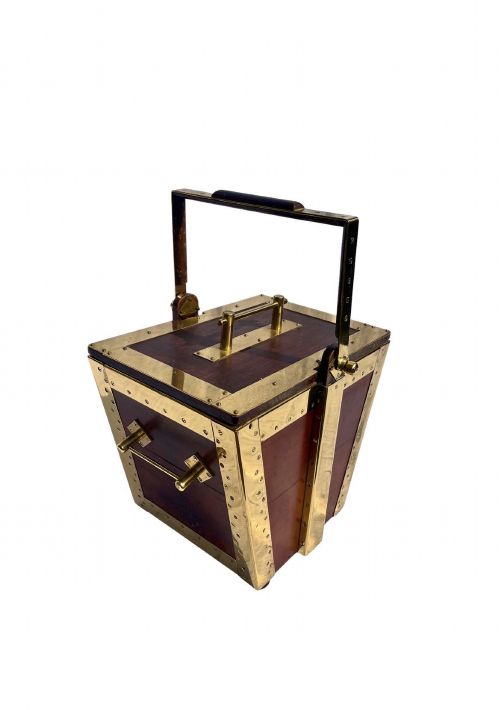
Cabinetmakers utilised dense timbers such as mahogany, oak, walnut, and rosewood, frequently incorporating brass handles, hinges, and ormolu mounts. Many wooden purdoniums feature inlaid panels, carved details, and drop-front mechanisms designed to tip forward for easy coal retrieval.
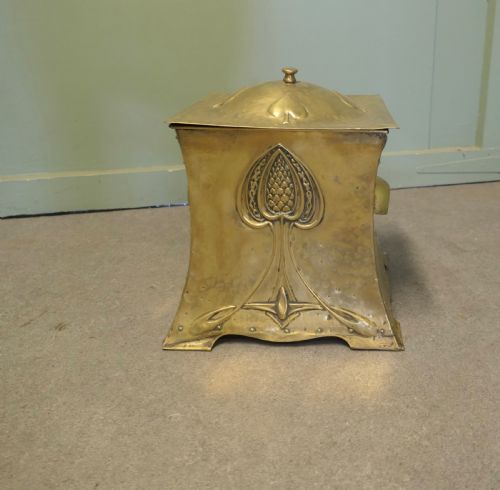
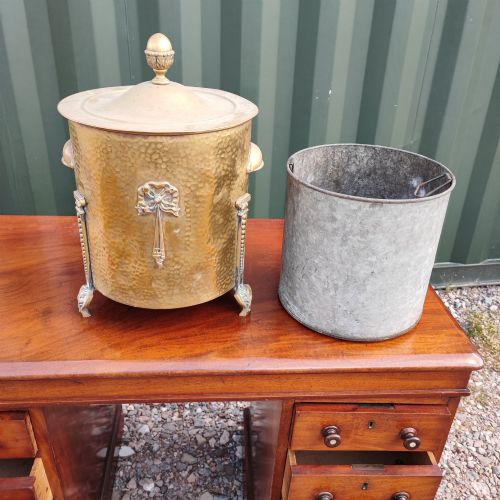
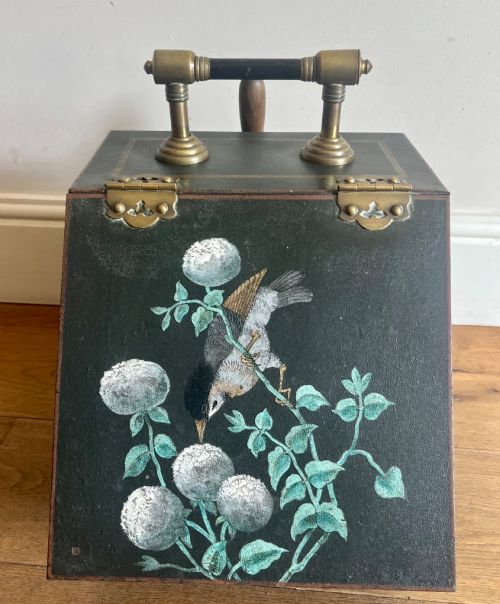
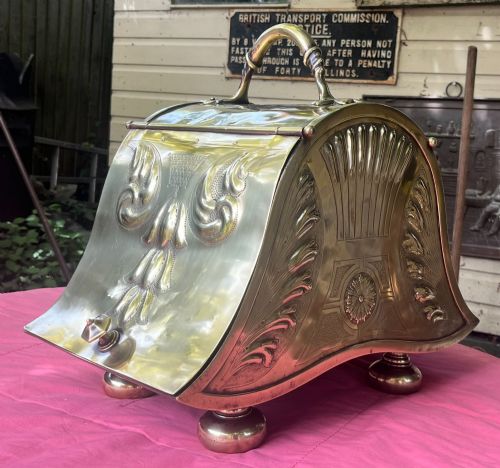
Metal versions rely on heavy gauge brass, copper, iron, and toleware, often shaped into buckets or bins with swing handles. Interiors routinely contain removable tin or zinc liners to catch coal dust and prevent moisture from damaging the surrounding woodwork.
The archive shows a strong presence of Scottish and English workshops producing walnut and oak fuel cabinets throughout the nineteenth century.
Distinctions in quality
Quality rests on the weight of the timber and the solidity of the metal fittings rather than surface decoration alone. Superior cabinets display tight joinery, figured wood grains such as pollard oak or burr walnut, and thick cast brass handles that endure daily lifting.
Lower quality pieces rely on thin veneers over secondary woods and flimsy sheet metal liners that warp with heat and moisture. The presence of the original shovel and an intact, matching metal liner elevates the integrity of a piece.
William Soutter And Sons
The Antique Fireside Purdonium Glossary
- Purdonium
- A specific type of coal cabinet featuring a sloping front or drop-down door designed for domestic hearths. The term gained popularity during the Victorian era for refined fuel storage.
- Toleware
- Lacquered or enamelled sheet metal items produced in various colours. This durable finish protected iron and tin objects from corrosion near damp hearths.
- Ormolu
- Cast bronze furnishings treated with a gold-coloured metallic coating. Makers applied these decorative mounts to luxury cabinets to reflect firelight.
- Pollard oak
- Timber taken from trees that were pollarded, yielding a distinctive knotty and clustered grain pattern. Cabinetmakers prized this wood for decorative fronts.
Antique Fireside Purdonium: Frequently Asked Questions
How did a purdonium differ from a coal scuttle?
A purdonium is typically an enclosed wooden cabinet with a hinged lid or drop-front mechanism that hides the fuel completely from view. It functions as a piece of furniture matching other drawing room tables and sideboards.
By contrast, a coal scuttle is generally an open metal bucket or hod with a fixed or swing handle. Scuttles are meant for carrying coal from an outdoor bunker directly to the hearth rather than permanent indoor display.
What was the metal liner used for?
The removable metal liner sat inside the wooden purdonium cabinet to hold the raw coal or logs safely. This zinc or tin insert protected the delicate interior wood from scratches, moisture, and coal dust.
When the fuel ran low, the user could lift the entire liner out to empty debris or replenish the supply without moving the heavy wooden cabinet.
How do I date an oak purdonium?
Dating relies on observing the prevailing aesthetic styles and construction methods visible in the woodwork and hardware. Pieces featuring heavy carved oak and deep mouldings often point towards the earlier Victorian decades.
Examples exhibiting slender proportions, inlaid motifs, or sweeping curves usually align with the Arts and Crafts movement or later Edwardian production.
Can I still burn coal in these bins?
Modern users generally repurpose these pieces for storing fireplace logs, kindling, or even blankets rather than dusty house coal. The aged interior liners can handle dry wood effectively, though retaining moisture inside antique metal should be avoided to prevent rust.
Placing logs inside a polished brass or inlaid mahogany cabinet adds warmth and functional storage to a working hearth.