
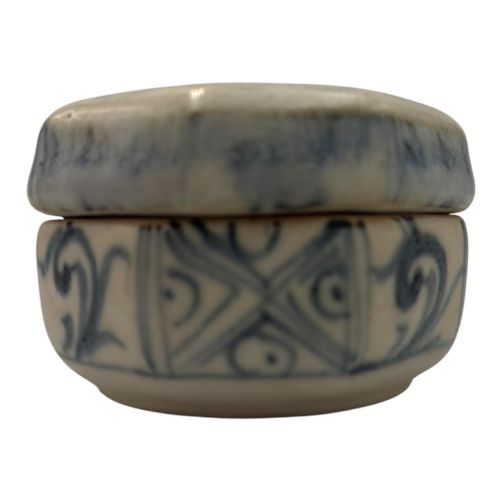
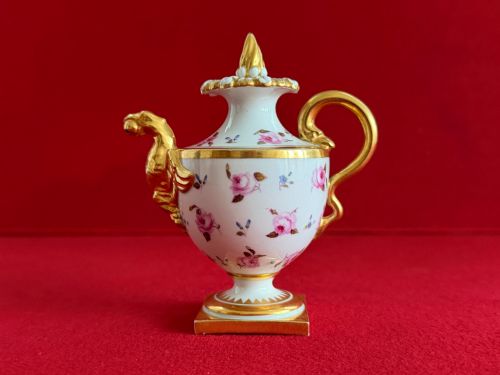
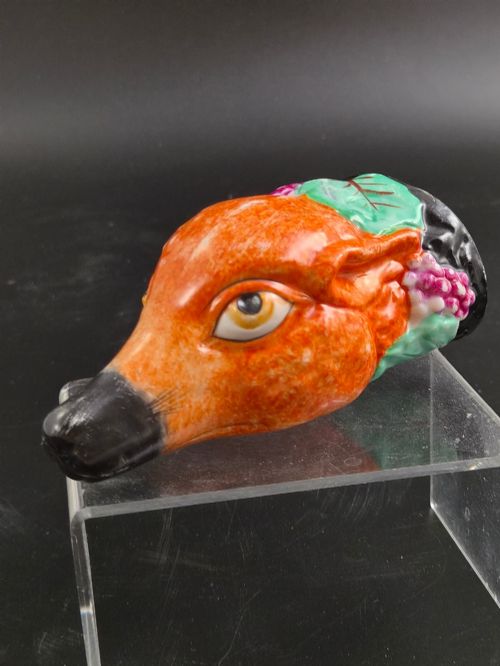
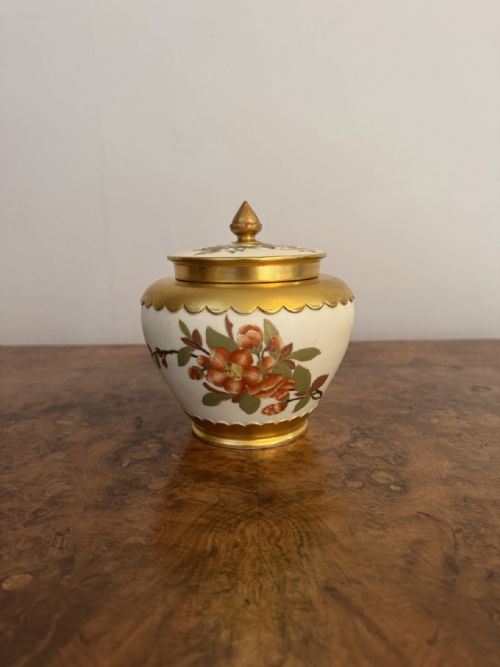

Antique Porcelain Vessel
An antique porcelain vessel brings centuries of master craftsmanship into a room, offering functional beauty through enduring ceramic forms.
Antique Porcelain Vessel
When you search for an antique porcelain vessel, you explore a diverse range of objects designed for display, storage, or ritual use across global traditions. These pieces span centuries of ceramic artistry, originating from European manufactories and Asian kilns alike.
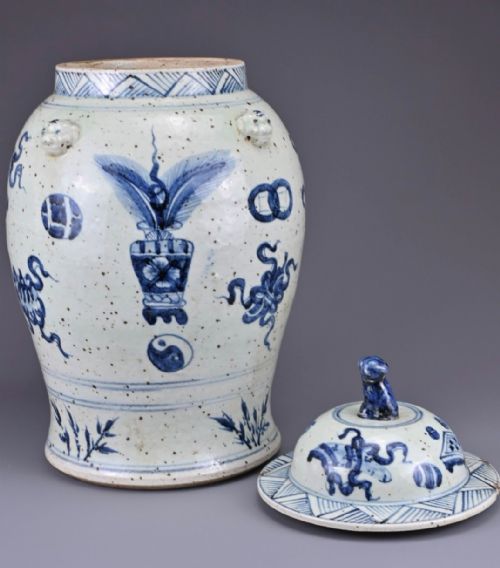
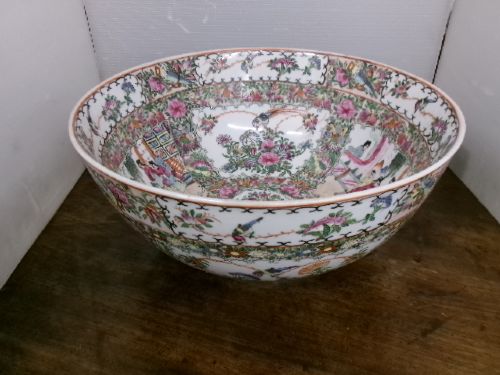
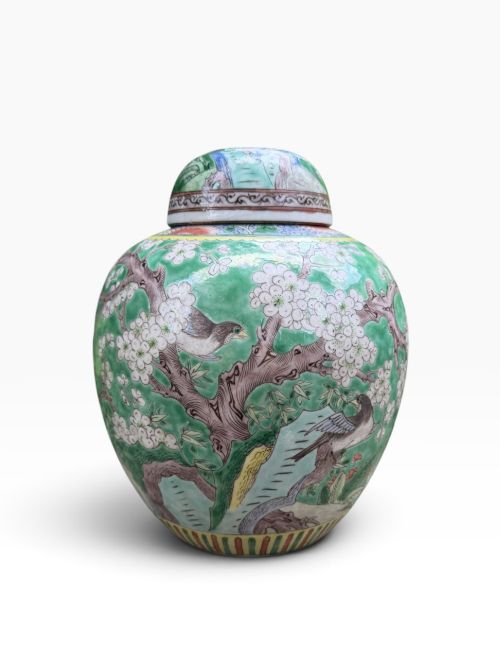
The selections available here most frequently include vases, ginger jars, brush pots, and decorative bowls from the eighteenth, nineteenth, and early twentieth centuries. Each form reflects the specific domestic or ceremonial practices of its era of production.
How they were made
Potters shaped fine clay bodies on wheels or in moulds before applying mineral-based pigments such as cobalt underglaze for vibrant blue designs. Artisans then coated the hardened pieces in liquid glaze and fired them in high-temperature kilns to achieve a vitrified, glassy surface.
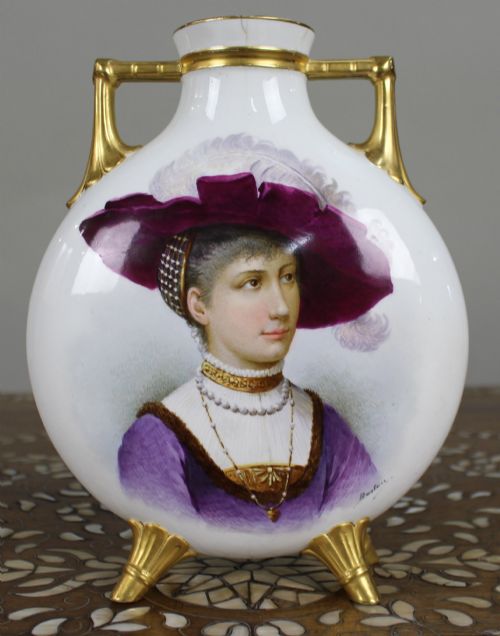
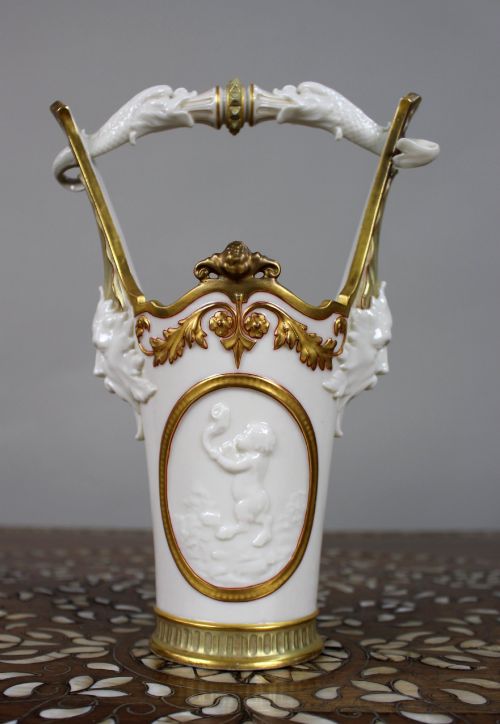
Many items received secondary decoration through enamel painting, gold leaf application, or intricate gilding, followed by low-temperature fixing kilns to bond the metallic details permanently to the ceramic body.
Antique Porcelain Vessel Retail Price Guide 2026
Typical asking prices for porcelain vessel among the pieces listed under this phrase on Sellingantiques today, from the lower quarter to the upper quarter. They describe what is for sale here now, not the wider market.
The listings feature pieces from seventeenth-century China through to twentieth-century Europe, utilising materials like cobalt underglaze, gold leaf, and earthenware.
What varies in quality
The excellence of an antique porcelain vessel rests on the precision of its potting, the clarity of its glaze, and the skill demonstrated in its hand-painted decoration. Superior examples display balanced proportions, crisp brushwork without pigment bleeding, and controlled kiln temperatures that prevent warping or blistering.
Provenance and signature marks also separate standard production wares from exceptional studio creations or imperial commissions. The crispness of moulded details and the careful integration of applied elements like handles or feet reveal the tier of the workshop.
Flight Barr And Barr·Royal Worcester·Bloor Derby·Spode·Helena Wolfsohn·Reissner Stellmacher And Kessel
The Antique Porcelain Vessel Glossary
- Celadon
- A traditional green or grey-green glaze developed in East Asia, characterised by its thick, jade-like appearance over a pale ceramic body. This finish mimics the qualities of carved jade.
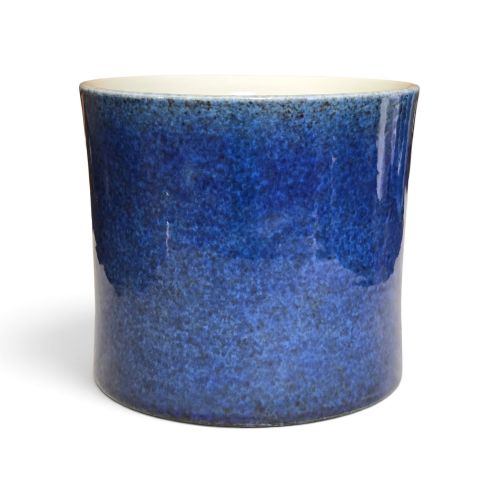
- Bitong
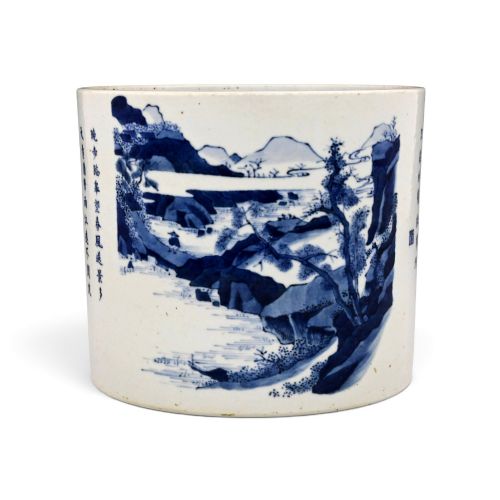
- A cylindrical scholar's brush pot used in traditional Chinese studies to hold writing implements. These vessels are carved from porcelain, wood, or bamboo.
- Imari
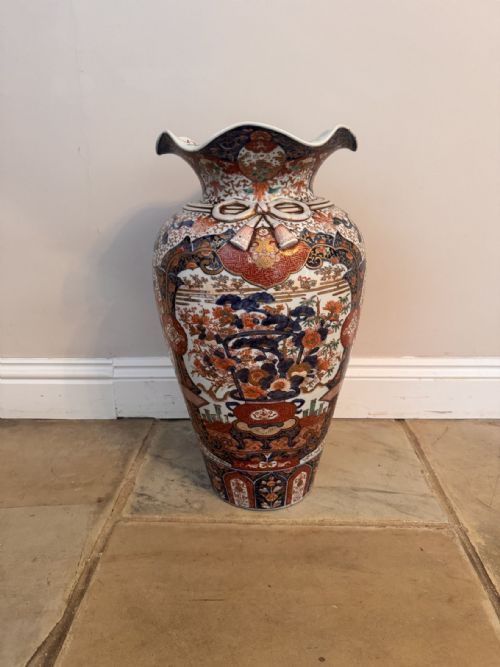
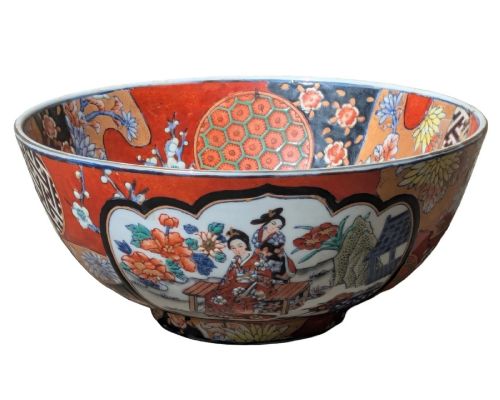
- A style of Japanese export porcelain featuring a distinctive palette of underglaze blue, iron red, and added gold highlights. The designs typically incorporate floral and brocade patterns.
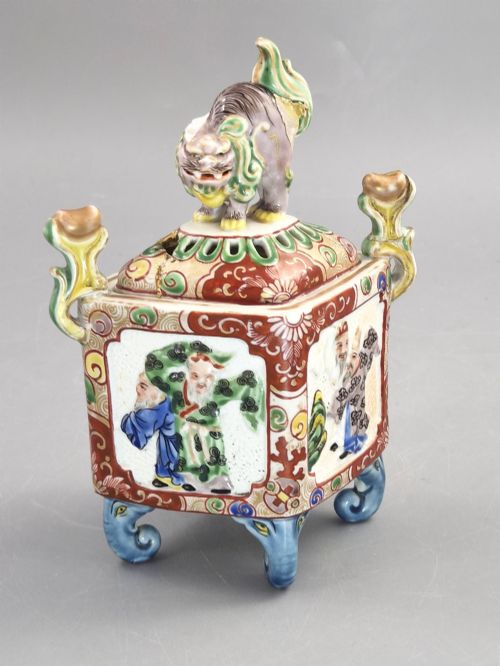
- Koro
- A traditional Japanese incense burner, usually supported on legs and fitted with a pierced cover to release fragrant smoke. They frequently feature mythical beast finials.
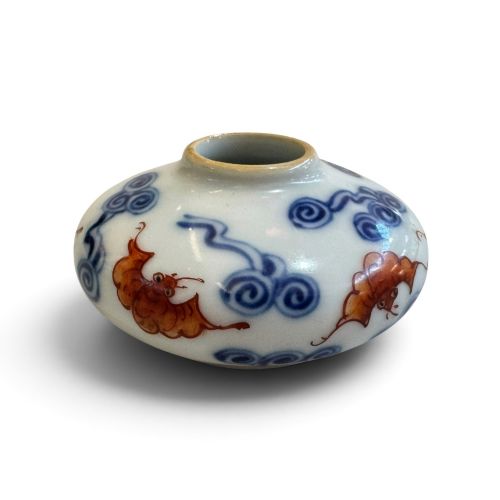
- Doucai
- A Chinese porcelain decoration technique combining underglaze blue outlines with overglaze enamel infills. The method requires multiple kiln firings to set the contrasting colours.
Antique Porcelain Vessel: Frequently Asked Questions
What is the difference between Chinese export and imperial porcelain?
Chinese export porcelain was produced specifically for Western markets, adapting traditional shapes and motifs to suit European tastes. These pieces often incorporated foreign coats of arms or familiar domestic scenes.
Imperial porcelain, by contrast, was created for the Chinese court under strict imperial supervision. These vessels utilised specific marks, high-grade materials, and restricted designs reserved for the emperor.
How can I identify Japanese Imari ware?
Japanese Imari porcelain is immediately recognised by its tripartite colour scheme of cobalt blue, iron red, and gold. The patterns often cover the entire surface densely with panels of flowers, rocks, and brocade motifs.
Originating from the Arita region, these sturdy ceramics were heavily exported to Europe from the seventeenth century onward. The paste is typically dense, white, and slightly greyish compared to later porcelain bodies.
Were brush pots used only for calligraphy brushes?
Scholar's brush pots, or bitong, were primarily designed to keep calligraphy brushes upright and organised on a scholar's desk. Their wide cylindrical mouths allowed multiple brushes of varying sizes to dry evenly after use.
Beyond their functional role, these vessels served as contemplative art objects in the scholar's studio. Carved scenes and subtle glazes provided aesthetic stimulation during quiet moments of study.