


Antique Porcelain Collectables
These antique porcelain collectables bring together centuries of European kiln craft, from Georgian cabinet plates to figures modelled in German and English workshops.
Antique Porcelain Collectables
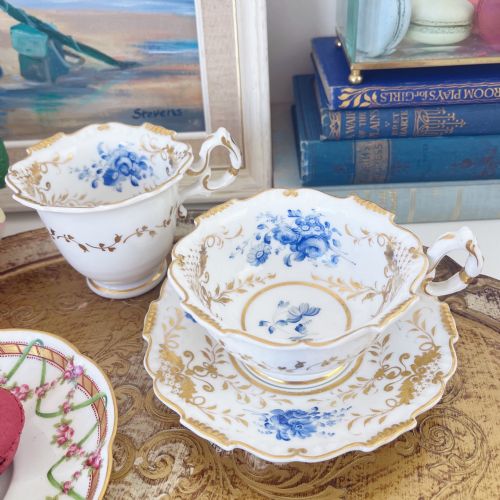
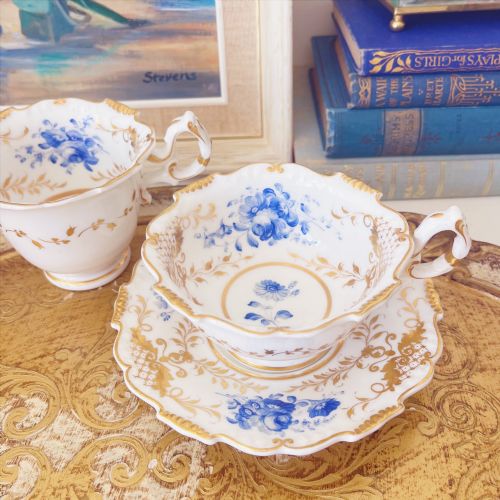
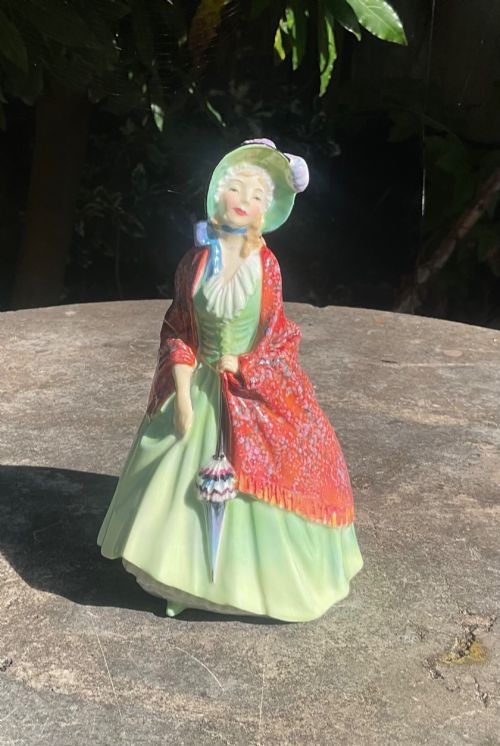
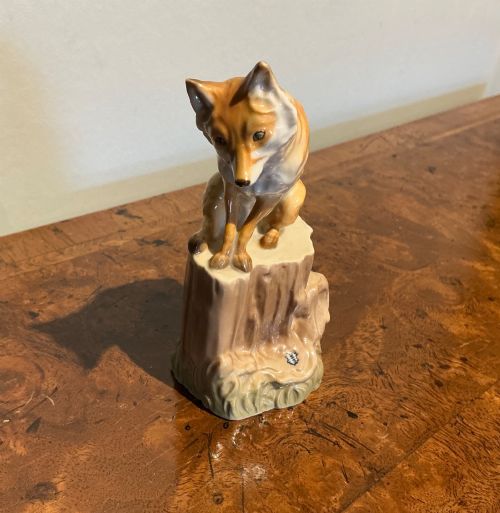
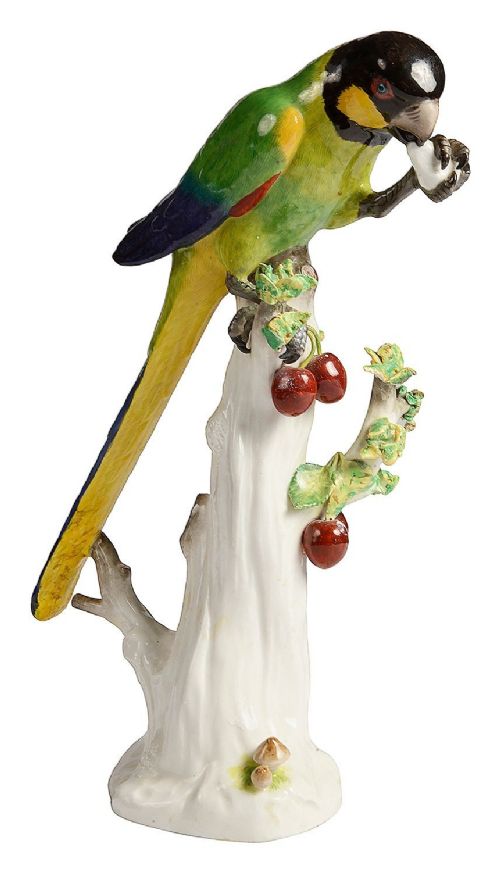
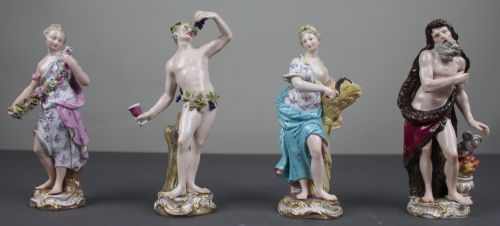
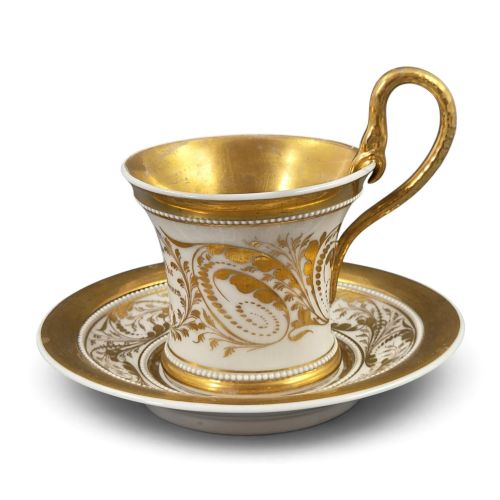
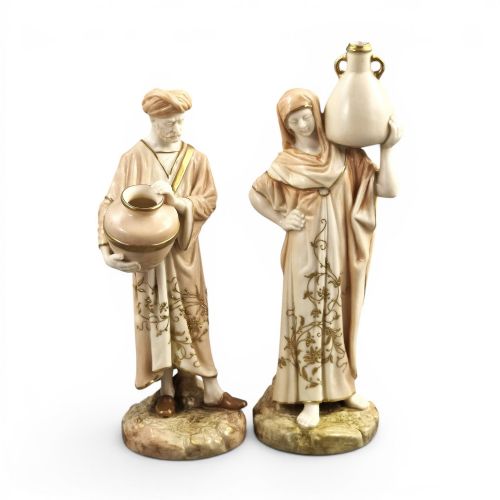
Antique porcelain collectables encompass a broad range of decorative objects, tablewares and figures produced across the eighteenth, nineteenth and early twentieth centuries. When exploring these listings, a buyer will encounter everything from cabinet plates and teacups to modelled animals and human figures.
The selection draws on diverse European manufacturing centres, featuring English porcelain alongside continental works from German and French factories. Pieces span multiple historical periods, reflecting the shifting tastes of Georgian, Victorian, Edwardian and Art Deco designers.
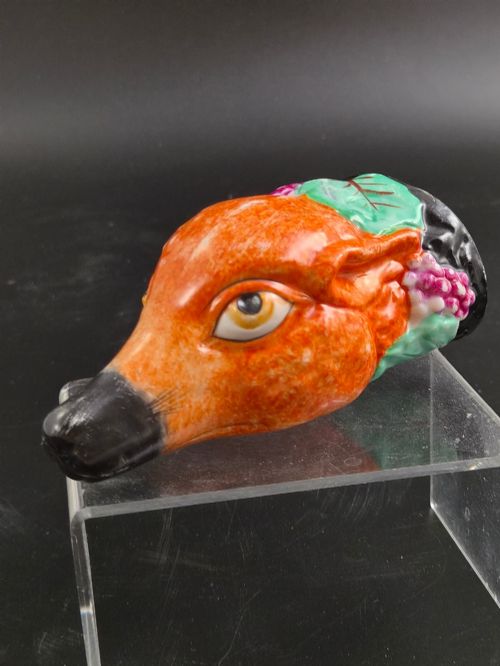
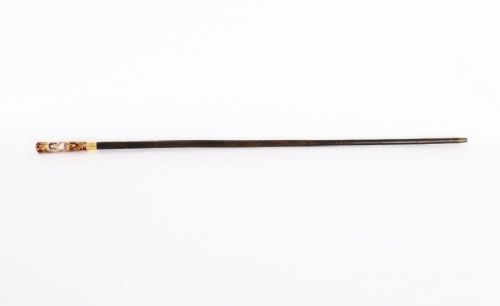
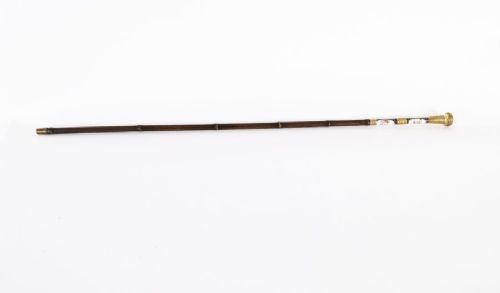
Functional items sit alongside purely decorative forms, including vases, bowls and walking stick mountings. Many examples preserve specific handpainted scenes or moulded details characteristic of their original kilns.
How they were made
Manufacturers shaped fine ceramic bodies using porcelain and bone china, often applying glazes to seal the surface before secondary firing. Many forms incorporate handpainted details executed with mineral pigments.
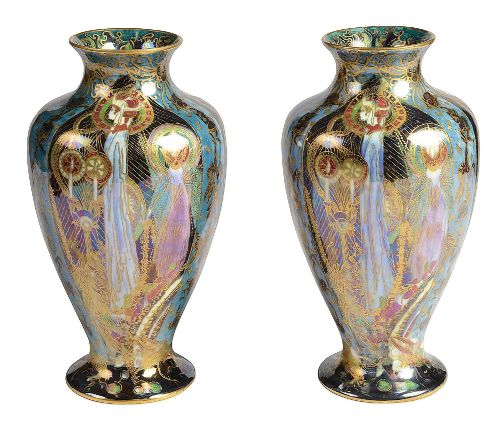
Decoration frequently includes gold leaf and gold gilding applied to rims, handles and illustrative panels. Specialised techniques such as lustre glazes create iridescent surfaces across specific decorative bowls and vases.
Some nineteenth century French walking sticks conceal functional porcelain flasks and sword blades beneath decorative handles.
What varies in quality
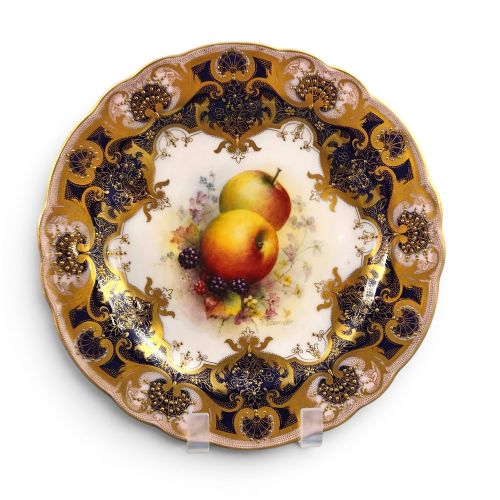
The standard of painting on porcelain collectables depends upon the skill of the individual artist employed by the factory. Handpainted scenes and delicate polychrome enamels distinguish superior cabinet plates and figures from simpler production wares.
H and R Daniel·Royal Doulton·Nymphenburg·Meissen·KPM Berlin·Wedgwood·Sevres·Royal Worcester·Staffordshire·Rockingham·Yates Leeds·Derby·Flight Barr and Barr·Samson of Paris·Cauldon Ltd·Longton Hall
The Antique Porcelain Collectables Glossary
- Cabinet plate
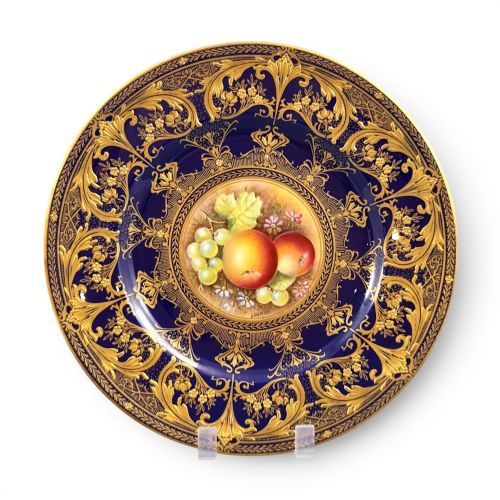
- A decorative plate intended for display in a cabinet rather than for table use. These typically feature intricate handpainted scenes by notable artists.
- Bone china
- A type of porcelain containing animal bone ash, producing a strong, milky-white body. It allowed potteries to create thinner, more delicate walls.
- Lustre
- A ceramic glaze containing metallic oxides that produce an iridescent sheen when fired. It creates a reflective, rainbow-like surface effect.
- Gilding
- The application of gold leaf or powdered gold to ceramic surfaces. This finish is often fired onto the piece to highlight rims and handles.
Antique Porcelain Collectables: Frequently Asked Questions
How do I identify eighteenth century porcelain?
Eighteenth century pieces often display specific factory marks, unglazed foot rims, and hand-mixed paste variations. Close examination of the glaze pooling reveals the age of the piece.
Studying contemporary kiln records helps confirm the exact period of manufacture. Painters used distinctive mineral palettes tied to specific decades.
What is a cabinet plate?
Cabinet plates were created specifically for visual display in parlours and drawing rooms rather than for dining. They usually feature elaborate painted scenes.
These items highlight the pinnacle of a pottery's artistic output. Wealthy households stored them in glass-fronted furniture.
How should I clean porcelain collectables?
Dust porcelain items gently using a soft, dry brush to avoid scratching the glaze or wearing down gilded edges. Avoid harsh modern cleaning agents.
Wash pieces only when necessary using lukewarm water and mild soap. Dry them immediately with a soft cloth.
What distinguishes bone china from standard porcelain?
Bone china incorporates calcined bone ash into the clay mixture, which alters the vitrification process during firing. This results in a warmer, translucent white body.
Traditional continental porcelain relied on petuntse and kaolin without bone ash. English potteries popularised the bone china recipe to achieve greater durability.