



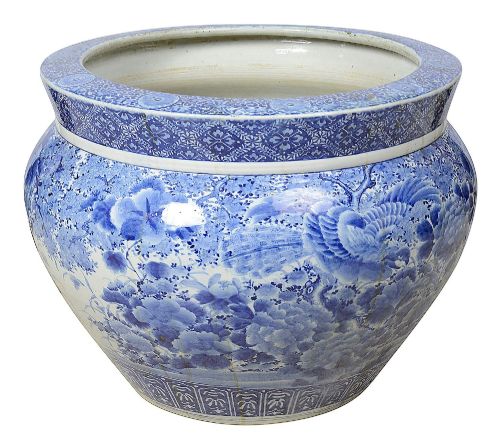


Antique Porcelain Cachepot
An antique porcelain cachepot brings botanical elegance indoors, housing potted plants inside decorative ceramic vessels shaped across the eighteenth, nineteenth, and twentieth centuries.
Antique Porcelain Cachepot
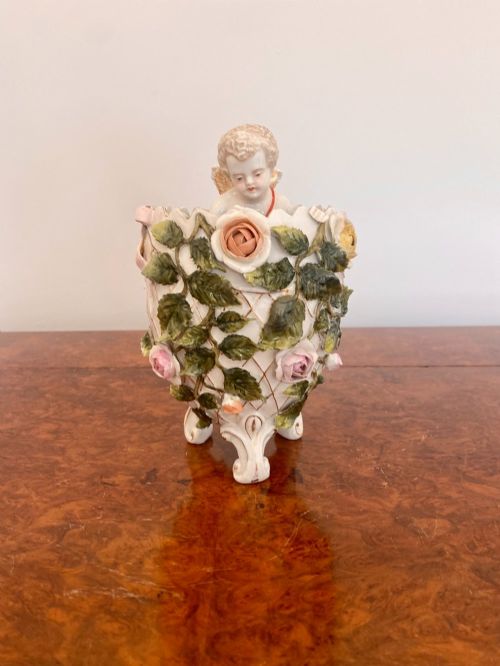
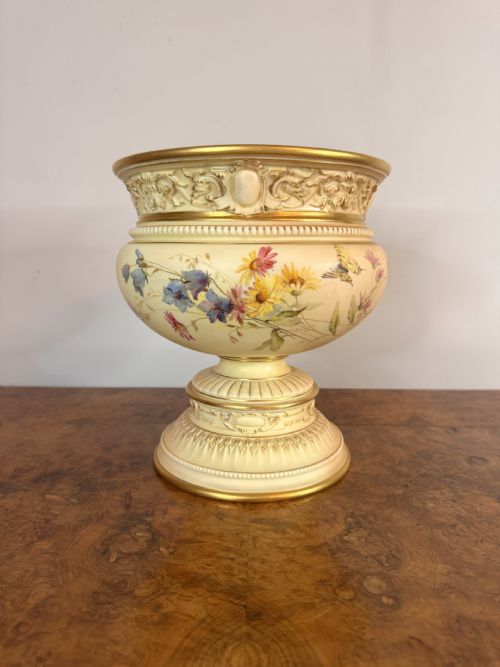
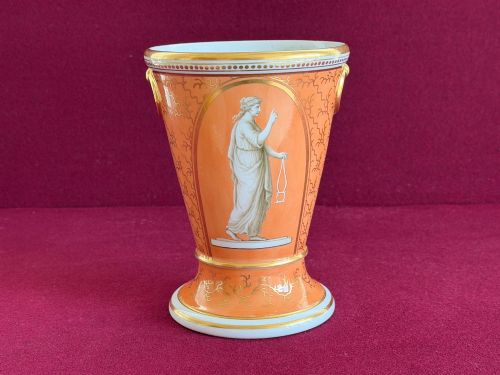
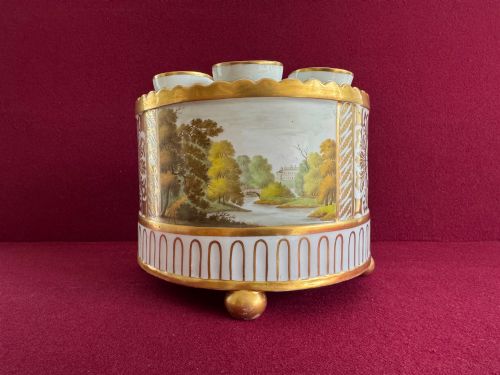
An antique porcelain cachepot serves as a decorative outer container designed to conceal plain flower pots inside the home. Buyers encounter these vessels under various historical designations, including jardinières, flower pots, bough pots, and planters.
The selection ranges from eighteenth-century English and Japanese pieces to nineteenth-century French, German, and Chinese examples. Most pieces date from the nineteenth century, reflecting periods such as the Georgian, Victorian, and Meiji eras.
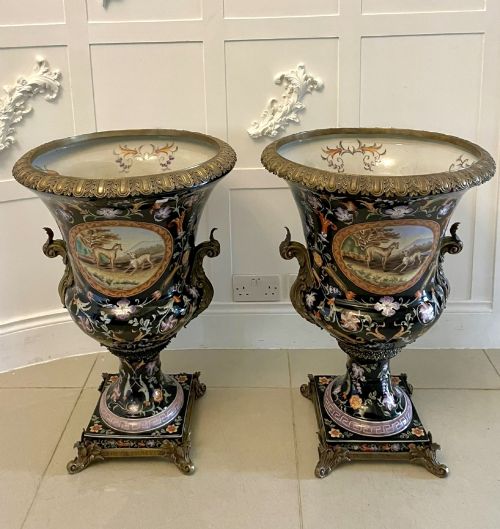
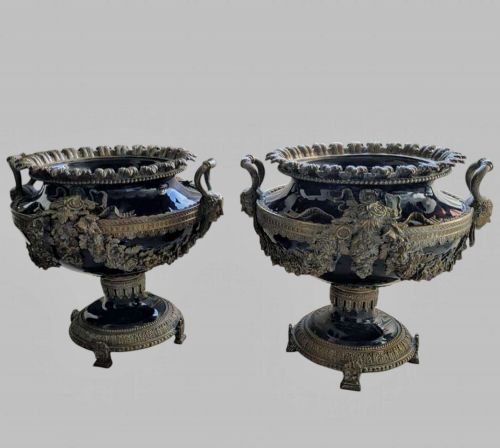
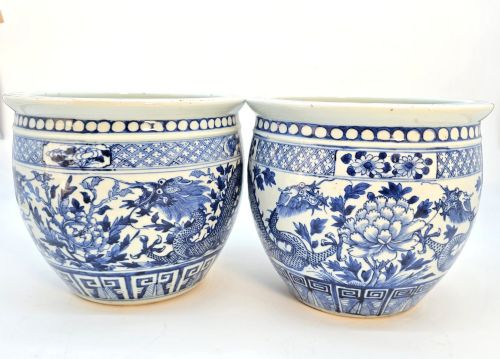
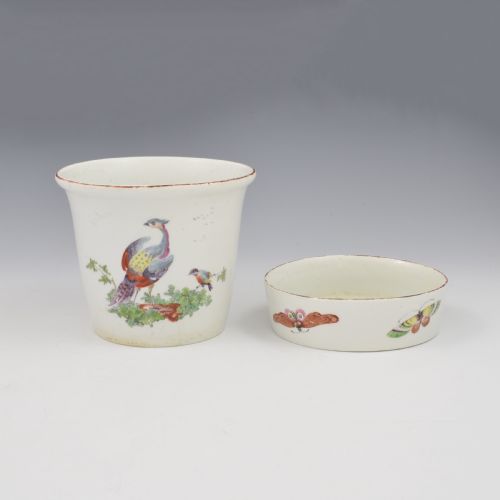
Forms vary from straightforward circular pots and oval planters to twin-handled urns, figural flower carts, and footed vessels accompanied by stands.
Materials and Construction
Potters shaped these vessels using ceramic and porcelain bodies, frequently finishing surfaces with coloured glazes, cobalt underglaze, or hand-painted enamel details. Manufacturers often incorporated gilt bronze, brass mounts, and gold leaf enrichment.
Many items combine porcelain ceramics with structural elements like wooden stands or metal handles to support heavier planting arrangements.
Antique Porcelain Cachepot Retail Price Guide 2026
Typical asking prices for porcelain cachepot among the pieces listed under this phrase on Sellingantiques today, from the lower quarter to the upper quarter. They describe what is for sale here now, not the wider market.
Materials recorded across the inventory include cobalt underglaze, enamel, gold leaf, gilt bronze, and blush ivory porcelain.
Execution and Detail
Quality rests in the crispness of the porcelain modelling, the depth of cobalt underglaze painting, and the precision of hand-applied enamel or gilding. Pieces featuring distinct factory marks or artist signatures demonstrate higher workshop execution.
The integration of metal mounts, such as brass or gilt bronze collars, separates standard utilitarian wares from ornamental pieces designed for formal reception rooms.
Flight Barr Worcester·Royal Worcester·Royal Doulton·Coalport·Kister Scheibe Alsbach·Samson
The Antique Porcelain Cachepot Glossary
- Cachepot
- A decorative container designed to hold a flower pot and catch drainage water. The French term translates literally as hide-pot.
- Jardinière
- A large ornamental receptacle for plants or cut flowers, often matching the function of a cachepot. These vessels appear in ceramic, porcelain, and wood.
- Imari
- A style of Japanese porcelain decorated in underglaze blue, iron red, and gold. This palette was widely exported to Europe and subsequently copied by Western factories.
- Bough pot
- A vessel designed specifically to hold branches of flowering shrubs or bulbs. These containers frequently include pierced covers to keep stems upright.
Antique Porcelain Cachepot: Frequently Asked Questions
What is an antique porcelain cachepot?
An antique porcelain cachepot is a decorative ceramic vessel used to house potted plants and conceal plain terracotta pots.
These pieces range from eighteenth-century Japanese export wares to nineteenth-century European decorative urns.
How were these pots used historically?
Historically, households placed these vessels on tables, windowsills, and plant stands to display indoor greenery during the Georgian and Victorian eras.
They protected interior surfaces from water damage while adding ornamental colour to formal rooms.
How do I care for an antique cachepot?
Living with these pieces involves using a modern plastic liner inside the ceramic vessel to prevent moisture from touching the antique glaze.
Dusting gently with a dry cloth preserves the hand-painted enamel and gilded surfaces.
How do I identify the period of a piece?
Dating relies on identifying factory marks, stylistic influences such as Chinoiserie or Rococo Revival, and manufacturing techniques.
Examining the glaze composition and the style of hand-painted decoration provides further clues to the era of production.