
Antique Porcelain Cabinet
An antique porcelain cabinet brings together fine ceramic plaques, painted plates, and glazed display furniture from the Georgian, Victorian, and Edwardian eras.
Antique Porcelain Cabinet
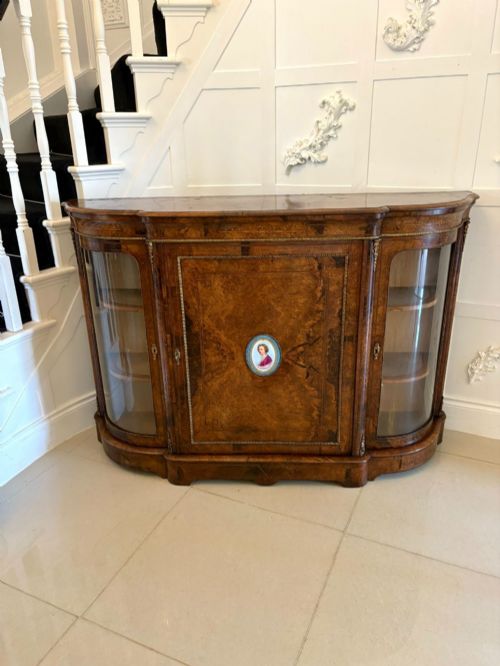
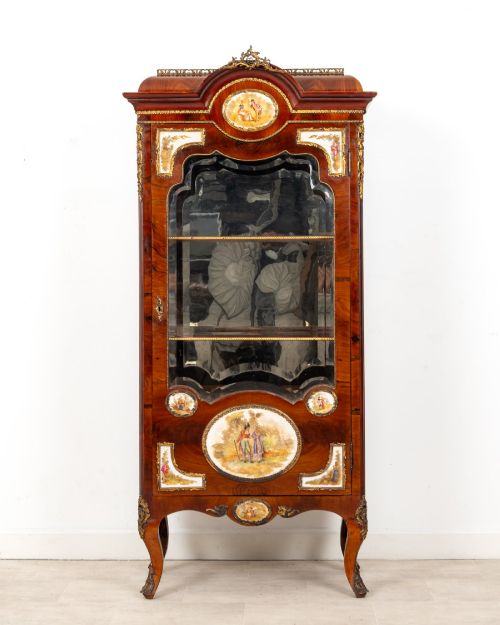
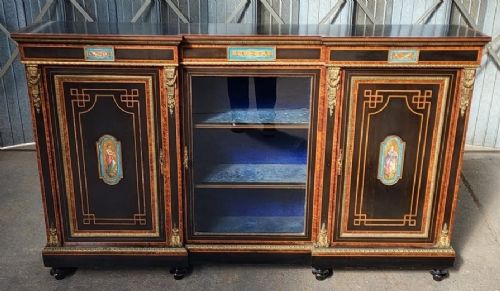
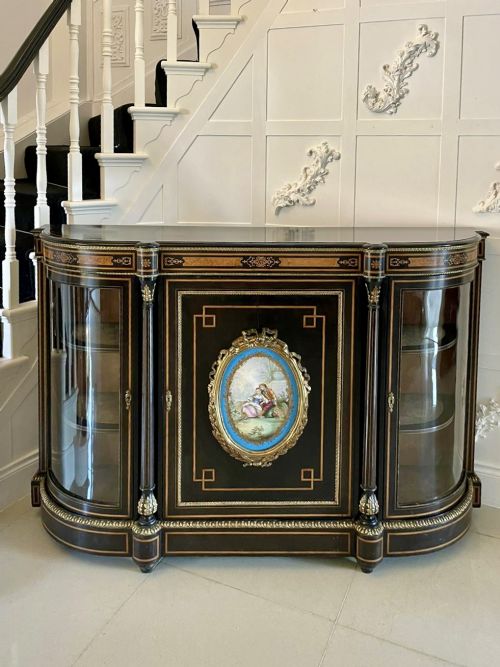
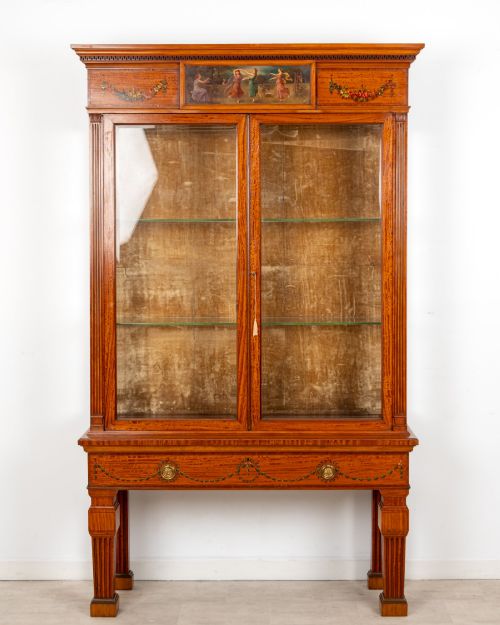
When searching for an antique porcelain cabinet, buyers encounter two distinct categories of items: large furniture mounted with ceramic plaques and dedicated tableware intended for display rather than everyday dining. The furniture side encompasses Victorian burr walnut credenzas, sideboards, and glass-fronted vitrines featuring inset Sèvres-style or French porcelain panels.
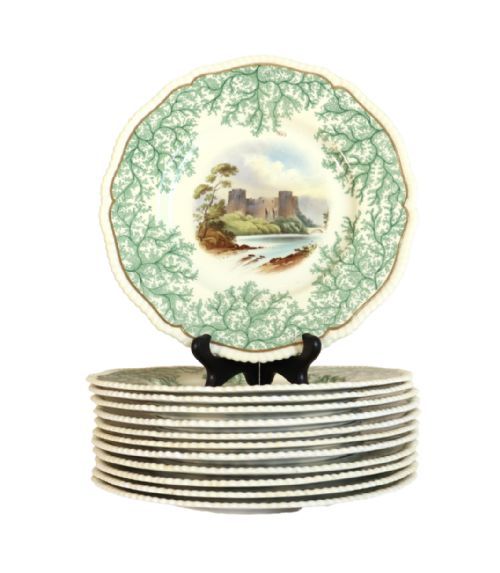
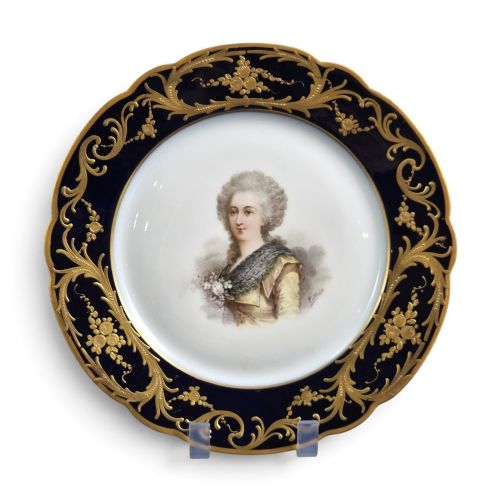
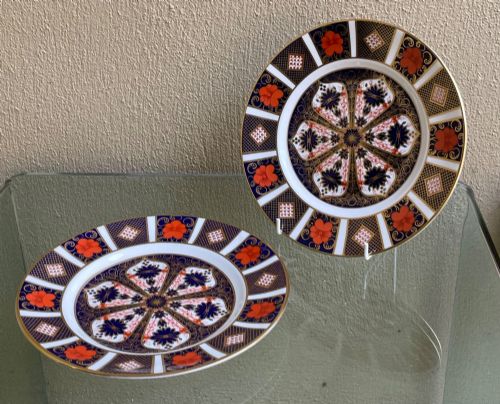
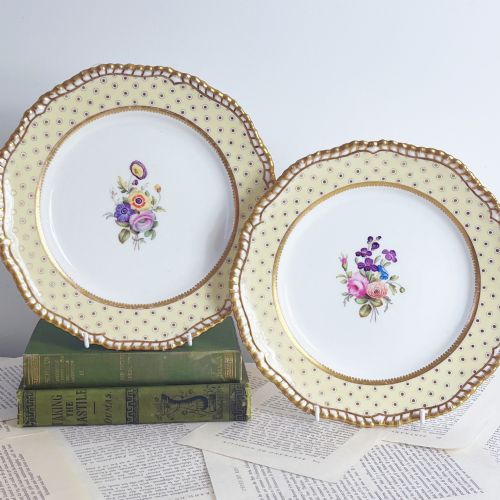
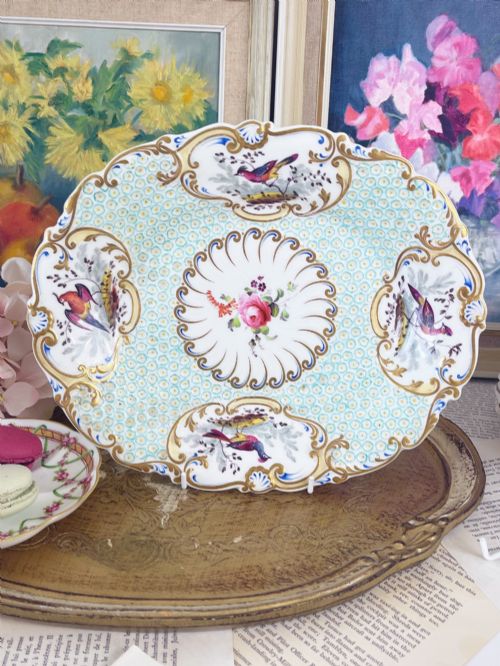
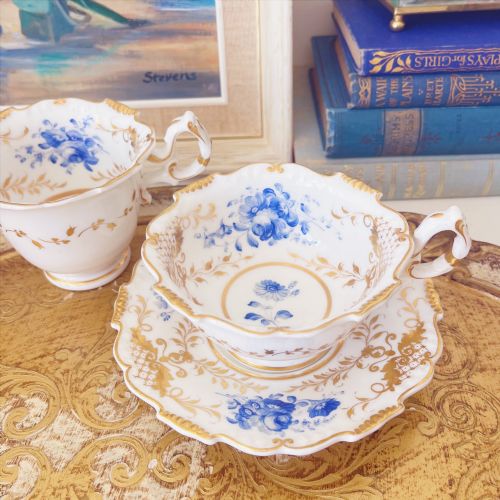
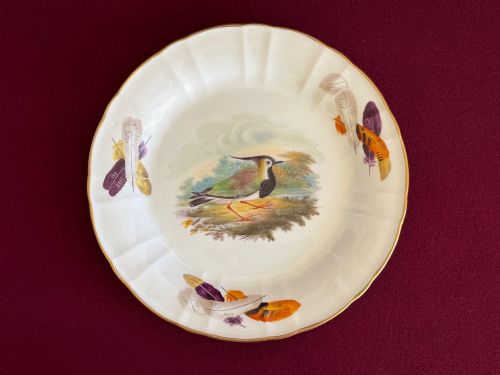
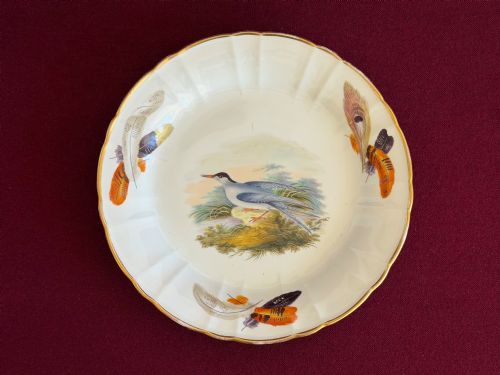
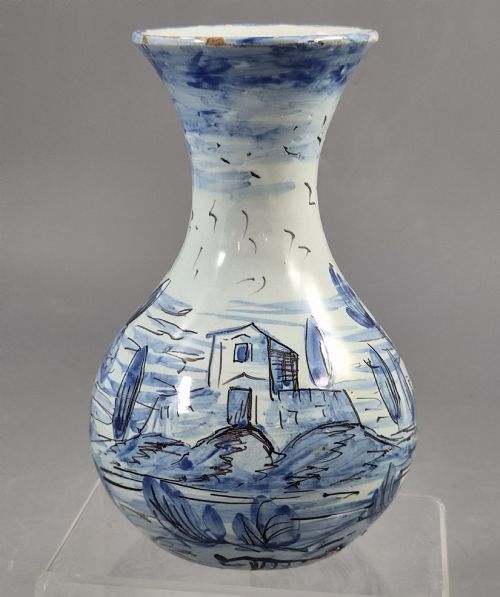
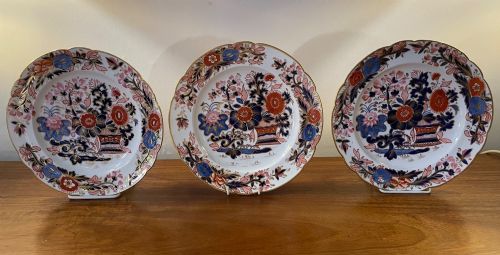
The ceramic side consists of cabinet plates, cups, saucers, and trios created by major European and English potteries. These porcelain objects span the eighteenth, nineteenth, and early twentieth centuries, showcasing hand-painted birds, landscapes, and portraits intended to signify refinement.
How they were made
Cabinet furniture employs timber frames of walnut, ebonised wood, satinwood, and mahogany inlaid with marquetry, combined with cast ormolu mounts and inset porcelain plaques. Joiners and cabinetmakers built these large display pieces to showcase ceramic panels produced in European and British factories.
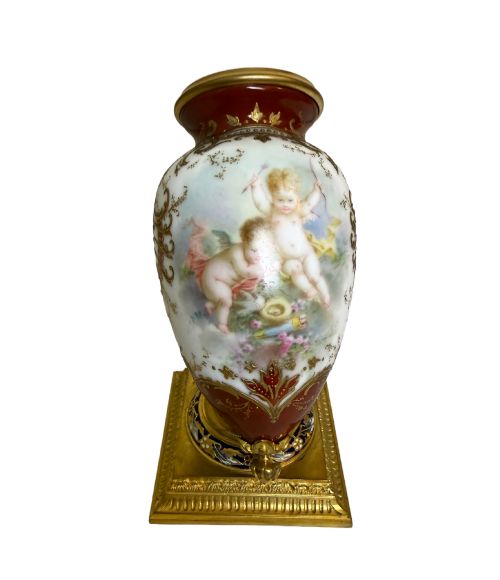
The porcelain elements rely on traditional potting materials including bone china, felspar, and hard-paste porcelain, finished with hand-painted enamel colours, gold leaf, and gilding. Artisans fired these items at high temperatures before applying detailed botanical, ornithological, or topographical scenes by hand.
What varies in quality
The distinction between standard production and top-tier pieces rests on the precision of the hand-painting and the sophistication of the framing materials. Master artists signed or attributed works featuring detailed portraits, birds, and historical scenes, while lesser items utilised repetitive transfer printing or simpler floral motifs.
Furniture quality depends on the complexity of the timber grain, such as figured burr walnut or amboyna, the depth of marquetry inlay, and the weight of the cast ormolu mounts securing the porcelain plaques. Pieces bearing documented provenance or commissions for specific retailers demonstrate superior manufacturing standards.
Spode·Royal Crown Derby·H and R Daniel·Wedgwood·Hampton and Sons·Coalport·Meissen·Newhall·Royal Worcester·KPM Berlin·Minton·Royal Doulton
The Antique Porcelain Cabinet Glossary
- Cabinet plate
- A decorative ceramic plate intended for display in a cabinet or on a wall rather than for serving food. These items typically feature elaborate hand-painted borders and central pictorial scenes.
- Ormolu
- Gilt bronze mounts applied to furniture and decorative objects for ornamentation. This technique involves coating a bronze base with a finely ground gold-mercury amalgam and heating it.
- Credenza
- A large nineteenth-century side cabinet used for storage and display. Victorian examples frequently incorporate inset porcelain plaques and glazed doors.
- Vitrine
- A glass-fronted display cabinet designed to exhibit porcelain and small decorative arts. These pieces protect delicate ceramics while offering full visibility from multiple angles.
- Trio
- A matching set comprising a teacup, coffee cup, and saucer. These groupings were produced by English and continental porcelain factories during the Georgian and Regency periods.
Antique Porcelain Cabinet: Frequently Asked Questions
What is a porcelain cabinet piece?
These items include ceramic display plates and cups alongside large wooden furniture integrated with painted porcelain plaques. They originate predominantly from nineteenth-century English and European workshops.
Collectors prize them for their hand-painted artistic detail, which captures botanical, topographical, and ornithological subjects from the period.
How do I date a porcelain cabinet item?
Dating relies on factory marks stamped or painted on the underside of the ceramics, combined with the structural style of the surrounding furniture. Regency and Georgian pieces often display distinct painted pattern numbers or early factory marks.
Victorian and Edwardian items incorporate heavier timber frames, such as burr walnut, alongside stylistic cues from the Aesthetic Movement or French Revival periods.
Were cabinet plates used for dining?
These plates were created exclusively for visual display within cabinets, on sideboards, or mounted on walls. Their elaborate gilding and delicate hand-painted scenes meant they avoided daily utility at the dining table.
Manufacturers produced them in specialised trios, dessert services, and single cabinet plates to demonstrate the height of ceramic artistry.
How do I care for antique porcelain furniture?
Maintain stable indoor humidity and temperature to protect nineteenth-century timbers like walnut and satinwood from warping. Avoid placing display cabinets in direct sunlight to prevent fading on hand-painted ceramic plaques.
Clean glass and wood surfaces with appropriate dry or lightly damp cloths, leaving the delicate porcelain glazes undisturbed.